A baker-friendly guide to leavening: how baking soda and baking powder work, when to use both, what causes soapy or metallic notes, and substitution formulas.
recipes
Vegan Baking Substitutions for Eggs and Dairy

Elena Martinez
Elena Martinez is a former bakery manager turned full-time food writer and recipe developer. With over a decade of experience translating professional culinary techniques into approachable home cooking, she believes that a great meal doesn't require a culinary degree or expensive ingredients.
Created September 21, 2026
Last updated September 21, 2026
If you've ever stared at a recipe that calls for eggs, butter, and milk and thought, “Okay, but what if I just… don't use those?”, welcome. Vegan baking isn't about deprivation. It's about understanding what each ingredient does, then choosing a plant-based stand-in that does the same job.
In bakery life, we used eggs and dairy because they're reliable workhorses. At home, we can absolutely get that same reliability with a few smart pantry staples. This guide will help you swap with confidence, whether you're baking chewy cookies, fluffy cupcakes, or a quick loaf cake for a Tuesday night sweet tooth.

What eggs and dairy do
Before we swap, let's name the job. This is the part that makes everything click.
Eggs can:
- Bind ingredients so your muffin doesn't crumble into gravel.
- Lift batters by trapping air, especially when whipped or when the whites provide structure.
- Add moisture and richness, which affects tenderness.
- Emulsify fat and water for a smooth batter (think: cake batter that looks silky, not broken).
Dairy can:
- Add fat (butter, cream) for flavor, tenderness, and that “bakery” mouthfeel.
- Add water + protein (milk, yogurt) for structure and browning.
- Add acidity (buttermilk, sour cream, yogurt) which reacts with baking soda and also tenderizes.
When a vegan swap fails, it's usually because we replaced an ingredient without replacing its function. So below, I'll keep calling out the “best for” category, not just the ratio.
Egg swaps (exact ratios)
For most home baking, you'll get the best results when your egg replacement matches the recipe type. A flax egg is amazing in a cookie, but it won't give you a lofty angel food cake. That's not you, that's physics.
Flax egg
How to use: Mix 1 tablespoon ground flaxseed with 3 tablespoons water. Rest 5 to 10 minutes until gelled. This replaces 1 egg.
Best for: Cookies, brownies, muffins, pancakes, quick breads, hearty cakes (banana bread style).
What it does: Strong binding, a little moisture, and a subtle nuttiness.
Tip from my bakery days: Use fresh ground flax if you can. Whole flax lasts longer, and grinding right before baking gives the best gel and the least “flax-y” flavor.
Chia egg
How to use: Mix 1 tablespoon chia seeds (whole or ground) with 3 tablespoons water. Rest 10 minutes. Replaces 1 egg.
Best for: Muffins, quick breads, cookies, and anything where tiny seeds aren't a dealbreaker.
What it does: Similar to flax, slightly stronger gel. Whole chia can add a light crunch.
Applesauce
How to use: Replace 1 egg with 1/4 cup unsweetened applesauce.
Best for: Moist cakes, snack cakes, muffins, brownies.
What it does: Moisture and tenderness, light binding.
Watch out: Too much applesauce can make baked goods gummy. If you're replacing more than 2 eggs in a recipe, use a mix of substitutes.
Mashed banana
How to use: Replace 1 egg with 1/4 cup mashed ripe banana.
Best for: Banana bread, muffins, pancakes, chocolate cakes where a little banana flavor is welcome.
What it does: Moisture and binding.
Watch out: Banana brings its own personality. If you don't want it, choose applesauce or yogurt instead.
Aquafaba (liquid from chickpeas)
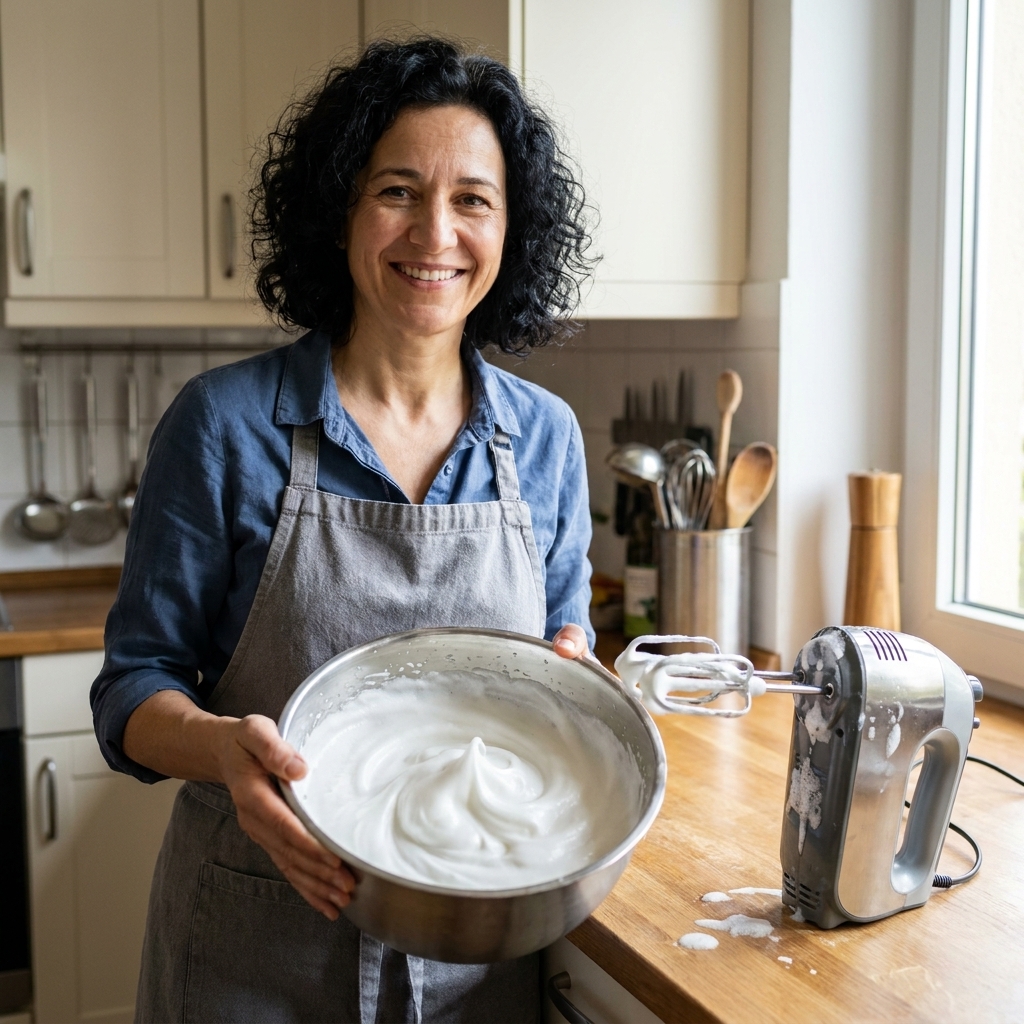
How to use: 3 tablespoons aquafaba replaces 1 whole egg. For egg whites, use 2 tablespoons aquafaba per white. You can also whip it like egg whites for meringue-style recipes.
Note: Aquafaba varies by brand and salt level. For the most consistent whipping, use unsalted or low-sodium chickpeas. If yours seems very watery, simmer it a few minutes to reduce slightly, then cool before whipping.
Best for: Meringues, marshmallow fluff, mousse, light cakes that need lift, waffles that want crisp edges. Vegan macarons are possible, but they're finicky, so use a tested vegan macaron recipe and expect a learning curve.
What it does: Foaming and structure when whipped, plus binding when unwhipped.
Silken tofu
How to use: Blend until smooth. Replace 1 egg with 1/4 cup (about 60 g) silken tofu.
Best for: Dense, fudgy brownies, cheesecake-style fillings, pumpkin pie, rich cakes.
What it does: Protein-like structure and creaminess.
Watch out: It can make cakes heavier if the recipe relies on whipped eggs for lift.
Commercial egg replacer
How to use: Follow the package ratio. Most are starch-based blends designed for consistent binding.
Best for: Recipes with multiple eggs where you want predictability, like sugar cookies or cupcakes for a party.
What it does: Binding and moisture management, usually neutral flavor.
Quick cheat sheet
- Chewy cookies: flax or chia
- Fudgy brownies: silken tofu or flax
- Fluffy layer cake: commercial egg replacer, plus the right leavening (see troubleshooting)
- Light and airy bakes: aquafaba (especially if whipping is involved)
- Moist snacking cakes: applesauce or banana
Dairy swaps
Dairy is often easier to swap than eggs. The key is matching fat percentage and acidity.
Butter swaps
- Vegan butter (sticks): Swap 1:1 for butter in most baking. This is my top choice for cookies and frostings because it behaves like butter.
- Refined coconut oil: Swap 1:1 by weight (and in many recipes, 1:1 by volume works too). Best for pie crusts, shortbread, and crisp cookies. Use refined if you don't want coconut flavor.
- Neutral oil (canola, avocado, grapeseed): Replace butter with 3/4 cup oil per 1 cup butter. Butter contains water and milk solids, so this swap works best in quick breads and cakes, not creaming-based cookies where butter's structure really matters.
- Olive oil: Great in brownies, citrus cakes, and rustic loaf cakes where a fruity note is welcome.
Milk swaps
In most baked goods, plant milk swaps 1:1 for dairy milk.
- Oat milk: Creamy and mild. Great for cakes, muffins, and pudding-like or “custardy-style” bakes.
- Soy milk: Higher protein, browns nicely, closest “behavior” to dairy. Great all-purpose option.
- Almond milk: Lighter body. Fine for pancakes and muffins, but can feel a bit thin in rich cakes.
- Coconut milk (carton): Light coconut flavor, decent richness.
- Coconut milk (canned): Very rich. Excellent for ganache, ice cream, creamy fillings, and vegan custards that use starch for structure.
Vegan buttermilk
How to use: Add 1 tablespoon lemon juice or vinegar to 1 cup plant milk. Rest 5 minutes. Use 1:1 anywhere you'd use buttermilk.
Why it matters: That acidity helps baking soda do its job and gives tenderness.
Yogurt and sour cream swaps
- Unsweetened vegan yogurt: Swap 1:1 for yogurt or sour cream in cakes, muffins, and quick breads.
- Blended silken tofu + a squeeze of lemon: Great in cheesecakes and dense cakes.
- Cashew cream: Best for frostings, cheesecakes, and ultra-creamy fillings.
Heavy cream swaps
- Canned full-fat coconut milk: Best for whipped topping and rich ganache. Chill overnight for easiest whipping.
- Vegan heavy cream (store-bought): Often whips reliably and is neutral. Great for special occasions.
- Cashew cream: Blend soaked cashews with water until silky. Best for sauces and fillings, not always for whipping.
Sweetened condensed milk (quick note)
Option: Use store-bought vegan condensed milk if available. If you're making it at home, simmer a rich plant milk (often coconut or oat) with sugar until reduced and glossy. It takes time, but it makes magic in no-bake pies and bar cookies.
By recipe type
Cookies
- Egg: Flax egg (chewy) or commercial egg replacer (clean snap for sugar cookies).
- Butter: Vegan butter sticks for classic texture. Coconut oil for crispier edges.
- Pro tip: Chill the dough. Vegan butter melts faster than dairy in some brands, and a 30-minute chill helps prevent spreading.
Cakes and cupcakes
- Egg: Commercial egg replacer, or a combo of applesauce (moisture) + a little extra leavening (lift).
- Milk: Soy or oat milk for good structure.
- Pro tip: Don't overmix. Without egg proteins, overmixing can make the crumb tight and a bit rubbery.
Muffins and quick breads
- Egg: Flax, chia, applesauce, or banana.
- Fat: Neutral oil works beautifully here.
- Pro tip: Rest the batter 10 minutes before baking if you're using flax or chia. It gives the gel time to hydrate for better structure (and often a nicer dome).
Brownies and bar cookies
- Egg: Silken tofu for fudginess, flax for chew.
- Butter: Vegan butter or coconut oil.
- Pro tip: Underbake slightly, then cool completely. Vegan brownies set up as they cool.
Pancakes and waffles
- Egg: Flax egg or applesauce.
- Milk: Any plant milk, but soy gives the best browning.
- Pro tip: For crisp waffles, add 1 to 2 tablespoons cornstarch to the dry mix and let the batter rest 5 minutes.
Pie crust
- Butter: Vegan butter sticks or refined coconut oil.
- Liquid: Ice water as usual.
- Pro tip: If your vegan butter is very soft, freeze the sticks for 10 minutes before cutting into flour.
Troubleshooting
If something goes sideways, you're not alone. Here are the common issues and the quick fixes.
My cookies spread too much
- Chill the dough 30 to 60 minutes.
- Try vegan butter sticks instead of tub-style spread (tubs are often softer and higher in water).
- Add 1 to 2 tablespoons flour, or reduce any added liquid (plant milk, water, or other) by 1 tablespoon.
My cake is gummy in the middle
- Make sure you measured flour correctly (spoon and level, or weigh it).
- Don't overdo fruit purees. Too much applesauce or banana can create a dense, wet crumb.
- Check leavening freshness. Baking powder that's old will leave you with a squat, gummy cake.
My cake didn't rise
- Swap to a higher-lift egg replacer (commercial blend) or use aquafaba where appropriate.
- Make sure you have enough acid if you're using baking soda. Add 1 tablespoon vinegar or lemon juice to the plant milk.
- As a starting point for cakes, you can try adding 1/4 teaspoon baking powder per egg replaced. Don't overdo it or you'll get a soapy taste and a crumb that collapses.
- Get the batter into the oven promptly once leaveners are mixed in.
My frosting looks greasy or split
- Temperature is usually the culprit. If it's too warm, chill the bowl 10 minutes and beat again.
- Use vegan butter sticks for stability. If you're using coconut oil, keep everything cool because it melts fast.
Pantry staples
This is the short list I keep around so I can bake without a special trip.
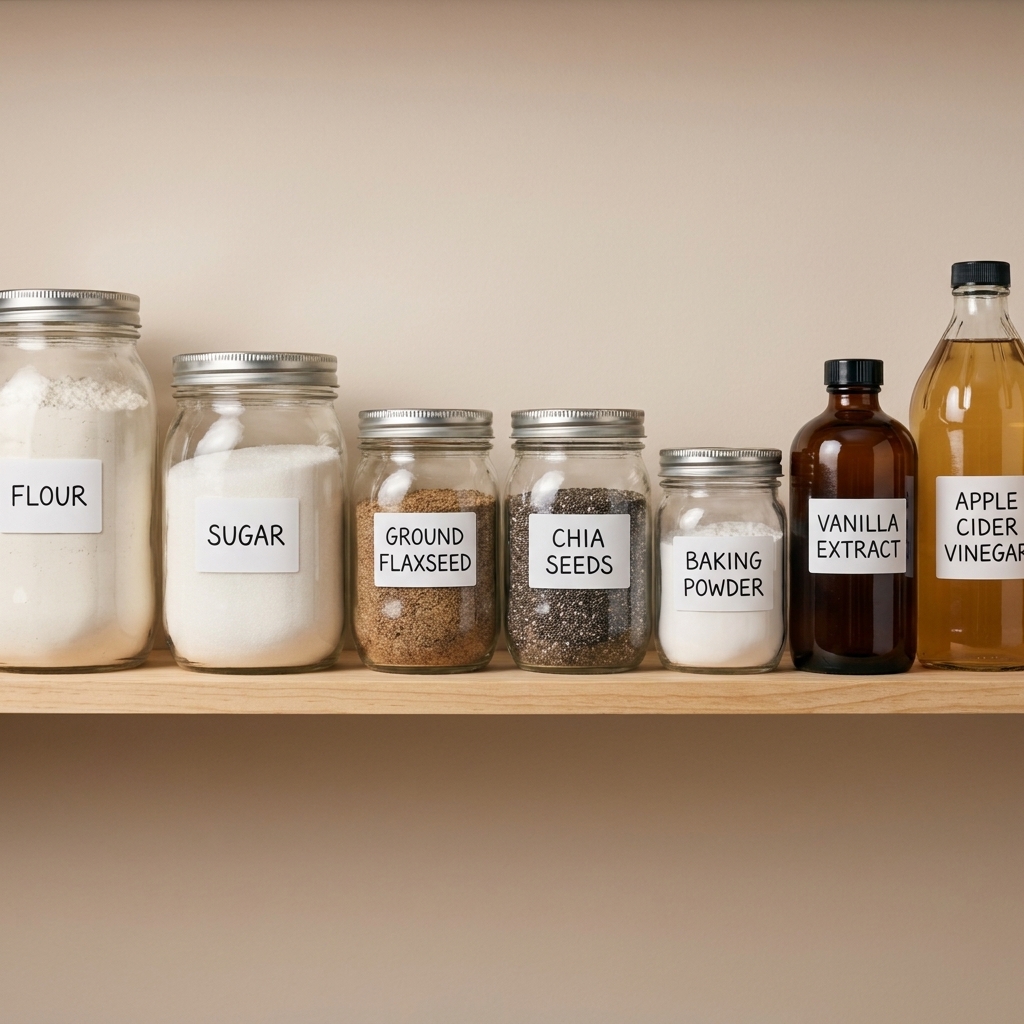
- Ground flaxseed or chia seeds
- Unsweetened applesauce (single-serve cups are handy)
- Soy or oat milk
- Vegan butter sticks
- Refined coconut oil
- Apple cider vinegar or lemons
- Unsweetened vegan yogurt
- Aquafaba (I freeze leftover chickpea liquid in tablespoon portions)
Extra common swaps
Honey
Swap honey with maple syrup or agave 1:1 by volume. Since they're liquid sweeteners, you may want to reduce another liquid in the recipe by 1 to 2 teaspoons per tablespoon swapped, especially in cakes and muffins.
Chocolate
Many dark chocolates are accidentally vegan, but always check for milk fat, whey, or butter oil. White chocolate is usually not vegan, so look for specifically labeled vegan white chocolate.
Gelatin
For set desserts (panna cotta-style treats, some cheesecakes, marshmallows), use agar agar or pectin instead. Follow a tested recipe when texture matters, because the setting strength isn't a perfect 1:1.
FAQ
Can I replace eggs one-for-one with any substitute?
Not always. The ratio might be “one egg,” but the function changes by recipe. Binding-heavy recipes (cookies, muffins) are forgiving. Lift-heavy recipes (sponge cakes, angel food) need aquafaba or, honestly, a tested vegan recipe built for that structure.
What's the closest vegan swap for butter in cookies?
Vegan butter sticks. They usually have a fat-to-water balance closer to dairy butter, which helps with spread and chew.
Which plant milk is best for baking?
Soy milk is the most consistent all-purpose option because the protein helps structure and browning. Oat milk is a close second, especially for tender cakes and muffins.
Do flax eggs taste like flax?
In strongly flavored bakes like chocolate chip cookies, brownies, or spiced muffins, most people won't notice. In very delicate vanilla cakes, you might. If you want zero flavor, use a commercial egg replacer.
How do I replace buttermilk in vegan baking?
Use 1 cup plant milk + 1 tablespoon lemon juice or vinegar. Let it sit 5 minutes, then use it like regular buttermilk.
Quick starter swaps
- 1 egg: 1 tbsp ground flax + 3 tbsp water (rest 5 to 10 min)
- 1 egg: 1/4 cup applesauce (best for moist bakes)
- 1 egg: 3 tbsp aquafaba (great all-purpose, whip for lift)
- 1 cup milk: 1 cup soy or oat milk
- 1 cup buttermilk: 1 cup plant milk + 1 tbsp lemon or vinegar
- 1 cup butter: 1 cup vegan butter sticks, or 3/4 cup neutral oil (best for quick breads and cakes)
If you want, tell me what you're baking this week (cookies, cake, brownies, muffins) and how many eggs the recipe calls for. I can suggest the exact combination of swaps that'll give you the texture you're after.