A baker-friendly guide to leavening: how baking soda and baking powder work, when to use both, what causes soapy or metallic notes, and substitution formulas.
recipes
Why Is My Cake Dense? 7 Baking Mistakes and Fixes

Elena Martinez
Elena Martinez is a former bakery manager turned full-time food writer and recipe developer. With over a decade of experience translating professional culinary techniques into approachable home cooking, she believes that a great meal doesn't require a culinary degree or expensive ingredients.
Created September 22, 2026
Last updated September 22, 2026
Nothing is more deflating than pulling a cake from the oven that looks fine on top, then slicing in and finding a tight, heavy crumb that eats like sweet bread. The good news is that dense cake is most often not a mystery ingredient problem. In home kitchens, it usually comes down to technique, temperature, or a small measuring mismatch, and it is fixable. (And yes, sometimes a recipe is simply unbalanced for your pan, climate, or altitude. More on that below.)
Below are the seven mistakes I see most often, plus what to do differently next time. I will also give you a quick checklist to run through before you bake so you can catch the usual suspects before they turn into a gummy, dry slice.
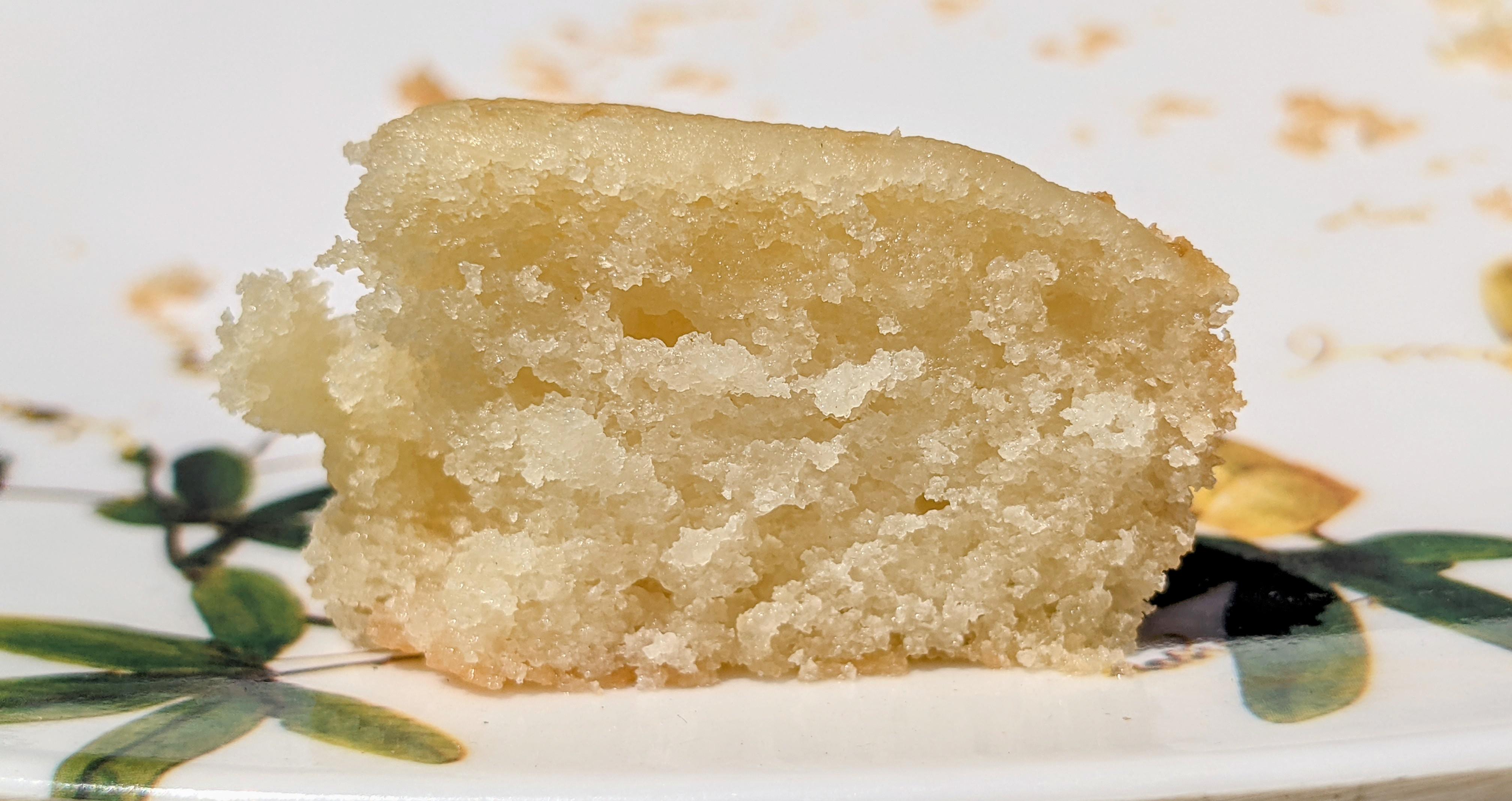
First: what “dense” usually means
A cake can feel dense for a few different reasons, and the fix depends on which one you have:
- Heavy and tight: not enough lift or too much gluten development.
- Gummy or wet in the middle: underbaked, oven running cool, too much batter for the pan, or a formula with more sugar or liquid than the structure can handle.
- Dry and compact: too much flour, not enough fat, overbaked, or ingredients too cold to emulsify well.
If you are not sure which bucket you are in, start by checking doneness and oven temperature first. Those two solve a surprising number of “dense” complaints.
7 baking mistakes that make cakes dense (and how to fix them)
1) Your leavening is old, mismeasured, or canceled out
Why it happens: Baking powder and baking soda are your cake’s elevator. If baking powder is stale, or you forget the baking soda in a recipe that needs it, you will get a low-rise cake with a tight crumb. Also, too much leavening can backfire by rising fast and then collapsing, which can feel dense and gummy.
Fix:
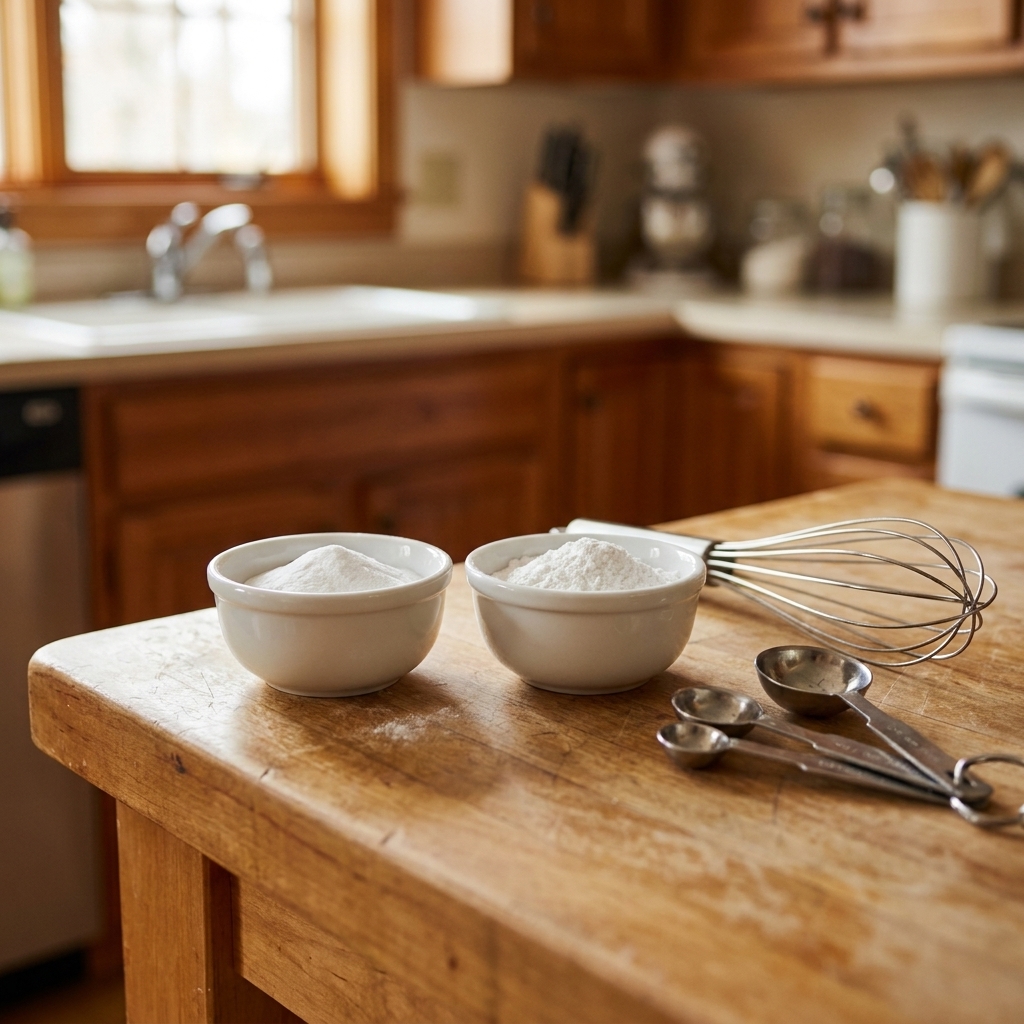
- Check freshness: As a rule of thumb, replace baking powder about every 6 to 12 months once opened (storage and brand matter). If you are not sure, test it. Stir 1/2 teaspoon baking powder into 1/4 cup hot water. It should fizz vigorously.
- Measure precisely: Use measuring spoons, not a “dinner spoon.” Level them off.
- Match soda to acid: Baking soda needs an acid to react (buttermilk, yogurt, sour cream, citrus, molasses in brown sugar, honey). Cocoa only counts if it is natural cocoa (not Dutch-process). Also note that baking powder already contains acids, which is why many recipes use it even without an obvious acidic ingredient.
2) You overmixed after adding flour
Why it happens: Once flour is added, mixing builds gluten. Gluten is great for chewy bread and terrible for tender cake. Overmixing can also knock out air you worked to incorporate, especially in butter cakes.
Fix:
- Mix in stages: Add flour in 2 to 3 additions, alternating with liquids if the recipe calls for it.
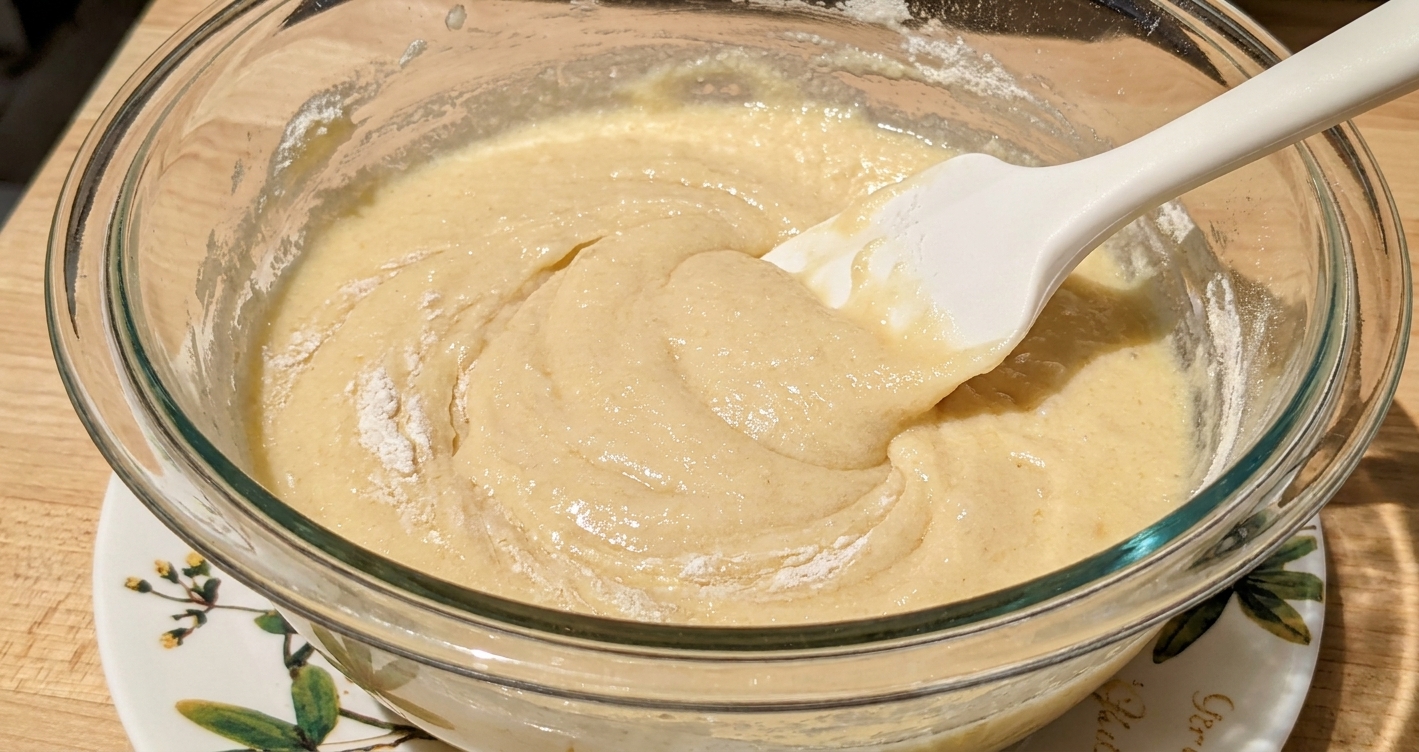
- Stop early: Mix just until you no longer see dry streaks of flour. A few tiny lumps are fine and often smooth out as they hydrate in the oven.
- Use the right speed: Once flour goes in, stick to low speed to minimize gluten. If you are whisking by hand, switch to a spatula for the last bit.
3) Your butter, eggs, or dairy were too cold (or too warm)
Why it happens: In many cakes, you are building an emulsion. Ingredients at similar temperatures blend smoothly and trap air. Cold eggs can seize softened butter, leaving little lumps of fat that do not hold air well. Over-softened butter can get greasy, which also traps less air.
Fix:
- Butter: Aim for cool room temperature. It should dent when pressed, but not look shiny or oily.
- Eggs: If you forgot to take them out, place them (uncracked) in a bowl of warm tap water for 5 to 10 minutes.
- Dairy: Room temp is ideal for buttermilk, yogurt, and sour cream in butter cakes. Cold dairy can curdle the batter and reduce lift.
Extra tip: If your batter looks slightly curdled after adding eggs, keep going. It often smooths out once the flour goes in. A truly broken, greasy batter usually means the butter was too warm.
4) You creamed (or did not cream) the butter and sugar properly
Why it happens: For classic butter cakes, creaming is not just “mix until combined.” It is the main way you incorporate tiny air pockets that expand in the oven. Under-creaming means less air and a heavier cake. Over-creaming can over-aerate the batter so it rises quickly and then struggles to set its structure, which can lead to a coarse crumb, dryness, or collapse (especially if the oven runs hot, leavening is heavy-handed, or the door is opened early).
Fix:
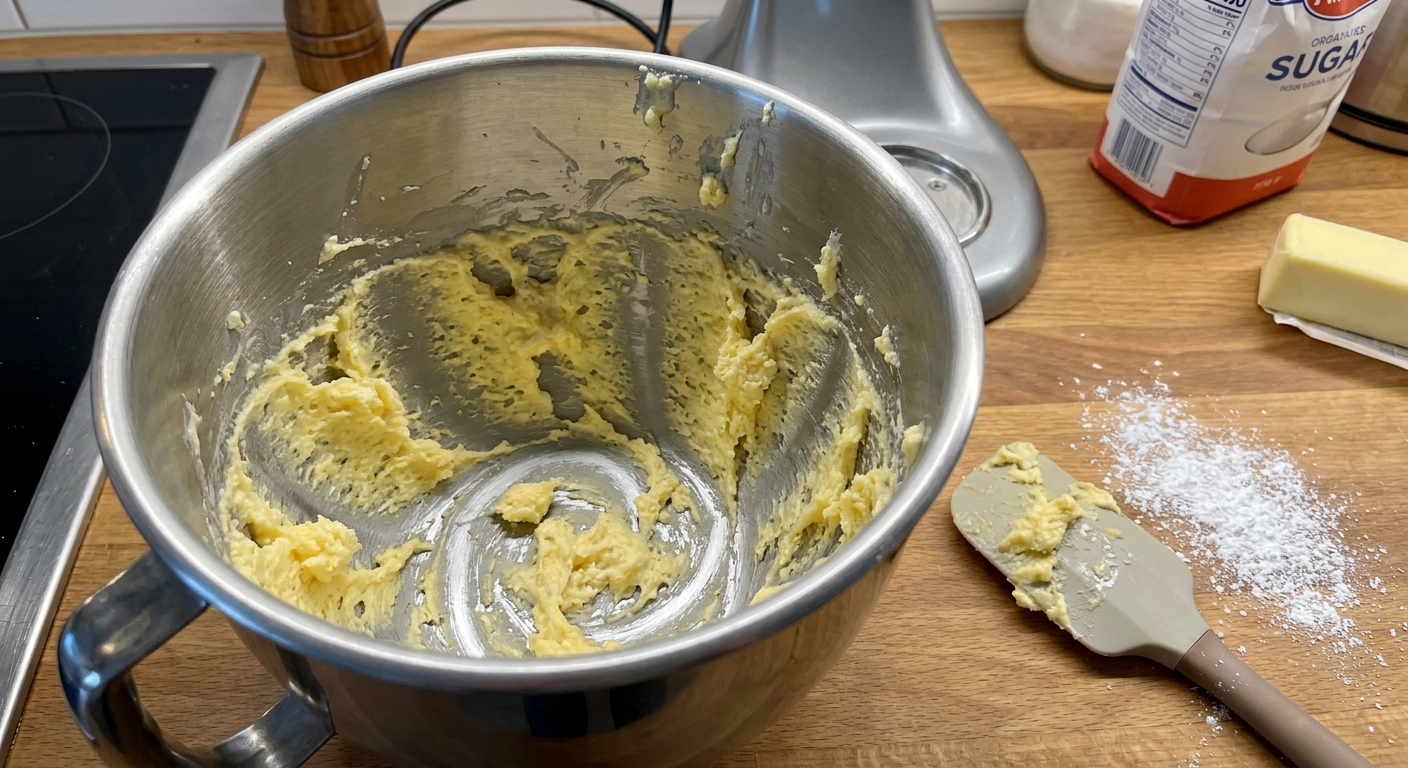
- Look for the visual cue: Butter and sugar should turn lighter in color and look fluffy, like thick frosting. This usually takes 3 to 5 minutes with a stand mixer, depending on speed and bowl size.
- Watch for over-creaming: If the mixture looks extremely white, overly airy, or starts clinging high up the bowl like foam, back off. You want fluffy, not puffy.
- Scrape the bowl: At least once during creaming and again after adding eggs. Dense streaks of unmixed butter turn into heavy, greasy patches.
- Know the method: Not every cake uses creaming. Some oil cakes and chocolate cakes use a dump-and-stir approach. Follow the method your recipe is built around.
5) You measured flour and liquids inaccurately
Why it happens: Too much flour is one of the fastest routes to dry, dense cake. A tightly packed measuring cup can add 20 to 40 grams of extra flour without you realizing it. On the liquid side, “eyeballing” can leave the batter too thick to rise properly. Substitutions can also quietly change structure. For example, swapping Greek yogurt for sour cream, or oil for butter, can shift moisture and tenderness.
Fix:
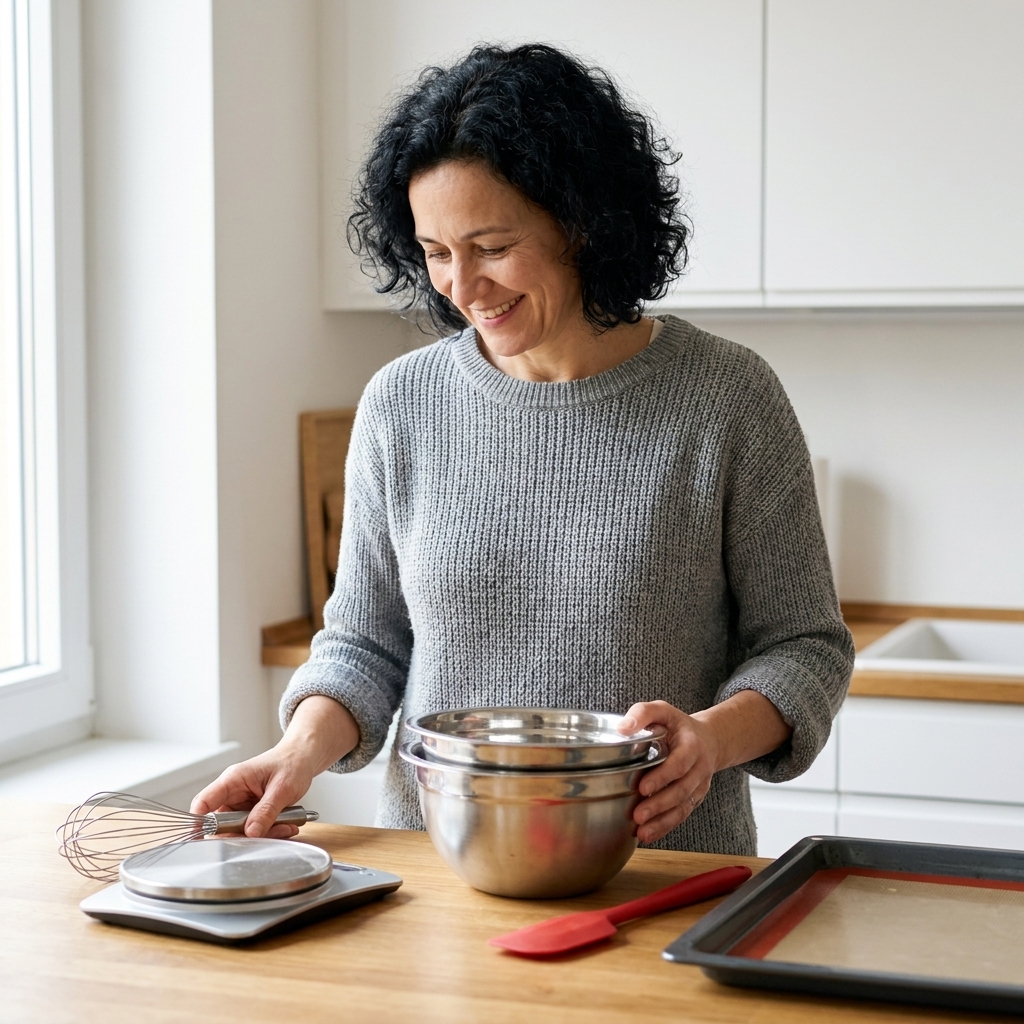
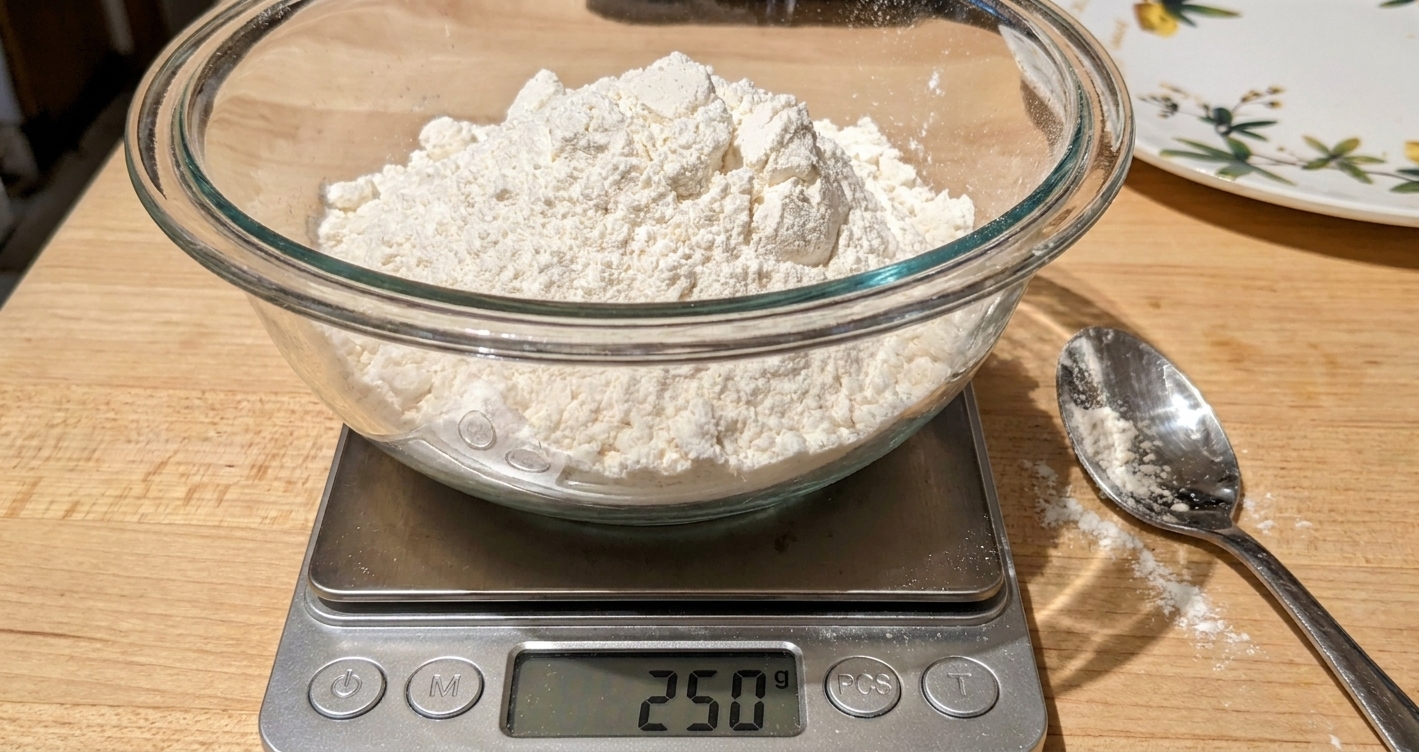
- Use a scale if you can: It is the simplest way to remove guesswork, especially for flour and cocoa.
- If using cups: Fluff the flour, spoon it into the measuring cup, then level it off. Do not scoop directly from the bag.
- Watch batter consistency: For many layer cakes, batter should be thick but pourable. If it is closer to cookie dough than pancake batter, recheck your measurements.
- Be cautious with swaps: If you substitute, keep fat levels similar (full-fat dairy for full-fat dairy) and do not reduce sugar dramatically unless the recipe was designed for it. Sugar is not just sweetness. It also affects tenderness and moisture.
6) Your oven temperature is off (or you opened the door too much)
Why it happens: Ovens lie. If your oven runs cool, the cake sets slowly, which can lead to poor rise and a gummy middle. If it runs hot, the outside sets before the inside rises fully, sometimes causing a dense line near the bottom or a sunken center. Frequent door-opening drops the temperature and interrupts the rise.
Fix:
- Use an oven thermometer: They are inexpensive and eye-opening.
- Preheat fully: Give it at least 20 minutes, even if the beep comes earlier.
- Bake on the center rack: Too close to the bottom can overbrown and underbake the middle.
- Check quickly: If you must rotate pans, do it once, about two-thirds of the way through baking.
- Adjust if your oven is consistently off: If the thermometer says 350°F when the dial says 325°F, set the dial to what actually gets you to 350°F (or recalibrate if your oven allows it).
7) The cake was underbaked, overbaked, overfilled, or cooled the wrong way
Why it happens: Underbaked cake is often described as “dense” because the center feels heavy and sticky. Overbaked cake can be dry and compact, especially around the edges. Overfilling pans can also create an underbaked center because the batter is too deep to bake through before the outside overcooks. Cooling matters too. Leaving a cake in a hot pan too long can steam the sides and make the crumb feel gummy.
Fix:
- Use multiple doneness cues: A toothpick should come out with a few moist crumbs, not wet batter. The top should spring back when lightly pressed. The cake should begin to pull away from the sides of the pan.
- Fill pans appropriately: As a general rule, fill cake pans about 1/2 to 2/3 full so the cake can rise and bake through evenly.
- Know your pan: Dark metal pans bake hotter. Glass tends to heat more slowly but holds heat and can brown edges more. If you are baking in glass, many bakers have better results lowering the oven temperature by about 25°F (about 14°C) and baking a bit longer, while watching doneness cues.
- Cool on a rack: Let cakes cool 10 to 15 minutes in the pan, then turn out to finish cooling. For delicate cakes, follow the recipe, but do not let them sit in a hot pan for an hour.
Quick pre-bake checklist (save this)
If I could tape one list inside every home baker’s cabinet, it would look like this:
- Oven: Fully preheated, center rack, oven thermometer in place if you have one. Dial adjusted if your oven runs hot or cool.
- Pans: Correct size, greased and lined if needed. Fill pans about 1/2 to 2/3 full unless the recipe says otherwise.
- Leavening: Baking powder and baking soda checked for freshness, measured with level spoons.
- Ingredients: Butter softened properly, eggs and dairy at room temp if the recipe is a butter cake.
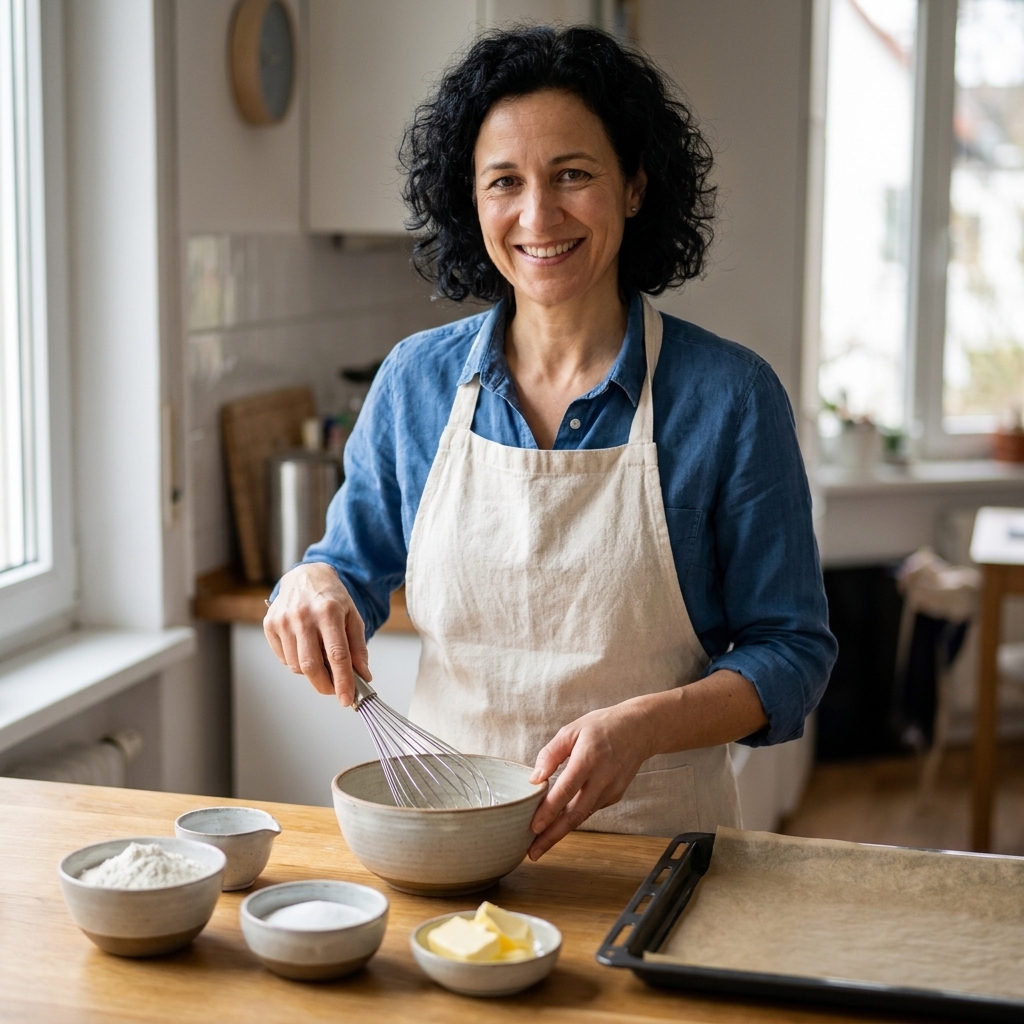
- Flour: Weighed or spooned and leveled. Dry ingredients whisked to distribute leavening evenly.
- Mixing: Cream butter and sugar until fluffy when the method calls for it. Mix gently after flour goes in.
- Timing: Timer set. Plan to check doneness a few minutes early, especially in a new oven.
Cakes where these fixes matter most
All cakes benefit from good technique, but these styles are especially sensitive to the mistakes above:
- Vanilla butter layer cake: Depends heavily on proper creaming, accurate flour measurement, and not overmixing after flour.
- Pound cake: A small measuring error or slightly underbaked center can make it feel leaden. Temperature and creaming are key.
- Chocolate cake with cocoa: Cocoa can be drying. The balance of liquid, sugar, and leavening matters, and overbaking shows up fast (and remember: natural versus Dutch-process cocoa affects acidity).
- Carrot cake and banana bread style cakes: These are naturally moist and can read as “dense” if underbaked. Doneness cues and cooling are crucial.
- Oil-based snack cakes: Easy to mix, but easy to overbake. Watch the clock and use the spring-back test.
Fast troubleshooting: what to change next time
- Dense and dry: Weigh flour, mix less after flour, verify oven temperature, and bake a few minutes less. Consider adding 1 to 2 tablespoons extra sour cream or buttermilk only if your recipe can handle it.
- Dense and gummy: Bake longer, verify oven temp, avoid opening the door, and confirm your pan size and fill level are correct (too much batter leads to underbaked centers).
- Dense with a sunken middle: Too much leavening, over-aeration from creaming, oven too hot, or opening the door early. Also check that you did not overfill the pans.
If you keep having the same issue with the same recipe: Consider the edge cases. High altitude, very humid kitchens, and heavy add-ins (lots of fruit, chocolate chunks, nuts) can require small adjustments in flour, liquid, leavening, and bake time. Sometimes the simplest answer is to switch to a recipe written for your pan size and conditions.
FAQ
Can I save a dense cake?
Usually, yes. If it is just a bit tight, slice it thin and serve with berries and whipped cream, or turn it into a trifle. If it is dry, brush slices with a simple syrup (equal parts sugar and water, dissolved and cooled) and let it soak for 10 minutes before serving.
Why is my cake dense at the bottom but fluffy on top?
This often points to an oven that is too hot (the outside sets before the interior can rise) or a pan issue (dark pan, too close to the bottom heating element). Try moving to the center rack and verifying oven temperature with a thermometer.
Does overmixing really matter if I am using cake flour?
It matters less than with all-purpose flour, but it still matters. Cake flour has less protein, so it is more forgiving, but overmixing can still knock out air and create a tighter crumb than you want.
One last gentle reminder
Cake baking is a chain. Each link is small, but they add up. If your last cake was dense, pick one change for next time: weigh the flour, replace your baking powder, use an oven thermometer, or fill your pans a little less. When you fix the right link, the whole cake gets lighter.