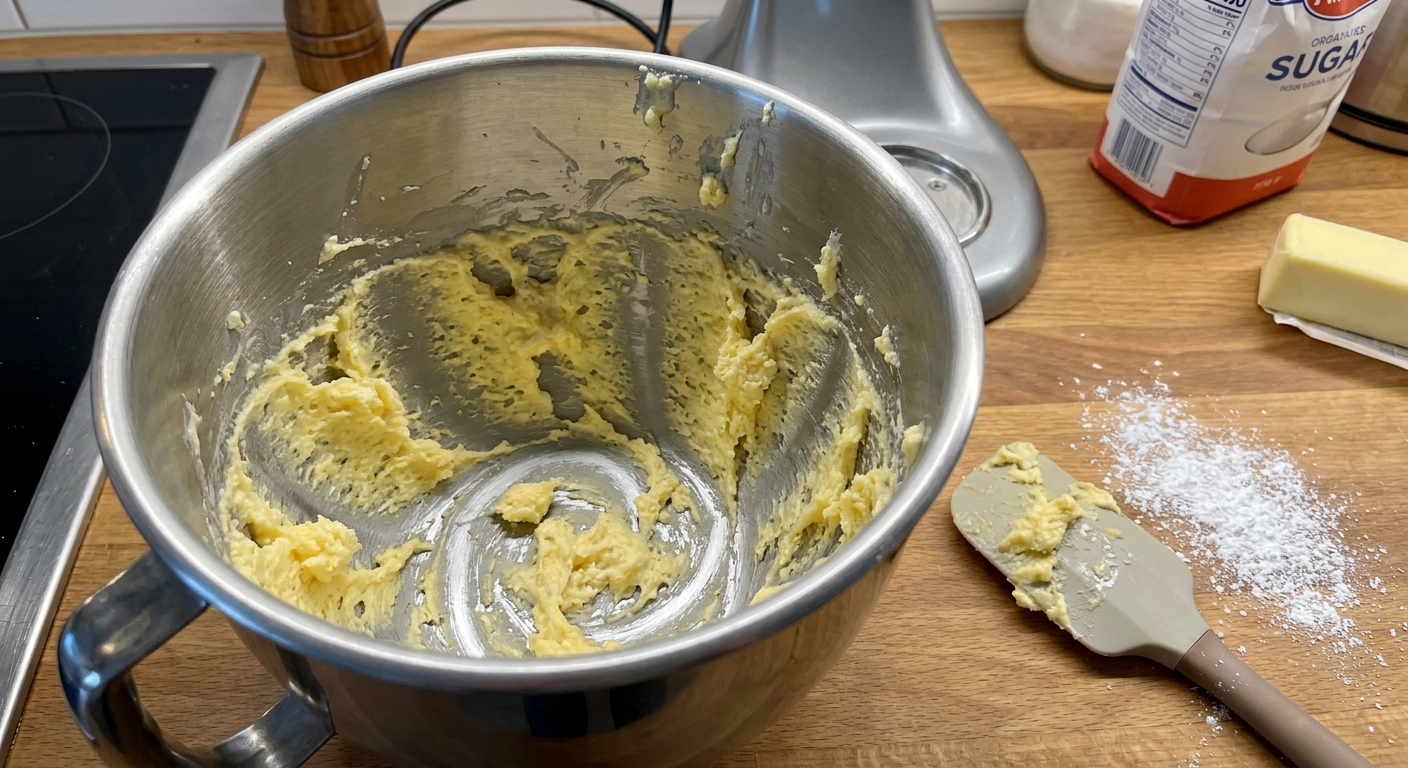
Two dialed-in chocolate chip cookie recipes plus the technique tweaks that control spread, chew, and crunch. Bake your ideal cookie every time.
recipes
Baking Soda vs. Baking Powder

Elena Martinez
Elena Martinez is a former bakery manager turned full-time food writer and recipe developer. With over a decade of experience translating professional culinary techniques into approachable home cooking, she believes that a great meal doesn't require a culinary degree or expensive ingredients.
Created September 21, 2026
Last updated September 21, 2026
If you have ever pulled a cake from the oven and thought, why is this so flat, or bitten into a muffin that tastes weirdly metallic or soapy, there is a good chance the culprit is hiding in your pantry: baking soda or baking powder.
I promise this is not just “baking trivia.” Once you understand what each one does, you can troubleshoot recipes, swap ingredients in a pinch, and get the texture you want every time. Let’s make leavening feel as normal as salting pasta water.
The quick difference
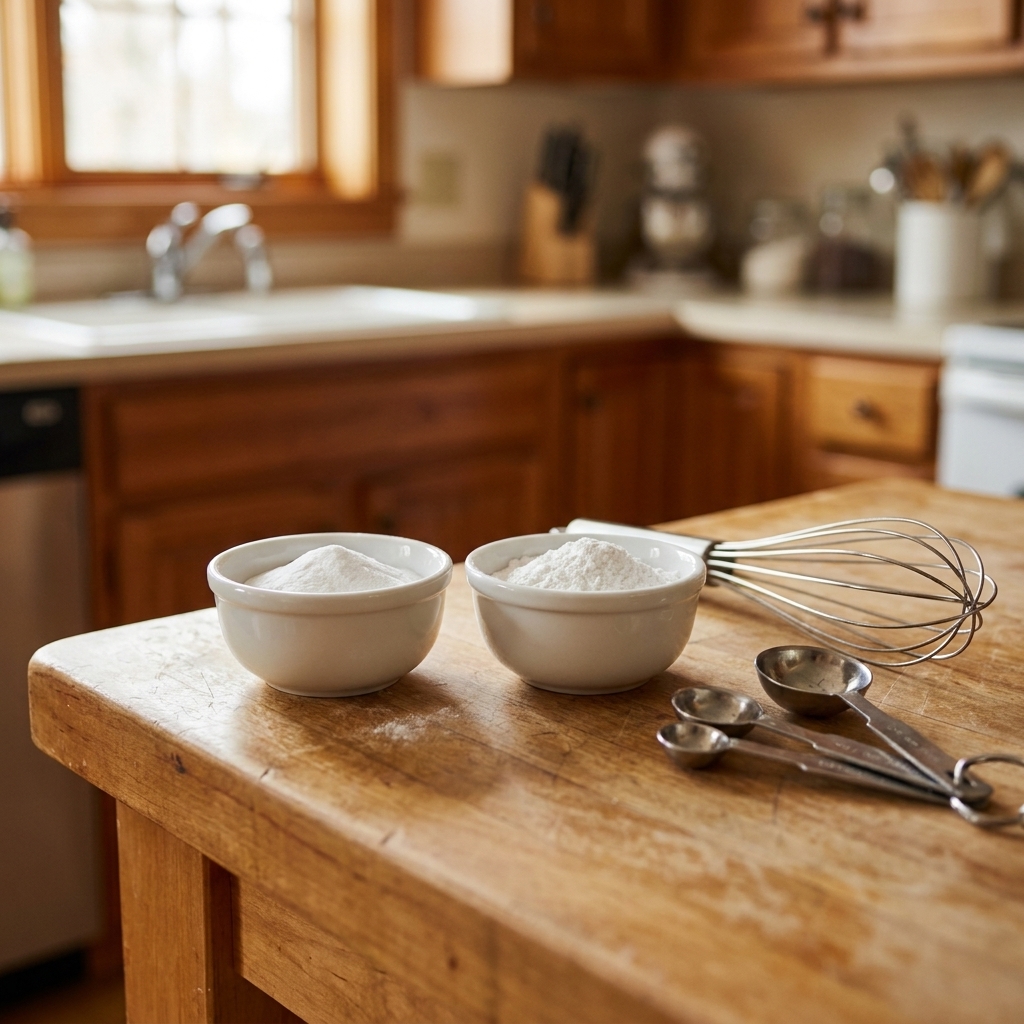
Baking soda is sodium bicarbonate, a base. In most baking, it creates lift when it reacts with an acid in the recipe, producing carbon dioxide bubbles that raise your batter or dough. (It can also create some gas with enough heat, but recipes usually rely on an acid for reliable, tasty results.)
Baking powder is a complete leavening system: it contains baking soda plus one or more powdered acids (and usually cornstarch to keep it dry). Add moisture and heat, and it makes gas on its own.
- Use baking soda when your recipe has an acid (like buttermilk, yogurt, lemon juice, vinegar, molasses, natural cocoa, sour cream).
- Use baking powder when your recipe is mostly neutral (like plain milk) or needs extra lift beyond what its existing acids can activate with baking soda alone.
How baking soda works
Baking soda wakes up the moment it meets moisture and an acid. The reaction produces carbon dioxide bubbles, and those bubbles expand in the oven, giving you lift.
Common acids that activate baking soda
- Buttermilk, yogurt, kefir, sour cream
- Lemon juice, lime juice, vinegar
- Molasses (and brown sugar, since it contains molasses, but it is a relatively mild contributor)
- Natural cocoa powder (not Dutch-processed)
- Cream of tartar
- Honey can be mildly acidic, but it is not usually strong enough to count on as the main activator
What happens if you use too much baking soda
If there is not enough acid to neutralize it, leftover baking soda can leave a soapy or bitter taste and encourage extra browning. It can also weaken structure, making cakes collapse after they rise.
Kitchen reassurance: If a recipe calls for baking soda, it is usually doing double duty: it helps with rise and it affects color and tenderness. That is why swapping it casually can change more than just fluffiness.
How baking powder works
Baking powder already includes the acid it needs. Most grocery-store baking powder is double-acting, meaning it releases gas in two stages:
- Stage 1: when it gets wet (mixing stage)
- Stage 2: when it gets hot (baking stage)
This is why recipes with baking powder are often a bit more forgiving if the batter sits for a few minutes. You still want to bake promptly, but you are not racing the clock quite as hard as you are with a baking-soda-and-acid combo.
About that metallic taste: Some baking powders contain aluminum-based acids (like sodium aluminum sulfate). They are safe, but some people notice a metallic or “tinny” note, especially if too much baking powder is used. If you are sensitive to that flavor, look for aluminum-free baking powder.
When a recipe uses both
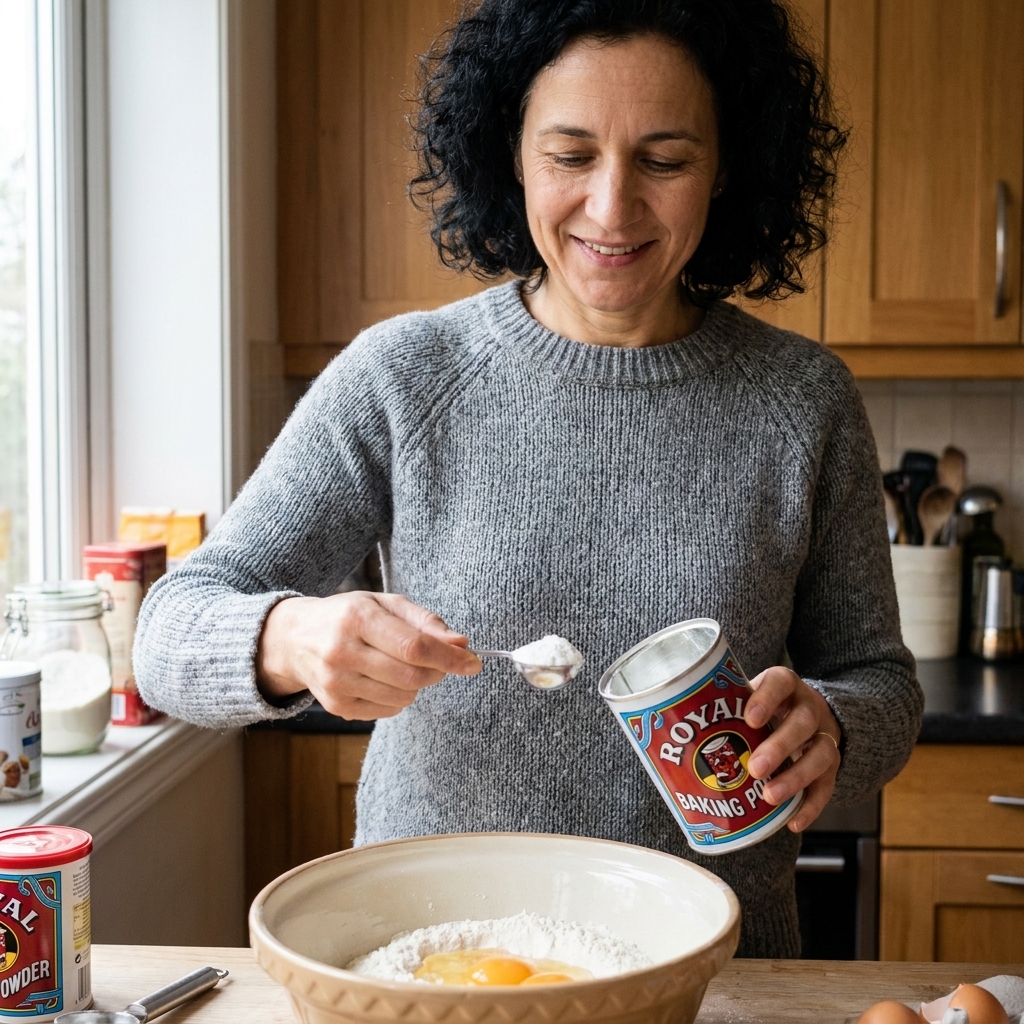
Some recipes call for baking soda and baking powder together. That is not redundancy, it is strategy.
- Baking soda helps neutralize and balance acids in the batter (and helps with browning and tenderness).
- Baking powder adds extra lift so the final texture is not dense.
You will often see this in pancakes, banana bread, and cakes made with buttermilk or yogurt. The acid is there for flavor and tenderness, the leaveners are there to make it rise the way you want.
Substitution rules
Substituting leaveners is absolutely possible, but it is not a straight 1:1 swap. Use these formulas as your reliable baseline.
If you do not have baking powder
To replace 1 teaspoon baking powder:
- 1/4 teaspoon baking soda + 1/2 teaspoon cream of tartar
- Optional: add 1/4 teaspoon cornstarch if you are making a batch ahead of time to prevent clumping
No cream of tartar? You can use an acid liquid instead, but it will change the recipe’s moisture and flavor. In a pinch, use:
- 1/4 teaspoon baking soda + 1/2 teaspoon lemon juice or vinegar (then reduce another liquid by the same amount, if you want. It is so small that in many recipes you can ignore it.)
If you do not have baking soda
To replace 1 teaspoon baking soda:
- 3 teaspoons baking powder
Heads up: This substitution adds extra acid and starch, and it can slightly affect flavor and texture. It works best in cakes and muffins. In cookies, it can lead to a more cake-like result.
Do not forget the balance
If the original recipe relies on baking soda to mellow acidic ingredients (buttermilk, yogurt, molasses, natural cocoa), swapping in only baking powder can change the acid and base balance. That can shift tang, browning, and overall flavor.
Quick note on where this works best
These swaps are most dependable in quick breads, cakes, muffins, and pancakes. Yeast breads and laminated pastries are different systems.
Common baking scenarios
Cookies
- Baking soda: spreads more, browns more, chewier edges (great for chocolate chip).
- Baking powder: puffs more, softer and cakier (nice for sugar cookies).
Cakes and cupcakes
- Buttermilk or yogurt cake: often both, for balance and lift.
- Vanilla cake with regular milk: often baking powder as the main leavener.
Banana bread and quick breads
Usually baking soda (bananas are mildly acidic) and sometimes baking powder too. If your quick bread domes nicely then sinks, check that your leavener is fresh and your oven temperature is accurate.
Pancakes and waffles
Buttermilk versions often use baking soda (and sometimes powder). Regular milk versions lean on baking powder.
Rule of thumb amounts
Recipes vary, but these guidelines can help you sanity-check a bake:
- Baking powder: about 1 teaspoon per 1 cup flour in many cakes and quick breads
- Baking soda: often 1/4 teaspoon per 1 cup flour when there is a meaningful acidic ingredient present
If your bake tastes soapy or looks overly browned, you may have too much baking soda. If it tastes a bit bitter or rises fast then collapses, you may have too much leavener overall.
How to tell if your leaveners are fresh
Leaveners are small but mighty, and they do expire. If you bake occasionally, this matters.
Test baking soda
- Put 1/2 teaspoon baking soda in a small bowl.
- Add a splash of vinegar or lemon juice.
- If it fizzes vigorously, it is good.
Test baking powder
- Put 1/2 teaspoon baking powder in a small bowl.
- Add a splash of hot water.
- If it bubbles actively right away, it is good.
Storage tip: Keep both tightly closed in a cool, dry cabinet. Humidity is the enemy, especially for baking powder.

Troubleshooting
Flat muffins or dense cake
- Leavener is old
- You forgot one of the leaveners
- Batter sat too long before baking (especially with baking soda and an acid)
- Overmixed batter knocked out bubbles or developed too much gluten
Bitter or soapy flavor
- Too much baking soda
- Not enough acid to balance the baking soda
Big tunnels or a coarse crumb
- Too much leavener (especially baking powder)
- Oven too hot, setting the outside before the inside can support the rise
Collapsed center
- Too much leavener caused over-rising, then falling
- Underbaked center
- Oven door opened too early
FAQ
Can I use baking soda instead of baking powder?
Only if you add an acid (like cream of tartar, lemon juice, or vinegar) to activate and balance it. Baking soda alone is less reliable in a neutral batter and can taste soapy.
Can I use baking powder instead of baking soda?
Sometimes. Use 3 teaspoons baking powder for every 1 teaspoon baking soda. Expect small texture changes, and remember the recipe’s flavor and browning may shift because you are changing the acid and base balance.
What is Dutch-processed cocoa, and why does it matter?
Dutch-processed cocoa is treated to be less acidic. Recipes with natural cocoa often pair with baking soda. Recipes with Dutch-processed cocoa more often use baking powder, unless another acid is present. (Some cocoas are lightly alkalized, so if in doubt, follow the recipe’s leavener cues.)
Is baking powder gluten-free?
Many brands are gluten-free, but some use starches that may vary by manufacturer. If you are baking for someone with celiac disease, check the label for gluten-free certification.
My simple rule
If your recipe has an obvious acid, baking soda probably belongs. If it does not, baking powder is the safer bet. And when a recipe uses both, it is usually trying to give you the best of each: balanced flavor plus reliable lift.
Next time you are staring at a recipe and second-guessing your pantry, come back to this page. Future you deserves tall muffins.