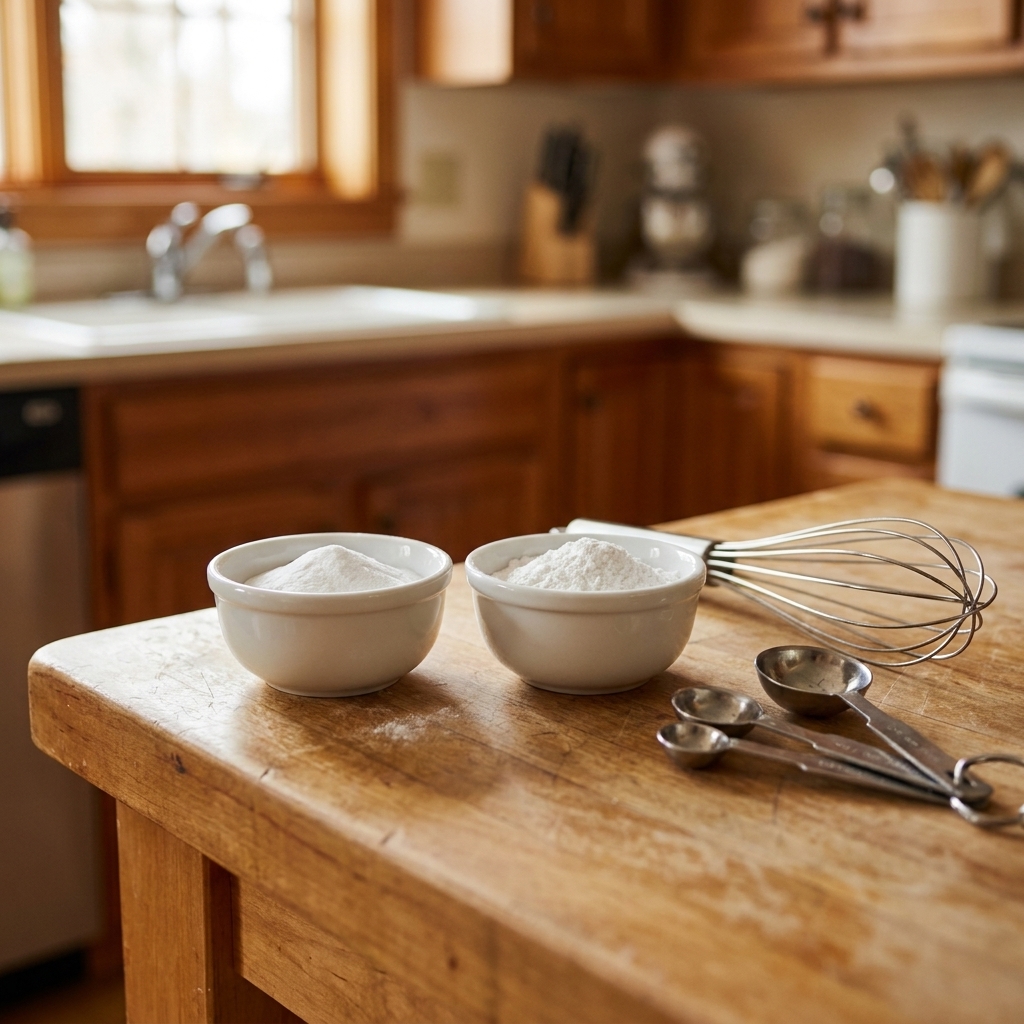
Learn the best plant-based swaps for eggs and dairy in baking, with exact ratios, when to use each substitute, and tips to keep cakes fluffy, cookies chewy, ...
recipes
Vegan Baking Substitutions for Eggs and Dairy

Elena Martinez
Elena Martinez is a former bakery manager turned full-time food writer and recipe developer. With over a decade of experience translating professional culinary techniques into approachable home cooking, she believes that a great meal doesn't require a culinary degree or expensive ingredients.
Created September 21, 2026
Last updated September 21, 2026
If you have ever stood in your kitchen holding a cookie recipe in one hand and a carton of oat milk in the other thinking, “Okay, but what do I do about the eggs?”, you are in the right place. Vegan baking is not about finding one magical swap. It is about understanding what eggs and dairy do in a recipe, then choosing the substitute that does that job best.
I managed a bakery for years, and the biggest confidence boost I can give you is this: most classic desserts can be veganized with ingredients you can find at a regular grocery store. You just need the right ratios and a few small technique tweaks.
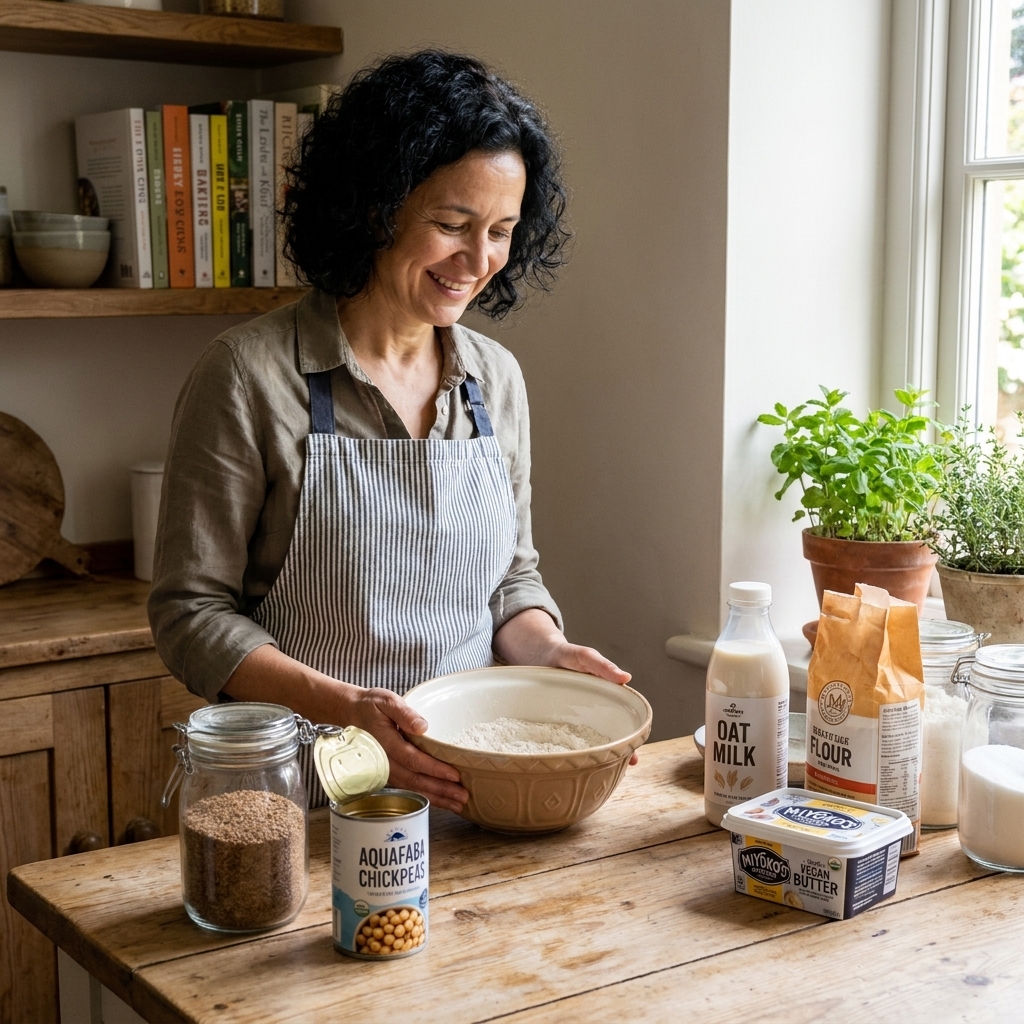
The quick science: what eggs and dairy do
Before we swap anything, let us name the roles. Ingredients are like little employees. If you replace a great manager with someone who only does half the job, the whole operation gets wobbly.
Eggs can provide
- Binding (holding cookies and muffins together)
- Structure (set and stability in cakes)
- Moisture and richness (fudgy brownies, tender crumb)
- Emulsification (helping fat and water mix smoothly, especially in cakes)
- Leavening (whipping egg whites for air, or eggs trapping bubbles)
Dairy can provide
- Fat (tenderness, flavor, that “bakery” mouthfeel)
- Water (hydration for flour and starches)
- Protein (structure and browning)
- Acid (buttermilk reacting with baking soda for lift)
- Milk solids (browning and caramel-y flavor)
Once you know which job matters most for your recipe, the substitutions stop feeling like guesswork.
Egg substitutes: pick by job
Think of egg replacers in three main lanes: gel binders, moisture boosters, and foam builders. Here is how I pick.
Flax egg (hearty binding)
Ratio: 1 tablespoon ground flaxseed + 3 tablespoons water = replaces 1 egg
Stir, let it sit 5 to 10 minutes until gelled, then use like a beaten egg. Flax is my weeknight hero for cookies, muffins, pancakes, and quick breads, especially anything with oats, whole wheat, chocolate, or spices. It adds a gentle nutty note.
- Best in: oatmeal cookies, banana bread, brownies (for chew), muffins
- Avoid in: very light vanilla cakes where you want a super pale, fluffy crumb
- Tip: Flax can slightly darken the crumb. Use fresh ground flax if you can. Old flax can taste bitter.
Chia egg (strong gel binder)
Ratio: 1 tablespoon chia seeds (ground or whole) + 3 tablespoons water = 1 egg
Chia gels strongly and can be fantastic in thicker batters like muffins and dense cakes. Whole chia gives a speckled look, which is not a problem in chocolate bakes but shows in vanilla.
- Tip: For smoother texture, grind chia first. Like flax, it can make bakes a touch more rustic.
Applesauce (moisture and tenderness)
Ratio: 1/4 cup unsweetened applesauce = 1 egg
Applesauce adds moisture and a soft crumb, but it does not build much structure. I love it in snack cakes, muffins, and brownies where a little fudginess is welcome.
- Best in: spice cake, pumpkin bread, brownies, muffins
- Watch out: Too much can make a bake gummy or slightly dense.
- Tip: It adds a little natural sweetness, so keep an eye on your sugar if you are stacking sweet ingredients.
Mashed banana (moisture plus flavor)
Ratio: 1/4 cup mashed ripe banana = 1 egg
Banana is wonderful for moisture and tenderness, and it can help hold things together a bit. But it brings a clear banana flavor. Use it when that is a feature, not a surprise.
- Best in: pancakes, muffins, chocolate chip breakfast cookies
- Not ideal for: lemon bars, vanilla cupcakes, anything delicate
Silken tofu (dense, creamy structure)
Ratio: 1/4 cup blended silken tofu = 1 egg
Silken tofu is one of my favorite “quiet” swaps because it adds body without much flavor. It is especially helpful in dense cakes, brownies, cheesecake-like bars, and quick breads.
- Tip: Blend until completely smooth so you do not get tofu pockets in the crumb.
Aquafaba (lift and lightness)
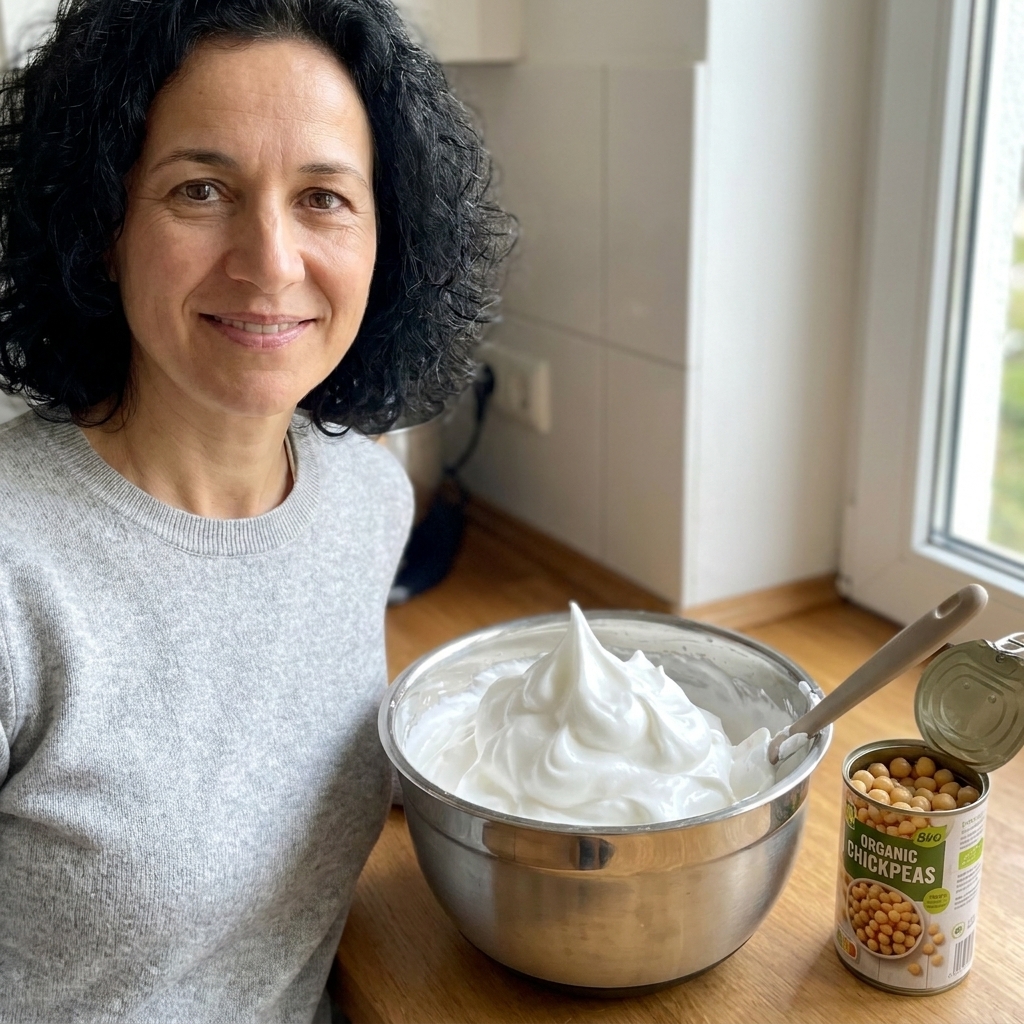
Aquafaba is the liquid from a can of chickpeas. It whips like egg whites and can also stand in for whole eggs in many recipes, especially when the egg is doing more air and binding than yolk-rich emulsifying.
- For whole eggs (starting point): 3 tablespoons aquafaba = 1 egg
- For egg whites (starting point): 2 tablespoons aquafaba = 1 egg white
Best in: meringue, mousse, marshmallow fluff, and spongy cakes that need air. If you are aiming for a lighter cupcake, aquafaba is your friend.
Not a match for: custards and recipes that rely heavily on yolks for richness and thickening.
Tip: Whip it with a pinch of cream of tartar or a few drops of lemon juice for stability. Some bakers also get better volume with chilled aquafaba. If yours seems thin, try simmering it briefly to reduce, then cool before whipping.
Dairy substitutes: milk, butter, and cultured swaps
Most dairy swaps are wonderfully straightforward. The main trick is choosing the plant milk or fat that matches the recipe’s needs.
Milk: plant milk for plant milk
Easy rule: Replace dairy milk 1:1 with a plant milk.
My go-to is unsweetened soy milk for baking because the protein content helps with structure and browning. Oat milk adds sweetness and tenderness. Almond milk is lighter and can bake up a touch less golden.
- Best all-purpose: unsweetened soy milk
- Best for tender crumb: oat milk
- Best for neutral flavor: unsweetened almond or cashew milk
Buttermilk: soured plant milk
Buttermilk is about acid. That acid reacts with baking soda for lift and tenderness. A quick soured plant milk mimics the acidity, even though it will not have the exact cultured flavor or thickness of traditional buttermilk.
Ratio: 1 cup plant milk + 1 tablespoon lemon juice or vinegar. Let sit 5 minutes.
Use this for vegan pancakes, biscuits, cakes, and muffins where the original recipe calls for buttermilk.
Butter: vegan butter, coconut oil, or neutral oil
Butter brings fat, flavor, and sometimes air (when creamed with sugar). Your best swap depends on the dessert. When it matters, weigh your ingredients for the most consistent results.
- Vegan butter (sticks): Best 1:1 swap for most cookies, cakes, frostings, and pie crusts. Sticks are often closer to dairy butter in fat and water balance than tubs, but it varies by brand.
- Refined coconut oil: Great for crisp cookies and bars. Since coconut oil is essentially 100% fat (and butter contains water), it works best in recipes where butter is melted and the water content is not critical. If you are swapping for melted butter, start with slightly less by weight (about 80 to 90% of the butter weight) and adjust if needed.
- Neutral oil (canola, avocado, sunflower): Excellent for moist quick breads, muffins, and snack cakes. Replace melted butter 1:1 by volume, but you will not get the same “creamed” lift.
Heavy cream: coconut cream or cashew cream
- Coconut cream: Thick, whippable, perfect for ganache and whipped topping. It can add a mild coconut note.
- Cashew cream: Neutral and rich. Blend soaked cashews with water until silky. Great for creamy fillings and cheesecake-style bakes.
Yogurt and sour cream: plant yogurt
Swap 1:1 with an unsweetened, plain plant-based yogurt. This adds moisture, tenderness, and a bit of tang, which can be magic in coffee cake and muffins.
Tip: If your yogurt is very thick, whisk in a teaspoon or two of plant milk to match the texture your recipe expects.
Commercial egg replacer (easy button for cakes)
If you want the most consistent results in cakes and cupcakes, a commercial egg replacer can be a great helper. Use it according to the package, but many work roughly like 1 to 2 teaspoons of powder mixed with water to replace 1 egg.

Best swaps by dessert
If you want a simple starting point, here is what usually works on the first try.
Cakes and cupcakes
- Eggs: Aquafaba for lift, or a commercial egg replacer for a fluffy crumb. Flax works for sturdier cakes like carrot or spice.
- Milk: Unsweetened soy or oat milk 1:1.
- Butter: Vegan butter sticks for creaming, or neutral oil for easy one-bowl cakes.
Cookies
- Eggs: Flax egg for chewy cookies. Applesauce for softer cookies (use sparingly).
- Butter: Vegan butter sticks for classic spread and flavor. Coconut oil for crisp edges.
Brownies and bars
- Eggs: Flax or chia for structure, applesauce for extra fudginess, or silken tofu for dense, creamy body.
- Butter: Vegan butter or coconut oil.
- Bonus trick: A tablespoon or two of plant yogurt can improve chew and richness.
Muffins and quick breads
- Eggs: Flax, chia, applesauce, mashed banana, or silken tofu depending on flavor and texture.
- Dairy: Any plant milk 1:1, or soured plant milk if you want extra lift.
Tricky recipes (and what to do)
Most bakes are friendly to swaps. A few classics are simply more egg-dependent, so they may need a different strategy.
- Custards and pastry cream: Use a vegan custard base thickened with cornstarch (and often enriched with coconut milk or vegan butter). For a more set custard, a small amount of agar can help.
- Angel food cake: Very challenging because it is basically whipped egg whites. Consider baking a vegan sponge cake instead, or use an aquafaba-based recipe developed specifically for it.
- Pâte à choux (cream puffs, eclairs): Also tricky. Look for a tested vegan choux recipe rather than swapping eggs in a classic formula.
Troubleshooting
Every substitution has a personality. If your first batch is not perfect, you are not bad at baking. You are gathering data.
My cake is dense
- Swap applesauce or banana for aquafaba or a commercial egg replacer next time.
- Make sure your baking powder and baking soda are fresh.
- If using vegan butter, cream it with sugar long enough to get it fluffy, usually 2 to 4 minutes.
My cookies spread too much
- Chill the dough 30 to 60 minutes.
- Use vegan butter sticks instead of tub spread (tubs are often higher water, but it depends on the brand).
- Try a flax egg instead of applesauce for better structure.
My muffins are gummy
- Too much fruit puree can do this. Use one egg replacement method, not multiple at once.
- Measure flour by spooning into the cup and leveling, or use a scale.
- Do not overmix. Stir just until you do not see dry flour.
It tastes a little flat
- Add a small pinch more salt. Vegan baking often needs it for balance.
- Use vanilla extract, citrus zest, espresso powder, or spices to boost aroma.
- If you miss buttery flavor, choose a higher-quality vegan butter. (Save nutritional yeast for savory bakes, not sweets.)
My starter pantry
You do not need to buy everything at once. If you bake even a couple of times a month, these are the ingredients that earn their shelf space in my kitchen.
- Ground flaxseed (store in the freezer for freshness)
- Unsweetened soy milk (or your favorite plant milk)
- Vegan butter sticks
- Plain, unsweetened plant yogurt
- Canned chickpeas (hello, aquafaba)
- Lemons or apple cider vinegar (for quick vegan buttermilk)
- Baking powder and baking soda (fresh matters)
- Silken tofu (shelf-stable cartons are convenient)
FAQ
Can I use flax eggs in any recipe?
Flax eggs are best when the egg’s main job is binding, not whipping. Use them confidently in cookies, muffins, pancakes, brownies, and quick breads. For airy sponge cakes or meringues, reach for aquafaba instead.
What is the best plant milk for baking?
Unsweetened soy milk is the most reliable for structure and browning. Oat milk is wonderful for tenderness and a slightly sweeter taste. Almond milk works too, especially when you want a lighter flavor, but it may brown a bit less.
Do I need a commercial egg replacer?
No, but it can be helpful for cakes and cupcakes where you want a consistent, fluffy crumb. For everyday baking, flax, chia, applesauce, aquafaba, and silken tofu cover a lot of ground.
Why did my vegan cake not rise?
Usually it is one of three things: old leaveners, not enough acid to activate baking soda (if the recipe relies on it), or using a heavy egg substitute like fruit puree in a cake that needs lift. Try soured plant milk and aquafaba (or a commercial egg replacer) next time.
A simple game plan
If you are converting a dessert you love, do it in two passes.
- Pass 1: Swap dairy first (plant milk 1:1, vegan butter sticks 1:1). Bake it and see how it behaves.
- Pass 2: Choose an egg substitute based on the dessert’s goal: flax for chew, applesauce for moisture, aquafaba for lift, silken tofu for dense creaminess.
And if you want my most practical advice: take notes. Write down what you used and how it turned out. That tiny habit is how you go from “experimenting” to having a truly foolproof vegan version you can share.