Former bakery manager turned recipe developer, Elena Martinez shares warm, foolproof recipes with practical tips, flexible swaps, and the why behind each tec...
recipes
Perfect Chocolate Chip Cookies: Chewy vs Crispy

Elena Martinez
Elena Martinez is a former bakery manager turned full-time food writer and recipe developer. With over a decade of experience translating professional culinary techniques into approachable home cooking, she believes that a great meal doesn't require a culinary degree or expensive ingredients.
Created September 21, 2026
Last updated September 21, 2026
If you have ever pulled a tray of chocolate chip cookies from the oven and thought, “Why are these puffy when I wanted thin?” or “Why did my chewy cookies turn cakey?” you are not alone. Cookie texture is not luck. It is a handful of tiny choices that add up: which sugar you use, how much flour you add, how warm your butter is, how you mix, and how long you bake.
Below are two dependable recipes, one for soft and chewy, one for thin and crispy, plus the exact “why” behind each choice so you can confidently tweak to match your dream cookie.
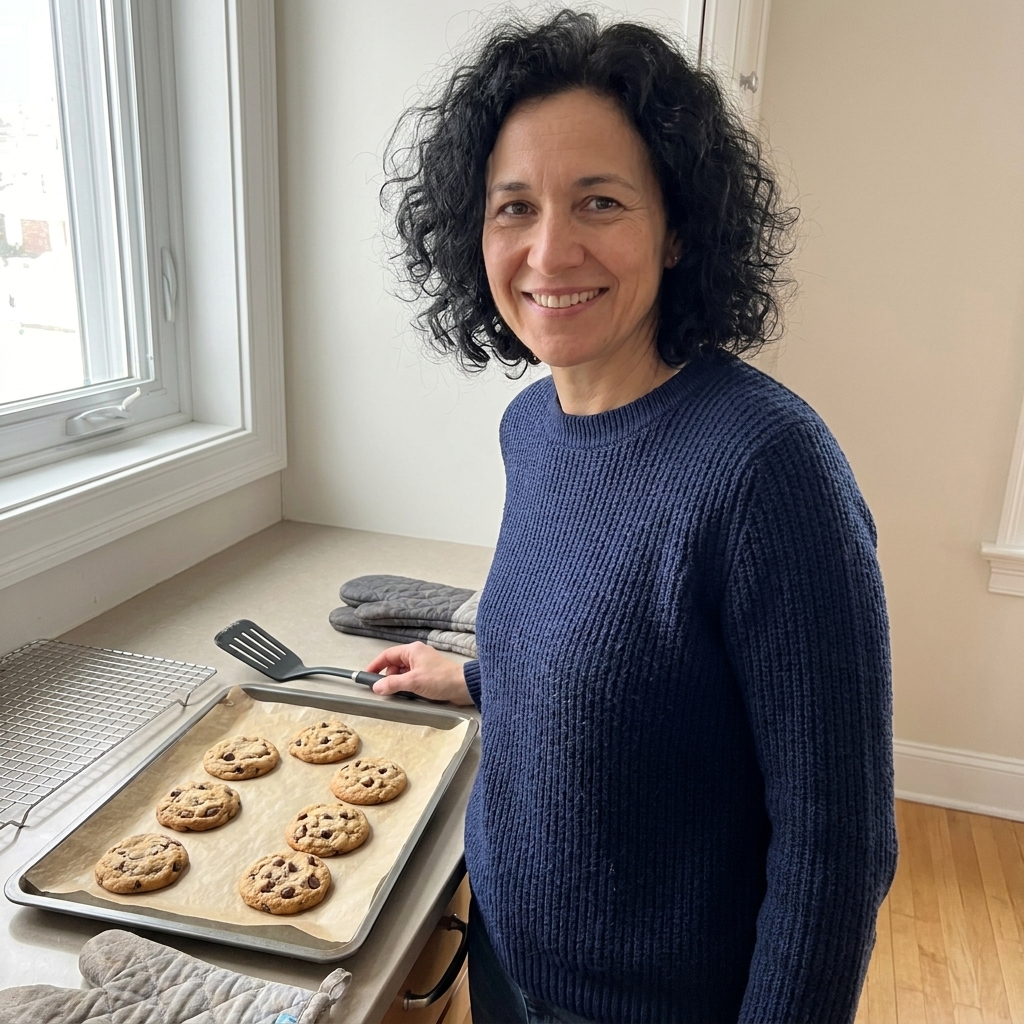
Chewy vs crispy: what changes
Think of cookie texture as a balance between moisture, spread, and structure.
- Moisture comes from butter, eggs, and especially brown sugar (it holds onto water). More moisture plus slightly underbaking equals chewy.
- Spread is driven by dough temperature, sugar type, and how quickly the fat melts before the cookie sets. More spread makes cookies thinner, which reads as crisp.
- Structure comes from flour, eggs, leaveners, and how much you mix. More structure pushes you toward thicker cookies, and if you overdo it, cakey.
The texture levers
Sugar: brown for chew, white for crisp
Brown sugar (especially dark brown) contains molasses, which adds flavor and moisture retention. That moisture keeps the center tender and chewy.
Granulated sugar encourages spreading and dries out faster in the oven, giving you a snappier, crisper edge.
Butter: melted for dense chew, creamed for lift
Melted butter reduces air incorporation and makes a looser dough, which tends to bake up denser and chewier. Because the dough is softer, chilling helps control spread.
Softened butter (cool room temperature) can be creamed with sugar to trap air, which tends to give a lighter, slightly puffier cookie. Whether that cookie spreads a lot depends more on dough temperature, sugar ratio, flour amount, and your oven heat than on creaming alone.
Flour: an easy way to go cakey
Too much flour is one of the most common reasons cookies turn thick and bready. If you can, use a scale. If you cannot, fluff, spoon, and level your flour, do not scoop straight from the bag.
Eggs: yolk adds chew, whites set firm
Egg yolks add fat and emulsifiers, which translates to richness and chew. Extra egg white adds protein and water, which can make cookies set firmer and bake up drier, especially with longer bakes and higher sugar.
Leaveners: soda spreads, powder puffs
Baking soda promotes spread and browning, and it pairs especially well with brown sugar. Baking powder adds more lift and can push cookies toward puffier and more cake-like. If your cookies keep coming out domed and bready, check that you did not accidentally use baking powder or too much leavener.
Bake time: underbake for chew
Chewy cookies should look a little underdone in the center when you pull them. They finish setting on the hot pan.
Crispy cookies should be baked until they are evenly golden, especially at the edges, so more moisture evaporates.
Recipe 1: Soft and chewy
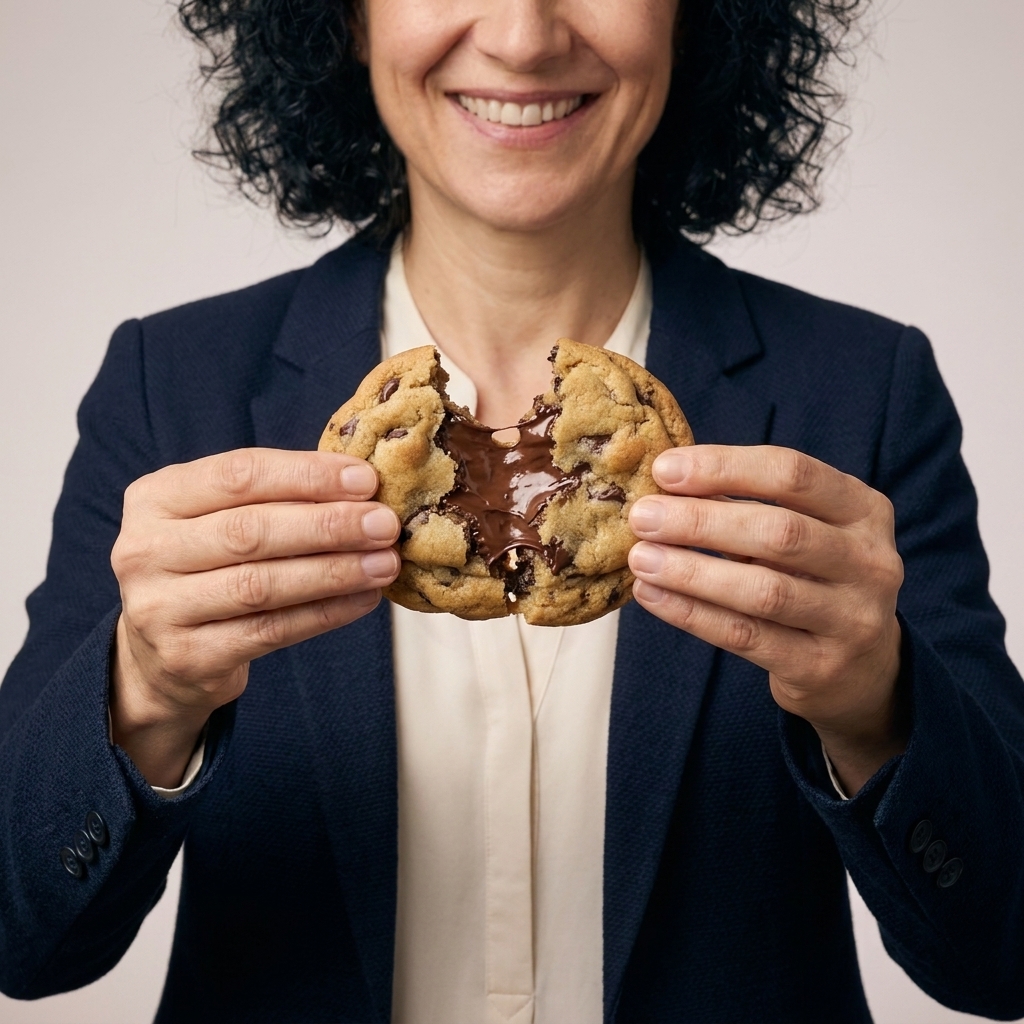
These are my “bakery manager” cookies: thick-ish, bendy at the edges, and gooey in the middle with puddles of chocolate. The dough is forgiving, but the two keys are melted butter and chilling.
Ingredients (makes about 18 cookies)
- 170 g (3/4 cup) unsalted butter, melted and cooled until warm, not hot (about 5 to 10 minutes)
- 200 g (1 cup packed) light or dark brown sugar
- 50 g (1/4 cup) granulated sugar
- 1 large egg + 1 large egg yolk
- 2 tsp vanilla extract
- 250 g (2 cups) all-purpose flour
- 1/2 tsp baking soda
- 3/4 tsp kosher salt (or 1/2 tsp fine salt)
- 225 g (1 1/4 cups) chocolate chips or chopped chocolate (or a mix)
- Optional: 1/2 cup toasted walnuts or pecans
Method
- Mix wet. In a large bowl, whisk melted butter, brown sugar, and granulated sugar until glossy. Whisk in egg, yolk, and vanilla.
- Add dry. Sprinkle flour, baking soda, and salt over the bowl. Switch to a spatula and fold until you no longer see dry flour.
- Stir in chocolate. Fold in chips and any nuts. If you want a prettier top, reserve a small handful of chocolate to press in after baking.
- Chill. Cover and refrigerate at least 1 hour (2 hours is even better). This prevents overspreading and improves flavor.
- Heat oven. Preheat to 350°F (175°C). Line 2 baking sheets with parchment.
- Scoop. Portion 2-tablespoon mounds (about 40 g each). Leave 2 to 3 inches between cookies.
- Bake. 10 to 12 minutes, until edges are set and lightly golden but centers look soft and slightly underbaked.
- Cool smart. Let cookies rest on the pan 5 minutes, then transfer to a rack. They will firm up as they cool.
Chewy cookie cue: When you nudge the pan, the centers should look a little puffy and soft, not wet, and the edges should be clearly set.
Why this works
- Mostly brown sugar keeps moisture in the dough.
- Extra yolk adds richness and chew.
- Chilling gives flour time to hydrate and keeps cookies from spreading thin.
Recipe 2: Thin and crispy
If you love a cookie that snaps at the edge and stays crisp all the way through, this one is for you. The dough uses more white sugar, is portioned smaller, and bakes longer at a slightly higher heat.
Ingredients (makes about 22 cookies)
- 170 g (3/4 cup) unsalted butter, softened to cool room temperature
- 200 g (1 cup) granulated sugar
- 75 g (1/3 cup packed) light brown sugar
- 1 large egg
- 2 tsp vanilla extract
- 235 g (about 1 3/4 cups + 2 tbsp) all-purpose flour
- 1/2 tsp baking soda
- 3/4 tsp kosher salt (or 1/2 tsp fine salt)
- 2 tbsp milk (helps the dough come together while still baking up crisp)
- 225 g (1 1/4 cups) chocolate chips (mini chips are extra good for even distribution)
Method
- Cream. Beat butter, granulated sugar, and brown sugar until light and fluffy, 2 to 3 minutes.
- Add egg and vanilla. Beat until smooth, scraping the bowl.
- Add dry. Mix in flour, baking soda, and salt just until combined.
- Finish dough. Mix in milk until fully incorporated, then fold in chocolate chips. If you want that bakery look, reserve a few chips to press on top right after baking.
- Heat oven. Preheat to 375°F (190°C). Line baking sheets with parchment.
- Scoop smaller. Portion 1 to 1 1/2 tablespoon balls (about 25 to 30 g). Leave plenty of space, these spread.
- Bake longer. 10 to 13 minutes, until evenly deep golden brown at the edges and golden across the center.
- Cool completely. Let sit on the pan 5 minutes, then move to a rack. They crisp as they cool, so give them time.
Crispy cookie cue: The whole cookie should look more uniformly golden, not pale in the center. Pale centers usually mean “will soften.”
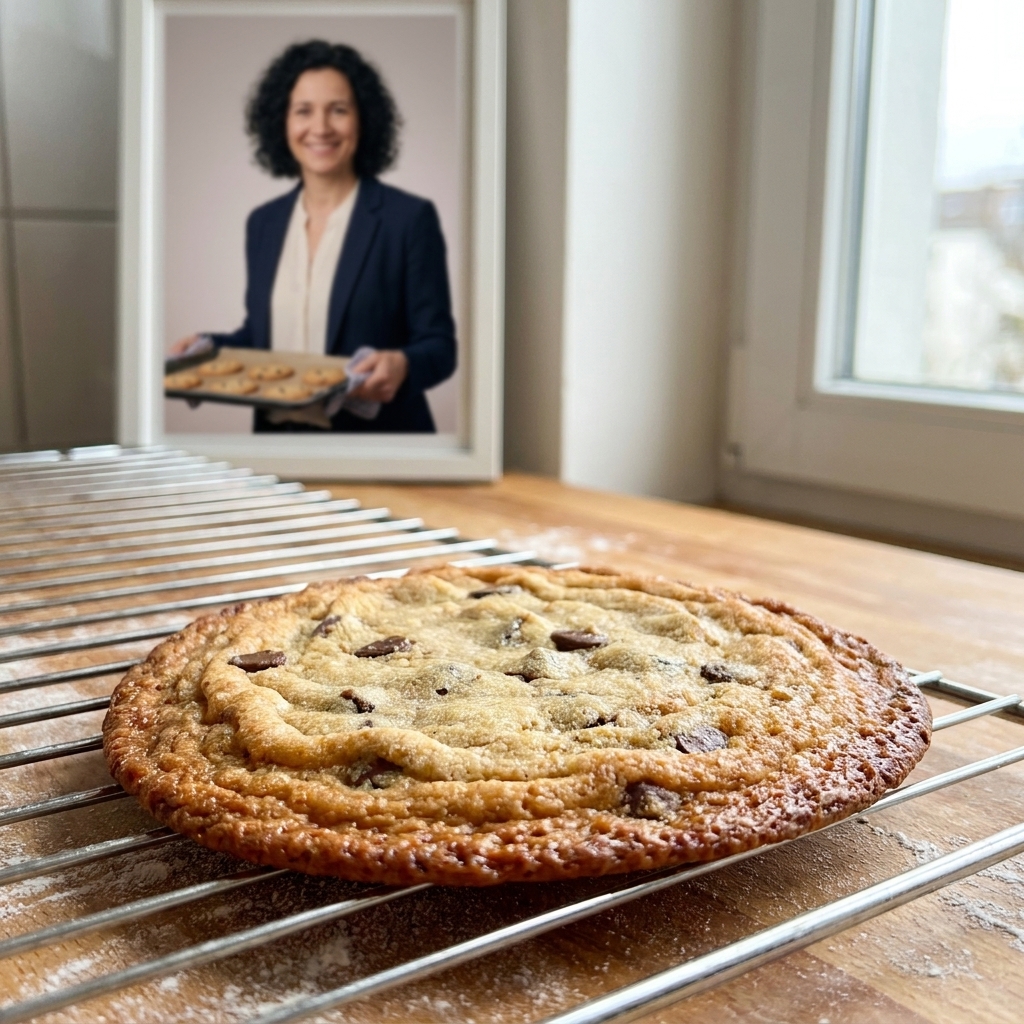
Why this works
- More granulated sugar encourages spread and crispness.
- Slightly less flour prevents a thick, bready texture.
- Longer bake drives off moisture for a snappy finish.
Mixing and baking tips
Use parchment, not a greased pan
Greased pans can make cookies spread too much and can lead to fried, greasy edges. Parchment gives controlled spread and easy release.
Cool your baking sheets
A warm sheet pan can make the next batch spread fast before the edges set. If you are baking multiple rounds, let pans cool to room temperature between batches, or keep a second set of sheets to rotate.
One tray at a time if you can
For the most consistent results, bake one sheet on the center rack. If you bake two at once, rotate and swap racks halfway through.
Let the oven fully preheat
Cookies are sensitive to starting temperature. A not-quite-hot oven often causes extra spread before the edges set.
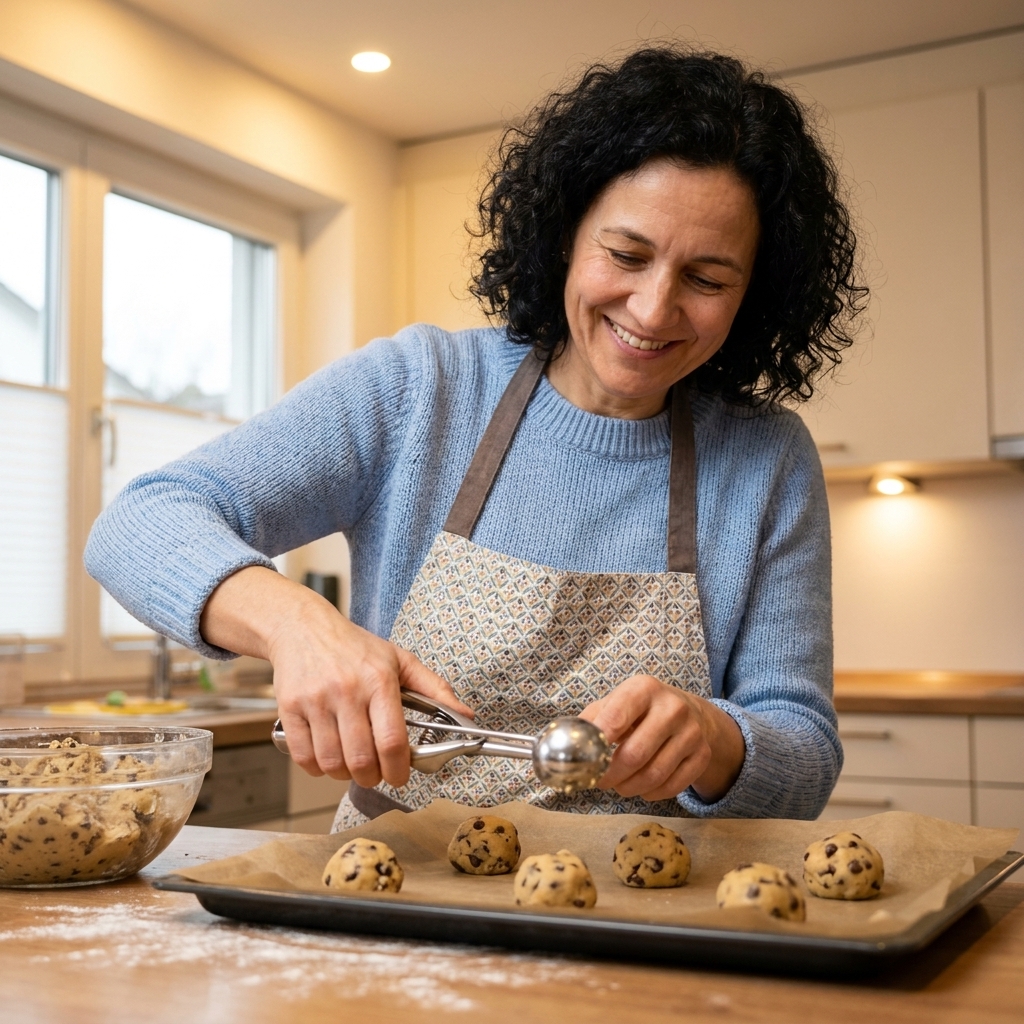
Size consistency = texture consistency
If some scoops are larger, they will bake up thicker and softer while smaller ones get crisp. A cookie scoop is not required, but it helps.
Salt is not optional
Salt sharpens chocolate flavor and keeps cookies from tasting one-note sweet. If you love that bakery finish, sprinkle a pinch of flaky salt on top right after baking.
Troubleshooting
- My cookies spread too much: Dough too warm, butter too soft, warm sheet pan, or oven not hot enough. Chill dough 30 to 60 minutes, cool your baking sheet between batches, confirm oven temp, and use parchment.
- My cookies are thick and cakey: Often too much flour, too much mixing after adding flour, or too much leavener. Weigh flour if possible, mix just until combined, and double-check your baking soda measurement.
- My cookies are dry: Overbaked, too much flour, or not enough brown sugar for a chewy style. Pull them earlier and measure flour carefully.
- My cookies are crisp at first, then go soft: They were underbaked, cooled in a steamy pile, or stored while still warm. Bake a shade darker and cool completely before storing.
- My cookies browned too fast: Dark pan or oven running hot. Lower oven by 25°F and consider a lighter colored sheet pan.
Make-ahead and storage
Chill dough for better flavor
Both doughs benefit from a rest. Even 1 hour helps, and overnight is fantastic for deeper caramel notes.
Freeze dough balls
Scoop dough onto a sheet, freeze until firm, then transfer to a freezer bag. Bake from frozen, adding 1 to 3 minutes.
Store baked cookies
- Chewy cookies: Store airtight with a slice of bread for softness (swap bread after a day).
- Crispy cookies: Let them cool completely, then store in a container that will not trap moisture. In dry climates, that can mean a slightly loose lid. In humid kitchens, go airtight and add something to absorb moisture (a small piece of paper towel works) to help them stay snappy.
FAQ
Can I use bread flour for extra chew?
Yes, in small amounts. Swap up to 1/2 cup (about 60 g) of the all-purpose flour for bread flour in the chewy recipe for a slightly sturdier chew. Too much can make cookies tough.
Can I make these without a mixer?
Absolutely. The chewy recipe is especially friendly with just a bowl and whisk. For the crispy recipe, use a sturdy spoon and a little elbow grease when creaming.
Why do my chocolate chips sink or clump?
Very warm dough can let chips slide around. If your dough feels loose, chill 20 to 30 minutes before scooping. Chopped chocolate also distributes more evenly than large chips.
How do I get prettier cookies?
Right after baking, press a few extra chips into the tops. For rounder cookies, use a spoon to gently “scoot” the warm cookies into a circle while they are still soft on the pan.
Your perfect cookie is specific
If you love a bendy, gooey center, bake the chewy batch and pull them when they look just a touch underdone. If you want that thin, golden snap, let the crispy batch go a little longer and cool fully before you judge.
And if you are somewhere in the middle, start with the chewy recipe and swap 2 to 3 tablespoons of brown sugar for granulated sugar. Cookie physics is surprisingly forgiving when you understand the knobs you are turning.