If you have ever followed a pancake recipe perfectly and still ended up with a stack that eats more like crepes, I promise you are not alone. Pancakes can be surprisingly fussy, and the tiniest tweaks make a big difference. One of my favorite small-but-mighty fixes is what I call the baking soda trick : add a little baking soda only when your batter has a truly acidic ingredient (or you add one on purpose). That one detail is what takes pancakes from “fine” to fluffy.
This is the kind of kitchen move I learned managing a bakery: you do not need extra steps or expensive ingredients. You just need to understand what baking soda is looking for, and give it the right partner.

What the baking soda trick is
The trick is simple:
- Use baking soda when your batter includes a real acid (buttermilk, yogurt, kefir, sour cream, lemon juice, vinegar, sourdough discard, molasses, or cocoa powder labeled natural).
- Use just enough to react with some of that acid and create carbon dioxide bubbles, without leaving excess baking soda behind.
- Mix gently, then do not wait too long. Overmixing can knock out structure, and letting the batter sit too long gives the gas time to escape.
If your recipe already includes baking soda, the “trick” is often adjusting how you handle the batter: mix lightly, rest briefly, then cook while the reaction is still lively.
Why it makes pancakes fluffy
Baking soda is sodium bicarbonate, a base. When it meets an acid plus moisture, it reacts and releases carbon dioxide gas. Those gas bubbles get trapped in the batter, and when heat hits the pan, the bubbles expand. That expansion is lift, and lift is fluff.
Baking powder also creates lift, but it carries its own acid (and usually reacts twice: once when wet, again when heated). Baking soda is different. It needs your batter to provide the acid, and when you get that match right, it is powerful.
Think of baking soda as the social friend who needs a plus-one. Pair it with an acid, and it shows up with balloons.
How much baking soda to use
The right amount depends on how acidic your batter is, plus how much baking powder is in the mix and how tangy you want the final pancake. Use these as practical starting points, not unbreakable laws.
Reliable starting points
- For every 1 cup (240 ml) buttermilk or yogurt: start with 1/4 teaspoon baking soda.
- For extra-thick cultured dairy batters (very thick yogurt, sour cream, or a batter that also includes sourdough discard): you may prefer up to 3/8 teaspoon per cup.
If your recipe has both baking powder and baking soda, that is normal. The baking powder provides dependable lift, and the baking soda reacts with the acid for extra height and helps browning. It can also make pancakes feel more tender when used in the right amount, but too much turns the texture coarse and the flavor soapy, so keep it measured.
If you are converting a “milk pancake” recipe
Here is a practical swap that works beautifully:
- Replace the milk with buttermilk (or milk soured with lemon or vinegar).
- Add 1/4 teaspoon baking soda per cup of liquid.
- Keep the baking powder the same to start, then adjust next time if needed.
Tip from my test kitchen brain: If your pancakes taste even faintly soapy or bitter, that is usually too much baking soda or not enough acid. Scale back by 1/8 teaspoon next time.
Best acids to pair with baking soda
You have options. Use what you already have, because pancakes should be friendly like that.
Most reliable choices
- Buttermilk: classic tang, tender crumb, reliable reaction.
- Plain yogurt or kefir: thick batter that cooks up extra plush.
- Sour cream: rich and thick, great for “diner-style” pancakes.
- Sourdough discard: gentle tang plus gorgeous browning.
- Natural cocoa powder: acidic, so it pairs well with baking soda. (If your cocoa is Dutch-process, it is alkalized and usually behaves better with baking powder.)
In-a-pinch acids
- Milk + lemon juice or vinegar: Use 1 tablespoon acid per 1 cup milk, let sit 5 minutes.
- Molasses: can contribute acidity, but it is not as consistent as cultured dairy. Consider it a helper, not the main plan.
Worth a quick note
- Brown sugar: not reliably acidic on its own. Even though it contains molasses, it is not a dependable baking soda activator in typical pancake amounts.
- Applesauce or mashed banana: may contribute a little acidity, but it varies and is usually mild. Do not count on it as your only “acid” for baking soda.
Timing: mix and cook
This is the part most people miss. Once baking soda meets acid, the bubbles start forming right away. If you let the batter sit too long, those bubbles can escape, and you lose some lift.
A short rest is still your friend. Just do not park the batter for 30 minutes and expect the same rise.
My calm-morning method
- Preheat your pan or griddle first. Medium to medium-low is your friend.
- Mix dry ingredients in one bowl, wet in another.
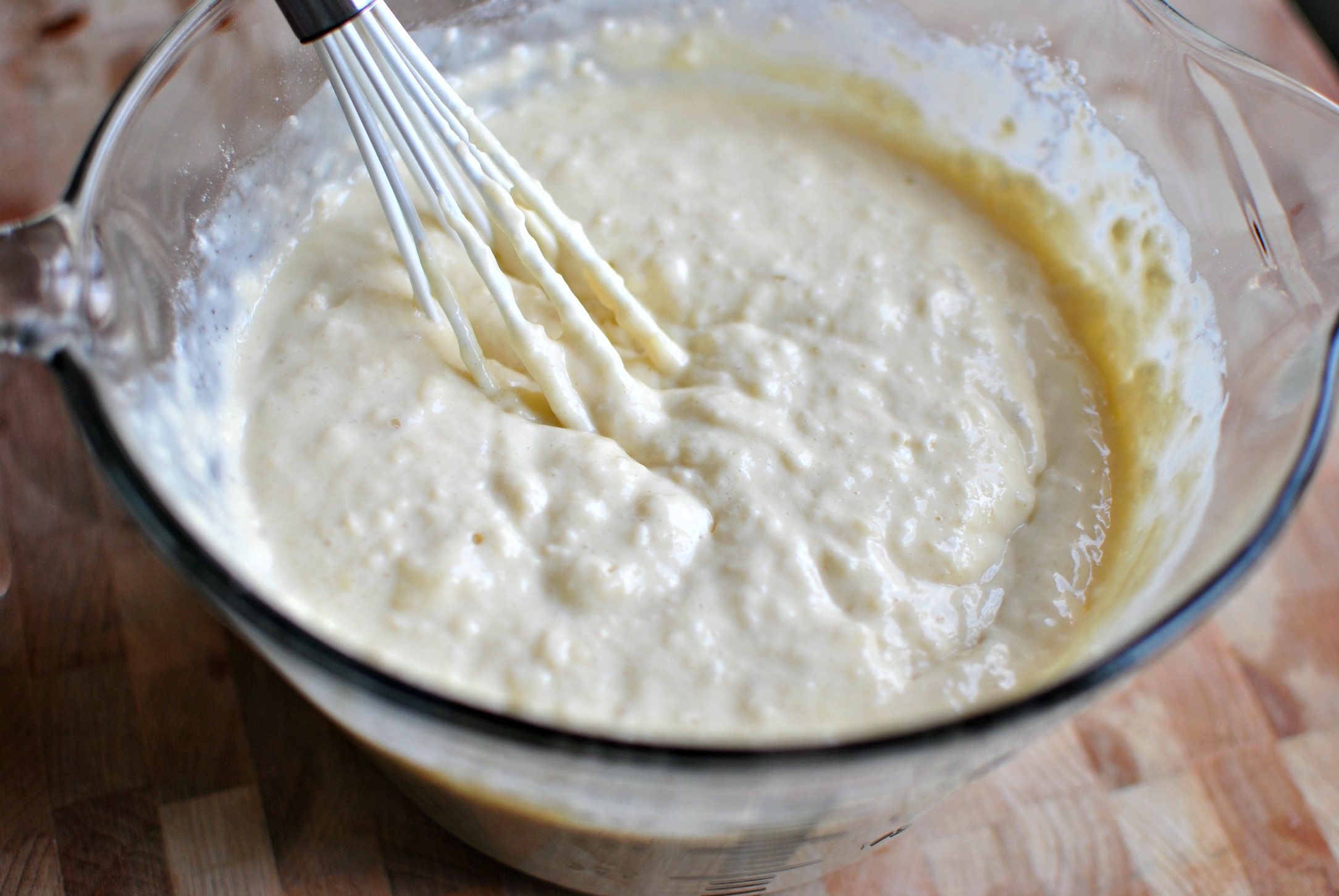
- Combine with a light hand. Stop when you still see a few small flour streaks.
- Rest 5 to 10 minutes while the pan finishes heating and the flour hydrates.
- Cook right after the short rest.
The short rest is not about “waiting for bubbles.” It is about letting the flour absorb liquid so the pancakes cook up tender instead of chewy. Longer rests can be great for some batters, but in baking soda heavy batters, lift tends to fade as the gas escapes.
Common mistakes
1) Bitter, soapy flavor
Cause: Too much baking soda or too little acid.
Fix: Reduce baking soda by 1/8 teaspoon, or increase a reliable acidic ingredient (for example, swap some milk for buttermilk or add a little yogurt).
2) Pancakes spread and go thin
Cause: Batter is too loose, or the pan is too hot, or you overmixed and broke structure.
Fix: Add 1 to 2 tablespoons flour, mix gently. Lower heat and give the batter a 5 minute rest.
3) No rise even with baking soda
Cause: No acid present, baking soda is old, or you waited too long to cook.
Fix: Make sure you have a reliable acidic ingredient. Check freshness (baking soda should fizz in vinegar). Cook soon after mixing.
4) Tough pancakes
Cause: Overmixing. Fluffy pancakes hate aggressive whisking.
Fix: Switch to a fork or spatula and mix only until combined. Lumps are fine. Lumps are good, even.
Quick fluffy pancake recipe
This is a simple, dependable template you can memorize. It makes a cozy batch for a weekend breakfast, but it is still weeknight-friendly if breakfast-for-dinner is your thing.
Fluffy Buttermilk Pancakes (Baking Soda Boost)
Makes: about 8 pancakes (4-inch)
Ingredients
- 1 1/2 cups (195 g) all-purpose flour
- 2 tablespoons sugar
- 1 teaspoon baking powder
- 3/8 teaspoon baking soda
- 1/2 teaspoon fine salt
- 1 1/4 cups (300 ml) buttermilk
- 2 large eggs
- 3 tablespoons melted butter (plus more for the pan)
- 1 teaspoon vanilla (optional)
Instructions
- Heat the pan: Warm a nonstick skillet or griddle over medium-low to medium heat.
- Mix dry: In a bowl, whisk flour, sugar, baking powder, baking soda, and salt.
- Mix wet: In another bowl, whisk buttermilk, eggs, melted butter, and vanilla.
- Combine gently: Pour wet into dry and fold just until you do not see pockets of dry flour. A few lumps are perfect.
- Rest briefly: Let batter sit 5 to 10 minutes. This is the sweet spot. Short rest, then cook.
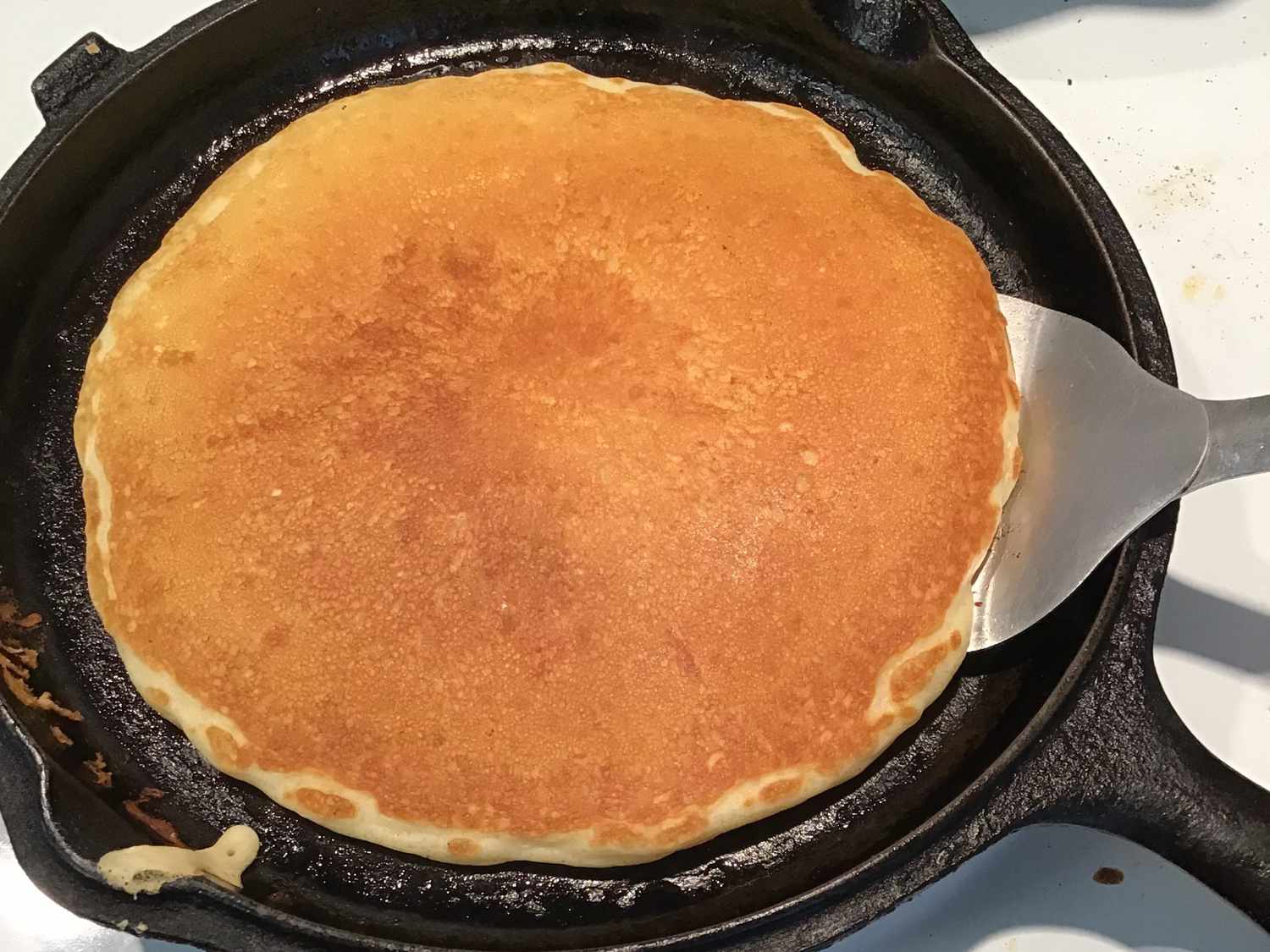
- Cook: Butter the pan lightly. Scoop about 1/4 cup batter per pancake. Cook until bubbles appear on the surface and the edges look set, 2 to 3 minutes. Flip and cook 1 to 2 minutes more.
Notes
- Do not press pancakes down with the spatula. That pushes out the lift you worked for.
- If batter thickens a lot as it sits, stir in 1 to 2 tablespoons buttermilk.
- Altitude note: If you are at high altitude and pancakes over-rise then collapse, try reducing baking soda by a pinch and keep heat slightly lower.
FAQ
Can I add baking soda to any pancake batter?
Only if there is a reliable acidic ingredient in the batter, or you add one. If you add baking soda to a non-acidic batter, you risk a soapy taste and overly dark browning before the centers cook through.
What if my recipe has baking powder but no baking soda?
That is totally fine. Baking powder can make fluffy pancakes on its own. If you want the baking soda boost, swap in buttermilk or yogurt for some or all of the milk, then add a small amount of baking soda (start with 1/4 teaspoon per cup of cultured dairy).
Do I need to let pancake batter rest?
A short rest (5 to 10 minutes) helps flour hydrate and improves tenderness. Longer rests can be useful in some recipes, but soda-driven batters tend to lose lift over time, so do not stretch the rest too far.
Why are my pancakes fluffy at first, then flatter later?
The batter can lose bubbles as it sits, and the first pancakes often benefit from the freshest reaction. Keep the pan heat steady, cook in batches efficiently, and avoid stirring the batter a lot between rounds. If needed, fold gently once or twice, not a full remix.