
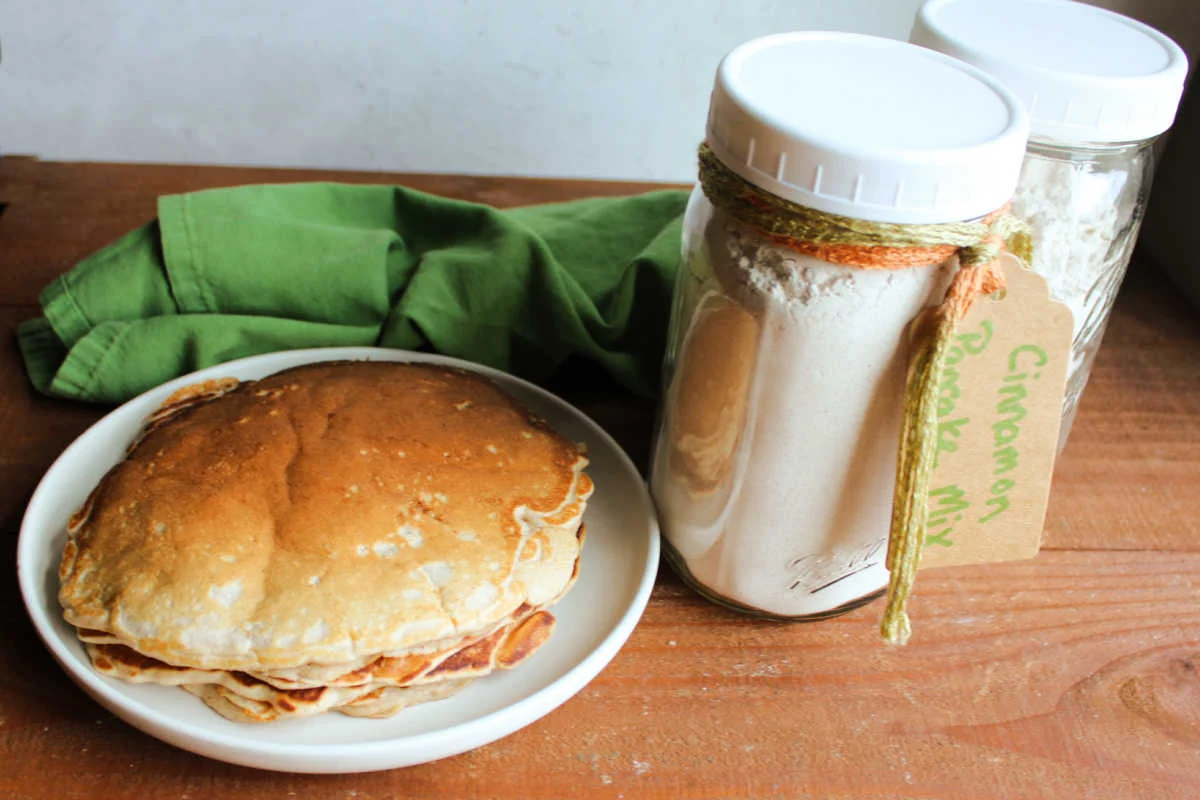
There are two kinds of pancake mornings in my house: the slow, cozy ones where we measure everything with care, and the ones where someone is already hungry, the coffee is still brewing, and I need breakfast to feel inevitable. Homemade pancake mix is how I make the second kind of morning taste like the first.
This mix is built from basic pantry staples, but it still gives you that tender, fluffy center and lightly crisp edges. Once you make a jar, pancakes become a quick weeknight dinner (hello, fried eggs and a salty-sweet drizzle), an easy Saturday ritual, and a very convincing “I have it together” move when guests sleep over.

Why make pancake mix at home?
Store-bought pancake mix can be great, but I like having a homemade version for three big reasons:
- You control the flavor. A little sugar for browning, the right amount of salt, and optional vanilla or spices when you want them.
- It is flexible. Make pancakes, waffles, or sheet pan pancakes from the same base with tiny tweaks.
- It is budget-friendly. Flour, leaveners, and a neutral oil or melted butter cost less per batch than most boxed mixes.
Also, if you keep your mix airtight, it is genuinely faster than starting from scratch each time. The dry whisking is already done.
The master pancake mix
This is a classic “just add wet ingredients” style mix: baking powder provides the lift. There is also a small amount of baking soda , which is especially helpful when you use an acidic liquid like buttermilk or yogurt. If you are using plain milk, keep reading for the simple adjustment so you do not get any soapy aftertaste.
Dry mix ingredients (makes about 10 to 11 cups)
- 8 cups (960 g) all-purpose flour
- 1/2 cup (100 g) granulated sugar
- 1/4 cup (about 32 g) baking powder
- 2 teaspoons baking soda
- 2 tablespoons kosher salt (see note)
Salt note: Kosher salt varies a lot by brand and crystal size. If you use Diamond Crystal, use the full 2 tablespoons. If you use Morton kosher, use 1 tablespoon plus 1 teaspoon. If you are unsure, start smaller. You can always add a pinch to the batter, but you cannot take it out.
How to make the dry mix
- Whisk. In a very large bowl, whisk flour, sugar, baking powder, baking soda, and salt until completely uniform. Take an extra minute here. It prevents salty pockets and uneven rise later.
- Sift if needed. If your baking powder is clumpy, push everything through a sieve once. It is optional but helpful.
- Store. Transfer to a large airtight container or two quart-size jars.
Label it: Write the date and the “per batch” instructions on a piece of tape right on the jar. Future-you will feel very cared for.
If you are gifting it: Add a note that it contains wheat (gluten) and suggest storage away from heat and steam so the mix stays dry and fresh.
How to use the mix (pancakes)
This is my go-to batch size for a family breakfast. It makes about 10 to 12 medium pancakes, depending on how generous your scoop is.
For one batch of pancakes
- 2 cups homemade pancake mix (see weight note)
- 1 1/2 cups milk or buttermilk
- 1 large egg
- 2 tablespoons melted butter or neutral oil
- 1 teaspoon vanilla extract (optional, but lovely)
Weight note: Because homemade mixes settle differently (and flour can be fluffed or packed), cup weights vary. For the most consistent results, weigh 2 cups of your finished mix once, write that number on the jar, and use it going forward.
Mixing and cooking
- Heat your pan. Preheat a skillet or griddle over medium heat. If you flick on a drop of water, it should dance and evaporate quickly.
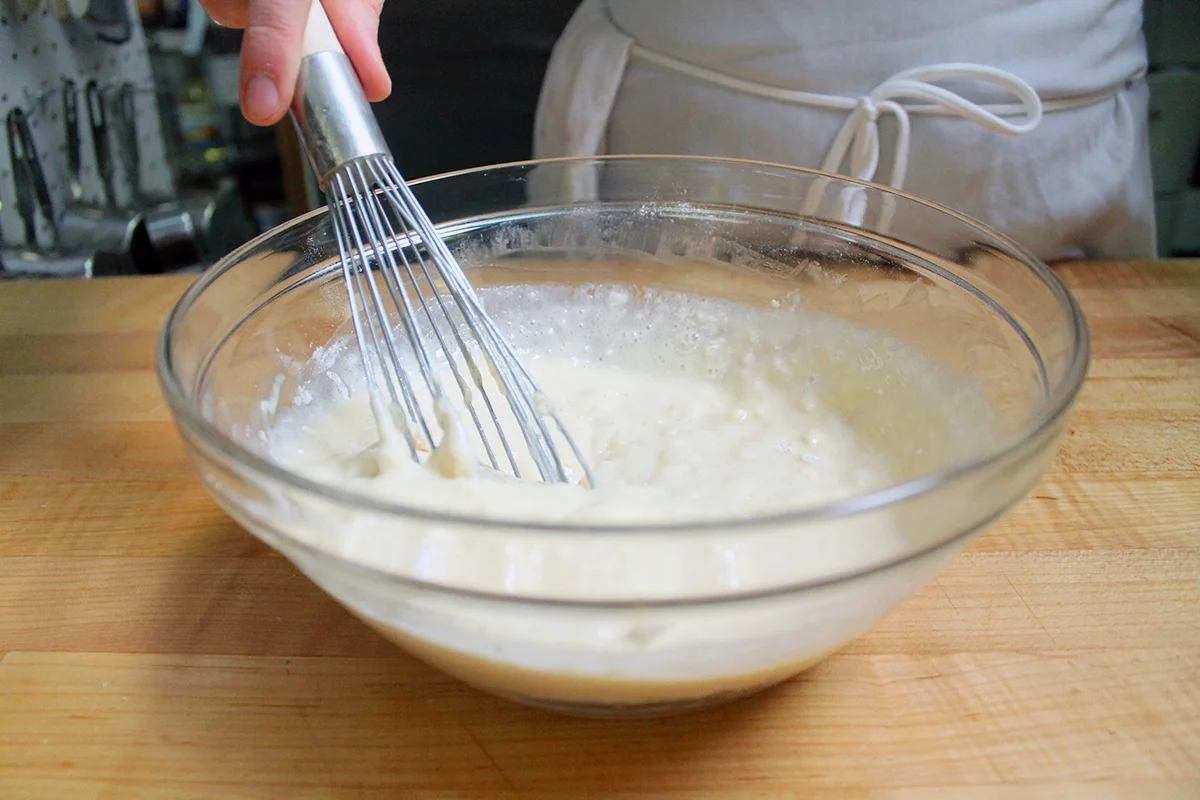
- Mix gently. Whisk the milk, egg, butter, and vanilla in a bowl. Add the pancake mix and stir just until you stop seeing dry flour. Lumps are fine. Overmixing is what makes pancakes tough.
- Rest the batter. Let it sit 5 minutes. This helps the flour hydrate and the batter thicken slightly, which usually means more even pancakes.
- Cook. Lightly butter or oil the pan. Pour about 1/4 cup batter per pancake. Cook until bubbles form and the edges look set, 2 to 3 minutes. Flip and cook 1 to 2 minutes more.
My best tip: After you melt butter for the batter, use the butter wrapper to grease the pan. It is the easiest no-waste trick.
If you are using milk (not buttermilk)
If you are making pancakes with regular milk and you are sensitive to the flavor of baking soda, you have two easy options:
- Option A (simple): Use the recipe as written, but add 1 tablespoon lemon juice or vinegar to the milk and let it sit 5 minutes. Instant “buttermilk,” no weird aftertaste.
- Option B (dry mix tweak): When you measure out your 2 cups mix for a batch, remove 1/8 teaspoon of baking soda (just leave a tiny pinch behind in the spoon). This keeps the flavor clean if you are using plain milk.
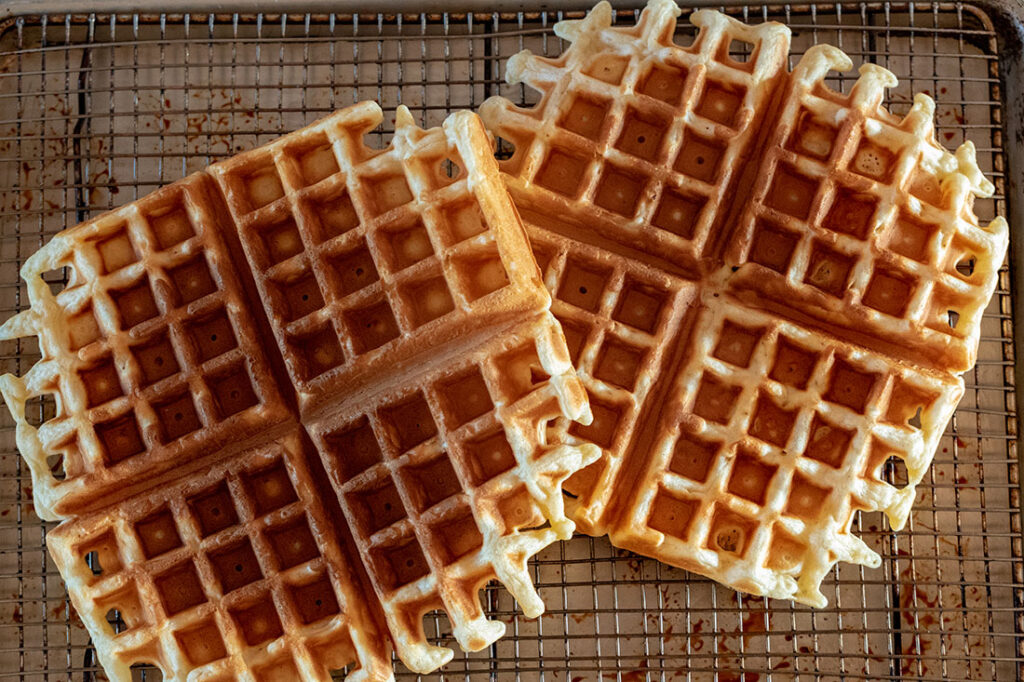
How to use the mix (waffles)
Waffles like a slightly richer batter and benefit from a little more fat for crisp edges.
For one batch of waffles
- 2 cups homemade pancake mix
- 1 3/4 cups milk or buttermilk
- 2 large eggs
- 1/4 cup melted butter or neutral oil
- 1 teaspoon vanilla extract (optional)
Mix just until combined and cook in a preheated waffle iron. Yield depends on the size of your iron, but expect about 4 to 6 round waffles.
For extra crisp waffles, keep them warm on a wire rack in a 200°F oven while you finish the batch.
Ingredient swaps that work
I love a recipe that meets you where you are. Here is what you can swap without ruining breakfast.
Flour
- Whole wheat: Replace up to 2 cups of the all-purpose flour with whole wheat flour for a nuttier pancake. If you go higher, expect a denser texture and consider adding a splash more milk when mixing batter.
- Gluten-free: Use a 1:1 gluten-free baking flour blend designed for baking (with xanthan gum included). Let the batter rest 10 minutes before cooking to reduce grittiness.
Sugar
- Less sugar: You can cut the sugar in the dry mix down to 1/4 cup. Pancakes will be slightly less brown and a touch less tender, but still good.
- Brown sugar: Not my first choice for the dry mix because it can clump and hold moisture, but if you use it, sift well and store extra airtight.
Dairy
- No buttermilk: Use milk plus 1 tablespoon lemon juice or vinegar per cup of milk. Let it sit 5 minutes before mixing.
- Yogurt: Substitute half the milk with plain yogurt thinned with water for extra tenderness.
Egg-free
- Best simple swap: 1 tablespoon ground flaxseed plus 3 tablespoons water (per egg). Let it gel 5 minutes. The pancakes will be slightly less airy but still tender.
Storage and shelf life
Because this mix includes baking powder and baking soda, freshness matters. They lose strength over time, and how fast that happens depends on the brand and how you store it.
- Room temperature: Store airtight in a cool, dry pantry for up to 3 months for best rise.
- Freezer: For longer storage, freeze the dry mix in a zip-top freezer bag (press out air) for up to 6 months. Bring to room temperature before using to avoid moisture condensation in the container.
- Keep it dry: Always use a dry measuring cup and keep steam away from the jar. Moisture is the enemy.
How to know if your leaveners are tired: If pancakes come out pale and flat even with a properly hot pan, it is time to refresh your baking powder and baking soda.
Troubleshooting pancakes
If you have ever made pancakes that were rubbery, flat, or oddly dry, you are not alone. Here is what usually fixes it.
My pancakes are tough
- Most likely: overmixing. Stir less than you think you should.
- Also: batter sitting too long. With chemical leaveners, you will usually get the best lift if you cook within about 15 to 20 minutes of mixing.
My pancakes are flat
- Check: baking powder freshness.
- Check: pan temperature. Too low means the batter spreads before it sets, and you lose height.
My pancakes are dark outside but raw inside
- Turn the heat down slightly and give them a little more time.
- Use medium heat, not high. Pancakes want steady warmth.
My pancakes stick
- Preheat the pan fully, then grease lightly.
- If you add butter too early, it can burn and get sticky. Add a thin swipe right before each batch.
Fun add-ins
Add-ins are where pancake mix earns its keep. A few favorites:
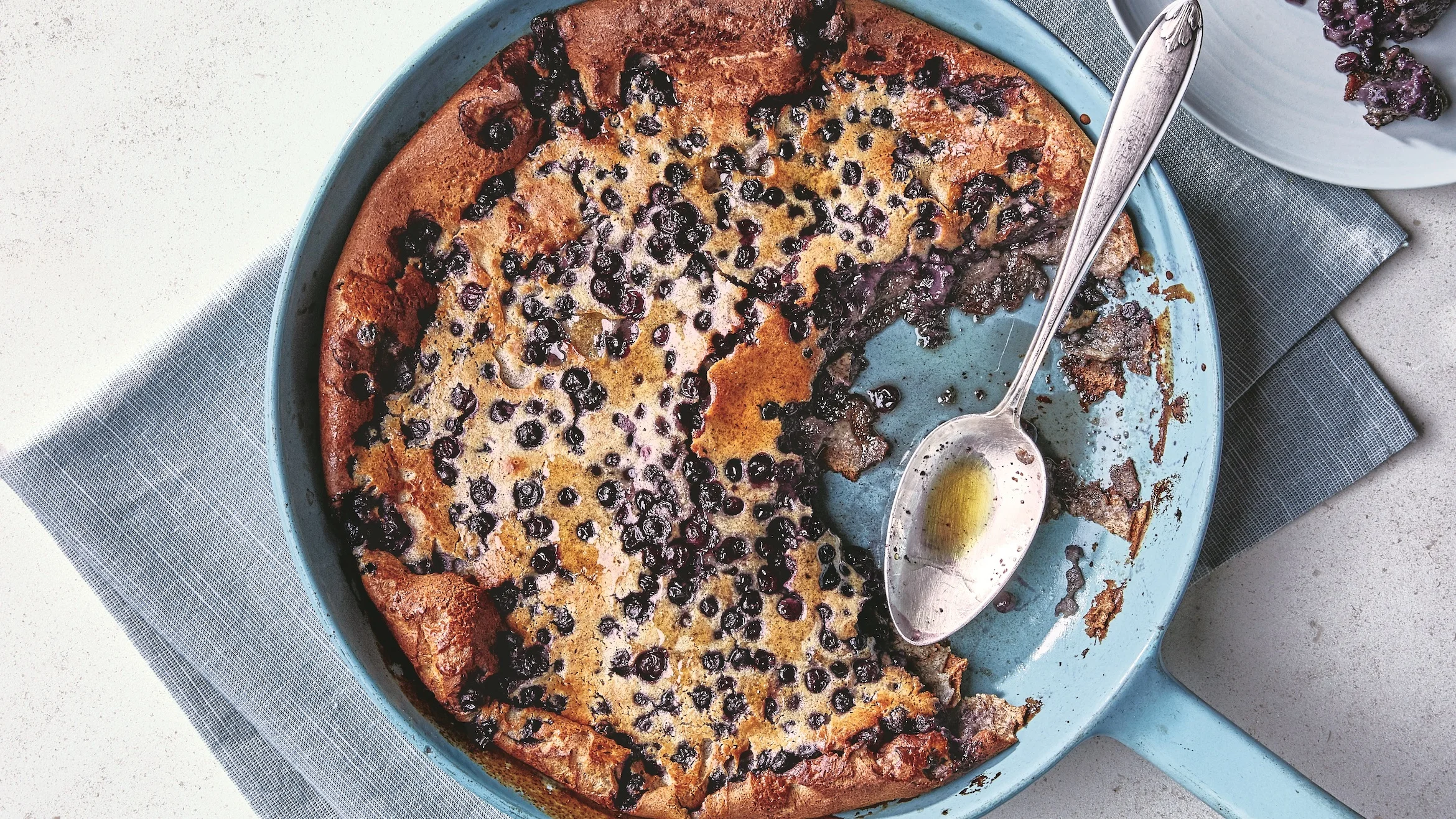
- Blueberries: Sprinkle berries onto the wet batter after you pour it onto the pan. This prevents purple streaking and keeps the batter from getting watery.
- Chocolate chips: Same trick as blueberries. Sprinkle after pouring.
- Banana: Mash 1 ripe banana into the wet ingredients. Reduce milk by 2 tablespoons if the batter seems loose.
- Cinnamon: Add 1/2 to 1 teaspoon to the wet batter, or whisk it into a small portion of dry mix if you want to keep the main jar neutral.
- Lemon poppy: Add 1 tablespoon poppy seeds plus zest of 1 lemon to the batter.
If you want to gift the mix, keep it plain and include a little note with a few favorite add-in ideas. People actually use gifts that come with instructions.
Frequently asked questions
Can I add powdered milk to make it a just-add-water mix?
Yes. Whisk 2 cups (about 200 g) nonfat dry milk powder into the full dry mix recipe above. To use, start with 2 cups mix plus 1 1/2 cups water plus 1 egg plus 2 tablespoons oil or melted butter. You will still want the egg and fat for best texture.
Can I make the mix without sugar?
You can. Pancakes will be lighter in color and a little less tender. If you are skipping sugar for dietary reasons, add a pinch more salt to the batter to keep the flavor from tasting flat.
Why rest pancake batter?
A short rest lets the flour hydrate, which improves tenderness and helps the batter thicken so it cooks up more evenly. Five minutes is enough to make a noticeable difference.
Can I use this mix for sheet pan pancakes?
Yes. Mix a double batch of batter, spread on a buttered sheet pan, and bake at 425°F until puffed and set, about 12 to 15 minutes. This is my favorite way to feed a crowd without flipping for ages.
Homemade Pancake Mix Recipe
Makes: about 10 to 11 cups dry mix (enough for about 5 batches of pancakes)
Prep time: 10 minutes
Ingredients (Dry Mix)
- 8 cups (960 g) all-purpose flour
- 1/2 cup (100 g) granulated sugar
- 1/4 cup (about 32 g) baking powder
- 2 teaspoons baking soda
- 2 tablespoons kosher salt (Diamond Crystal) or 1 tablespoon plus 1 teaspoon Morton kosher
Instructions (Dry Mix)
- Whisk all dry ingredients in a large bowl until completely uniform.
- Transfer to airtight containers. Store in a cool, dry pantry up to 3 months (or freeze up to 6 months).
To Make Pancakes (1 Batch)
- 2 cups pancake mix
- 1 1/2 cups milk or buttermilk
- 1 large egg
- 2 tablespoons melted butter or neutral oil
- 1 teaspoon vanilla (optional)
- Preheat a skillet over medium heat.
- Whisk wet ingredients. Stir in pancake mix just until combined. Rest 5 minutes.
- Cook 1/4-cup portions until bubbles form and edges set, 2 to 3 minutes. Flip and cook 1 to 2 minutes more.