
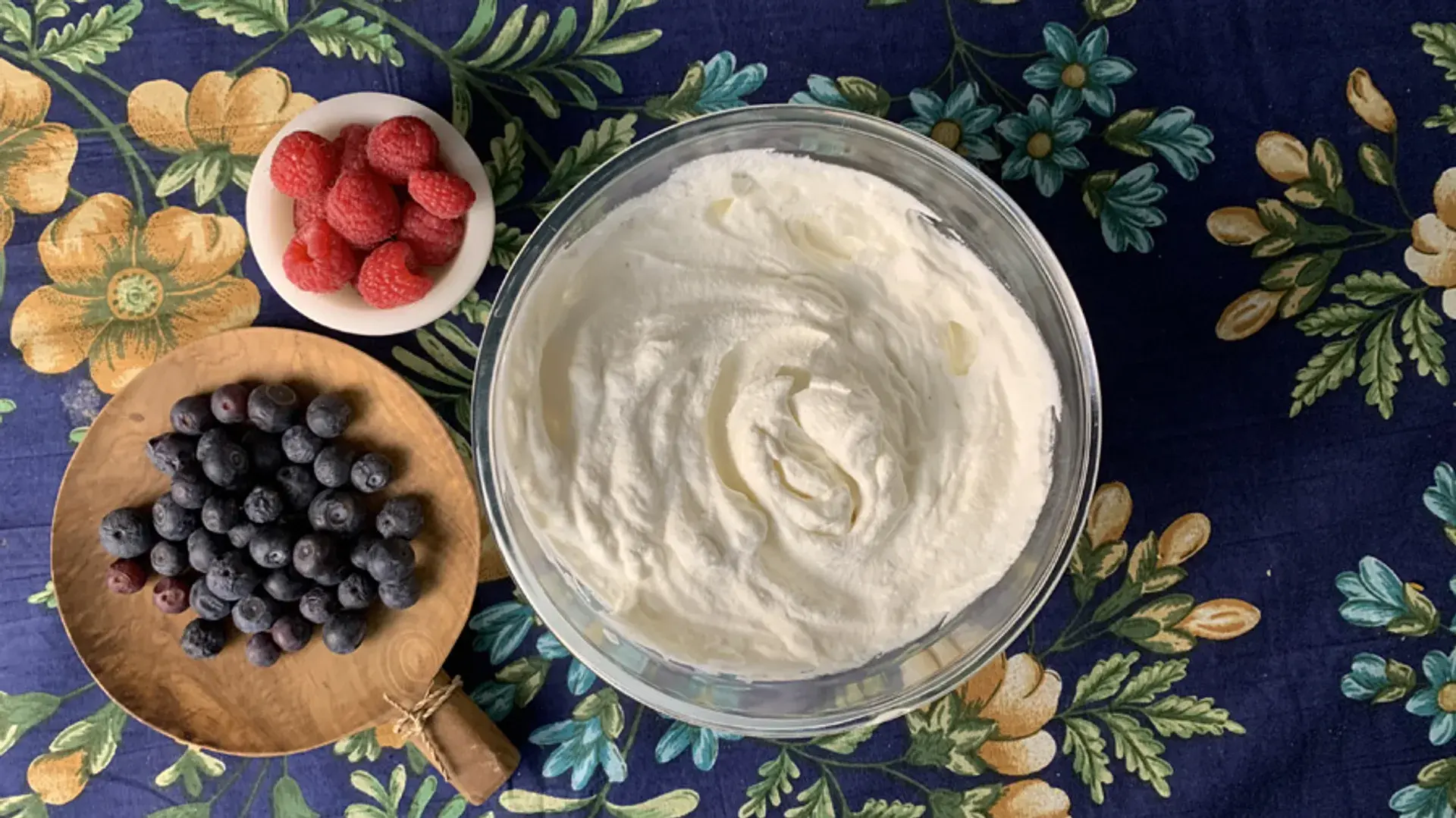
Homemade whipped cream is one of those tiny kitchen wins that makes dessert feel instantly special. It takes about as long as finding the plastic lid to the store-bought tub, and the payoff is big: clean dairy flavor, cloud-like texture, and sweetness you control.
Below is my go-to method, plus the small details that make it reliable on a random Tuesday night, even if you're tired and the sink is full.

Why this recipe works
- High-fat cream whips stable: Heavy cream (typically around 36 percent milk fat, varying by brand) is able to trap air and form fluffy peaks.
- Cold helps you win: Cold cream whips faster and gives you a wider margin before you accidentally go too far.
- Powdered sugar adds stability: Powdered sugar dissolves fast and contains a bit of starch, which can help stability and longer holding power.
- Peak cues keep it foolproof: Stopping at soft, medium, or stiff peaks lets you match the texture to what you are serving.
Ingredient notes
- Heavy cream: Look for “heavy whipping cream” or “heavy cream,” typically around 36 percent milk fat (it varies by brand). For best results, use heavy cream (roughly 35 percent milk fat or higher).
- Sugar: Powdered sugar dissolves fastest and helps stabilize the cream a little. Granulated sugar works too, it just needs a bit more whipping time to dissolve fully.
- Vanilla: Extract is perfect. Paste gives pretty speckles. You can also skip it and keep things neutral.
- Pinch of salt (optional): Not required, but it makes the flavor pop and keeps the sweetness tasting balanced.
Equipment you will need
- Stand mixer: easiest and most hands-off
- Hand mixer: fast and practical
- Whisk: totally doable for small batches if you want a quick arm workout
- Low-effort upgrade: Chill the bowl and beaters for 10 minutes.
Pro tips
- Start cold: Use cold cream, and chill the bowl and beaters for 10 minutes (optional but helpful).
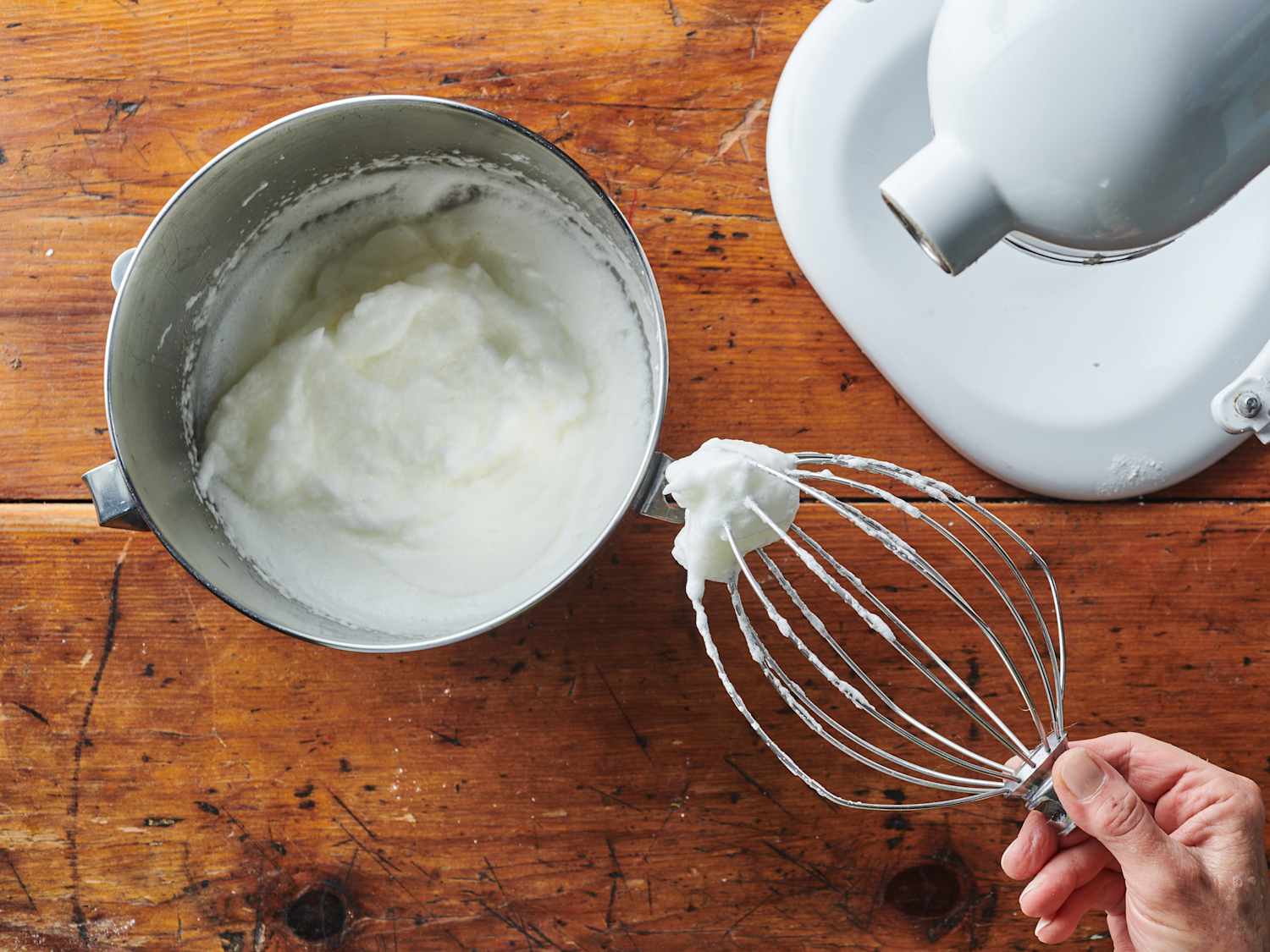
- Begin on medium: Beat until foamy and thickened, like cappuccino foam.
- Slow down near the finish: When you are close, dial the speed back to low and check every few seconds.
- Finish by hand for control: If you want extra control, do the last few turns with a whisk by hand.
- Pick the right peak for the job: For most desserts, medium peaks are the sweet spot (holds shape, but the tip gently bends).
Substitutes that work
- Powdered sugar: Granulated sugar works too, but you will need to whip a bit longer so it dissolves. For smoother texture, pulse granulated sugar in a blender for 10 to 15 seconds to make a quick homemade superfine sugar.
- Vanilla: You can skip it and keep things neutral.
- Non-dairy options: Some plant-based whipping creams are formulated to whip well, especially coconut-based or specialty “whipping” products. Regular almond, oat, or soy milk will not whip. For coconut cream, chill a can overnight, scoop the solid cream, and whip with powdered sugar, but expect a light coconut flavor.
- Do not swap in half-and-half: Half-and-half will not whip, and lighter creams tend to whip poorly and collapse faster.
Variations
Whipped cream is basically a blank canvas. A little flavor goes a long way, so start small, taste, and adjust.
- Citrus: Add 1 to 2 teaspoons finely grated lemon or orange zest. Skip adding juice, which can thin the cream.
- Cinnamon or warm spice: Add 1/4 teaspoon cinnamon, or a pinch of nutmeg and clove.
- Maple: Swap sugar for 1 to 2 tablespoons maple syrup. Whip a bit longer to thicken.
- Espresso: Dissolve 1 teaspoon instant espresso in 1 teaspoon hot water, cool, then add with the vanilla.
- Cocoa: Add 1 to 2 tablespoons unsweetened cocoa powder plus an extra tablespoon of sugar.
- Brown sugar: Use light brown sugar for a subtle caramel note. Beat longer so it dissolves well.
Serving ideas
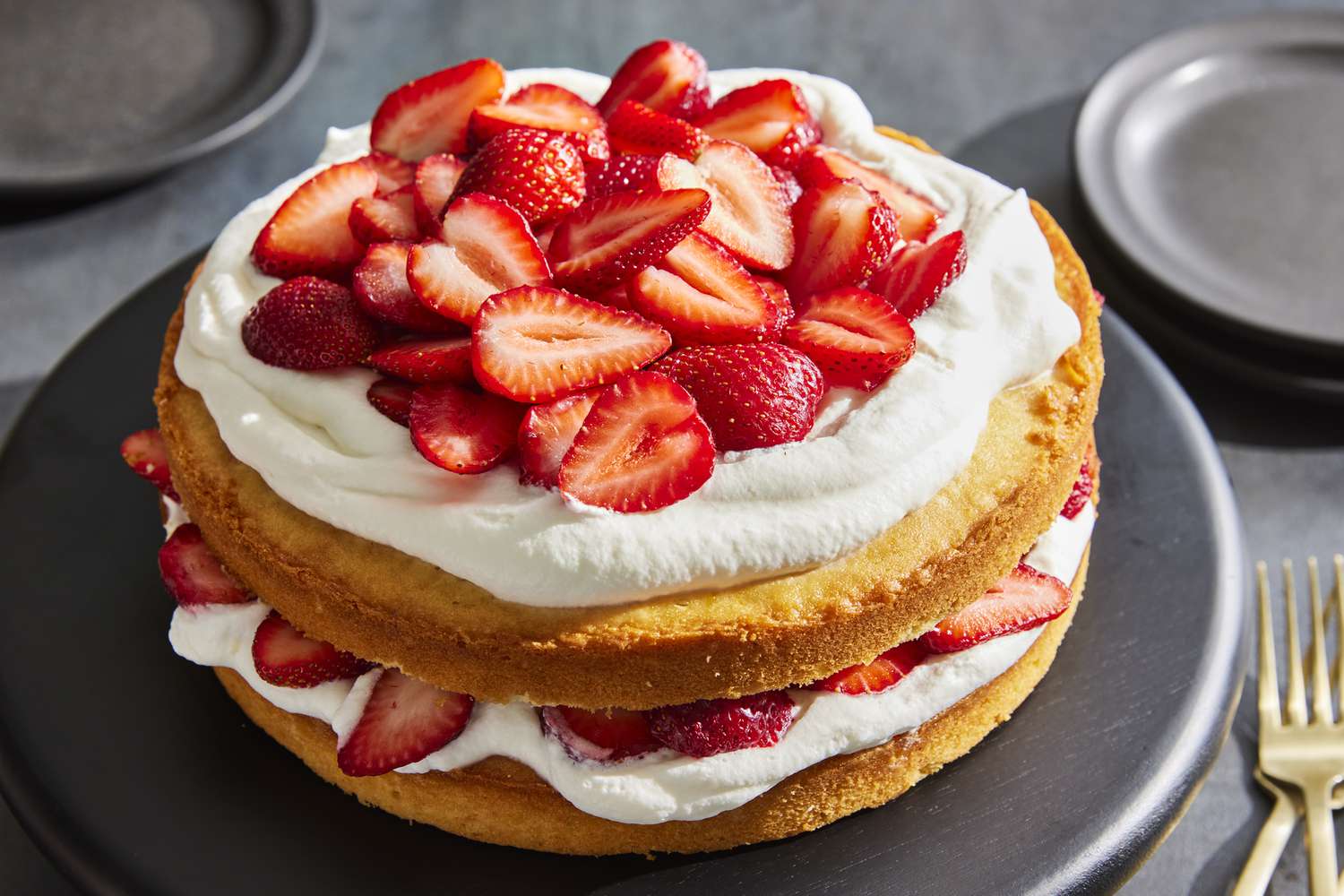
- Pies, cakes, and shortcakes: Medium peaks are ideal for most desserts.
- Fruit: Soft peaks are great for a looser swoop over berries or fruit.
- Hot chocolate: Soft peaks melt in nicely on warm drinks.
- Piping: Stiff peaks are best when you need it to hold its shape.
Storage and reheating
Whipped cream is best the day you make it, but you can absolutely prep it a little ahead with the right expectations.
How long it lasts
- Same day: Perfect texture.
- Up to 24 hours: Still very good, may relax slightly.
- 2 to 3 days: It can weep a bit and lose volume, but it is usually still tasty.
How to store
- Scrape into an airtight container.
- Press a piece of plastic wrap directly on the surface if you want extra protection from absorbing fridge smells.
- Re-whisk briefly by hand if it softens, just a few strokes.
Food safety note
Keep whipped cream refrigerated until serving. Like other dairy, do not leave it out at room temp for more than about 2 hours (less if it is hot out).
Want it to hold longer?
Use powdered sugar and aim for medium-stiff peaks. Powdered sugar contains a bit of starch, which can help stability. For longer holds or piping projects, see the stabilized options in the FAQ below.
Scaling up
You can easily double or triple the recipe. Just make sure your bowl is not more than halfway full before you start whipping, or whip in batches so it does not splash and take forever.
Common mistakes
- Overwhipping: When you are close, slow down and check often. Stiff peaks are one step away from overwhipping.
- Trying to whip cream that is not cold: Chill the bowl and cream. Warm kitchens slow whipping dramatically.
- Using the wrong dairy: Half-and-half will not whip, and lighter creams tend to whip poorly and collapse faster. Use heavy cream (roughly 35 percent milk fat or higher).
- Greasy residue in the bowl: A film of fat can interfere. Wash and dry well.
- Letting it go grainy: Grainy texture means you are on the edge of overwhipping. Stop immediately.
- Walking away and making butter: Once the fat fully separates, it is not coming back to whipped cream.
FAQ
Can I make whipped cream without powdered sugar?
Yes. Use granulated sugar and whip a little longer so it dissolves. If you want it smoother, pulse granulated sugar in a blender for 10 to 15 seconds to make a quick homemade superfine sugar.
How do I stabilize whipped cream for cakes?
For a simple, home-kitchen approach, use powdered sugar and whip to medium-stiff peaks. If you need extra insurance, you have got a few options:
- Cream cheese: Beat 2 ounces softened cream cheese with the sugar and vanilla first, then slowly stream in the cream and whip to peaks. This makes a slightly tangy, very stable whipped topping.
- Gelatin: Bloom 1 teaspoon unflavored gelatin in 1 tablespoon water, then warm until melted. Let it cool slightly so it is still fluid (not hot and not set), then drizzle it in a thin stream while whipping. If it cools too much, it can set in little bits.
Can I use non-dairy cream?
Some plant-based whipping creams are formulated to whip well, especially coconut-based or specialty “whipping” products. Regular almond, oat, or soy milk will not whip. For coconut cream, chill a can overnight, scoop the solid cream, and whip with powdered sugar, but expect a light coconut flavor.
Why does my whipped cream taste flat?
A tiny pinch of salt helps, and so does vanilla. Also make sure you are not under-sweetening if you are serving it with something tart. Sweetness is a support act here, not the main character, but it matters.
The recipe
Homemade Whipped Cream
A classic, lightly sweet homemade whipped cream with vanilla. Choose soft, medium, or stiff peaks depending on how you plan to serve it. Yield: About 2 cups. Time: 5 to 8 minutes with a mixer (longer by hand).
- Prep
- 10 minutes
- Cook
- 0 minutes
- Total
- 10 to 18 minutes
- Yield
- About 8 servings (about 2 cups total)
Ingredients
- 1 cup (240 ml) cold heavy cream
- 2 tablespoons powdered sugar (adjust to taste)
- 1 teaspoon vanilla extract
- Pinch of fine salt (optional, but it makes the flavor pop)
Instructions
- Chill a mixing bowl and beaters for 10 minutes (optional but helpful).
- Pour cold heavy cream into the bowl. Beat on medium speed until foamy and beginning to thicken, about 30 to 60 seconds.
- Add powdered sugar, vanilla, and salt if using. Beat on medium-high until you reach your desired peaks: soft, medium, or stiff. When you are close, turn the speed down and check often.
- Use immediately, or cover and refrigerate. If it softens slightly, whisk by hand a few strokes to fluff it back up.
Notes
- Peak guide: Soft peaks flop over (great for folding into mousse, topping hot chocolate, and spooning over fruit). Medium peaks hold ridges and curl at the tip (best for most pies and cakes). Stiff peaks stand straight up (best for piping or desserts that sit out a bit).
- Overwhipping prevention: When you are close, dial the speed back to low and check every few seconds. For extra control, finish the last few turns with a whisk by hand.
- For less sweet: Start with 1 tablespoon sugar, then taste and add more.
- For piping: Beat to stiff peaks and keep chilled until ready to pipe.
- If it turns grainy: Stop immediately. You can sometimes rescue it by gently whisking in 1 to 2 tablespoons of cold cream by hand until it smooths out.
- If you accidentally made butter: Once the fat fully separates, it will not return to whipped cream. Strain and save the butter for toast or pancakes.
Nutrition
- Calories: 110
- Fat: 11 g
- Carbs: 2 g
- Protein: 1 g
- Fiber: 0 g
- Sugar: 2 g
- Sodium: 10 mg
Nutrition values are approximate and will vary by brand and how sweet you make it.