
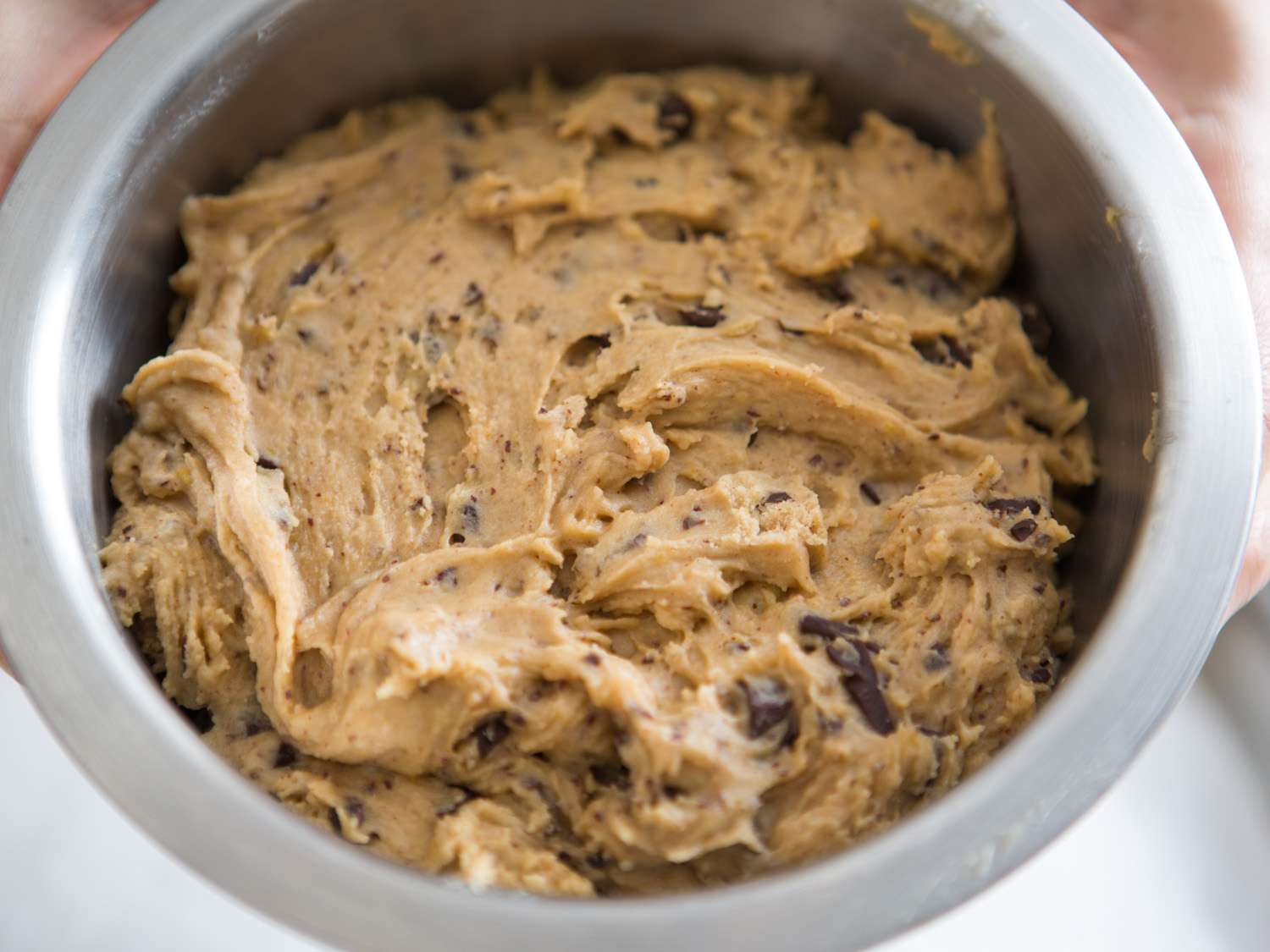
Chocolate chip cookie dough is one of those kitchen comforts that feels like a shortcut to happiness. A spoonful while the oven preheats, a little “taste test” before a batch goes in, or a stash in the freezer for future-you. The trick is getting the texture just right: not greasy, not dry, not overly sweet, and definitely not gritty.
Below you will find the dough I rely on most, plus the small technique choices that make it consistent. I will also walk you through safe-to-eat options, because raw dough questions are real and you deserve a clear answer, not a vague shrug.

What makes great cookie dough?
Great chocolate chip cookie dough has three jobs:
- It should be scoopable without crumbling or smearing into a greasy puddle.
- It should taste balanced, meaning butter-forward with caramel notes from brown sugar, not just sweet.
- It should bake predictably, spreading enough to get chewy edges while staying tender in the center.
Those three goals come down to moisture (butter, eggs), structure (flour), sweetness (sugars), and just enough lift (leavening) when you plan to bake. When one of those is out of whack, the dough tells on itself immediately.
Ingredients and why they matter
This is the classic lineup. Even if you use a different recipe, understanding the “why” helps you troubleshoot your dough on the fly.
Butter
Room temperature butter creams smoothly with sugar, which helps the dough hold air and bake up a little lighter. Melted butter makes dough taste amazing but can lead to extra spread and a greasier feel unless you chill aggressively.
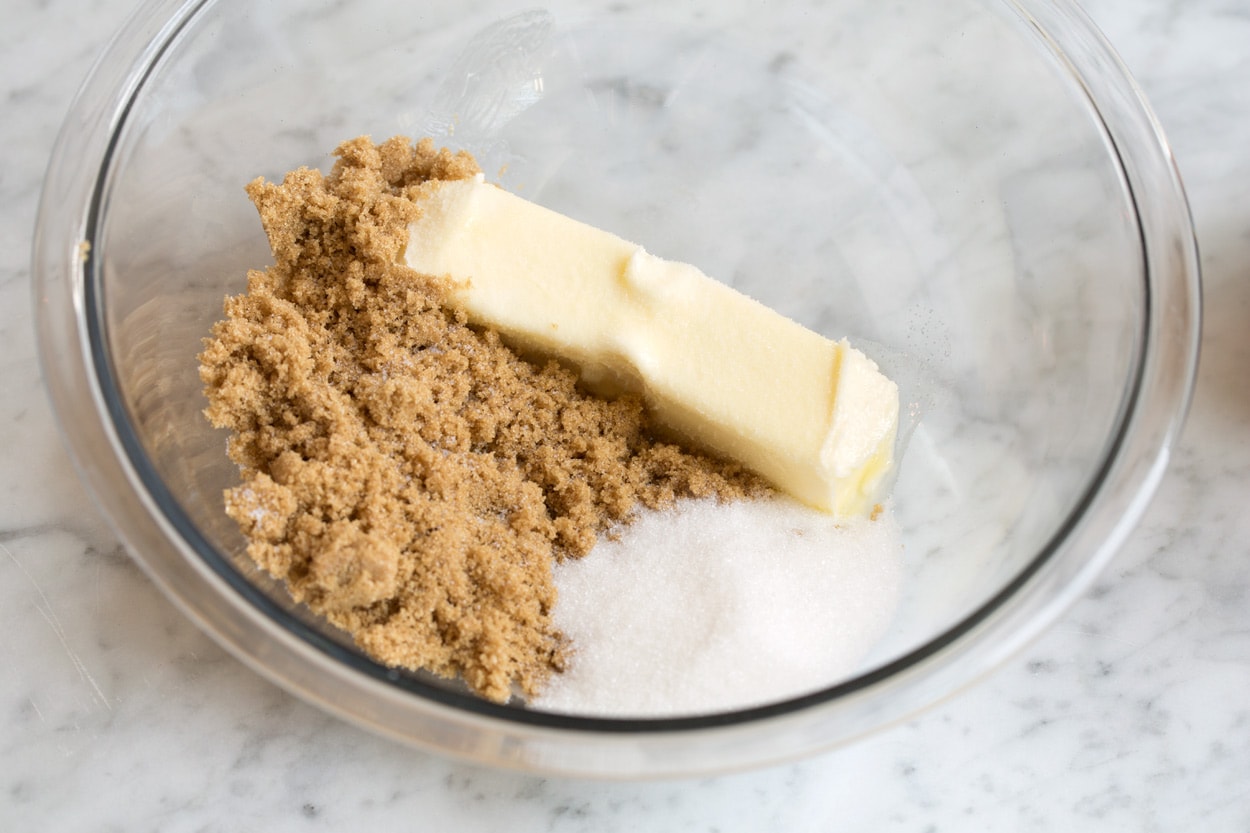
Brown sugar and granulated sugar
Brown sugar brings moisture and chew (thanks to molasses). White sugar helps cookies spread and encourages crisp edges. For dough that tastes like “cookie shop,” lean slightly heavier on brown sugar.
Flour
All-purpose flour is the standard. Too little flour and dough feels slick and loose. Too much and it goes dry and crumbly.
Leavening (for baking)
If you are baking this dough into cookies, you need a little lift. Baking soda helps the cookies spread into that classic chewy shape while keeping them from baking up dense and flat. If you are making dough only for eating, you can skip it.
Salt
If your dough tastes flat, it is almost always missing enough salt. Even if you are using salted butter, add a little salt. It makes the chocolate taste more chocolatey. It should taste pleasantly seasoned, not salty, so stay within the range in the recipe and adjust from there.
Vanilla
Vanilla reads as warmth, not “vanilla flavor.” Use what you have. If your vanilla is older and smells faint, bump it up slightly.
Egg (or egg plus yolk)
Egg binds and adds moisture. If you want extra richness and chew, swap in 1 whole egg plus 1 yolk instead of 2 whole eggs in larger-batch recipes. For the small batch below, one egg is enough.
Chocolate chips
Use semi-sweet for classic cookie flavor. For the most “bakery” vibe, do a mix of chips plus chopped chocolate. Chips hold their shape, chopped chocolate makes melty pockets.
Safe-to-eat cookie dough
Traditional cookie dough is not considered safe to eat raw for two reasons: raw eggs and raw flour. If you want dough specifically for snacking, you have a few solid options.
Option 1: Heat-treat the flour
Flour can carry bacteria, so heating it makes a difference. For the most reliable results, use an instant-read thermometer and aim for 165°F throughout.
- Oven method: Spread flour in a thin, even layer on a rimmed baking sheet. Bake at 300°F for about 8 to 10 minutes, stirring halfway (more if needed), until an instant-read thermometer registers 165°F throughout. Let it cool completely before using.
- Microwave method: Microwave flour in a microwave-safe bowl in 30-second bursts, stirring very well between each round, until an instant-read thermometer registers 165°F throughout. Microwaves heat unevenly, so stir and temp-check in a few spots. Cool completely.
Cooling matters. Warm flour will melt the butter and change the texture.
Option 2: Skip eggs and use milk instead
For edible dough, you can replace the egg with 2 to 3 tablespoons milk (or cream, or a non-dairy milk). Start with 2 tablespoons, then add more if the dough feels dry.
Option 3: Use pasteurized eggs
If you have pasteurized shell eggs or liquid egg product, that addresses the egg concern, but it does not solve the raw flour issue unless your flour is heat-treated.
Food safety note: Heat-treated flour is for edible dough. If you are baking cookies, you do not need to heat-treat the flour. Baked cookies are safe when fully baked.
My go-to cookie dough
This recipe is written with an edible-dough option built in. If you want to bake cookies, follow the “To bake” notes and use a regular egg plus baking soda.
Chocolate Chip Cookie Dough
Yield: about 12 to 14 cookie-sized scoops (or 6 to 8 larger bakery scoops)
Time: 15 minutes prep, plus chilling (recommended)
Ingredients
- 1/2 cup (113 g) unsalted butter, softened
- 1/2 cup (100 g) packed light brown sugar
- 1/4 cup (50 g) granulated sugar
- 1 1/2 teaspoons vanilla extract
- 3/4 teaspoon kosher salt (or 1/2 teaspoon fine salt)
- 1 large egg (for baking dough) or 2 tablespoons milk or cream, plus more as needed (for edible dough)
- 1 cup (125 g) all-purpose flour (see note for edible dough)
- 1/2 teaspoon baking soda (for baking dough only)
- 3/4 cup (130 g) semi-sweet chocolate chips (or a mix of chips and chopped chocolate)
- Optional: 1/2 teaspoon espresso powder for deeper chocolate flavor
Instructions
- Cream the butter and sugars: In a medium bowl, beat butter, brown sugar, and granulated sugar until fluffy, 1 to 2 minutes. Scrape the bowl.
- Add flavor: Beat in vanilla, salt, and espresso powder if using.
- Add egg or milk: For baking dough, beat in 1 egg until glossy and fully combined. For edible dough, beat in 2 tablespoons milk, then add 1 teaspoon at a time until the dough is soft and scoopable.
- Add dry ingredients: For baking dough, sprinkle in the baking soda. Then mix in the flour just until no dry streaks remain. For edible dough, mix in the flour just until combined.
- Fold in chocolate: Stir in chocolate chips.
- Chill (recommended): Chill 30 minutes for thicker, less sticky scoops and better flavor.
Notes
- Edible dough flour note: If you are eating this dough raw, heat-treat the flour first (see instructions above) and cool completely before using. Do not skip the cooling, or the dough can turn greasy.
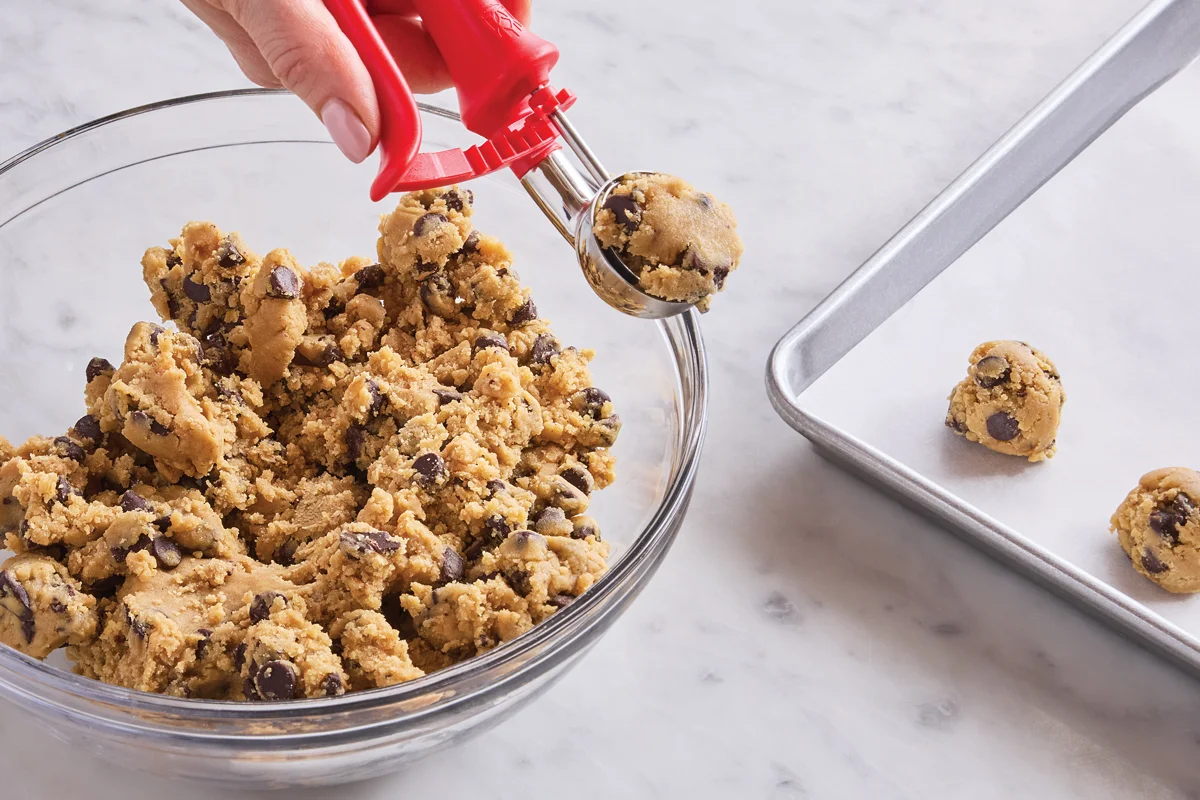
- To bake: Use the egg and baking soda. Scoop 1 1/2 tablespoon portions onto a parchment-lined sheet pan. Bake at 350°F for 10 to 12 minutes, until the edges look set and the centers look puffed but still soft. They finish setting as they cool. Cool 10 minutes on the pan.
Troubleshooting
Cookie dough is forgiving. Most “mistakes” are just texture adjustments waiting to happen.
If the dough is too sticky
- Chill it 30 to 60 minutes. Butter firms up and everything gets easier.
- Add 1 to 2 tablespoons flour if it is truly loose. Add gradually and mix gently.
If the dough is dry or crumbly
- Add 1 teaspoon milk at a time (or an extra teaspoon of softened butter) until it holds together.
- Check your measuring. Scooping flour directly from the bag compacts it. Spoon and level if you can.
If it tastes overly sweet
- Add a pinch more salt.
- Stir in a handful of chopped toasted nuts or pretzels to balance it out.
Mix-ins
Chocolate chips are the classic, but cookie dough is basically a blank canvas for your pantry.
- Toasted pecans or walnuts: Adds crunch and cuts sweetness. Toast first for maximum flavor.
- Mini chips: More even chocolate in every bite, great for edible dough.
- Chopped dark chocolate: For dramatic melty pockets.
- Crushed pretzels: Salty crunch that makes the dough taste less “one-note.”
- Toffee bits: Instant bakery energy.
- Sprinkles: Use jimmies, not nonpareils (nonpareils bleed color).
One tip from my bakery days: keep mix-ins around 3/4 cup per 1 cup flour. You can push it higher, but the dough gets harder to scoop cleanly.
Chilling and freezing
Chilling
Even 30 minutes in the fridge improves flavor and texture. Sugar starts dissolving, flour hydrates, and the dough becomes less sticky. If you have time, a few hours is even better.
Freezing
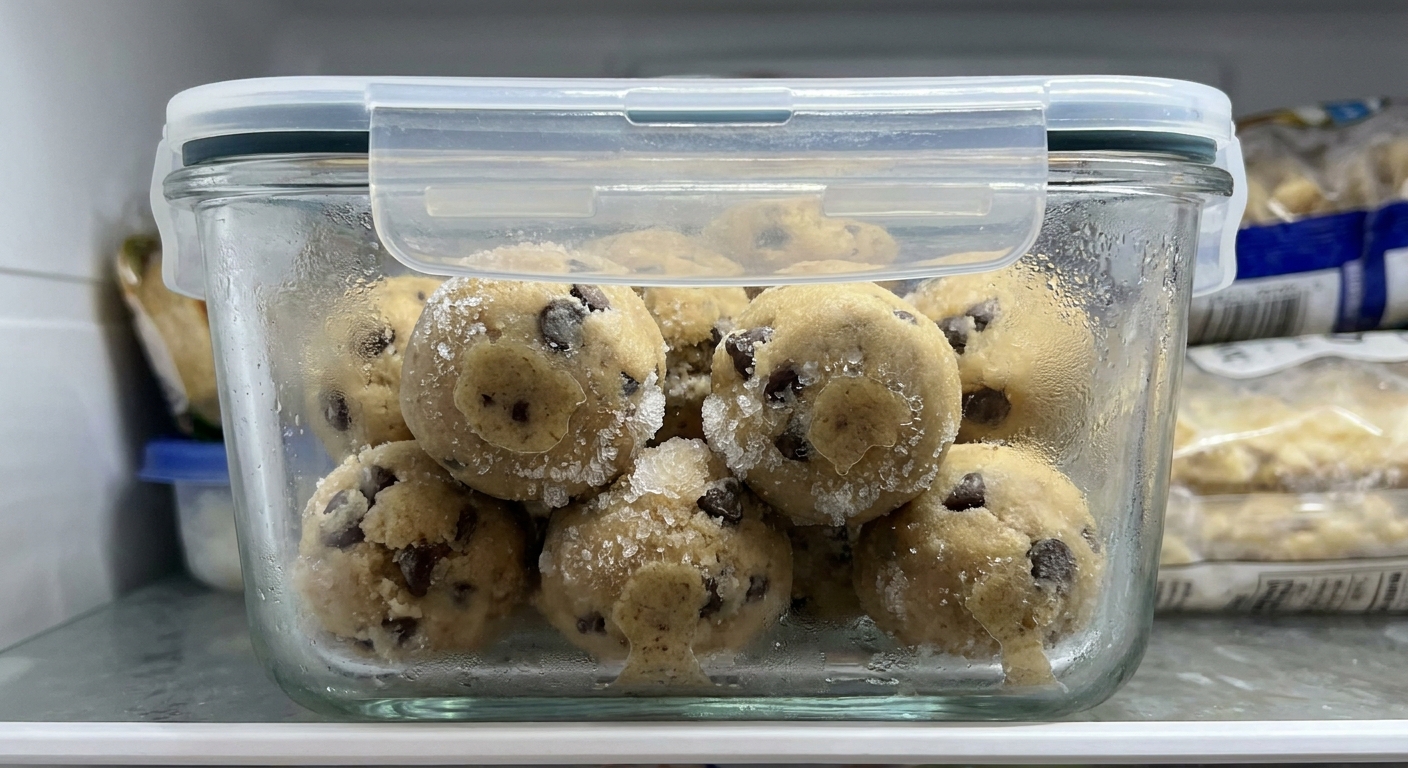
Portion the dough into scoops, freeze on a sheet pan until firm, then transfer to a zip-top bag or airtight container.
- Edible dough: Eat straight from the freezer like little dough truffles, or thaw in the fridge.
- Baking dough: Bake from frozen. Add 1 to 3 minutes to the bake time.
Storage: Refrigerate for 3 to 4 days. Freeze up to 2 months for best flavor (longer is fine, but freezer flavors sneak in).
FAQ
Can I make cookie dough without brown sugar?
Yes. Use all granulated sugar, but expect a slightly less chewy, less caramel-y flavor. If you have maple syrup or molasses, you can add 1 teaspoon for warmth, but reduce milk by 1 teaspoon to keep texture balanced.
Why does my cookie dough taste gritty?
Usually the sugar has not dissolved much yet. Give it a longer mix at the butter-and-sugar stage, and consider chilling the dough 30 minutes before judging. Brown sugar that has gone rock-hard can also create grit. Break up lumps before mixing.
Can I use salted butter?
Absolutely. Reduce added salt slightly (start by cutting it in half), then taste and adjust. Keep it in the “pleasantly seasoned” zone and use the recipe’s salt range as your guardrails.
How do I make thicker cookies from this dough?
Chill the dough longer, scoop taller mounds (not flattened balls), and bake on a cool baking sheet. If you consistently want thick cookies, add 1 to 2 tablespoons extra flour next time.
Is it okay to eat the dough if I just leave out the eggs?
Leaving out eggs removes one risk, but raw flour is still the other big concern. If you are making edible dough, heat-treat the flour too.