
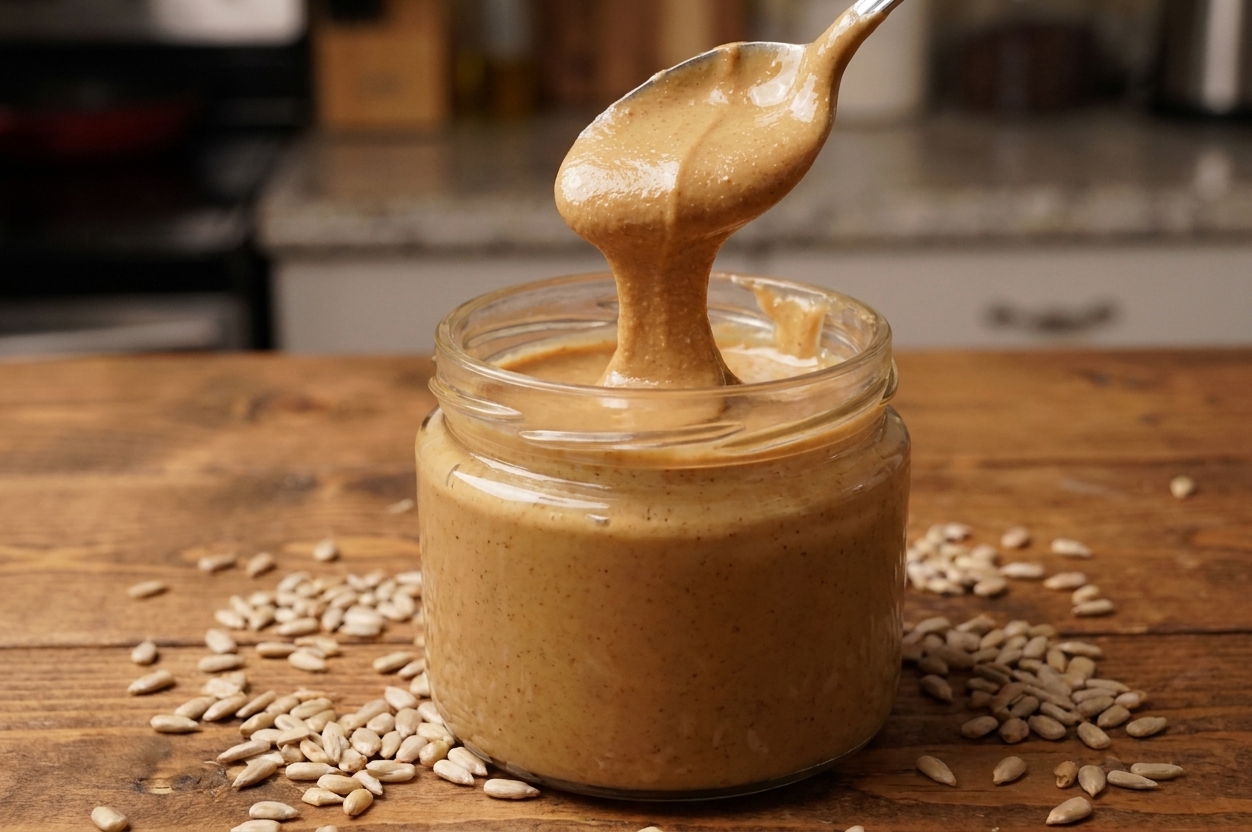
When I managed a bakery, we kept a running list of “quiet heroes” in the kitchen. The ingredients that show up everywhere, do a lot of work, and never ask for applause. Sunflower seeds were one of them. They added crunch to breads, richness to granola, and a toasty little edge to cookies. Turning them into sunflower seed butter feels like the grown-up version of that same idea: one humble ingredient, transformed into something you can swipe, swirl, and spoon into just about anything.
Homemade sunflower seed butter is also one of my favorite moves for nut-free households. It has that warmly roasted, slightly sweet flavor, and a standard food processor will get you there. Better still, you can keep it purely seed-forward or nudge it toward “dessert spread” with a touch of honey and vanilla.

The two things that trip people up are texture and color. Texture is mostly about patience in the processor and knowing when, and whether, to add a little oil if needed. Color is about toast level and heat management. Sunflower seeds can go from pleasantly roasty to bitter if they are pushed too dark, and the butter can look deeper than expected if the mixture gets hot while blending.
One more quirky detail, especially if you bake with it. Sunflower seed butter can turn gray-green in recipes that use baking soda. It can look dramatic, but it is a harmless, cosmetic reaction, not spoilage. If you know it is coming, it is a lot less alarming.
In the recipe below, I will walk you through the toast cues to watch for, the blending stages to wait out, and a few simple storage habits that keep a jar creamy and spreadable instead of stiff and crumbly.
Why this recipe works
- Controlled toasting builds flavor without bitterness. Sunflower seeds go from pale to burned faster than you would think. A moderate oven temperature and a good stir halfway through gives you an even, golden toast.
- Long enough processing time creates real creaminess. Seeds move through stages: sandy, clumpy, paste, then glossy and fluid. If you stop at “paste,” it will feel stiff.
- Oil is optional, but strategic. Adding a little neutral oil at the right moment helps the butter become looser and more spreadable without tasting greasy.
- Salt added at the end keeps the texture smooth. Once the butter is silky, salt dissolves quickly instead of hanging around as grit.
- Cooling before sealing avoids moisture. Warm seed butter sealed in a jar can create condensation, which can shorten freshness and affect texture.
Ingredient notes
Raw, shelled sunflower kernels
Use raw, unsalted, shelled kernels for the best control over toast level and salt. If your seeds are already roasted, you can still make seed butter, but the flavor will be deeper and the risk of bitterness is higher if they were roasted hard.
Neutral oil (as needed)
A small amount of oil helps the butter become more fluid and spreadable. My go-tos are avocado oil, grapeseed oil, or sunflower oil. Olive oil can taste distracting here.
Salt
Fine sea salt or table salt works well. Start small, then adjust. Sunflower seed butter tastes flatter than peanut butter without salt, so do not skip it.
Optional sweetener
A teaspoon or two of honey, maple syrup, or sugar softens the edge of the seeds and makes the flavor feel rounder. If you add liquid sweetener, add it at the end so it does not gum up the early blending stages.
Equipment you will need
- Rimmed baking sheet for toasting
- Parchment paper (optional, for easier cleanup)
- Food processor (a standard 7 to 12 cup processor is ideal)
- Flexible spatula for scraping down the bowl
- Clean jar with a tight lid for storage
Note: A high-speed blender can work, but a food processor is usually easier for seeds because you can stop and scrape frequently without fighting the vortex.
Pro tips
Toast to golden, not brown
For the best balance of flavor and sweetness, pull the seeds when they are fragrant and lightly golden, with just a few deeper spots. If they smell sharply roasty and start looking uniformly tan-brown, you are flirting with bitterness.
Use the processor in intervals
Heat is a common culprit behind bitter, dark seed butter. Process in 1 minute bursts with short pauses to let the motor and seeds cool. Scrape down the bowl often.
Know the texture stages
- 0 to 2 minutes: fine meal, sandy texture
- 2 to 5 minutes: clumps form, looks dry
- 5 to 8 minutes: thick paste, starts sticking to the bowl
- 8 to 12 minutes: turns glossy and looser
Times vary by machine, batch size, and seed freshness, but the stages are consistent. Do not panic during the “dry clumps” phase. That is normal.
Add oil after a paste forms
If you add oil too early, you can end up with a slippery, stubborn mixture that takes longer to smooth out. Wait until you have a thick paste, then drizzle in oil to loosen.
Keep it from turning bitter
- Stop the toast at golden. Darker seeds can taste harsh.
- Cool the seeds briefly before blending. Even 5 minutes helps.
- Pause if the bowl feels hot. A short rest keeps the flavor cleaner.
If your seed butter tastes bitter, it is almost always from too-dark seeds or too much heat during processing. There is no perfect fix once it is bitter, but a small amount of sweetener and extra salt can soften the perception.
Substitutes that work
If you do not have neutral oil
You can use melted refined coconut oil (not virgin) for a very mild flavor, but it will firm up more when cool. If you use olive oil, pick a very mild one and use sparingly.
If you only have roasted sunflower kernels
Skip the oven step. Taste one first. If they are deeply roasted, process in shorter bursts to avoid heating them further, and expect a darker, more assertive butter.
If you want it salt-free
You can omit salt, but consider adding a touch of honey or maple syrup to keep the flavor from tasting flat.
Variations
Sweet and cinnamon
Add 1 to 2 teaspoons honey or maple syrup plus 1/2 teaspoon cinnamon at the end.
Vanilla
Add 1/2 teaspoon vanilla extract and a teaspoon of sugar at the end. It tastes like the filling of a sandwich cookie in the best way.
Extra roasty
Toast the seeds a shade deeper than golden, but stop before brown. This version is bold and great in oatmeal. If you notice any bitterness in the seeds themselves, do not push this variation.
Crunchy
After the butter is smooth, pulse in 2 to 3 tablespoons of toasted seeds until you get the texture you like.
Serving ideas
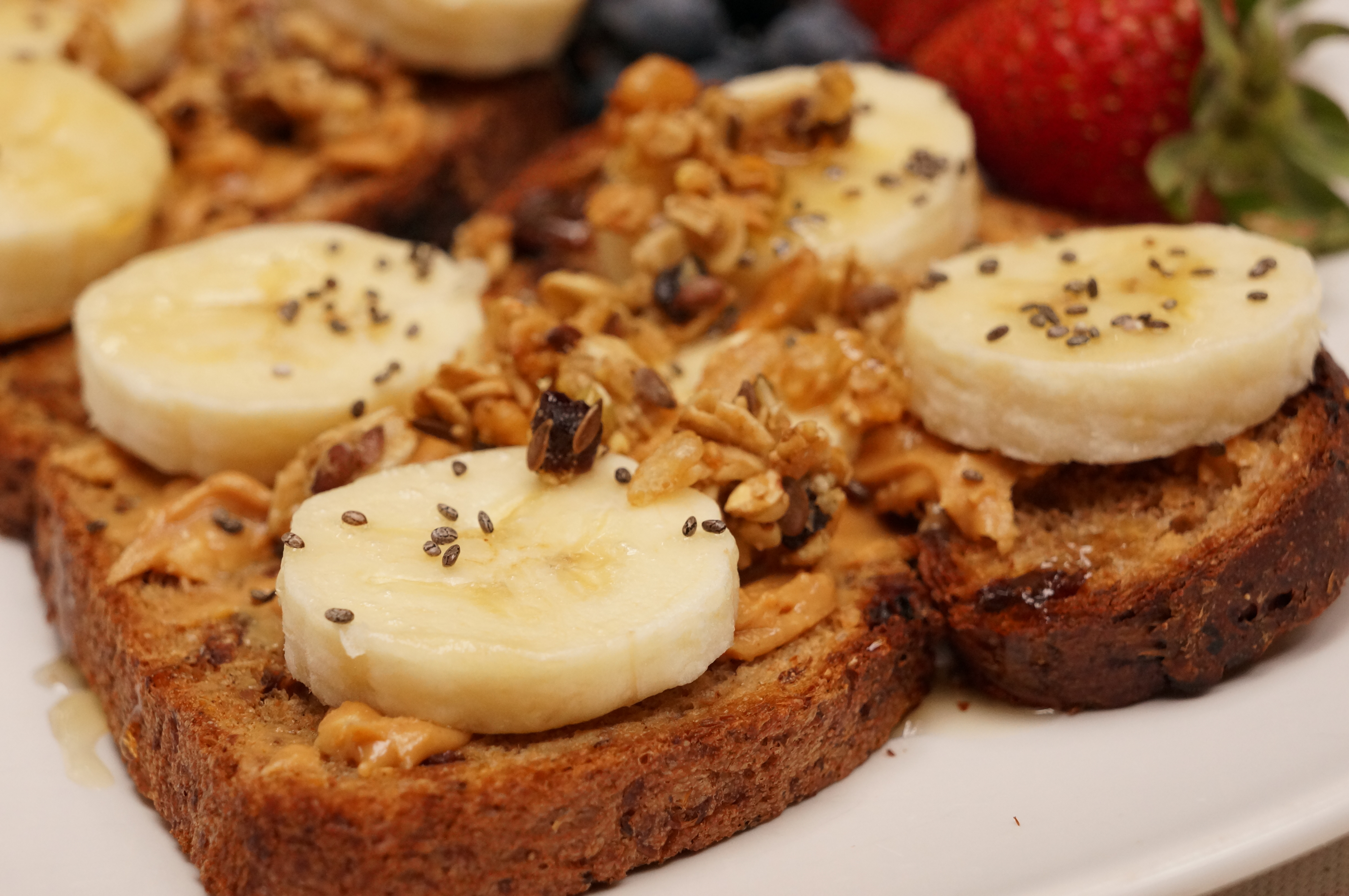
- Spread on toast with sliced bananas and a pinch of flaky salt.
- Swirl into oatmeal with jam for a nut-free PB and J vibe.
- Blend into smoothies for creamy body and protein.
- Whisk into a quick sauce with soy sauce, lime, garlic, and warm water for noodles or crunchy salads.
- Use in baked goods where you would use peanut butter, keeping in mind sunflower seed butter can shift green in recipes with baking soda. If you see it, it is harmless.
Storage and reheating
How to store it
For the most spreadable texture, store sunflower seed butter in a cool pantry if your kitchen is not too warm. Refrigeration makes it thicker and sometimes stiff.
- Room temperature: Keep in a clean jar with a tight lid, away from sunlight and heat sources. Stir if natural oil separation occurs.
- Refrigerator: Extends freshness but firms the butter. If you refrigerate it, let it sit on the counter for 10 to 15 minutes before spreading, or scoop what you need and warm it briefly.
If it hardens in the fridge
It happens. Sunflower seed butter can firm up more than peanut butter when chilled, especially if you made it without added oil.
- Warm what you need: Scoop a portion into a bowl and let it sit at room temperature for 10 to 15 minutes, then stir.
- Loosen the jar: Stir in 1 teaspoon neutral oil right in the jar until the texture relaxes.
- Next time: Add 1 to 2 tablespoons oil during processing for a more spoonable butter at cold temps.
Separation is normal
Natural separation happens with homemade seed butter. To reduce it, process until very smooth and glossy, and consider adding 1 to 2 teaspoons oil for a slightly more stable, spoonable texture. Stir well after the first day in the jar.
Jar habits that help
- Cool the seed butter to room temperature before sealing the jar to avoid condensation.
- Use a clean spoon every time.
- If it thickens over time, stir in a teaspoon of neutral oil right in the jar.
Common mistakes
Over-toasting the seeds
If the seeds are brown instead of golden, the butter will taste bitter no matter how much sweetener you add later.
Stopping the processor too early
When it looks like thick paste, it is tempting to call it done. Give it a few more minutes. The biggest jump in creaminess happens at the end.
Letting the processor run too hot
Continuous blending can overheat the oils in the seeds, which can deepen color and dull flavor. Use bursts, scrape often, and pause if the bowl feels hot.
Adding salt or sweetener too early
Salt and sugars can keep the mixture feeling gritty if they do not fully dissolve. Add them after the butter is already smooth.
FAQ
Why did my sunflower seed butter turn dark?
Most often it is from seeds that were toasted too deeply or from heat buildup during long processing. Aim for golden seeds, let them cool a bit, and process in short bursts with pauses. If you are using pre-roasted seeds, the color can start darker right out of the gate, so keep an even closer eye on heat.
Why does sunflower seed butter sometimes taste bitter?
Bitterness usually comes from over-toasting. A secondary cause is overheating during blending, which can make the flavor taste scorched. If the seeds taste good before blending, the butter should taste good after.
My sunflower seed butter is dry and crumbly. What happened?
This is almost always an under-processed stage, not a failure. Sunflower seeds go sandy, then clumpy, then they look like a stiff dough before they finally turn glossy. Keep processing in bursts and scraping the bowl. If, after several more minutes, it is still stubbornly dry, drizzle in neutral oil a teaspoon at a time until it relaxes.
My sunflower seed butter is gritty. How do I fix it?
Grittiness usually means you stopped a little early or your processor needs more time to get past the paste stage. Let it run longer in short bursts, scraping often. Another culprit is adding salt or sweetener too early, which can keep the texture from smoothing out. In this recipe, they go in at the end for that reason.
Do I have to add oil?
No. Many batches become creamy on their own if you process long enough. Oil is most helpful if your processor struggles, your seeds are very dry, or you want a looser, more spreadable texture, especially after refrigeration.
Why does sunflower seed butter sometimes turn green in baking?
Sunflower seeds contain chlorogenic acid, which can react with baking soda and shift to a greenish color. It looks surprising, but it is harmless. If you want to reduce it, use baking powder instead of baking soda when you can, or pair baking soda with an acidic ingredient like lemon juice, yogurt, or brown sugar. The color change is most noticeable in pale batters like muffins, quick breads, and sugar-cookie style doughs.
Can I make it crunchy?
Yes. Make the butter smooth first, then pulse in a small handful of toasted seeds until you like the texture.
The recipe
Sunflower Seed Butter
A creamy, nut-free sunflower seed butter made from gently toasted kernels, blended until glossy and spreadable. Includes timing cues, oil options, and tips to prevent bitterness and excess darkening.
- Prep
- 5 minutes
- Cook
- 10 minutes
- Total
- 25 minutes
- Yield
- About 1 1/4 cups
Ingredients
- 3 cups (about 420 g) raw, unsalted, shelled sunflower kernels
- 1/2 to 1 teaspoon fine sea salt, to taste
- 1 to 3 tablespoons neutral oil (avocado, grapeseed, sunflower), as needed for looseness
- Optional: 1 to 2 teaspoons honey or maple syrup
Instructions
- Toast the sunflower seeds. Preheat the oven to 325°F (163°C). Spread the sunflower kernels in an even layer on a rimmed baking sheet. Toast for 8 to 12 minutes, stirring well halfway through, until the seeds smell nutty and look lightly golden with a few deeper toasted spots. Do not let them turn brown.
- Cool briefly. Let the seeds cool on the pan for 5 to 10 minutes. They should be warm, not hot. This helps prevent the butter from overheating and turning dark or tasting bitter.
- Start processing. Transfer the warm seeds to a food processor. Process for 1 minute, then stop and scrape down the bowl.
- Keep going through the stages. Continue processing in 1 minute bursts, scraping down the bowl between bursts. The mixture will go from sandy to clumpy to a thick paste. This usually takes 6 to 10 minutes total depending on your machine.
- Loosen with oil if needed. Once you have a thick paste, process again and drizzle in 1 tablespoon neutral oil. Continue processing until glossy and smoother, 1 to 3 minutes more. If you want a looser, more spreadable texture, add up to 1 to 2 more tablespoons oil, processing until fully incorporated.
- Season. Add 1/2 teaspoon salt and process 15 to 30 seconds. Taste and add more salt as needed. If using honey or maple syrup, add it now and process 15 to 30 seconds more.
- Jar and cool. Scrape the sunflower seed butter into a clean jar. Let it cool to room temperature before sealing with a lid.
- Stir before using. If you see natural oil separation after sitting, stir well. For the best texture, give it a thorough stir after the first day in the jar.
Notes
- Toast level matters: Pull the seeds at golden. If they are brown, the butter will taste bitter.
- Processor timing: Expect 8 to 12 minutes of total processing time, in bursts, for a truly creamy texture.
- Oil guidance: Oil is optional. Add only after a paste forms, and only as much as you need for spreadability.
- To keep color lighter: Avoid over-toasting, cool the seeds briefly, and pause the processor if the bowl feels hot.