
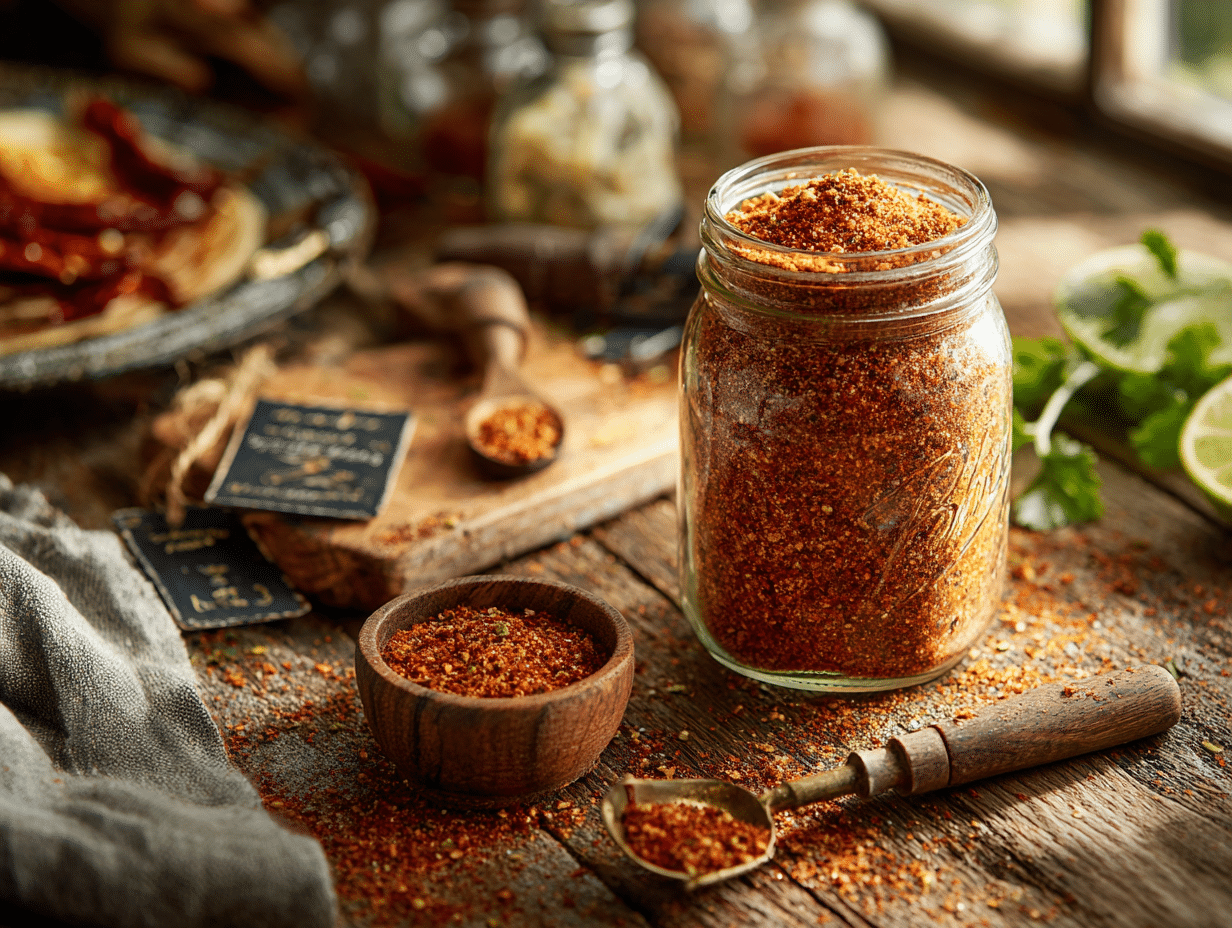
If you have ever opened a packet of taco seasoning and thought, “I could absolutely make this,” you are right. Homemade taco seasoning is one of those small kitchen habits that pays you back fast: you control the salt, you can nudge the heat up or down, and you can make a big batch once so Taco Tuesday feels like a shortcut, not a project.
As a former bakery manager, I love anything that is mostly measuring, takes five minutes, and makes the rest of dinner run smoother. This blend is warm and savory-forward (chili and cumin), a little smoky (paprika), and rounded out with garlic, onion, and oregano.

What makes a great taco seasoning
Taco seasoning is really a balance of a few flavor categories. When you understand the role of each one, you can confidently tweak the blend without overthinking it.
- Chili powder: The base flavor. Most American chili powder is a blend (often mild) and gives that classic taco taste.
- Cumin: Earthy and toasty. This is what makes the seasoning taste like tacos instead of general “spiced meat.”
- Paprika: Color plus sweetness. Smoked paprika adds a gentle campfire vibe without needing liquid smoke.
- Garlic and onion powder: Savory depth that feels like you cooked longer than you did.
- Oregano: Adds a slightly herbal lift. Mexican oregano is wonderful if you have it, but regular oregano is totally fine.
- Salt: Helps everything pop. I like to include it, but I will show you how to keep the blend salt-free too.
- Cayenne or chipotle: Optional heat. Add it if your household likes a kick.
Homemade taco seasoning recipe
This makes about 4 tablespoons. Taco seasoning packets vary by brand, but many are around 2 to 3 tablespoons (about 1 ounce), so think of this as one generous batch or two lighter batches. Double or triple it if you want a jar ready to go.
Ingredients (makes about 4 tablespoons)
- 2 tablespoons chili powder
- 1 tablespoon ground cumin
- 2 teaspoons paprika (smoked paprika if you like it smoky)
- 1 teaspoon garlic powder
- 1 teaspoon onion powder
- 1 teaspoon fine sea salt (optional, see salt-free notes below)
- 1/2 teaspoon dried oregano
- 1/2 teaspoon black pepper
- 1/4 teaspoon cayenne pepper (optional, for heat)
Instructions
- Whisk all spices together in a small bowl until evenly combined.
- Funnel into a clean, dry jar with a tight lid.
- Label it if you are the kind of person who forgets what the mystery jar is in three weeks. No judgment.
Yield and serving
Use: 2 to 3 tablespoons per 1 pound of meat or 2 cups cooked beans/lentils. You may not use the entire batch for one pound, depending on how bold you like it.
How much to use
The most common question is how this translates to actual dinner. Here is the simple guide I use at home.
For 1 pound ground beef, turkey, chicken, or pork
- Use 2 tablespoons for a mildly seasoned filling.
- Use 3 tablespoons for bold, street-taco vibe.
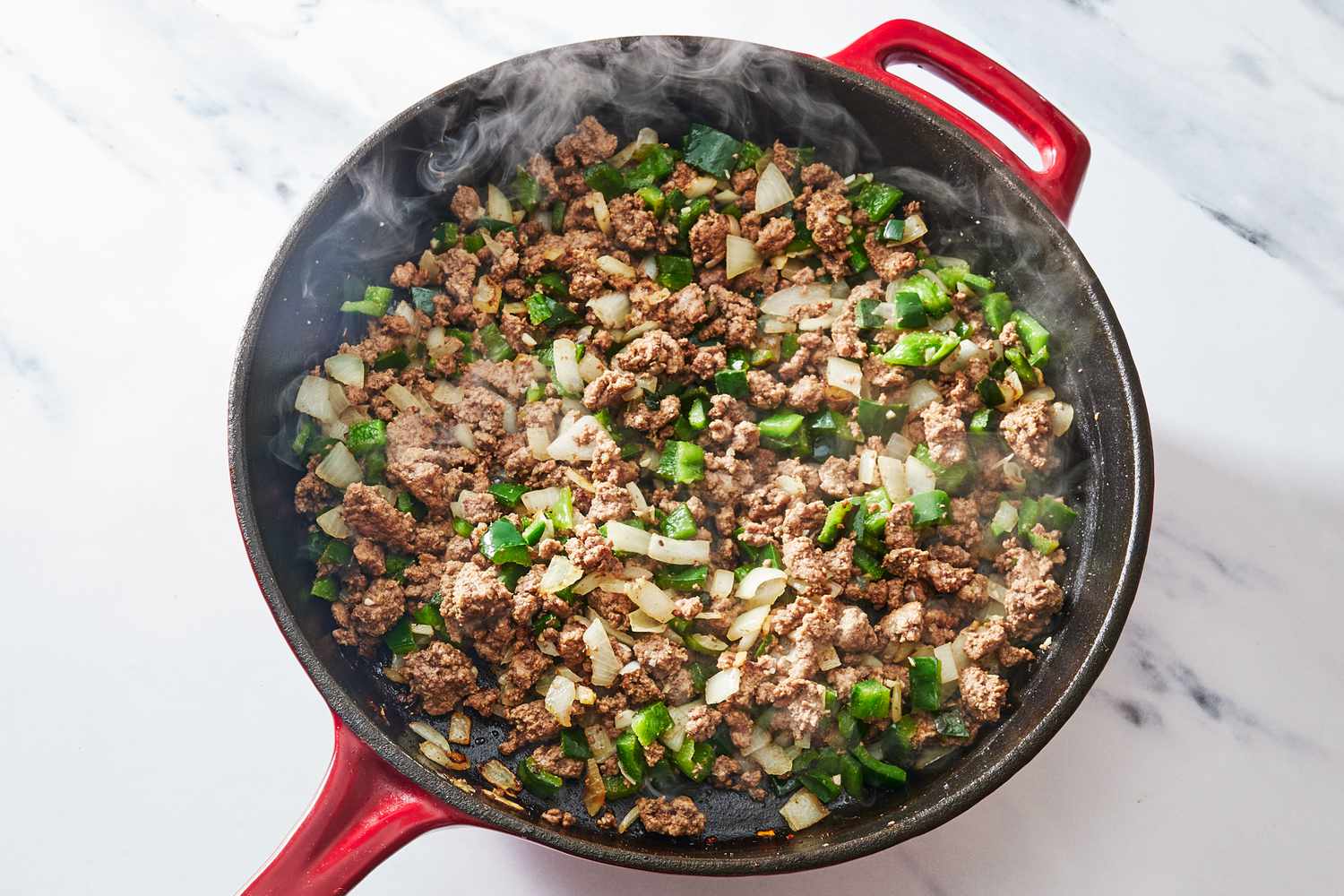
Cooking method: Brown the meat, drain excess fat if needed, then sprinkle in the seasoning. Add 1/3 to 1/2 cup water, stir well, and simmer for 2 to 4 minutes until saucy. The water helps the spices bloom and coat everything instead of tasting dusty.
For beans (vegetarian tacos)
For 2 cups cooked beans (black beans, pinto beans, or lentils), start with 1 to 1 1/2 tablespoons seasoning plus a splash of water or broth. Warm gently, mash a little for a creamier texture, and taste for salt at the end, especially if you made the blend salt-free.
Easy variations
This is where homemade seasoning really shines. Pick the vibe you want and adjust one or two ingredients.
Less spicy (kid-friendly)
- Skip cayenne.
- Use regular paprika instead of smoked if smoke reads as “spicy” to sensitive eaters.
Hotter
- Add 1/4 teaspoon more cayenne, or swap cayenne for chipotle powder for smoky heat.
- Finish cooked taco meat with a spoonful of adobo sauce from canned chipotles if you have it.
Smokier
- Use smoked paprika.
- Add 1/4 teaspoon chipotle powder (optional).
Salt-free
Simply omit the salt from the mix. Season your meat or beans with salt while cooking, tasting as you go. This is especially helpful if you are watching sodium or using salty toppings like queso fresco, olives, or jarred salsa.
More restaurant-style savory depth
- Add 1/2 teaspoon ground coriander if you have it.
- Add 1/2 teaspoon cornstarch to the blend if you love a thicker, clingier taco meat sauce (this mimics many packets).
Notes and substitutions
Use what you have. Taco night is not the time for a special grocery run unless you want one.
- No chili powder? Chili powder is usually a blend, so the closest swap is a mild ground chile plus a little extra support. Try 2 tablespoons ancho or New Mexico chile powder (or paprika if that is what you have) plus an extra 1/2 teaspoon cumin and a pinch of garlic powder if needed. If all you have is cayenne, use just a tiny pinch for heat and lean on paprika for body.
- Garlic salt instead of garlic powder? You can use it, but reduce or omit the added salt in the recipe.
- Mexican oregano vs. regular oregano: Mexican oregano is slightly citrusy and robust. Regular oregano is still delicious here.
- Whole spices: If you have whole cumin, toasting and grinding it makes the biggest flavor difference. Toast in a dry pan 30 to 60 seconds until fragrant, then grind.
- Scaling up: Multiply the recipe by 4 for about 1 cup of seasoning (great for a small jar).
- Gluten-free note: This blend is naturally gluten-free, but if you are highly sensitive, use certified gluten-free spices to avoid cross-contamination.
Storage and shelf life
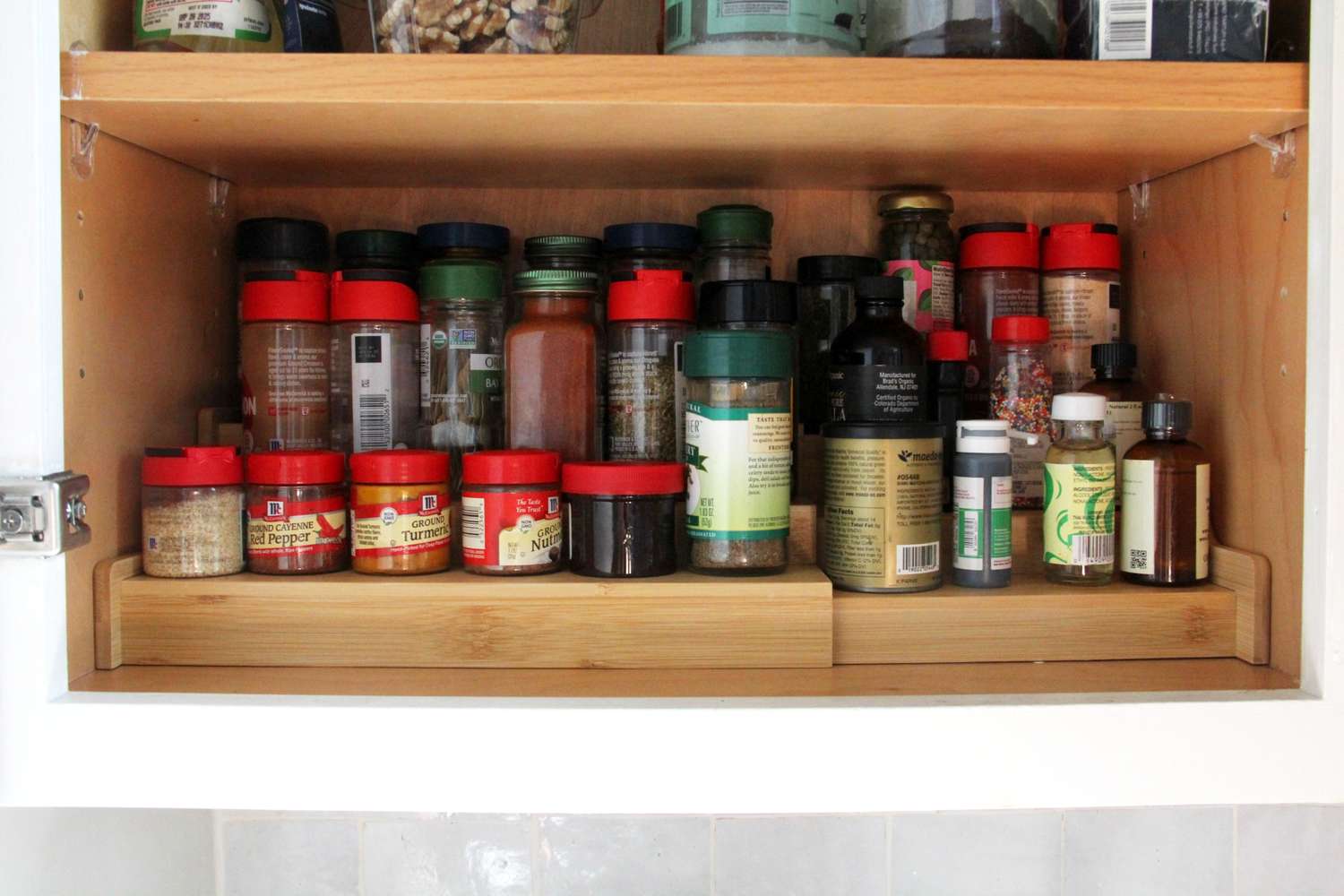
Keep your seasoning in an airtight jar in a cool, dark cupboard. It will stay tasty for a long time, but the flavor is best while the spices are still fragrant.
- Best flavor: often within 3 to 6 months
- Still usable: up to 1 year, though it slowly dulls over time
My quick test: Rub a pinch between your fingers and smell it. If it smells like something you want to eat, it is good. If it smells like cardboard, time to refresh.
Beyond tacos
This blend is basically a weeknight multitool.
- Roasted vegetables: Toss cauliflower, sweet potatoes, or zucchini with oil and 1 to 2 teaspoons seasoning. Roast at 425°F until browned.
- Sheet pan chicken: Rub chicken thighs with oil, seasoning, and a squeeze of lime. Roast alongside peppers and onions.
- Taco soup: Add 1 to 2 tablespoons to chili, tortilla soup, or bean soup for instant depth.
- Popcorn: Sprinkle a tiny pinch over buttered popcorn for a savory snack. Start small, it is potent.
- Breakfast: Stir into scrambled eggs or sprinkle on roasted breakfast potatoes.
FAQ
Is homemade taco seasoning cheaper than packets?
Usually, yes, especially if you already keep the core spices on hand. The bigger win is flexibility: you can make it lower-sodium, skip ingredients you dislike, and scale it up easily.
How much homemade taco seasoning equals one packet?
Packets vary by brand, but many are roughly 2 to 3 tablespoons (about 1 ounce). Start with 2 tablespoons, then add more to taste.
Why does my taco meat taste sandy or bitter?
This usually happens when the spices do not get a chance to hydrate. After adding seasoning, always add a splash of water or broth and simmer a few minutes. If it tastes bitter, reduce cayenne and make sure your spices are not very old.
Can I use this for chicken tacos and fish tacos?
Yes. For chicken, it is perfect as-is. For fish, use a lighter hand and lean into citrus: 1 to 2 teaspoons seasoning plus plenty of lime, then cook quickly so the spices do not scorch.
Little confidence boost: if your first batch tastes a touch flat, it almost always needs one of two things, a pinch more salt or a squeeze of lime at the end. Tiny adjustments make taco filling taste like it came from your favorite spot.