
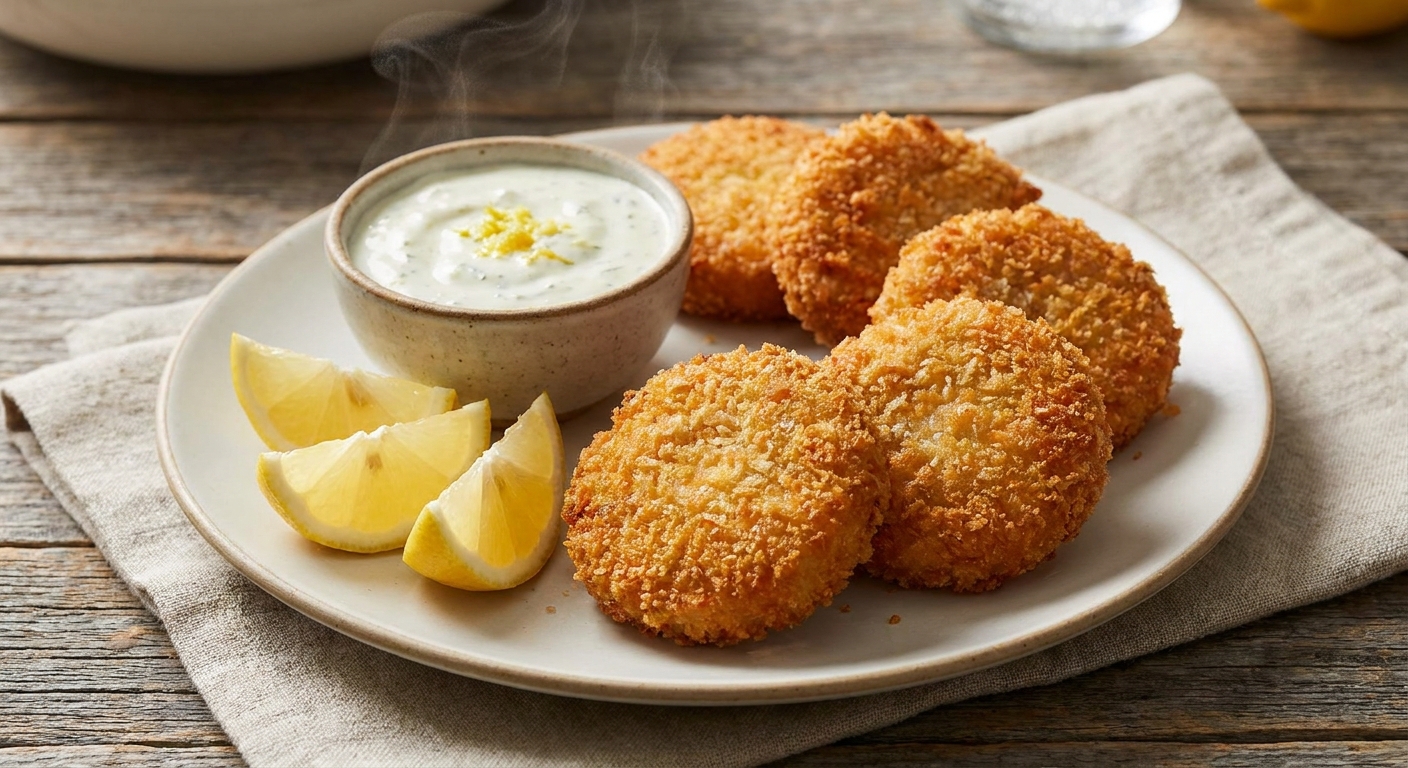
If you have ever tried to turn shrimp into a patty, you know the two problems. It carries a lot of moisture, and it has that springy texture that can be harder to bind than some fish cakes. The good news is you do not need a mountain of breadcrumbs to fix either one. With the right binder, a little chill time, and a hot pan, these hold together and cook up crisp.

I learned this style of seafood cake years ago when I was managing a bakery and constantly looking for savory lunch specials that felt special but used simple ingredients. Shrimp cakes became my go-to because they cook fast, and if you freeze them the right way, they keep their best texture for quick weeknight dinners.
Here is what to expect: chopped shrimp for texture (not a smooth paste), a light hand with filler so they stay shrimp-forward, and a short rest in the fridge so the cakes firm up and keep their shape. I like a mix where part of the shrimp is chopped very fine to help everything hold together, while the rest stays chunky so the middle stays juicy. If you can stir, scoop, and flip, you can make these.
Why shrimp cakes fall apart
Shrimp releases moisture as it warms, and salt can pull water to the surface. Too much liquid in the mix makes cakes that spread, crack, and steam instead of crisp. The fix is a simple balance: start with shrimp that is as dry as you can get it, then use just enough absorbent filler to catch any excess without turning the cakes bready. A binder like egg with a little mayo helps the mixture cling together without making it heavy.
The sauce I always want
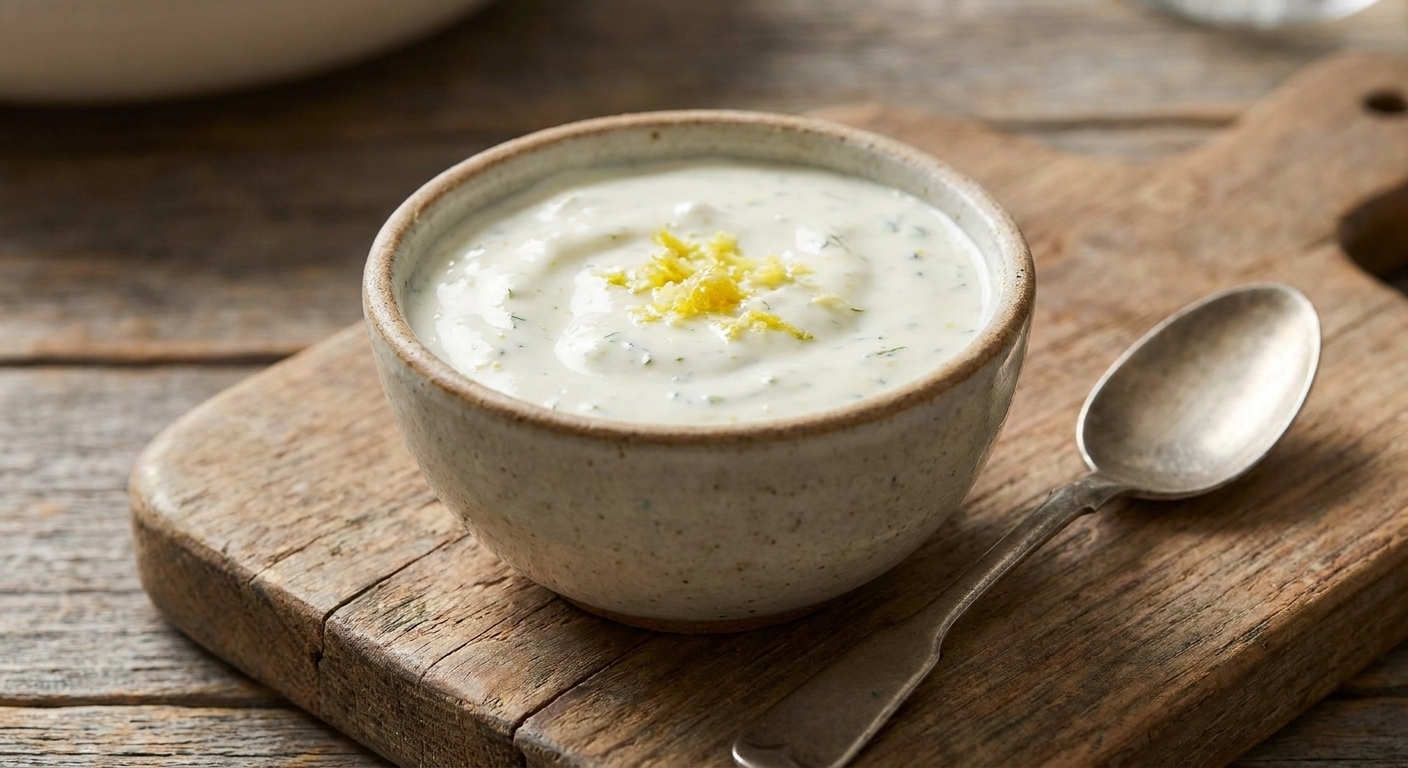
I love a sauce that cuts the richness of pan-frying. The one paired with this recipe is a lemony mayo sauce with Dijon, garlic, and herbs. It is bright, a little tangy, and it makes the shrimp taste even sweeter. If you want heat, a little hot sauce or cayenne disappears into it beautifully.
Why this recipe works
- Chopped shrimp gives you a meaty texture. Some shrimp is finely chopped to help the cakes bind, while the rest stays chunkier for that satisfying bite.
- Moisture is managed from the start. Drying the shrimp and adding a measured amount of breadcrumbs prevents soggy cakes and helps them brown.
- Binder is present, not dominant. Egg and mayo (or Greek yogurt) hold the mixture together without making it rubbery.
- Chilling time sets the shape. A short rest in the fridge firms the mixture so it is easy to form and far less likely to fall apart in the pan.
- Pan heat does the crisping. Medium-high heat and a thin layer of oil creates a golden crust quickly, before the interior overcooks.
Ingredient notes
Shrimp
Use raw shrimp, peeled and deveined. Any size works, but medium to large shrimp are easiest to chop. If using frozen shrimp, thaw completely and pat very dry. Excess water is the enemy here.
Binder: egg and mayo
One egg is usually enough for about 1 pound of shrimp. Mayo adds richness and helps the mixture feel cohesive. If you prefer, plain Greek yogurt works too, though it will taste a little tangier.
Filler: panko or breadcrumbs
Panko keeps things light and crisp. Regular breadcrumbs work, but the texture is a bit tighter. Start with the amount in the recipe and only add more if the mixture feels wet and loose.
Aromatics and seasoning
Green onion, parsley, lemon zest, garlic, and a little Old Bay (or paprika plus celery salt) make the cakes taste like something you would order out. Salt matters, but add it to the mix right before chilling so it does not draw out too much moisture too early.
Lemon
Zest in the cakes, juice in the sauce. Zest brings big lemon flavor without watering down the mixture.
Equipment you will need
- Cutting board and sharp knife (or food processor used carefully)
- Large mixing bowl
- Measuring spoons and cups
- Sheet pan or plate for chilling the formed cakes
- Large nonstick or cast-iron skillet
- Thin spatula for flipping
- Paper towels for draining
Pro tips
- Dry the shrimp thoroughly. After thawing or rinsing, pat shrimp dry with paper towels. If you skip this, you will end up compensating with too much filler.
- Chop in two textures. Finely chop about one-third of the shrimp until it looks almost minced, then chop the rest into small pieces. The mince helps binding, the pieces keep it juicy.
- Test a mini cake first. Pan-fry a tablespoon-sized patty. If it breaks, add 1 to 2 tablespoons more breadcrumbs and chill again. If it is dry, reduce filler next time and rely on chilling.
- Chill until the cakes feel firm. You are looking for patties that lift cleanly from the tray and do not slump. Thirty minutes is a good baseline, longer is even better if you have time.
- Flip once. Let a crust form before you touch them. If you try to flip too early, they stick and tear.
- Do not overcook. Shrimp goes from juicy to rubbery fast. Pull the cakes when they are deeply golden and feel set in the center. Residual heat finishes the job.
Substitutes that work
- No panko? Use regular breadcrumbs or crushed saltines. If using crackers, start with a little less because they can absorb quickly.
- No mayo? Swap in plain Greek yogurt or sour cream. The cakes may taste slightly tangier, which is lovely with lemon.
- No Old Bay? Use 1 teaspoon paprika plus a pinch of celery salt and black pepper.
- Gluten-free: Use gluten-free panko or fine gluten-free breadcrumbs. Chill time becomes even more important.
- Egg-free: This one is tricky because egg is doing real structural work. If you need egg-free, try 3 tablespoons aquafaba plus 1 tablespoon mayo, and plan to chill longer. Handle gently in the pan.
Variations
Spicy shrimp cakes
Add 1 to 2 teaspoons hot sauce to the mixture and a pinch of cayenne. Serve with the same sauce plus extra lemon.
Thai-ish herb shrimp cakes
Swap parsley for cilantro, add a little grated ginger, and serve with sweet chili sauce or a limey mayo.
Corn and shrimp cakes
Fold in 1/2 cup well-drained corn kernels for little pops of sweetness. If using frozen corn, thaw and pat dry first.
Extra-crispy crust
After forming, lightly press the outsides of the cakes into panko, then chill. This gives a crunchier exterior without adding much filler inside.
Serving ideas
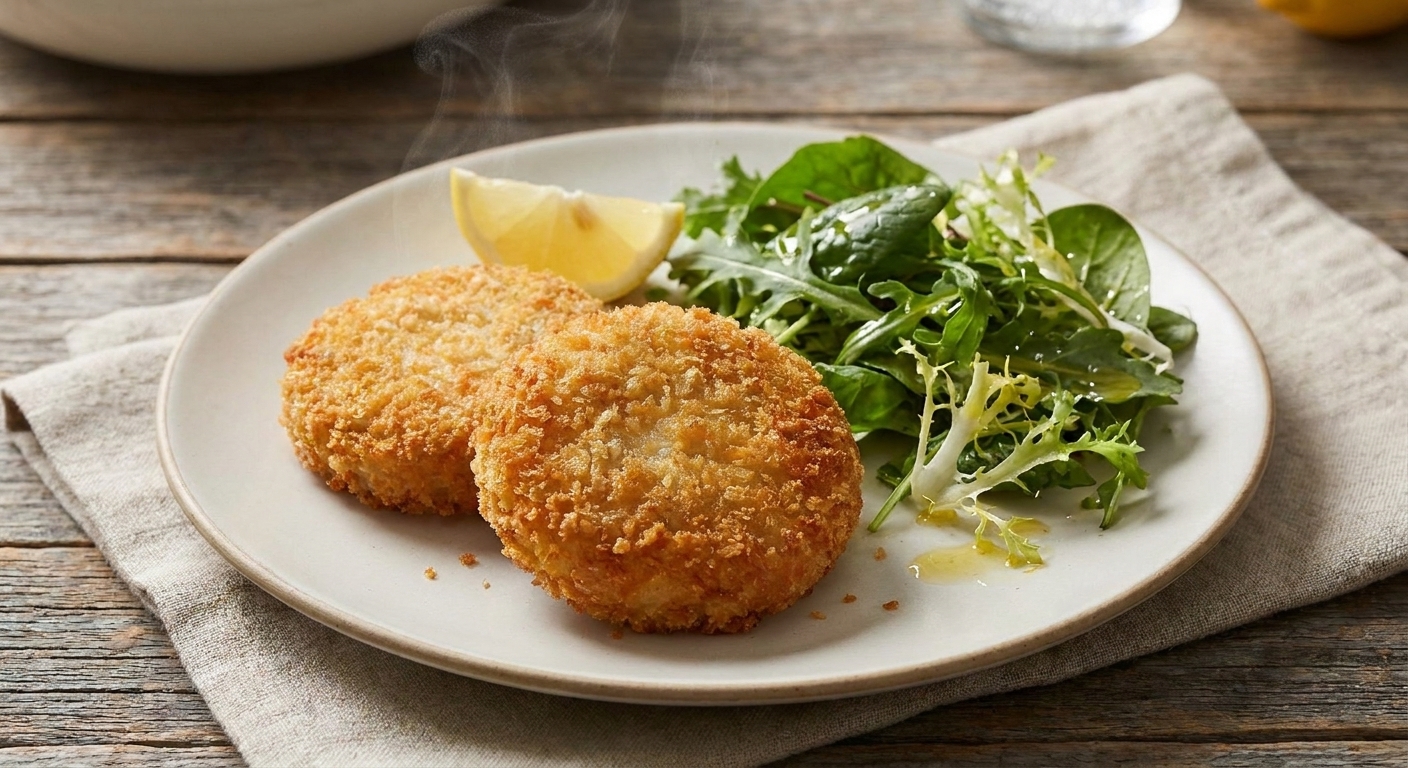
- As a main with a simple salad and roasted potatoes
- In a toasted bun with lettuce, tomato, and extra sauce
- Over rice with cucumber salad and quick pickles
- As an appetizer: make smaller patties and serve with toothpicks and lemon wedges
- With a warm vegetable side like sautéed green beans or corn succotash
Storage and reheating
Storing cooked shrimp cakes
Cool completely, then refrigerate in an airtight container for up to 3 days. Place parchment between layers to keep the crust from sticking.
Reheating
For the best crispness, reheat in a skillet with a thin slick of oil over medium heat until warmed through. You can also use an oven at 375°F until hot, but the skillet brings back the crust faster.
Freezing
Freeze uncooked formed patties on a parchment-lined sheet pan until firm, then transfer to a freezer bag. For best texture, use within 1 to 2 months. Cook from frozen over medium heat, adding a few extra minutes per side, or thaw overnight in the fridge first for more even cooking.
Sauce storage
Keep dipping sauce covered in the fridge for up to 5 days. Stir before serving.
Common mistakes
- Using wet shrimp. If the mixture feels soupy, it is almost always moisture. Dry shrimp thoroughly and keep add-ins like herbs and onions finely chopped and not watery.
- Overloading the binder. Too much breadcrumb makes cakes dense and bready. Add the minimum that holds, then rely on chilling.
- Skipping the chill. Chilling is not optional if you want clean flipping. It lets breadcrumbs hydrate and the mixture firm up.
- Pan too cool. A lukewarm pan leads to sticking and pale cakes. You want a steady sizzle when the cakes hit the oil.
- Moving them too soon. Let the first side brown until you can slide a spatula under with confidence.
- Overcooking. Shrimp turns rubbery quickly. Cook just until firm and golden.
FAQ
How much binder do shrimp cakes need?
For about 1 pound of shrimp, one egg plus a few tablespoons of mayo and a modest amount of panko is usually plenty. If the mixture is very wet, add breadcrumbs a tablespoon at a time. The goal is a mix that holds when pressed, not a stiff paste.
Why are my shrimp cakes falling apart?
The most common reasons are: the shrimp was too wet, the mixture did not chill long enough, or the pan was not hot enough to set the crust quickly. If you are in a hurry, form the patties smaller and chill them in the freezer for 10 to 15 minutes before cooking.
Can I use cooked shrimp?
You can, but the texture will be drier and the shrimp can get rubbery when reheated in the pan. If cooked shrimp is what you have, chop it, reduce cook time, and focus on browning the outside quickly over medium heat.
Can I make shrimp cakes ahead?
Yes. Form the cakes, cover, and refrigerate for up to 24 hours before cooking. This actually helps them hold together even better.
Should I use a food processor?
You can, but pulse carefully. Over-processing turns shrimp into a paste and the cakes can become springy. I prefer hand-chopping so you keep distinct pieces.
What is the best oil for pan-frying?
Use a neutral oil with a higher smoke point like avocado, canola, vegetable, or grapeseed. A little butter can be added for flavor, but keep oil as the main fat so it does not burn.
The recipe
Shrimp Cakes
Crispy, shrimp-forward cakes made with chopped shrimp, a light binder, and a quick chill so they hold together in the pan. Served with a bright lemony dipping sauce.
- Prep
- 20 minutes
- Cook
- 10 minutes
- Total
- 1 hour
- Yield
- Makes 8 shrimp cakes
Ingredients
- 1 lb (450 g) raw shrimp, peeled, deveined, and patted very dry
- 2 green onions, finely sliced
- 2 tbsp chopped fresh parsley (or cilantro)
- 1 tsp lemon zest
- 1 garlic clove, finely grated or minced
- 1 tsp Old Bay seasoning (or 1 tsp paprika plus a pinch of celery salt)
- 1/2 tsp kosher salt
- 1/4 tsp black pepper
- 1 large egg
- 3 tbsp mayonnaise (or plain Greek yogurt)
- 1/2 cup panko breadcrumbs, plus 2 to 4 tbsp more if needed
- 2 tbsp Dijon mustard, divided
- 3 tbsp mayonnaise (for sauce)
- 1 1/2 tbsp lemon juice (for sauce), plus more to taste
- 1 tsp honey (optional, for sauce)
- 1/2 tsp garlic powder (for sauce)
- 1 tbsp chopped dill or parsley (for sauce)
- 2 to 3 tbsp neutral oil for pan-frying (avocado, canola, or vegetable), more as needed
- Lemon wedges, for serving
Instructions
- Chop the shrimp. Roughly chop all the shrimp. Then take about one-third of it and chop more finely until it looks almost minced. This helps the cakes bind while keeping plenty of pieces for texture.
- Make the dipping sauce. In a small bowl, stir together 3 tablespoons mayonnaise, 1 tablespoon Dijon mustard (reserve the remaining 1 tablespoon for the cakes), lemon juice, honey (if using), garlic powder, and dill or parsley. Cover and refrigerate while you make the cakes.
- Mix the cake base. In a large bowl, combine chopped shrimp, green onions, parsley, lemon zest, fresh garlic, Old Bay, salt, and pepper.
- Add binder. Add the egg, 3 tablespoons mayonnaise, and the remaining 1 tablespoon Dijon mustard. Stir until evenly coated.
- Add breadcrumbs. Sprinkle in 1/2 cup panko and fold until the mixture looks cohesive. If the mixture seems wet or slumps when scooped, add 1 to 2 tablespoons more panko at a time, mixing between additions. The mixture should hold together when pressed.
- Form and chill. Divide into 8 portions and shape into patties about 3/4-inch thick. Place on a parchment-lined plate or sheet pan, cover, and refrigerate for at least 30 minutes (or up to 24 hours). For a faster set, freeze for 10 to 15 minutes.
- Pan-fry. Heat a large skillet over medium-high heat. Add 2 to 3 tablespoons oil. When the oil shimmers, add the chilled cakes in a single layer, leaving space between them. Cook until deeply golden on the first side, 3 to 4 minutes. Flip once and cook until golden and the centers feel set, 2 to 3 minutes more. Work in batches, adding a little more oil if the pan looks dry.
- Drain and serve. Transfer to a paper towel-lined plate. Serve hot with lemon wedges and the chilled dipping sauce.
Notes
Chill time matters: If your cakes have ever fallen apart, extend the fridge rest to 45 to 60 minutes. It makes flipping dramatically easier.
Make them smaller: For appetizer-size cakes, form 12 smaller patties and reduce cook time slightly.
Salt timing: If you are prepping far ahead, you can mix everything except salt, then stir in the salt right before forming and chilling to reduce moisture draw.
Freezer note: These freeze best as uncooked, formed patties. Freeze until firm on a tray, then bag them up to keep the edges from getting banged around. For best quality, use within 1 to 2 months.