
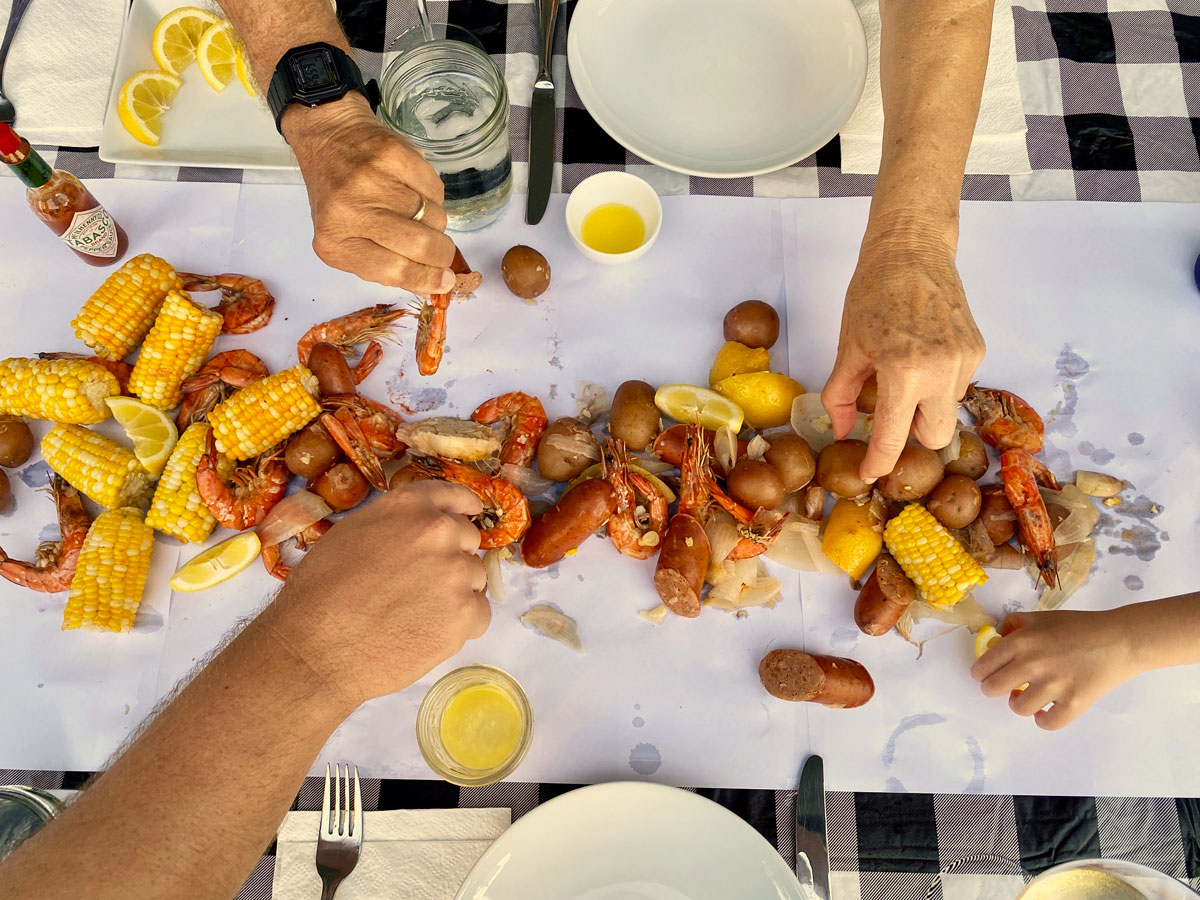
A shrimp boil is one of those meals that feels like a party even when it is just a regular Tuesday. You boil a few humble ingredients in boldly seasoned water, then toss everything with melted butter and lemon and suddenly dinner is loud, fragrant, and deeply satisfying.
This version is intentionally simple. One big pot, straightforward timing, and a seasoning blend you can make work with whatever is in your pantry. You do not need a special burner, a giant outdoor setup, or a seafood market haul to pull this off.

What makes a shrimp boil work
The magic is not complicated, but it is specific. A great shrimp boil is all about layering flavor and respecting cook times. Potatoes need time. Corn needs less. Shrimp needs almost none.
- Season the water generously: Think of it like pasta water. If the broth tastes bland, the food will too.
- Add ingredients in stages: You are building a timeline, not dumping everything in at once.
- Finish with fat and acid: Butter carries spice. Lemon keeps it bright. Together they make the whole pot taste intentional.
Ingredients you need
Here is the core lineup, plus a few optional extras that still keep things easy.
The basics
- Shrimp: Large or extra-large, peeled and deveined. If you like shrimp sizing by count, look for 16/20 or 21/25. Tail on is optional.
- Potatoes: Baby reds or Yukon golds. Small potatoes cook evenly and feel classic.
- Corn: Fresh ears cut into chunks, or frozen corn rounds.
- Sausage: Andouille is traditional, but kielbasa or smoked sausage works beautifully.
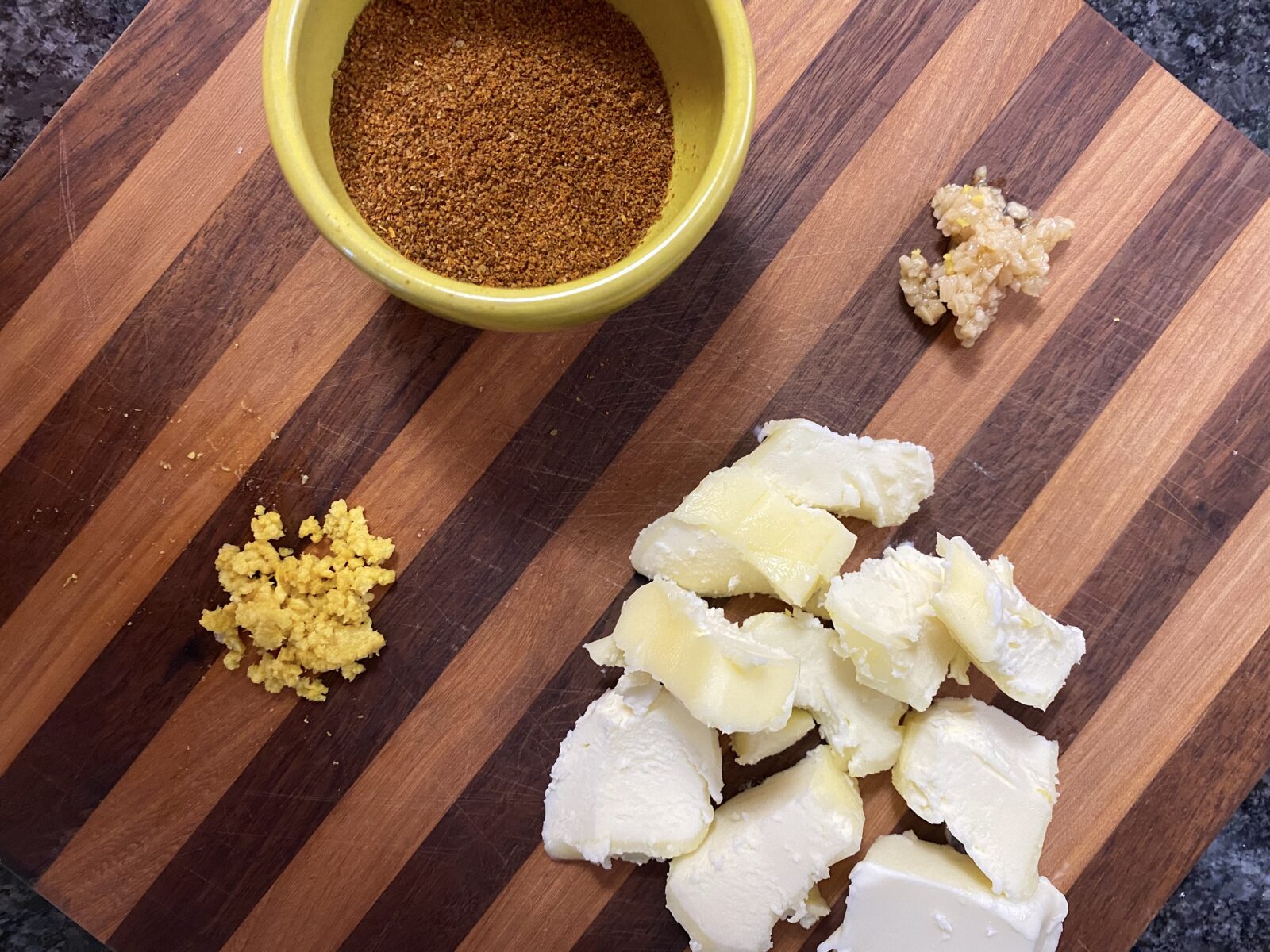
- Seasoning: Old Bay is the easiest route. If you do not have it, you can still make a delicious boil with pantry spices.
- Lemon and butter: Non-negotiable if you want that restaurant-style finish.
Optional but wonderful
- Garlic: A whole head halved, or a few smashed cloves.
- Onion: Quartered onion adds sweetness to the broth.
- Bay leaves: Subtle, but adds that slow-cooked aroma.
- Parsley: A handful at the end makes it feel fresh.
Choosing shrimp
If shrimp shopping ever makes you feel like you need a translator, you are not alone. Here is what matters most for a shrimp boil.
- Size: Look for large or extra-large. Smaller shrimp cook so fast they can turn rubbery if you blink.
- Fresh vs frozen: Frozen shrimp is totally fine, and in many stores it can be better than shrimp labeled "fresh" that was thawed at the counter. Quality still depends on how it was handled and how quickly it was frozen.
- Thawing: Thaw overnight in the fridge, or place shrimp in a colander and run cold water over them for 5 to 10 minutes. Pat dry. For easier cleanup and best food safety, you can also thaw in a sealed bag set in a bowl of cold water. Either way, wash the sink and colander afterward.
- Peeled or shell-on: Shell-on can add a little more flavor, but peeled is easier for weeknights. I usually choose peeled and deveined and call it a win.
Timing
This is the part that turns a good shrimp boil into a great one. You are going to add ingredients based on how long they take to cook, not how cute they look together in the pot.
- Start with potatoes: They need the longest. Boil until tender when pierced with a knife, usually 10 to 15 minutes depending on size.
- Add sausage: It is already cooked, so you are heating and letting it share flavor.
- Add corn: Fresh corn usually needs about 5 minutes. Frozen corn rounds are often quicker, 3 to 5 minutes, so start checking early.
- Add shrimp last: Typically 2 to 3 minutes. Look for pink color and opaque centers. The loose "C" curl is a helpful cue, but treat it as a guideline, not the only test.
My best tip: If your stove runs hot, take the pot off the heat before adding shrimp. The residual heat finishes them gently.
Simple Shrimp Boil Recipe
Simple Shrimp Boil
Serves: 4 to 6
Time: About 35 minutes
Ingredients
- 2 pounds baby red potatoes (or Yukon gold), halved if large
- 4 ears corn, each cut into 3 to 4 pieces (or 12 to 16 frozen corn rounds)
- 12 to 14 ounces andouille, kielbasa, or smoked sausage, sliced into 1-inch rounds
- 2 pounds large shrimp (16/20 or 21/25), peeled and deveined
- 1 lemon, halved (plus extra wedges for serving)
- 4 tablespoons Old Bay (plus more to taste)
- 1 tablespoon kosher salt (see notes)
- 1 teaspoon black pepper
- 4 cloves garlic, smashed (optional)
- 2 bay leaves (optional)
For the buttery finish
- 6 tablespoons butter
- 2 tablespoons lemon juice (from 1 lemon)
- 1 to 2 teaspoons Old Bay (to taste)
- 1 tablespoon chopped parsley (optional)
Instructions
- Boil the seasoned water: Fill a 6- to 8-quart stockpot with 4 quarts (16 cups) water. Add Old Bay, salt, pepper, garlic (if using), and bay leaves (if using). Squeeze the lemon halves into the pot, then drop them in. Bring to a rolling boil. Taste the broth. It should be boldly seasoned, not shy.
- Cook the potatoes: Add potatoes. Once the water returns to a boil, cook until just tender, 10 to 15 minutes. (A knife should slide in with a little resistance, not mush.)
- Add sausage: Stir in sliced sausage and cook 3 minutes.
- Add corn: Add corn and cook until tender, about 5 minutes for fresh and 3 to 5 minutes for frozen rounds.
- Cook the shrimp: Add shrimp and cook just until pink and opaque, 2 to 3 minutes. Turn off the heat as soon as they are done.
- Make the butter sauce: While shrimp cook, melt butter in a small saucepan or microwave-safe bowl. Stir in lemon juice and Old Bay.
- Drain and toss: Reserve a small splash of the seasoned cooking liquid (optional), then drain the pot well. Return everything to the pot (off heat) and drizzle with butter sauce. Toss gently. If you want it saucier, add a spoonful or two of the reserved liquid. Taste and add an extra pinch of seasoning if needed.
- Serve: Pile onto a platter or parchment-lined table. Add lemon wedges and parsley if you like.
Notes
- Salt level: Old Bay is salty. Start with 1 tablespoon kosher salt for 4 quarts water, then adjust next time based on your brand and taste. If using fine salt, use less.
- Do not overcook shrimp: Pull them as soon as they are opaque. Tight "O" shapes usually mean they went a little too far, but the most reliable cues are opaque centers and a tender bite.
- Spice level: Old Bay is more aromatic than spicy. If you want heat, add 1/4 to 1/2 teaspoon cayenne to the water or the butter.
Seasoning swaps
No Old Bay, no problem. You can still get that classic seafood boil vibe with spices you probably already own.
Quick pantry blend:
- 2 teaspoons paprika (smoked or sweet)
- 1 teaspoon garlic powder
- 1 teaspoon onion powder
- 1 teaspoon celery salt (or regular salt plus a pinch of celery seed if you have it)
- 1/2 teaspoon dried thyme
- 1/4 to 1/2 teaspoon cayenne (optional)
- Black pepper to taste
Add it to the boiling water, then taste the broth. It should be boldly seasoned, like a soup you would actually want to sip.
How to serve it
You have options, and none of them require perfect hosting skills.
- Classic table dump: Line the table with parchment, drain the boil, pour it out, and let everyone grab what they love.
- Big platter: Great for smaller kitchens. Pile it up and keep lemon wedges on the side.
- Bowls for a weeknight: Spoon portions into bowls, then drizzle extra butter sauce on top. This is my go-to when I want less chaos.
Make-ahead and leftovers
Shrimp boils are best fresh, but you can still plan ahead in a way that keeps shrimp tender.
Make-ahead ideas
- Prep potatoes and corn: Halve potatoes and cut corn earlier in the day. Store covered in the fridge.
- Mix butter sauce: Melted butter can be made ahead and gently rewarmed. Add lemon at the end for the brightest flavor.
Storing leftovers
- Refrigerate in an airtight container up to 2 days.
- Store shrimp separate from potatoes and corn if possible. Shrimp is the first thing to overcook on reheating.
Reheating
- Best method: Warm potatoes, corn, and sausage in a covered skillet with a splash of water or broth. Add shrimp for the last 30 to 60 seconds, just until warmed through.
- Microwave method: Microwave the non-shrimp items first. Add shrimp at the end in short bursts.
Leftover magic: Chop everything, crisp it in a skillet with a little butter, and top with a fried egg. It is messy in the best way.
FAQ
Can I do a shrimp boil without sausage?
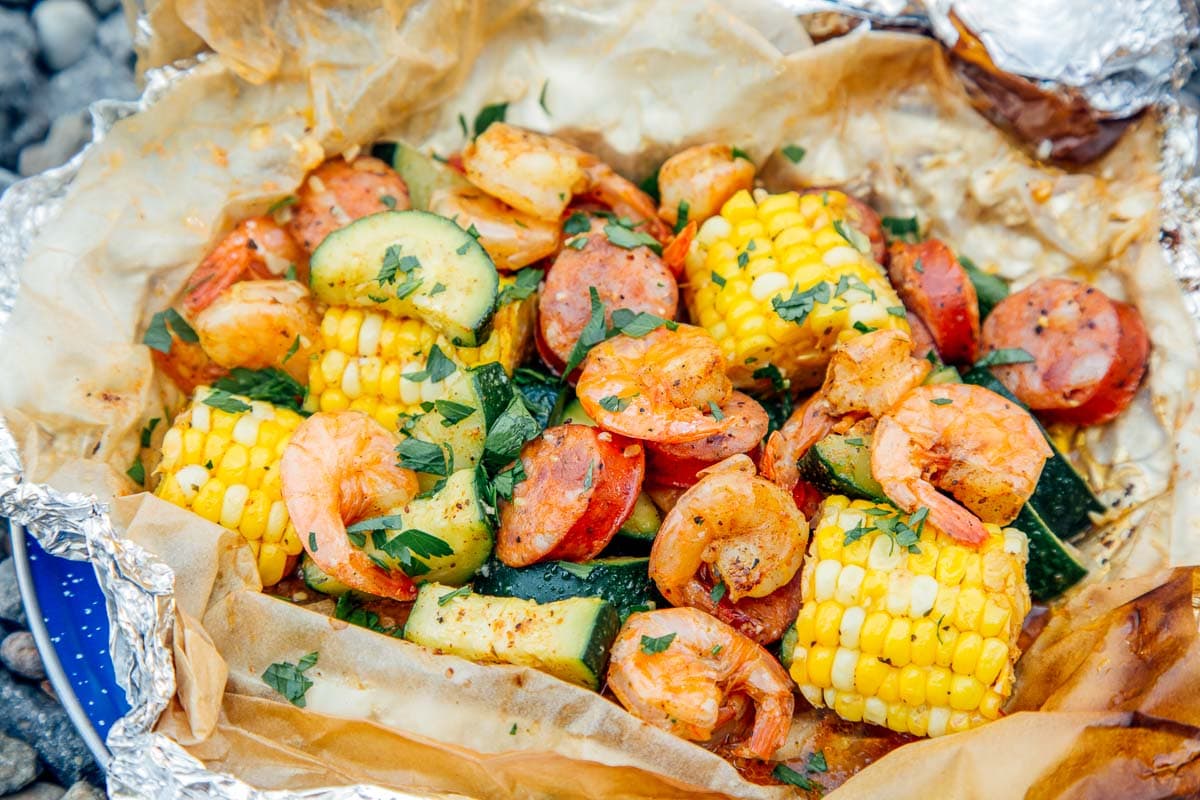
Absolutely. Sausage adds smoky depth, but you can skip it or swap in mushrooms, extra corn, or even chunks of zucchini added at the end.
What kind of potatoes are best?
Baby red potatoes are classic and hold their shape. Yukon golds are creamier. Either works. Just keep pieces similar in size so they cook evenly.
How do I know shrimp is done?
Look for pink color and opaque centers. A loose "C" curl is a helpful cue, but not a guarantee. If you want the most objective check, aim for an internal temperature of 120 to 130 F, then pull them immediately.
Can I make this less salty?
Yes. Use a lower-salt seasoning blend (or a little less of it), reduce the added salt, and rely more on lemon, garlic, and butter for flavor. Different brands vary a lot, so tasting the broth is your best move.
Can I add crab legs or clams?
Yes, with a little timing care. Add crab legs with the corn so they heat through. Add clams near the end and cook just until they open, then stop the heat immediately.