
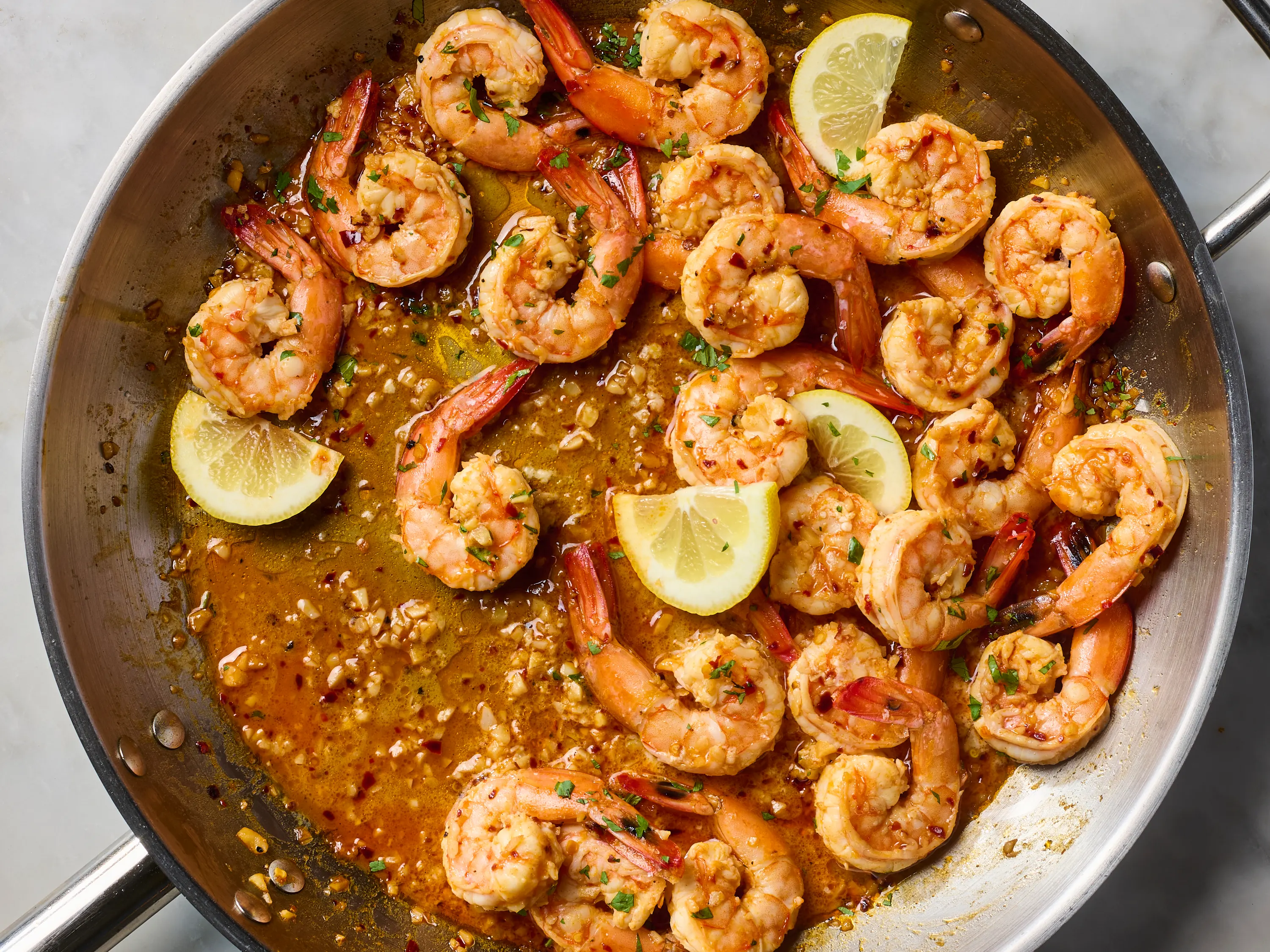
If you keep a bag of shrimp in the freezer, you are never far from a dinner that feels a little special. This zesty shrimp is my go-to when I want something bright and punchy with minimal effort: a quick sear, a lemony pan sauce, and a shower of herbs at the end.
The goal here is balance. You want acid (lemon), savoriness (garlic and a little seasoning), and a touch of richness (butter or a finishing drizzle of olive oil) so the whole thing tastes complete, not sharp. You also want shrimp that are tender, not rubbery. I will walk you through both.

What makes shrimp taste zesty
In my kitchen, “zesty” means bright, citrus-forward flavor that wakes up the whole dish, not just “more lemon.” The trick is layering citrus in two places:
- Lemon zest for aroma and a slightly floral citrus punch
- Lemon juice for the clean, tangy snap
Add garlic for backbone, a pinch of heat if you like, then finish with butter or good olive oil to round the edges. That little bit of fat carries the citrus across your palate and keeps the sauce from tasting one-note.
Ingredient notes (and easy swaps)
This recipe is intentionally flexible. Use what you have, and do not stress about perfection.
Shrimp
- Best size: Large or extra-large shrimp (16 to 25 per pound). They are harder to overcook and stay juicy.
- Frozen is great: “Fresh” shrimp at the seafood counter is often previously frozen, depending on where you live and the season.
- Easy-peel (EZ-peel): Great if you want to peel at home but still keep things quick.
- Peeled and deveined: The fastest weeknight option, and still delicious.
- Tail on or off: Tail-off is easiest for tacos, bowls, and pasta. Tail-on is nice for a platter situation.
- Wild vs farmed: Either works here. Choose what fits your budget and what you like.
Lemon
- Fresh is ideal because zest matters here.
- No lemon? Lime works beautifully for a more taco-friendly direction. In a pinch, use bottled lemon juice, but skip zest and add extra herbs to compensate.
Garlic
- Fresh cloves give the cleanest flavor.
- Garlic powder backup: Use 1 teaspoon garlic powder in the seasoning mix if you are out of fresh garlic.
Butter vs olive oil
- Butter makes a glossy, restaurant-style pan sauce.
- Olive oil keeps it lighter and dairy-free. You can also do half and half.
Spice options
- Red pepper flakes for a gentle heat
- Cayenne for a quicker punch
- Smoked paprika if you want warmth without much heat
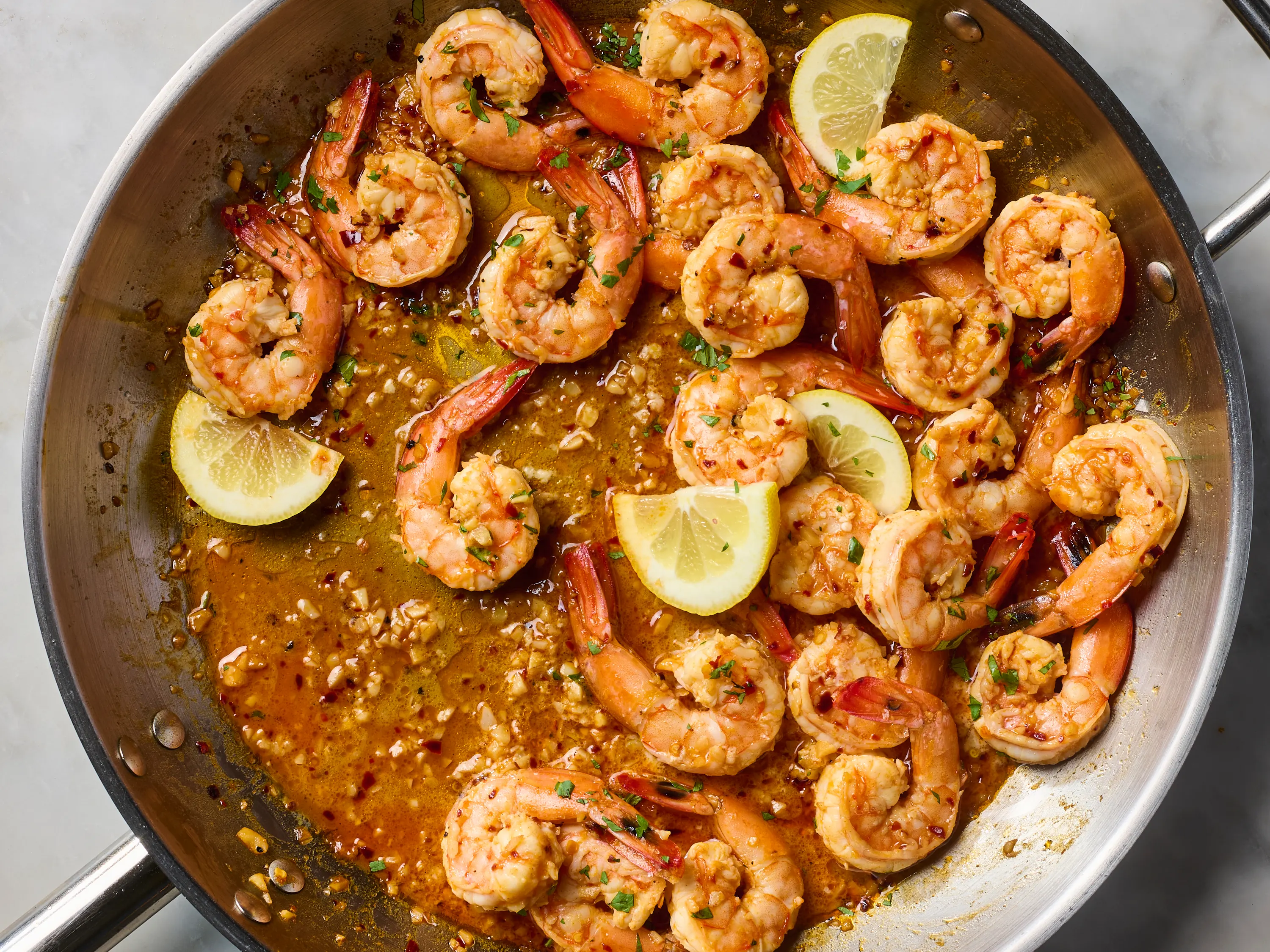
How to thaw shrimp fast
If your shrimp are frozen, here is the method I use most often on busy nights:
- Rinse briefly under cool water to remove any surface ice.
- Soak in cool water for 15 to 20 minutes in a big bowl, or until the shrimp are pliable. Change the water once if it gets slushy.
- Drain and dry well with paper towels. Dry shrimp sear better and do not end up simmering in their own moisture.
Avoid hot water. It can partially cook the shrimp and make the final texture uneven.
Tips for juicy shrimp (the why)
- Pat dry: Moisture on the surface turns your sear into a steam bath.
- High heat, short cook: Shrimp cook fast. High heat gives you flavor quickly without overcooking the center.
- Cook in one layer: If the pan is crowded, shrimp release liquid and you lose that nice browning.
- Pull early: Shrimp continue cooking from residual heat. Take them off when they are just opaque and curled into a loose C-shape. If you like numbers, 145°F (63°C) is a helpful doneness target.
If shrimp curl into a tight O-shape, they often went a little too far. Still edible, just a little less tender. Sauce helps.
Ways to serve zesty shrimp
This is the part where you can stretch one skillet into multiple meals.
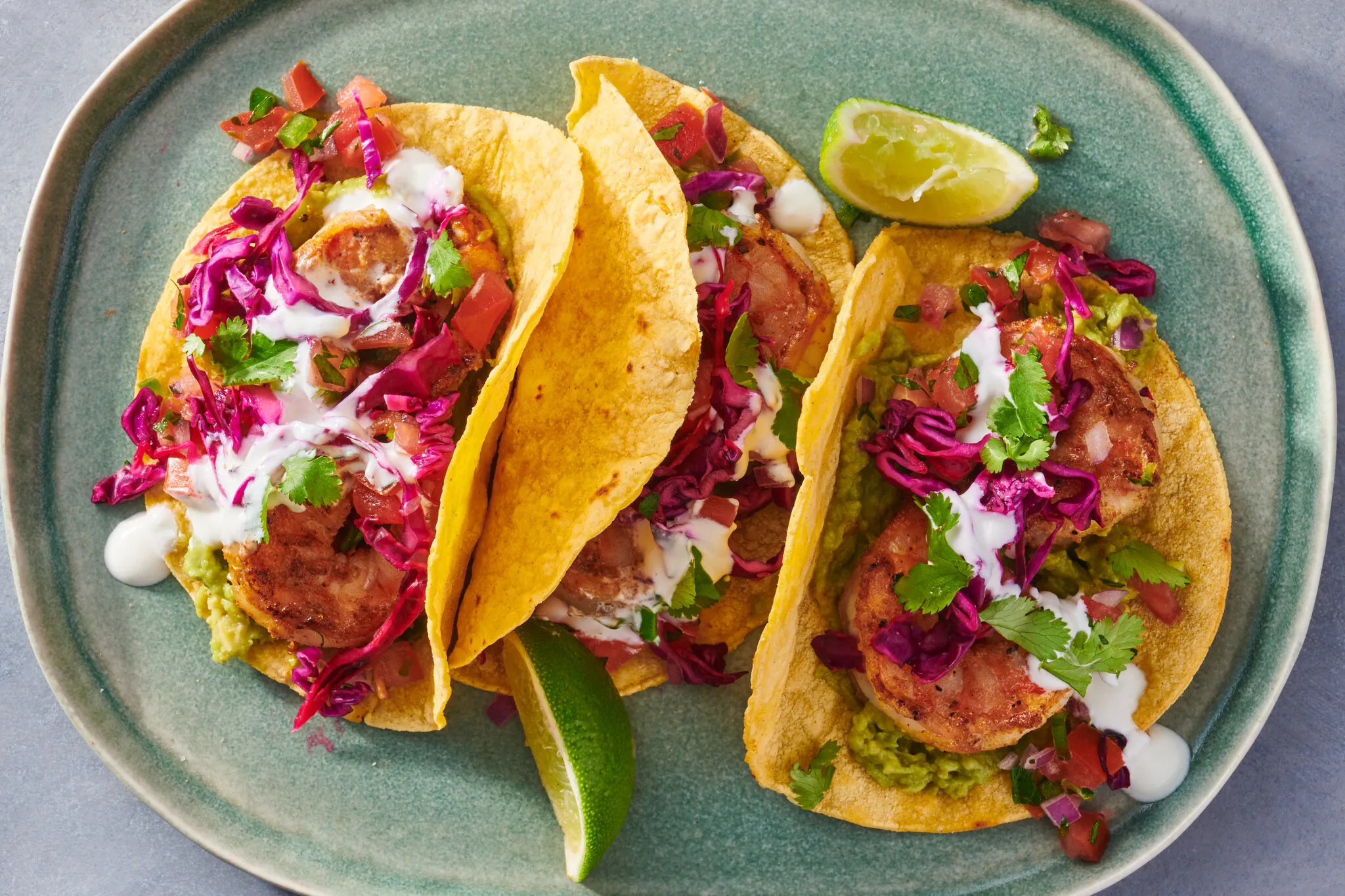
Tacos
- Warm corn tortillas
- Shredded cabbage or romaine
- Avocado or a quick yogurt-lime sauce
- Extra squeeze of lemon or lime at the table
Bowls
- Rice, quinoa, or cauliflower rice
- Black beans or chickpeas
- Corn, cherry tomatoes, and whatever greens you have
Pasta
- Toss the shrimp and sauce with linguine or orzo
- Add a splash of pasta water to help the sauce cling
- Finish with parsley and lots of black pepper
Simple plate
- Serve with roasted broccoli, asparagus, or a big salad
- Spoon the pan sauce over everything
Make-ahead and leftovers
Shrimp are at their best right after cooking, but leftovers can still be delicious if you treat them gently.
Make ahead
- Prep now, cook later: Peel and devein shrimp, zest and juice the lemon, mince garlic, and mix your seasoning. Keep shrimp covered and refrigerated up to 24 hours.
- Do not marinate too long in lemon juice: Acid can start to “cook” the shrimp and make the texture a bit bouncy.
Storing leftovers
- Fridge: 2 to 3 days in an airtight container
- Best reheat: Warm gently in a skillet over low heat with a splash of water or broth, just until heated through
- Cold option: Chop and toss into a salad with cucumbers and extra lemon
Common problems (and quick fixes)
My shrimp released water and did not brown
They were probably wet, or the pan was crowded. Next time, pat dry and cook in batches. For tonight, let the liquid boil off, then add your butter and lemon at the end for flavor.
The sauce tastes too sharp
Add a little more butter or olive oil, and a pinch more salt. Richness and salt mellow acid.
The garlic burned
Garlic can scorch fast over high heat. If you are worried about this, sear the shrimp first, remove them, then lower the heat and add garlic for 20 to 30 seconds before building the sauce.
Zesty Shrimp Recipe
Serves: 4 Time: about 15 minutes
Ingredients
- 1 pound large shrimp, peeled and deveined (tail off or on)
- 1 teaspoon kosher salt, plus more to taste (use 3/4 teaspoon if using fine salt)
- 1/2 teaspoon black pepper
- 1/2 teaspoon smoked paprika (optional)
- 2 tablespoons olive oil
- 3 cloves garlic, minced
- 1 large lemon, zested and juiced (about 1 tablespoon zest and 2 to 4 tablespoons juice)
- 2 tablespoons butter (or more olive oil for dairy-free)
- 1 to 2 teaspoons red pepper flakes (optional)
- 2 tablespoons chopped parsley or cilantro
Instructions
- Dry and season the shrimp. Pat shrimp very dry with paper towels. Season with salt, pepper, and smoked paprika if using.
- Sear. Heat a large skillet over medium-high heat. Add olive oil. When the oil shimmers, add shrimp in a single layer. Cook 1 to 2 minutes per side, just until opaque and lightly browned. Transfer to a plate.
- Build the sauce. Reduce heat to medium. Add minced garlic and red pepper flakes (if using). Stir 20 to 30 seconds, just until fragrant.
- Add lemon and butter. Add lemon juice and lemon zest, then add butter. Stir and simmer 30 to 60 seconds until glossy.
- Toss and finish. Return shrimp (and any juices) to the pan and toss for 30 seconds. Turn off heat, stir in herbs, and taste for salt. Serve immediately with extra lemon wedges.
Elena’s notes
- Cooking in batches: If your skillet is small, cook the shrimp in two batches so they sear instead of steaming.
- For pasta: Add a splash of pasta water to the sauce, then toss with hot noodles and herbs.
- For tacos: Swap lemon for lime and use cilantro for the herb.
FAQ
Can I use pre-cooked shrimp?
You can, but treat them like something you are only warming, not cooking. Make the sauce first, then add pre-cooked shrimp at the very end for 30 to 60 seconds just to heat through. Overcooking pre-cooked shrimp is the fastest route to rubbery texture.
Is deveining really necessary?
It is a preference thing. The “vein” is the digestive tract. It is safe to eat, but can look dark or taste gritty. I recommend deveining for the best final texture.
What sides go best with zesty shrimp?
Rice, roasted potatoes, crusty bread, a simple cucumber salad, sautéed green beans, or any roasted veggie that can soak up the lemony pan sauce.