
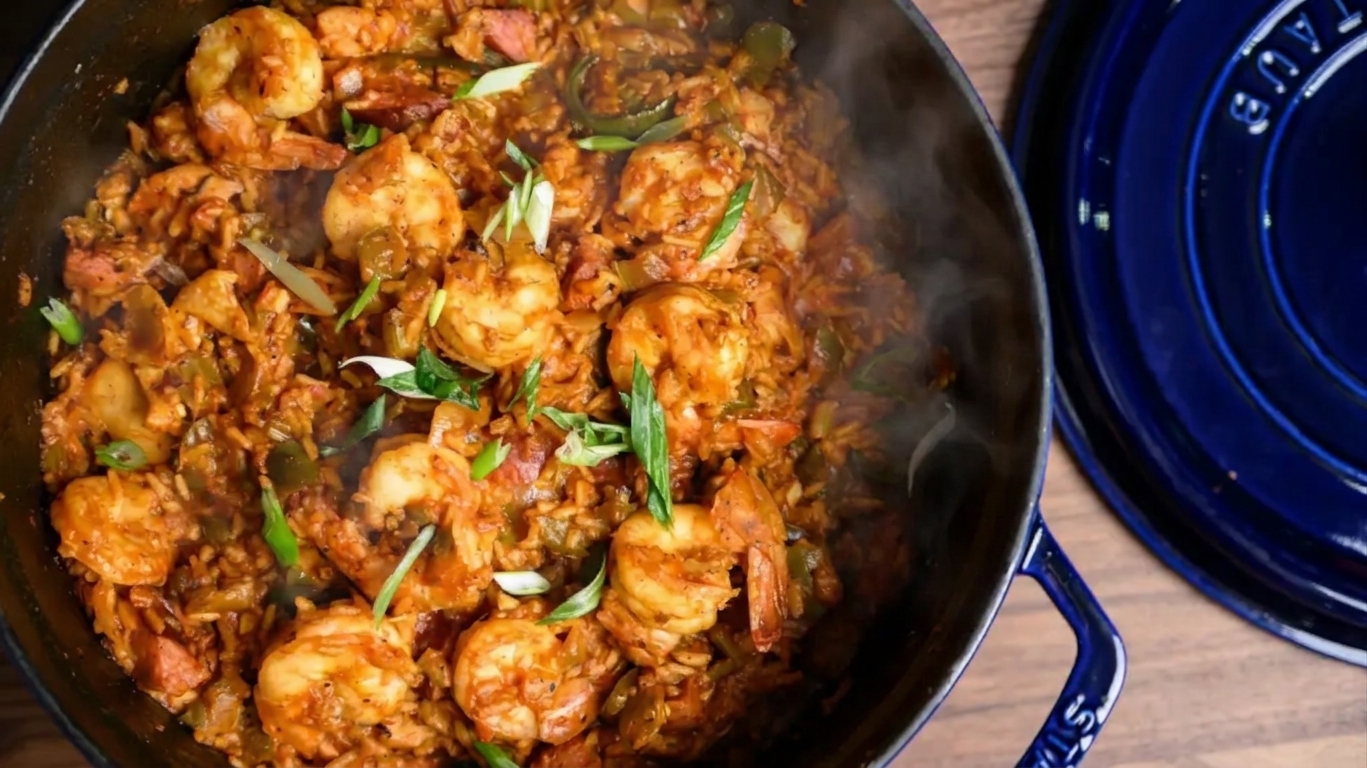
I learned to love jambalaya for the exact same reason I learned to love sheet-pan dinners and big-batch soups: it feeds people well without making you feel like you live at the stove. In my house growing up, the kitchen was always loud and busy, and the best meals were the ones that let you talk while they cooked. Jambalaya is that kind of food.
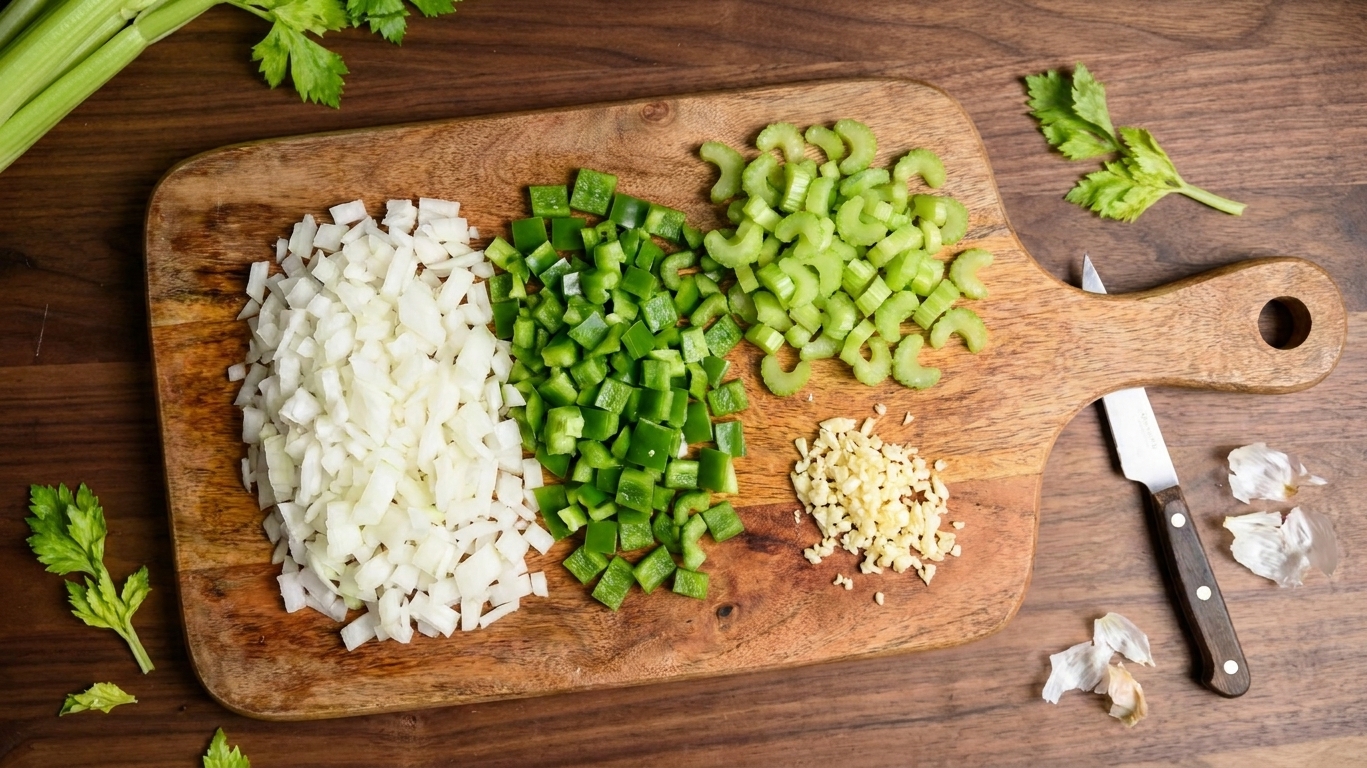
This shrimp and sausage jambalaya is a true one-pot rice dish. No extra pots, no separate side situation, and it typically does not rely on a roux for its flavor. Instead, we build depth with browned sausage, the holy trinity (onion, bell pepper, celery), garlic, tomato, and a well-seasoned broth. Then the long-grain rice goes in, you give it one good stir to prevent sticking, and after that you let the pot do the work.

The two details that make this version reliably great at home are simple but powerful: the rice-to-liquid ratio and the timing. Long-grain rice needs enough liquid to cook through, but not so much that it turns gummy. And shrimp, as you probably know from one too many rubbery dinners, does best when you add it at the end and cook it just until it turns pink and opaque.
Think of this recipe as your weeknight jambalaya that still tastes like it took all day. I usually reach for andouille if I want a little heat and smoke, but any smoked sausage works. If you can chop a few vegetables and keep the lid on the pot, you can make this.
What to expect
- Flavor: smoky, savory, lightly spicy, and tomato-rich, with sweet pops of shrimp.
- Texture: separate grains of rice, not creamy; sausage with browned edges; shrimp that stays plump.
- Difficulty: very doable, especially if you prep your ingredients before turning on the heat.
Why this recipe works
- Browning the sausage first builds the foundation. Those browned bits on the bottom of the pot dissolve into the broth and season the rice from the inside out.
- Long-grain rice plus the right liquid ratio keeps grains separate. This recipe uses 1 cup long-grain rice to 2 cups liquid (broth plus tomato), which cooks the rice through without turning it mushy.
- A no-stir finish protects the texture. After the first stir to combine, you keep the lid on and resist the urge to check. That steady steam is what gives you fluffy jambalaya instead of broken grains.
- Shrimp goes in at the end. Shrimp cooks fast. Adding it during the final covered cook means it turns pink and opaque without overcooking while the rice finishes.
Ingredient notes
Sausage
Andouille is classic and brings heat and smoke, but any smoked sausage works. If your sausage is very salty, go easy on added salt until the end.
Shrimp
Use peeled and deveined shrimp for speed. Medium to large shrimp are easiest to time. If your shrimp is frozen, thaw it in a bowl of cold water, then pat it dry so it does not water down the pot at the end.
Rice
Long-grain white rice is the move here. It stays fluffy and separate. Avoid instant rice. Brown rice needs more liquid and time, so it is not a simple swap in this exact method.
Tomatoes and broth
This recipe is built around a seasoned tomato broth. If you prefer a darker, more savory base, you can use beef broth or a richer chicken stock, but keep the total liquid amount the same so the rice cooks correctly.
Cajun or Creole seasoning
Store-bought blends vary wildly in salt and heat. Start modestly, then adjust at the end with more seasoning, hot sauce, or a pinch of cayenne.
Equipment you will need
- Heavy-bottomed pot with a tight lid (Dutch oven is perfect)
- Wooden spoon for scraping up browned bits
- Chef’s knife and cutting board
- Measuring cups for rice and liquid (this is one recipe where measuring matters)
Pro tips
- Measure your liquid. For fluffy jambalaya, stick to 1 cup rice to 2 cups total liquid. Too much liquid gives you soft, sticky rice.
- Stir once, then stop. Stirring during simmer breaks grains and can make the pot starchy. After everything is evenly combined, put the lid on and let it cook.
- Keep the simmer gentle. A hard boil can scorch the bottom before the rice is tender. You want low and steady.
- Use the steam finish for shrimp timing. Add shrimp when the rice is just tender and the liquid is mostly absorbed, then cover for a few minutes until shrimp turns pink and opaque and curls into a loose C shape.
- Rest before serving. A short rest off the heat helps the rice finish absorbing and makes it easier to fluff without clumping.
Substitutes that work
- No andouille? Use any smoked sausage, kielbasa, or even a smoked turkey sausage. You can also use diced ham plus a pinch of smoked paprika.
- No shrimp? Swap in cooked shredded chicken or leftover roast chicken. Stir it in at the end just to warm through.
- No Cajun seasoning? Mix paprika, garlic powder, onion powder, dried thyme, dried oregano, black pepper, and a pinch of cayenne. Salt to taste depending on your broth.
- Want less tomato? Use a smaller amount of tomato and make up the difference with broth, keeping the total liquid the same.
- Heat control: Skip cayenne and choose a mild sausage for kid-friendly jambalaya. Add hot sauce at the table for the spice lovers.
Variations
Creole-leaning jambalaya
Add a little more tomato and a pinch of sugar if your tomatoes are sharp. Finish with parsley and a squeeze of lemon.
Extra-veg jambalaya
Stir in okra coins or diced zucchini during the last 10 minutes of rice cooking. Keep the lid on as much as possible.
Seafood jambalaya
Use shrimp plus lump crab at the end. Add crab after the shrimp is cooked so it stays in nice pieces.
Smokier jambalaya
Add a pinch of smoked paprika and use a smoked sausage with a deeper flavor profile.
Serving ideas
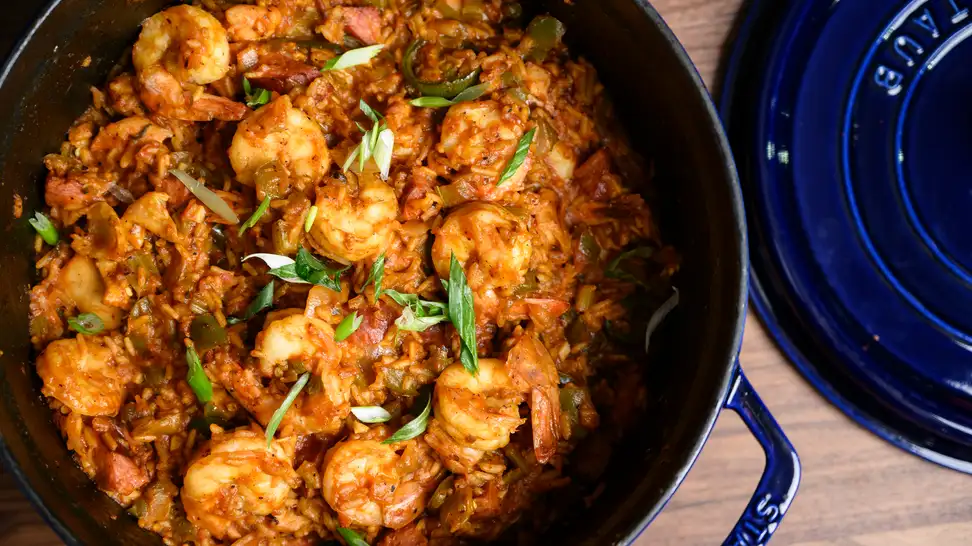
- Finish with something fresh: sliced scallions, chopped parsley, or a squeeze of lemon brightens the whole pot.
- Hot sauce at the table lets everyone choose their own heat level.
- Simple sides: a crisp green salad, sautéed greens, or a quick vinegar-based slaw.
- For a crowd: set out extra pickles, sliced radishes, and buttered bread for an easy, happy spread.
Storage and reheating
Refrigerate
Cool leftovers quickly, then refrigerate in an airtight container for up to 3 days.
Reheat
Reheat gently on the stovetop with a splash of broth or water, covered, until hot. You can also microwave in short bursts, stirring once or twice, adding a teaspoon or two of water if it looks dry.
Freezing note
You can freeze jambalaya, but shrimp can turn a little firm after thawing. If you are making this specifically for the freezer, consider cooking and freezing the rice and sausage base, then adding fresh shrimp when reheating.
Common mistakes
- Stirring too much. Jambalaya is not risotto. Stir once to combine, then let it steam.
- Cooking shrimp too early. Shrimp only needs a few minutes. Add it at the end or it will go rubbery.
- Using the wrong rice. Short-grain rice trends sticky, and instant rice cooks unevenly here. Long-grain is the most forgiving.
- Skipping the tight lid. If too much steam escapes, the rice can cook unevenly. If your lid is loose, lay a piece of foil under it to help seal.
- Over-boiling the pot. A rolling boil can scorch the bottom. Keep the heat low once it is covered.
FAQ
Is jambalaya supposed to be wet or dry?
Jambalaya is a rice dish, so it should be moist but not soupy. When it is done, the liquid should be absorbed and the grains should be tender and separate.
What rice-to-liquid ratio should I use for jambalaya?
A reliable starting point for long-grain white rice is 1 cup rice to 2 cups total liquid. In this recipe, “total liquid” means the combined broth and tomato components.
Do I have to rinse the rice?
It is optional. Rinsing removes surface starch and can help grains stay separate, but even unrinsed rice will turn out well if you avoid stirring and keep the simmer gentle.
When do I add shrimp to jambalaya?
Add shrimp near the end, when the rice is almost tender and most of the liquid is absorbed. Cover and let the shrimp cook until pink and opaque throughout.
Can I make this less spicy?
Yes. Choose a mild smoked sausage, use a low-heat seasoning blend, and serve hot sauce on the side instead of cooking it in.
The recipe
Shrimp and Sausage Jambalaya
Smoky sausage, tender rice, and juicy shrimp cooked in a seasoned tomato broth, finished with a no-stir steam so the grains stay fluffy and separate.
- Prep
- 15 minutes
- Cook
- 35 minutes
- Total
- 50 minutes
- Yield
- 6 servings
Ingredients
- 1 lb smoked andouille sausage (or other smoked sausage), sliced into 1/4-inch rounds
- 1 tbsp neutral oil (if needed, depending on sausage fat)
- 1 medium yellow onion, diced
- 1 green bell pepper, diced
- 2 celery ribs, diced
- 4 cloves garlic, minced
- 2 tbsp Cajun or Creole seasoning (salt-free preferred if your broth is salty), plus more to taste
- 1 tsp dried thyme
- 1/2 tsp black pepper
- 1/4 tsp cayenne pepper (optional)
- 1 cup long-grain white rice
- 1 cup canned crushed tomatoes (or tomato sauce)
- 1 cup chicken broth (or seafood broth)
- 1 bay leaf
- 1 lb shrimp, peeled and deveined (medium to large)
- 2 tbsp chopped parsley or sliced scallions (optional, for serving)
- Lemon wedges and hot sauce (optional, for serving)
- Salt, to taste
Instructions
- Brown the sausage. Heat a heavy-bottomed pot or Dutch oven over medium-high heat. Add sausage and cook, stirring occasionally, until browned in spots, 4 to 6 minutes. If the pot looks dry, add up to 1 tablespoon neutral oil.
- Cook the vegetables. Reduce heat to medium. Add onion, bell pepper, and celery. Cook, stirring and scraping up browned bits, until softened, 6 to 8 minutes. Add garlic and cook 30 seconds, just until fragrant.
- Bloom the seasonings. Stir in Cajun or Creole seasoning, thyme, black pepper, and cayenne (if using). Cook 30 seconds to toast the spices lightly.
- Add rice, tomatoes, and broth. Add rice and stir to coat the grains in the seasoned fat and vegetables, about 1 minute. Stir in crushed tomatoes, broth, and bay leaf. Bring to a gentle simmer.
- No-stir simmer. Once simmering, stir one last time, then reduce heat to low. Cover with a tight lid and cook without stirring for 18 minutes.
- Check rice and finish cooking. After 18 minutes, quickly check: the liquid should be mostly absorbed and the rice should be close to tender. If there is still visible liquid, cover and cook 3 to 5 minutes more.
- Add shrimp at the end. When rice is tender and the surface looks mostly dry, scatter shrimp over the top in an even layer. Cover and cook on low until shrimp is pink and opaque throughout, 3 to 5 minutes (larger shrimp may take closer to 5).
- Rest, then fluff. Turn off the heat and let the pot rest, covered, for 5 minutes. Remove bay leaf. Fluff gently with a fork, taste, and adjust seasoning with salt or more Cajun seasoning if needed.
- Serve. Spoon into bowls and finish with parsley or scallions. Serve with lemon wedges and hot sauce if you like.
Notes
Rice-to-liquid ratio: This recipe uses 1 cup rice to 2 cups total liquid (1 cup tomatoes plus 1 cup broth). Keep that total liquid steady for fluffy, separate grains.
Lid tip: If your lid is not tight, place a sheet of foil over the pot before adding the lid to help trap steam.
Shrimp doneness: Perfectly cooked shrimp curls into a loose C shape. A tight O shape usually means it is overcooked.