
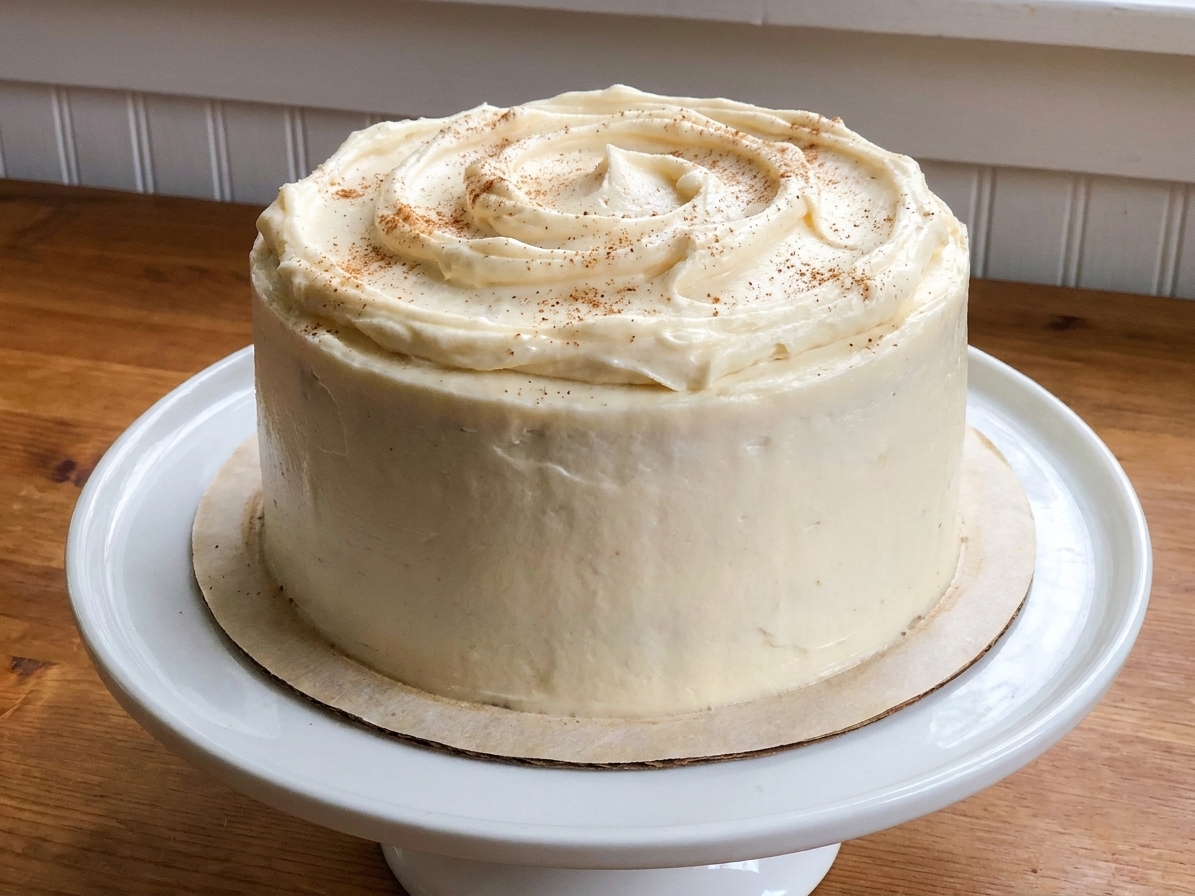
When I managed a bakery, fall meant two things: pumpkin everything and a steady stream of “can you make it look tall?” requests. At home, I still want that bakery-style height, but I also want a cake that behaves itself on a normal kitchen counter with normal tools and a very normal amount of patience.
This pumpkin spice layer cake is my go-to when I need something festive without turning it into an all-day project. The crumb is plush and moist, thanks to oil, gentle mixing, and baking it until the center passes the moist-crumb test. Pumpkin keeps the whole thing tender and flavorful. The spices taste like the inside of a cedar chest in the best way, and the cream cheese frosting is tangy enough to keep every bite from feeling too sweet.

Layer cakes can be intimidating, so I built this recipe around the moments that usually go wrong: domed layers that wobble, crumbs that streak the frosting, and frosting that starts sliding like it is late for an appointment. The recipe card leans hard on specific cues, including what “done” looks like for pumpkin cake and a simple chill-and-frost rhythm that keeps the frosting thick and the stack steady.
I also know pan math can get weird fast, so I tested this recipe around two common setups: two 8-inch layers for a classic look, or three 6-inch layers for that taller, party-ready stack. The instructions include pan-specific bake time ranges, plus the same moist-crumb doneness test for both options, so you can use what you already own with confidence.
One last tiny thing that saves a lot of frustration: use plain pumpkin puree, not pumpkin pie filling. It sounds obvious, but it is the most common mix-up I see once the first chilly weekend hits.
Why this recipe works
- Oil keeps the cake moist for days. Pumpkin cakes can dry out when butter is the only fat. Neutral oil stays fluid at cool room temperature, so the crumb feels soft even after refrigeration.
- Pumpkin plus warm spices equals flavor that reads clearly. Cinnamon, ginger, nutmeg, and cloves support pumpkin rather than overpower it, so you get pumpkin spice instead of just cinnamon.
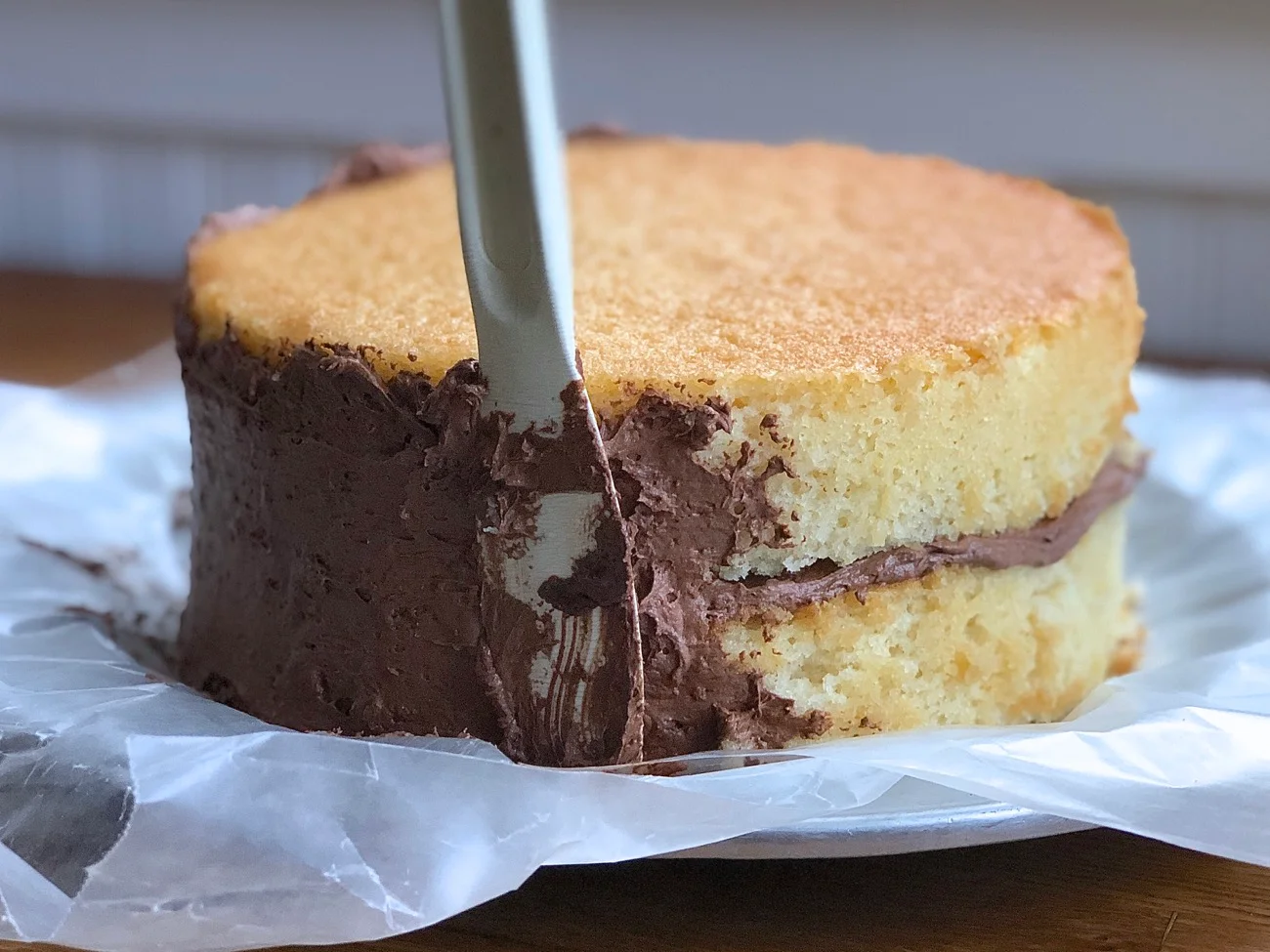
- A simple crumb coat makes the final frosting clean. One thin, chilled layer of frosting locks down loose crumbs so your outer coat goes on smoothly.
- Temperature control prevents sliding. Slightly cool cake layers and slightly cool, thick frosting create enough friction and structure to keep a stacked cake level.
Ingredient notes
Pumpkin puree
Use plain canned pumpkin puree, not pumpkin pie filling. If your pumpkin looks watery, you can blot it briefly with paper towels, but do not fully drain it or the cake can turn dense.
Spices
I like a blend of cinnamon, ginger, nutmeg, and a tiny pinch of cloves. Cloves are powerful, so keep it subtle.
Oil
Choose a neutral oil like canola, vegetable, or avocado oil. Oil is the main driver of that soft, moist crumb here, even after the cake has been chilled.
Brown sugar
Brown sugar boosts moisture and gives the cake a caramel note that plays beautifully with cream cheese frosting.
Cream cheese
Use full-fat brick-style cream cheese for stability. Spreadable tub cream cheese tends to be softer and can make the frosting loose.
Powdered sugar
Powdered sugar is both sweetener and structure in cream cheese frosting. If your kitchen is warm, you may use a touch more to keep the frosting thick.
Equipment you will need
- Two 8-inch round cake pans (2-inch tall) or three 6-inch round cake pans
- Parchment paper for lining the pan bottoms
- Stand mixer or hand mixer
- Kitchen scale (optional but very helpful for even layers)
- Offset spatula or butter knife for frosting
- Wire rack for cooling
- Long serrated knife for leveling layers
- Cake turntable (optional but makes frosting easier)
- Cardboard cake round or serving plate
Pro tips
Pick your pan size, then commit
For easiest stacking, bake either two 8-inch layers or three 6-inch layers. Trying to stretch batter into pans that are too large gives you thin layers that are fragile and prone to breaking.
The crumb test that matters
Pumpkin cake is darker and moister than vanilla cake, so toothpicks can be misleading. Use this combo test:
- A toothpick inserted in the center comes out with a few moist crumbs, not wet batter.
- The center springs back when gently pressed.
- The cake just begins to pull away from the pan sides.
Cool the layers enough before frosting
Warm cake melts frosting fast. Let layers cool completely, then chill them 20 to 30 minutes. Slightly chilled cake is easier to level and sheds fewer crumbs.
Frosting temperature so it does not slide
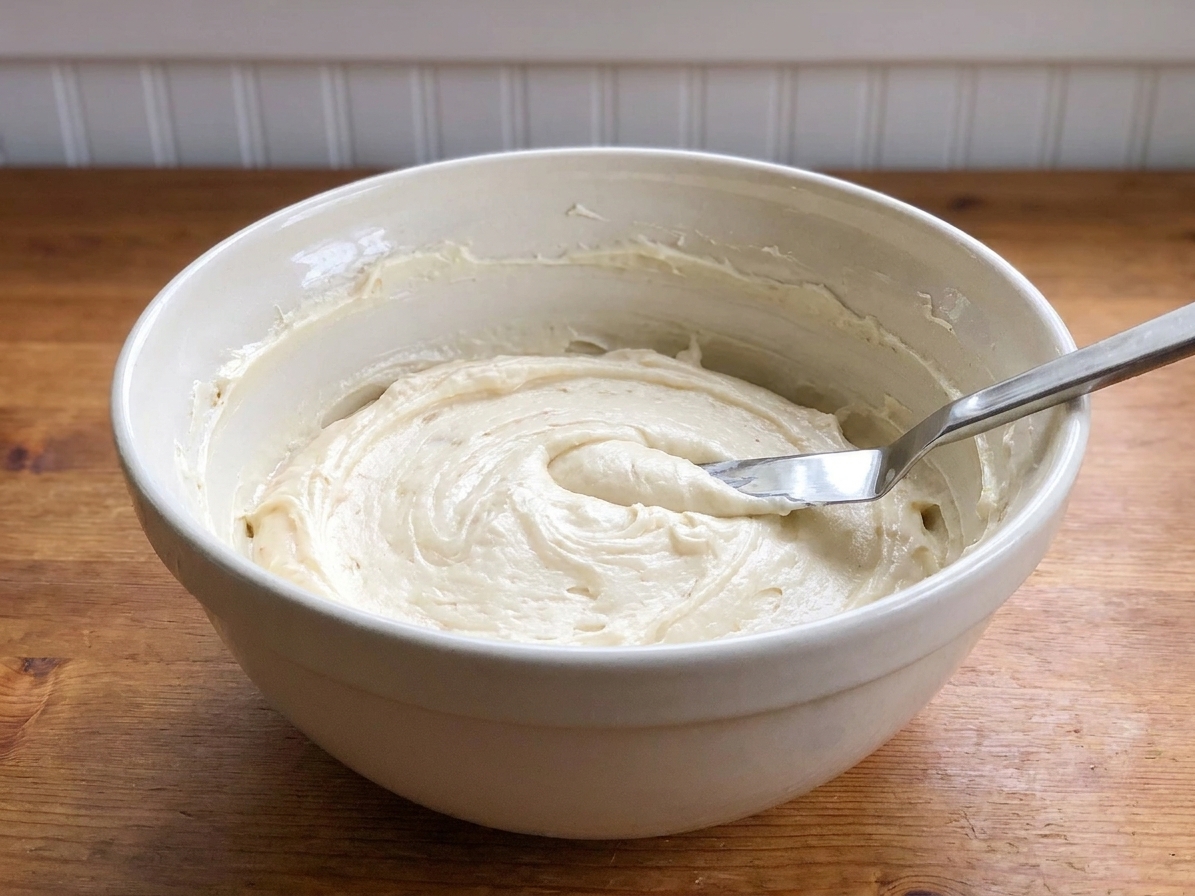
Your frosting should be cool and thick, not fluffy-warm. The cue I use: it should hold a peak on the spatula that droops only slightly. If it looks glossy or slumps off the spatula in ribbons, chill it 10 minutes, then beat briefly again.
How to stack level layers
- Level the tops. Trim domes so each layer is flat. Flat plus flat equals stable.
- Use a frosting dam. Pipe or spread a thicker ring of frosting around the edge, then fill the center. This keeps the filling from squeezing out.
- Press, do not squish. After placing each layer, press lightly to seat it. Stop before the frosting bulges out.
- Chill between stages. Ten minutes in the fridge after stacking can set the frosting like glue before you frost the outside.
Substitutes that work
- Spice blend: Swap the individual spices for pumpkin pie spice. Use 2 to 2 1/2 teaspoons total, to taste.
- Sour cream: Use full-fat Greek yogurt.
- Buttermilk: Stir 1 tablespoon lemon juice or vinegar into 1 cup milk and let stand 5 minutes, then measure what you need.
- Cream cheese frosting: If you need a more heat-stable option, use vanilla buttercream or add 1 to 2 tablespoons cornstarch to the powdered sugar before mixing to help thicken.
- Gluten-free: A 1:1 gluten-free baking flour can work, but pumpkin cakes vary. Watch batter thickness and bake time closely.
Variations
Maple cream cheese frosting
Replace 2 to 4 tablespoons of the vanilla and powdered sugar with pure maple syrup, then chill the frosting well. Maple makes the frosting softer, so temperature control matters.
Chocolate chip pumpkin layer cake
Fold mini chocolate chips into the batter (toss them in a teaspoon of flour first so they do not sink).
Pecan crunch finish
Press toasted chopped pecans around the bottom third of the frosted cake for a bakery-style look and a little crunch.
Caramel swirl
Spread a thin layer of thick caramel sauce between layers, then add frosting. Keep it thin so it does not force layers to slide.
Serving ideas
- Serve slightly cool, not ice-cold. Cream cheese frosting tastes best when it has 15 to 20 minutes at room temperature.
- Garnish with a light dusting of cinnamon, a few toasted pecans, or thin curls of candied ginger.
- For extra-cozy slices, serve with coffee, black tea, or warm apple cider.
Storage and reheating
Refrigerator
Because of the cream cheese frosting, store the cake covered in the refrigerator for up to 4 days. For clean slices, cut cold. For best flavor, let slices sit at room temperature 15 to 20 minutes before eating.
Freezer
You can freeze unfrosted layers tightly wrapped for up to 2 months. Thaw overnight in the refrigerator, then bring to cool room temperature before frosting.
Make-ahead game plan
- Day 1: Bake layers, cool completely, wrap and refrigerate.
- Day 2: Make frosting, stack, crumb coat, chill, then finish frosting.
Common mistakes
- Frosting a warm cake: This is the fastest route to sliding layers. Cool completely, then chill briefly for best results.
- Skipping parchment: Pumpkin cakes are tender. Parchment rounds save you from torn layers.
- Not leveling domes: A domed bottom layer acts like a hill. Trim it flat so the stack stands straight.
- Overmixing after adding flour: Overmixing builds gluten and makes the crumb tough. Mix just until no dry streaks remain.
- Frosting too soft: If your frosting is loose, it will squish out under the weight of the layers. Chill it until it is thick and spreadable.
FAQ
Can I use 9-inch pans?
Yes, but the layers will be thinner and bake faster. Start checking for doneness a bit earlier, and be extra gentle when stacking.
How do I keep my layers from sliding?
Use flat, leveled layers and frosting that is cool and thick. Chill the stacked cake 10 to 15 minutes before doing the final outer coat, and avoid adding runny fillings.
Do I have to do a crumb coat?
You can skip it, but you will likely chase crumbs in your final frosting. A quick crumb coat plus a short chill makes the whole decorating process calmer.
Why did my pumpkin cake turn out gummy?
The most common culprits are underbaking or overmixing. Use the moist-crumb doneness test and mix gently once flour is added.
Can I make this into cupcakes?
Yes. Fill liners about two-thirds full and bake until a toothpick comes out with a few moist crumbs. Cupcakes bake faster, so start checking early.
The recipe
Pumpkin Spice Layer Cake
A tall, tender pumpkin spice layer cake frosted with tangy cream cheese frosting. Includes options for two 8-inch layers or three 6-inch layers, plus a crumb coat and stacking cues so everything stays level.
- Prep
- 35 minutes
- Cook
- 28 minutes
- Total
- 2 hours 15 minutes
- Yield
- 12 slices
Ingredients
- Nonstick spray, for pans
- Parchment paper rounds, for lining pans
- 2 1/2 cups (300 g) all-purpose flour
- 2 teaspoons baking powder
- 1 teaspoon baking soda
- 1 teaspoon fine salt
- 2 teaspoons ground cinnamon
- 1 teaspoon ground ginger
- 1/2 teaspoon ground nutmeg
- 1/8 teaspoon ground cloves
- 1 cup (240 ml) neutral oil (canola, vegetable, or avocado)
- 1 cup (200 g) granulated sugar
- 1 cup (220 g) packed light brown sugar
- 4 large eggs, room temperature
- 1 tablespoon vanilla extract
- 1 can (15 oz, 425 g) pumpkin puree
- 1 cup (240 g) sour cream, room temperature
- 1/2 cup (120 ml) buttermilk, room temperature
- Cream cheese frosting
- 16 oz (454 g) full-fat brick cream cheese, cool room temperature
- 1 cup (226 g) unsalted butter, cool room temperature
- 1 tablespoon vanilla extract
- 1/4 teaspoon fine salt
- 5 to 6 cups (600 to 720 g) powdered sugar, sifted if lumpy
Instructions
- Prep the pans and oven. Heat oven to 350 F (175 C). Grease and line either (a) two 8-inch round cake pans or (b) three 6-inch round cake pans with parchment rounds. Lightly grease the parchment.
- Mix dry ingredients. In a medium bowl, whisk together flour, baking powder, baking soda, salt, cinnamon, ginger, nutmeg, and cloves.
- Mix wet ingredients. In a large bowl (or stand mixer bowl), whisk oil, granulated sugar, and brown sugar until combined. Beat in eggs one at a time, then mix in vanilla. Add pumpkin puree and sour cream and mix until smooth. Mix in buttermilk.
- Combine gently. Add dry ingredients to wet ingredients and mix on low speed just until you no longer see dry flour. Scrape the bowl once or twice. Do not overmix.
- Divide batter evenly. Pour batter into prepared pans. If you have a kitchen scale, weigh batter in each pan so the layers bake evenly. Tap pans gently on the counter to release large air bubbles.
- Bake. Bake until the centers spring back and a toothpick inserted in the center comes out with a few moist crumbs (not wet batter), about 25 to 32 minutes depending on your pans and oven. Begin checking early if using 6-inch pans.
- Cool correctly. Cool cakes in pans for 10 minutes, then turn out onto a wire rack, peel off parchment, and cool completely.
- Chill for easier stacking. Once fully cool, refrigerate layers for 20 to 30 minutes. This firms the crumb and makes leveling and frosting easier.
- Make the cream cheese frosting. In a large bowl, beat butter for 1 to 2 minutes until smooth. Add cream cheese and beat just until combined and creamy. Mix in vanilla and salt. Add powdered sugar gradually, beating on low, then medium, until thick and smooth. If frosting feels soft or glossy, chill 10 minutes, then beat briefly again.
- Level the layers. Use a long serrated knife to trim domes so each layer is flat. Brush off loose crumbs.
- Stack with frosting between layers. Place a small smear of frosting on a cake round or serving plate to act like glue. Set down the first layer cut-side up. Spread an even layer of frosting on top. Add the next layer cut-side down (flat side up), press lightly to level, and repeat if using three layers.
- Crumb coat. Apply a thin layer of frosting over the entire cake to trap crumbs. Refrigerate 15 to 20 minutes until the frosting feels set to the touch.
- Final coat and finish. Frost the cake with the remaining frosting. For the cleanest edges, keep your spatula warm by dipping it in hot water and drying it, then smoothing the frosting. Chill 15 minutes before slicing for neat pieces, or let stand 15 to 20 minutes at room temperature for the softest frosting texture.
Notes
Pan options: Use two 8-inch pans for a classic layer cake, or three 6-inch pans for a taller cake. Bake time varies, so use the moist-crumb doneness test.
Frosting stability cue: For stacking, the frosting should be cool and thick enough to hold a peak. If it slumps off the spatula, chill it briefly before assembling.
Make-ahead: Bake layers up to 2 days ahead, wrap well, and refrigerate. Frost the day you plan to serve for the freshest look.