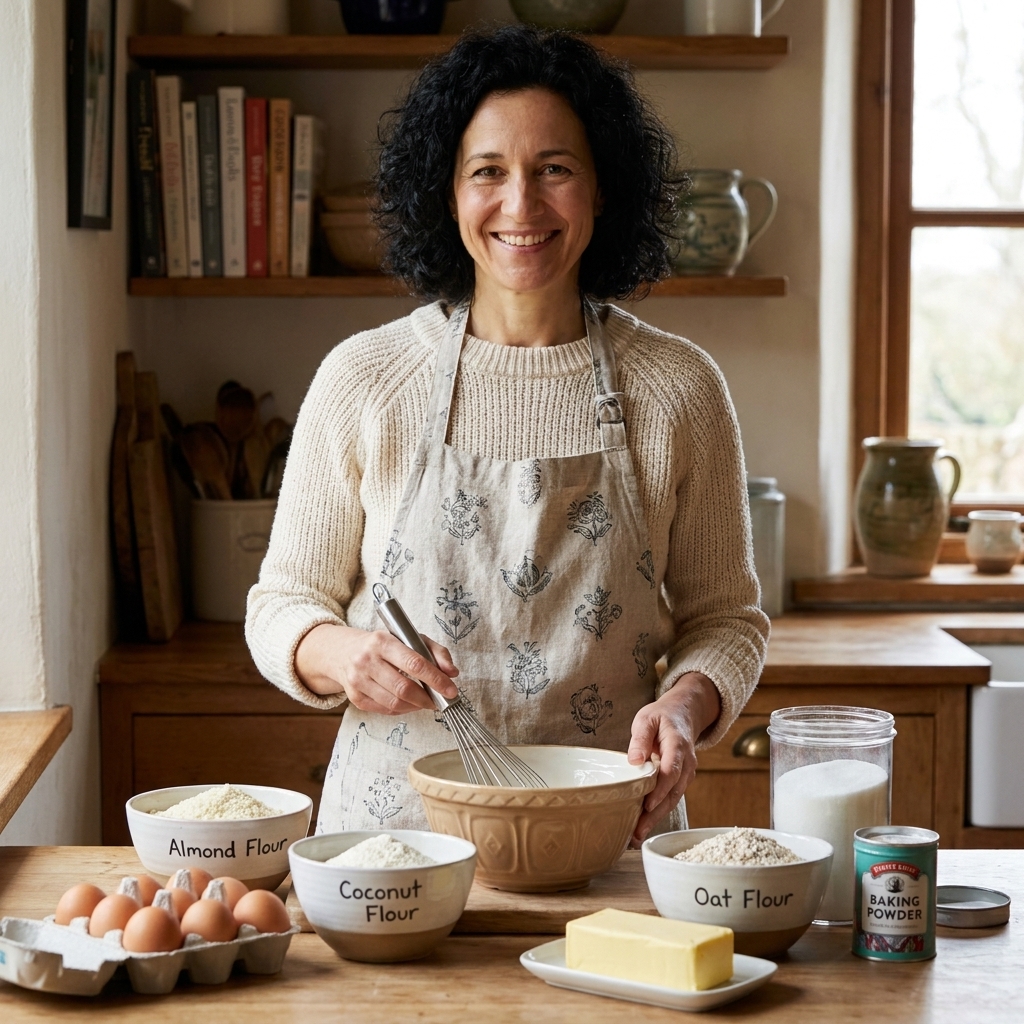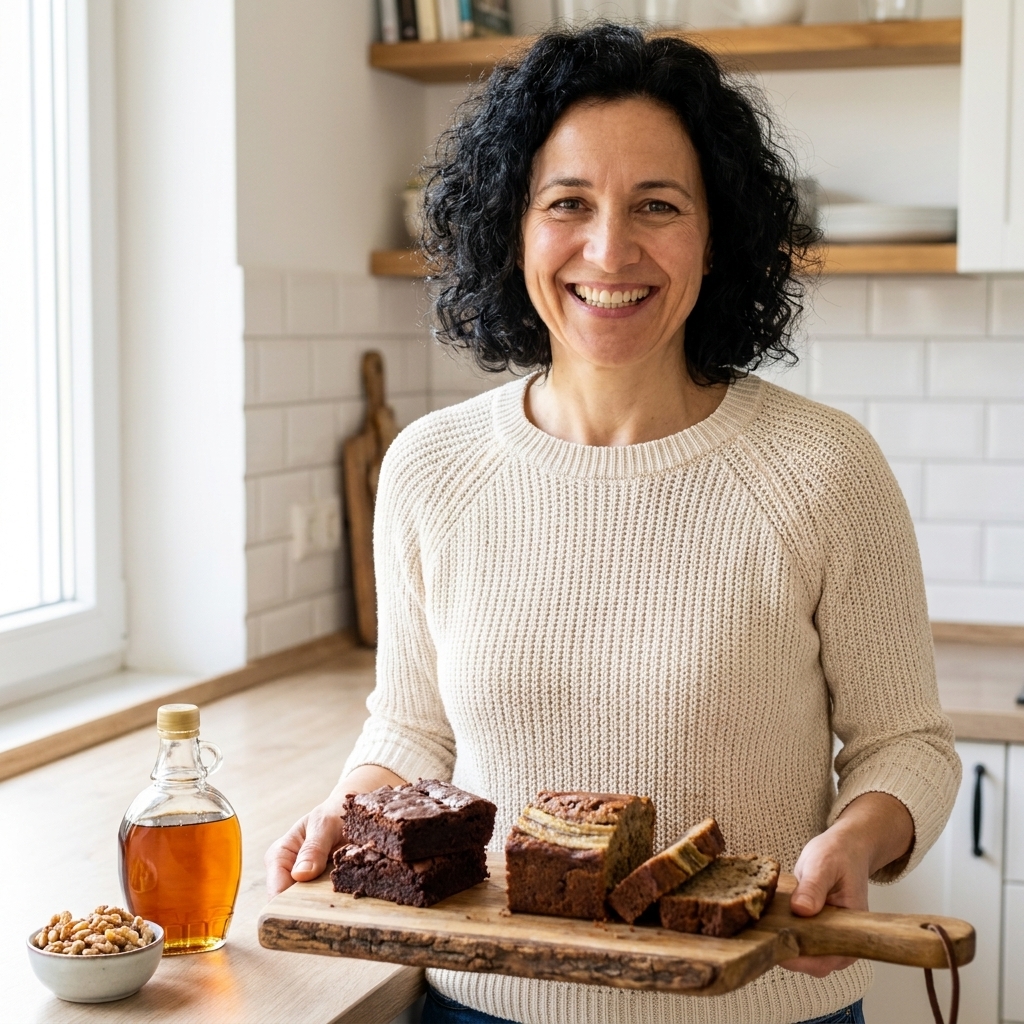
From chewy brownies to cozy fruit crisps, these refined sugar-free desserts rely on maple syrup, honey, and dates for naturally sweet, home-baker-friendly re...
recipes
Diabetic-Friendly Desserts: 8 Lower-Impact Treats

Elena Martinez
Elena Martinez is a former bakery manager turned full-time food writer and recipe developer. With over a decade of experience translating professional culinary techniques into approachable home cooking, she believes that a great meal doesn't require a culinary degree or expensive ingredients.
Created September 21, 2026
Last updated September 21, 2026
There is a particular kind of frustration that comes from being told, “Just skip dessert,” when what you really want is a small sweet moment that feels normal. I get it. I spent years in bakery land where sugar was basically a food group, and I also know that with a few technique tweaks, you can make desserts that feel like a treat without leaning on a big sugar hit.
Below are eight diabetic-friendly desserts with a lower glycemic impact for many people, built around fiber, protein, and smarter sweetening. They are not “diet-y.” They are the kind of recipes you can serve to everyone and keep in your rotation.
Quick note: “Low-glycemic” can mean different things: glycemic index (GI), glycemic load (GL), or simply a lower spike in real life. Portion size, fruit ripeness, ingredient brands, and your personal response all matter. If you use insulin or medications that can cause lows, check with your clinician about how these fit your plan. Consider testing your glucose response the first time you try a new dessert, and count carbs the way you normally do.
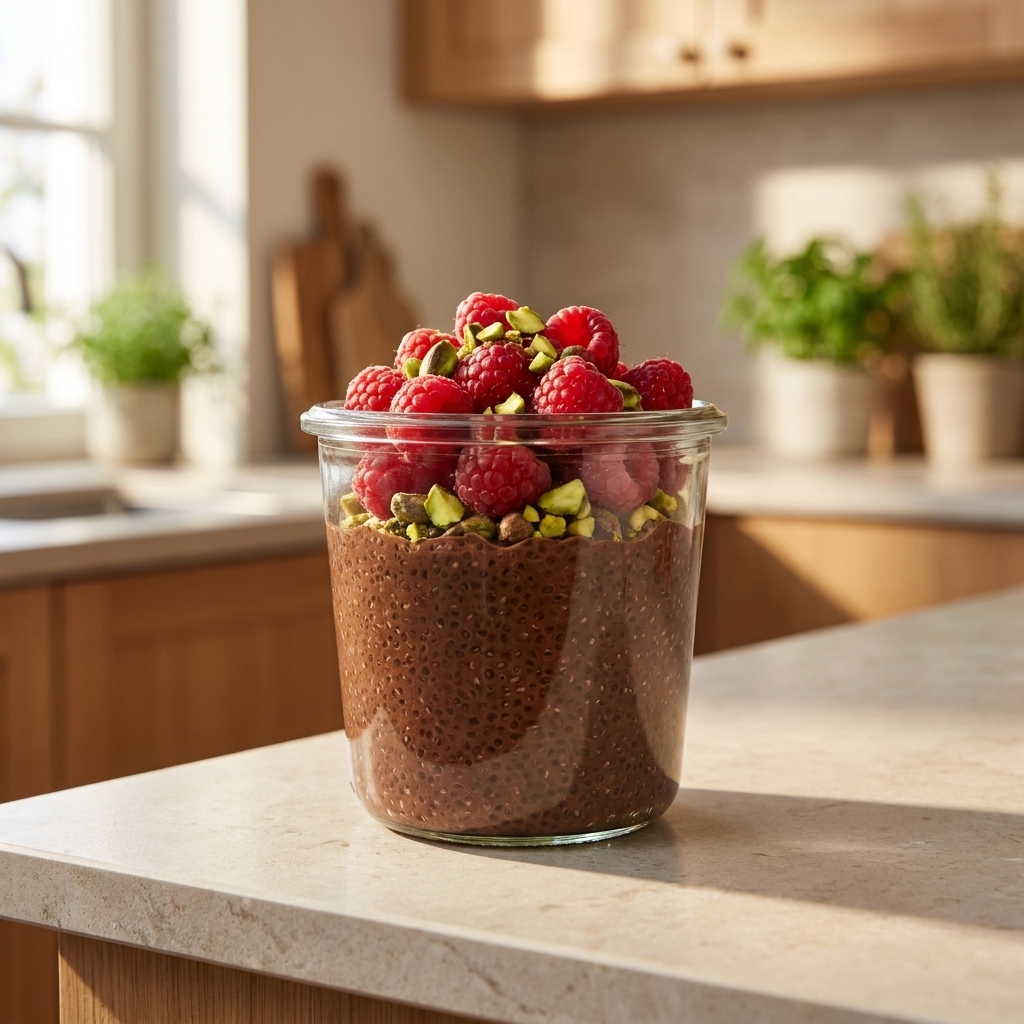
What makes a dessert lower impact?
Glycemic impact is about more than “sugar” on the label. For desserts, I focus on a few practical levers:
- Fiber and protein to slow digestion (chia, Greek yogurt, nuts, eggs).
- Fewer refined flours (almond flour, oat fiber, small amounts of oat flour).
- Smarter sweeteners and flavor-building (vanilla, citrus zest, cocoa, spices).
- Portion-friendly formats like jars, cups, and bars you can cut evenly.
If you are new to sugar substitutes, start small. Many people find allulose and erythritol easy to use, while others find sugar alcohols can bother digestion. Monk fruit blends vary by brand, so taste and adjust.
Sweetener reality check: Allulose tends to brown faster than sugar and can make cookies softer. Erythritol can taste cool and can be a bit crunchy if it does not dissolve well. If you have concerns about erythritol because of recent headlines, choose allulose, stevia, monk fruit, or check in with your clinician.
8 diabetic-friendly dessert recipes
1) Chocolate Chia Pudding (5 minutes active + chill)
This is my weeknight workhorse because it tastes like a creamy chocolate pot de crème, but the texture comes from chia and the sweetness can be as light as you like.
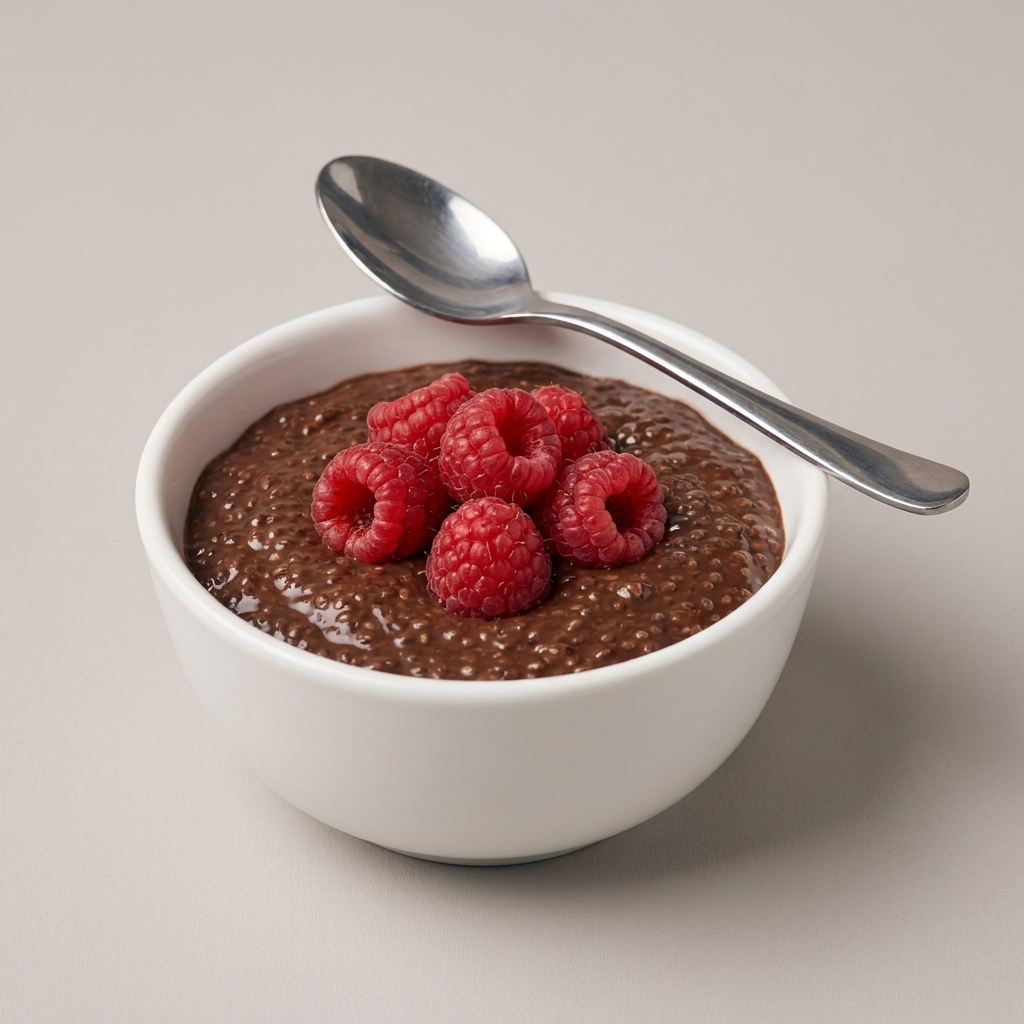
Makes: 2 servings
Ingredients
- 2 tbsp chia seeds
- 3/4 cup unsweetened almond milk (or dairy milk)
- 2 tbsp unsweetened cocoa powder
- 2 to 3 tbsp allulose or monk fruit sweetener (to taste)
- 1/2 tsp vanilla extract
- Pinch of salt
- Optional: 2 tbsp Greek yogurt for extra creaminess
- To serve: raspberries, cacao nibs, chopped nuts
Instructions
- Whisk almond milk, cocoa, sweetener, vanilla, and salt until smooth.
- Stir in chia seeds (and Greek yogurt if using).
- Let sit 5 minutes, then stir again to break up clumps.
- Cover and refrigerate 2 to 8 hours. Serve with berries and nuts.
My tips
- For the smoothest pudding, blend the mixture after it thickens for 10 seconds.
- If it gets too thick, add a splash of milk and stir.
- If you are watching carbs closely, start with a smaller portion and add extra nuts or yogurt on top for staying power.
2) Baked Cinnamon Apples with Walnut Crumble
Baking apples concentrates their sweetness so you can use very little added sweetener. The walnut crumble adds crunch and slows things down.
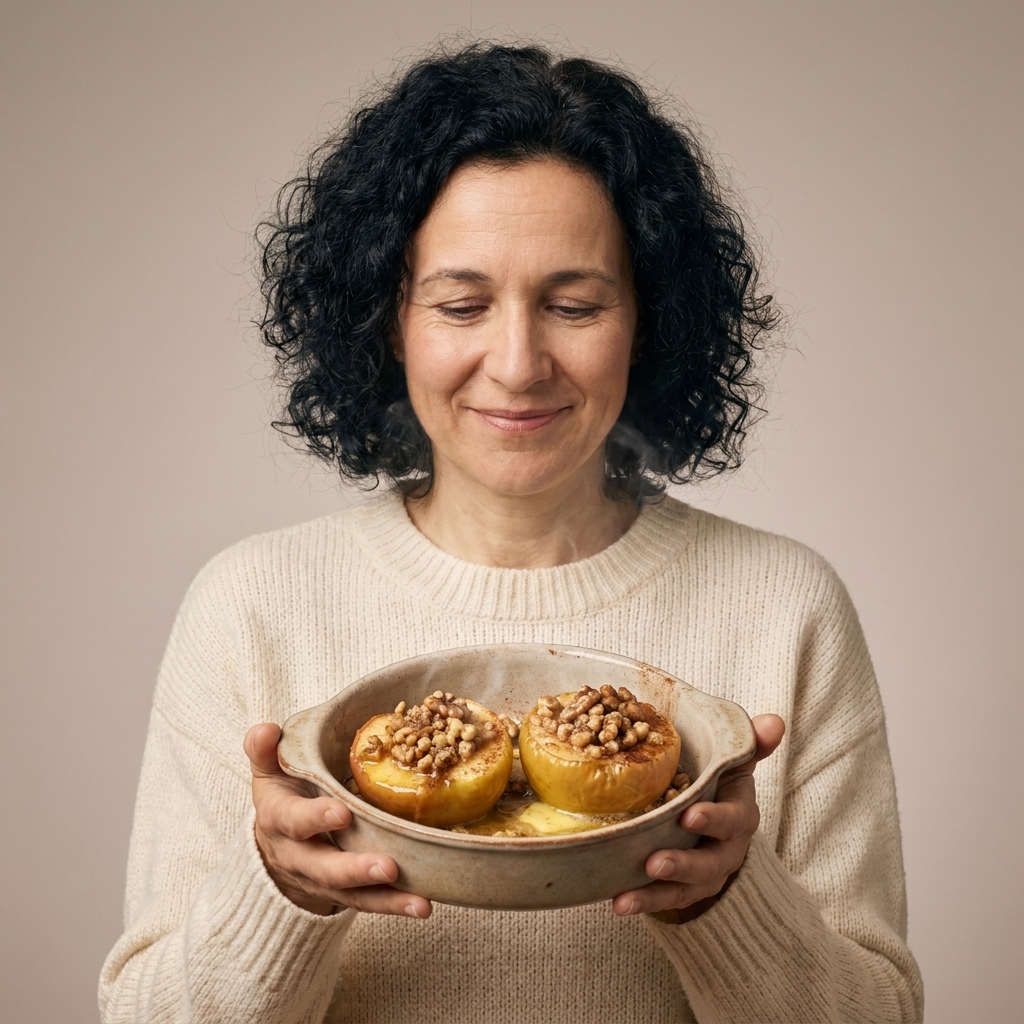
Makes: 4 servings (2 apples, 4 halves)
Ingredients
- 2 large apples (Honeycrisp or Pink Lady), halved and cored
- 1 tsp cinnamon
- 1/2 tsp vanilla
- 1 tbsp lemon juice
- 1 to 2 tbsp allulose or brown sugar substitute (optional)
- 1/3 cup chopped walnuts
- 2 tbsp almond flour
- 1 tbsp butter or coconut oil, melted
- Pinch of salt
- To serve: plain Greek yogurt or whipped cream (unsweetened)
Instructions
- Heat oven to 350°F.
- Place apple halves cut-side up in a baking dish. Drizzle with lemon juice and vanilla, sprinkle with cinnamon.
- Mix walnuts, almond flour, melted butter, salt, and sweetener if using. Spoon into apple centers.
- Add a small splash of water to the dish (2 to 3 tbsp). Bake 25 to 35 minutes until tender.
Tip: If you want a “caramel” vibe, add a tiny pinch of espresso powder to the crumble.
Portion note: Apples can land differently for different people. If you know fruit spikes you, do a half-portion and add extra yogurt on the side.
3) No-Bake Peanut Butter Greek Yogurt Cups
This one hits that cheesecake-meets-peanut-butter-pie spot, but it is mostly protein-rich yogurt. Perfect in little jars for portion confidence.
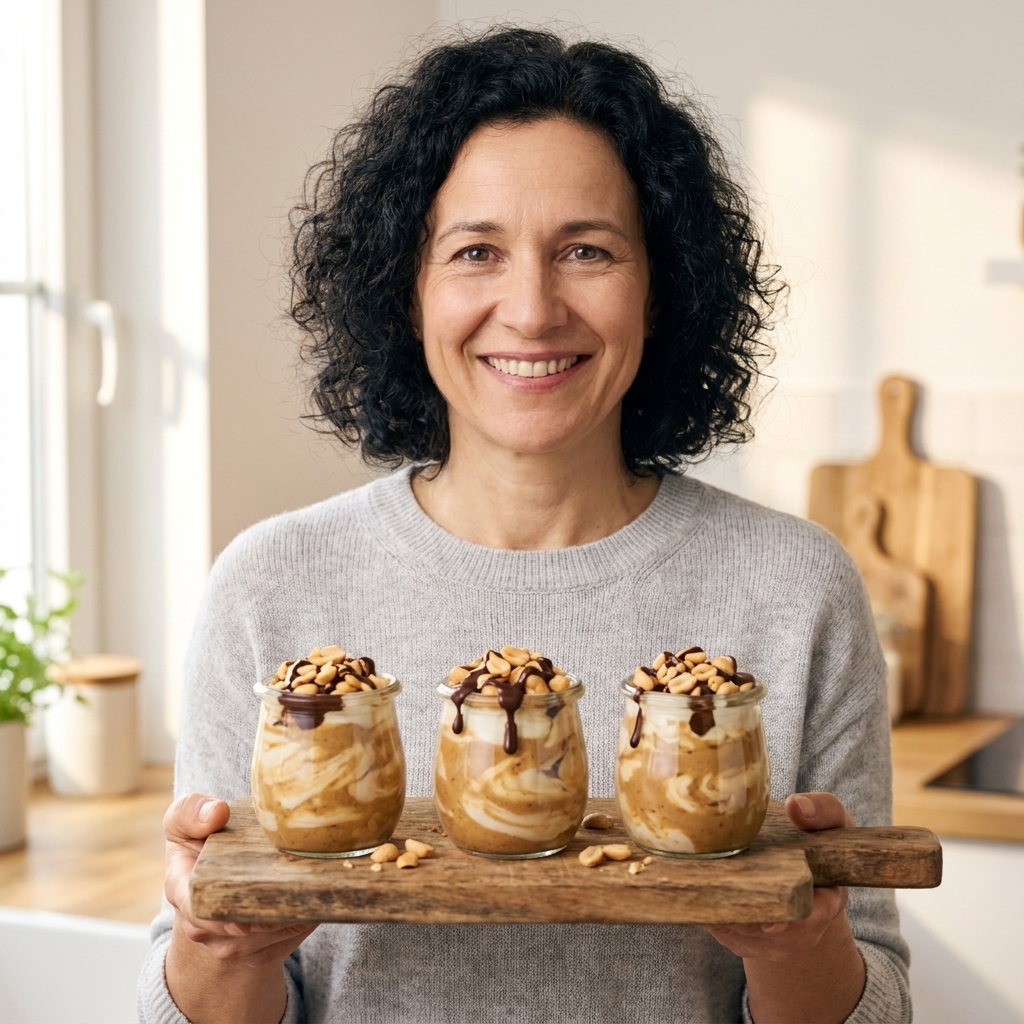
Makes: 4 small cups
Ingredients
- 1 1/2 cups plain Greek yogurt (2% or full-fat)
- 1/3 cup natural peanut butter
- 2 to 3 tbsp powdered monk fruit or allulose (to taste)
- 1 tsp vanilla
- Pinch of salt
- Optional topping: 1 oz 85% dark chocolate, melted
Instructions
- Whisk yogurt, peanut butter, sweetener, vanilla, and salt until smooth.
- Spoon into jars. Chill 30 minutes.
- Top with a small drizzle of melted dark chocolate if you want the “dessert” finish.
Swap: Almond butter works, or sunflower seed butter if you are nut-free.
4) Almond Flour Shortbread Cookies (Slice-and-Bake)
These are tender and buttery, not dry. Almond flour keeps carbs lower than wheat flour, and slice-and-bake means you can freeze a log and bake a few at a time.
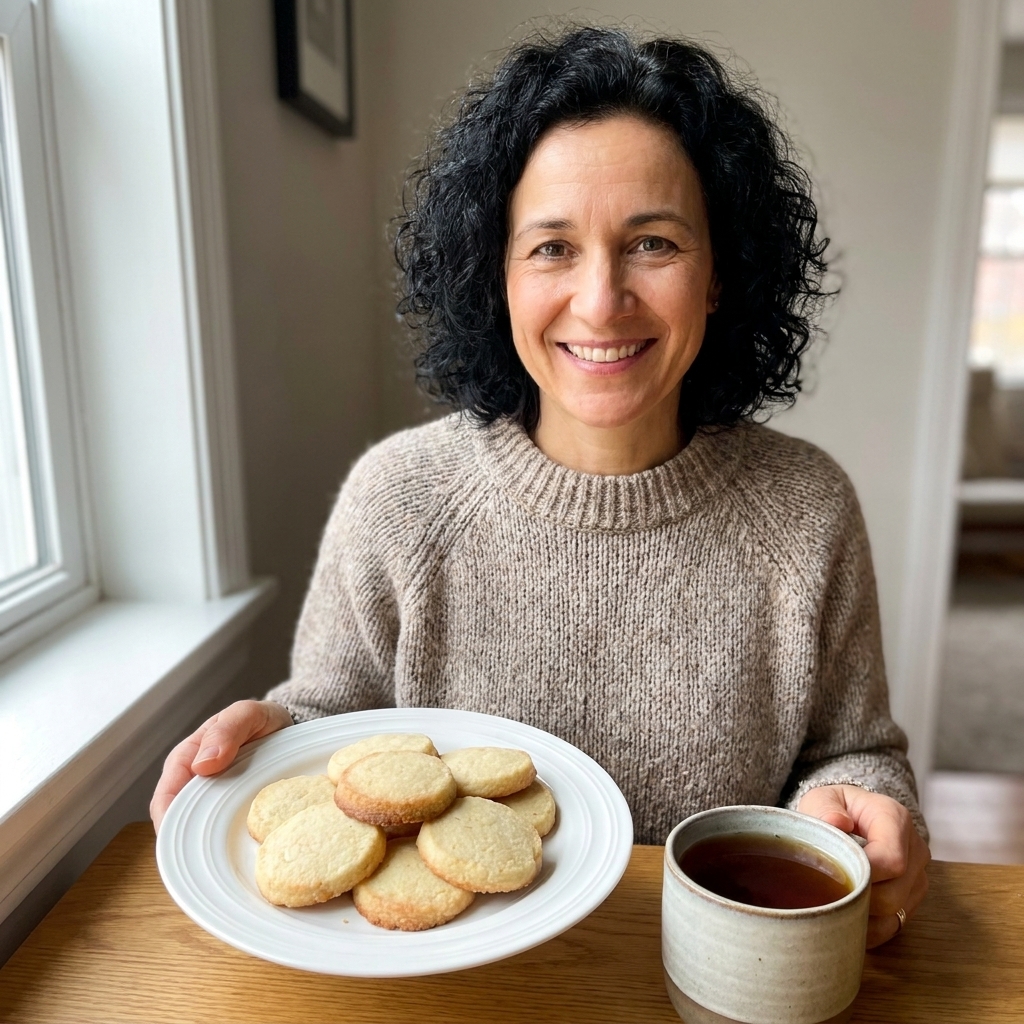
Makes: 18 to 22 cookies
Ingredients
- 2 cups blanched almond flour
- 1/3 cup powdered allulose or erythritol (to taste)
- 1/2 tsp fine salt
- 8 tbsp (1 stick) butter, softened
- 1 tsp vanilla extract
- Optional: zest of 1 lemon, or 1/2 tsp almond extract
Instructions
- Mix almond flour, sweetener, and salt in a bowl.
- Work in butter and vanilla until a cohesive dough forms.
- Shape into a log (about 2 inches thick), wrap, and chill 1 hour.
- Heat oven to 325°F. Slice 1/4-inch thick and bake 12 to 15 minutes until lightly golden at the edges.
Tip: Let cookies cool fully before moving. Almond flour is delicate when warm.
Baking note: If you use allulose, expect faster browning and a softer cookie. If you want more crispness, bake 1 to 2 minutes longer and cool completely, or use a blend of allulose and erythritol.
5) Berry “Cobbler” Mug (Microwave or Oven)
When you want dessert now, this is the move. Berries are often lower glycemic than many fruits in typical servings, and a small almond-oat topping makes it feel like the real thing.

Makes: 1 serving
Ingredients
- 1 cup mixed berries (fresh or frozen)
- 1 to 2 tsp allulose or monk fruit (optional, to taste)
- 1/4 tsp cinnamon
- Pinch of salt
- 2 tbsp almond flour
- 1 tbsp oat flour (or more almond flour)
- 1 tbsp butter or coconut oil, melted
- 1 tbsp chopped pecans (optional)
Instructions
- In a microwave-safe mug, stir berries with sweetener, cinnamon, and salt.
- In a small bowl, mix almond flour, oat flour, melted butter, and pecans. Sprinkle on top.
- Microwave 60 to 90 seconds until berries bubble. Let stand 2 minutes before eating.
Oven option: Bake at 350°F for about 15 minutes in a small ramekin.
Portion note: If you know a full cup of fruit is a lot for you, do 1/2 cup berries and keep the topping the same. It still feels like dessert.
6) Dark Chocolate Avocado Mousse
Avocado sounds like a dare until you try it. It makes a mousse that is lush and spoonable, and cocoa plus vanilla do all the convincing.
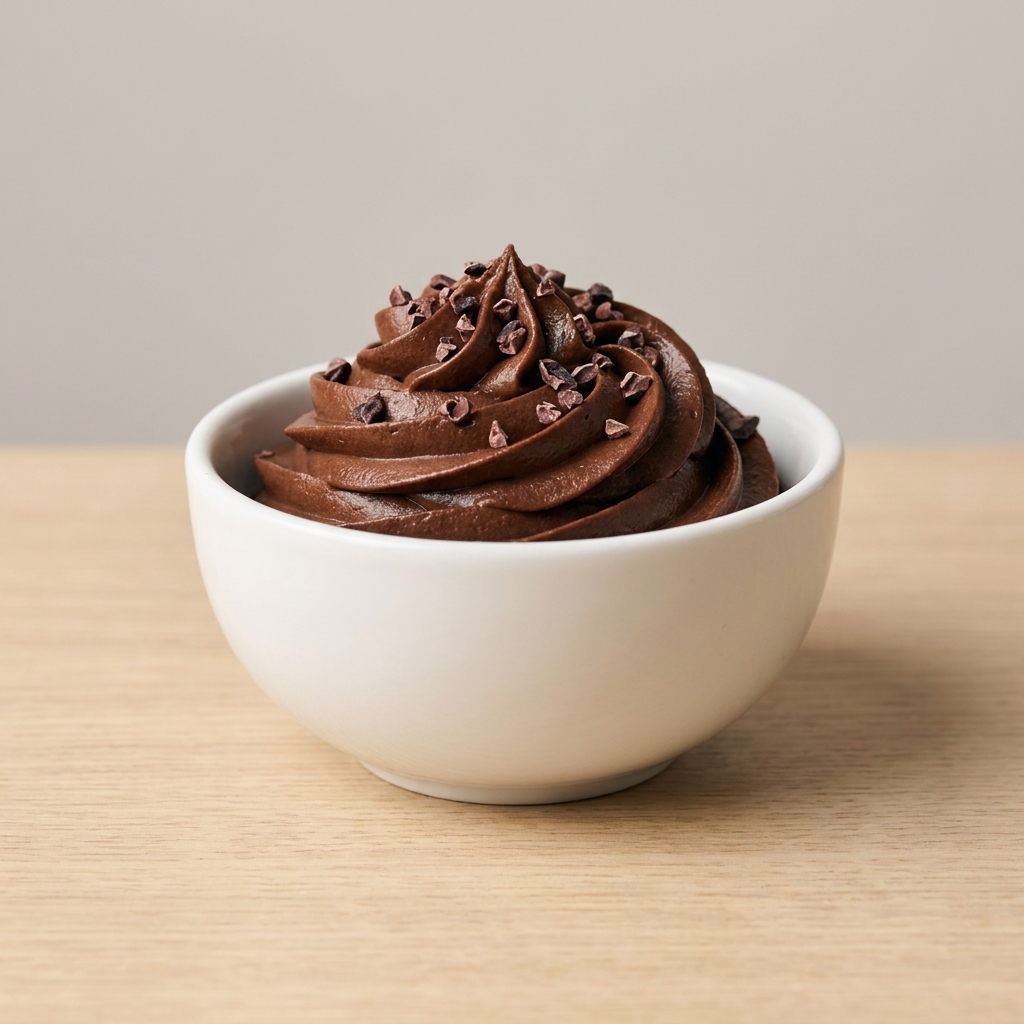
Makes: 2 to 3 servings
Ingredients
- 1 ripe avocado
- 3 tbsp unsweetened cocoa powder
- 3 to 4 tbsp allulose or sugar-free maple-style syrup (to taste)
- 1 tsp vanilla
- Pinch of salt
- 2 to 4 tbsp unsweetened almond milk (to blend)
- Optional: 1 tbsp peanut butter for a “truffle” vibe
Instructions
- Blend all ingredients until completely smooth, scraping down as needed.
- Chill 30 minutes for best texture.
Tip: If your avocado is not very ripe, the mousse will taste grassy. Wait a day, you will thank yourself.
Note: Sugar-free maple-style syrups vary a lot by brand. Check ingredients and carbs, and adjust sweetness to your taste.
7) Ricotta Lemon “Cheesecake” Bowls
Ricotta makes an instant cheesecake-style dessert with almost no fuss. The lemon zest is not optional, it is the whole magic trick.
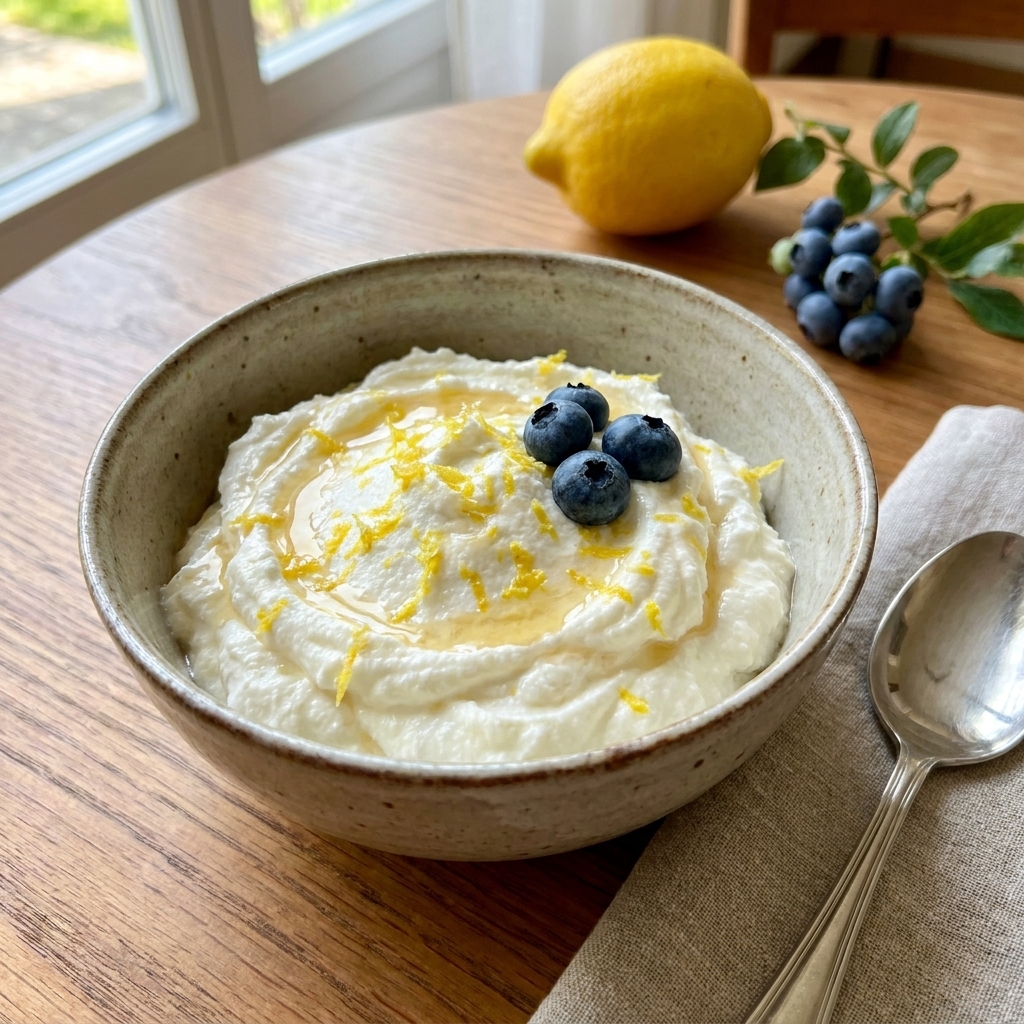
Makes: 2 servings
Ingredients
- 1 cup part-skim ricotta (or whole milk for richer)
- 2 tbsp plain Greek yogurt (optional, for tang)
- 1 1/2 to 2 tbsp allulose or monk fruit (to taste)
- Zest of 1 lemon plus 1 tsp lemon juice
- 1/2 tsp vanilla
- Pinch of salt
- To serve: blueberries, sliced strawberries, or toasted almonds
Instructions
- Whisk or blend ricotta, yogurt, sweetener, lemon zest, lemon juice, vanilla, and salt until creamy.
- Spoon into bowls and top with berries or nuts.
Shortcut: Make a double batch and keep it in the fridge for 3 days. It gets even better.
8) Coconut Macaroons (No Flour, Naturally Portionable)
Chewy, toasty edges, and the kind of cookie that feels like a treat at two bites. Unsweetened coconut keeps you in control of sweetness.
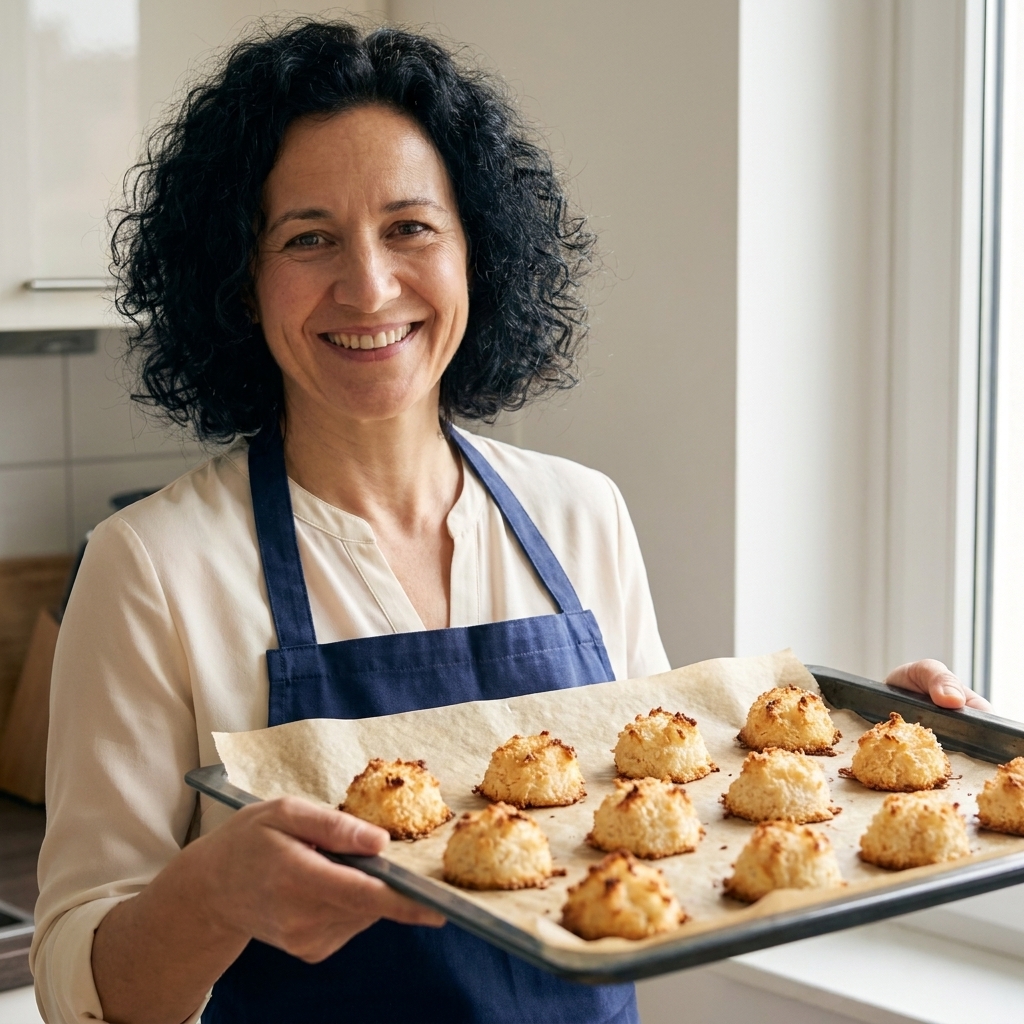
Makes: 16 macaroons
Ingredients
- 3 cups unsweetened shredded coconut
- 3 egg whites
- 1/3 cup allulose or erythritol (to taste)
- 1 tsp vanilla
- Pinch of salt
- Optional: 2 oz 85% dark chocolate for dipping
Instructions
- Heat oven to 325°F. Line a baking sheet with parchment.
- Stir coconut, egg whites, sweetener, vanilla, and salt until evenly coated.
- Scoop into 16 mounds (about 1 1/2 tbsp each). Bake 18 to 22 minutes until golden on top.
- Cool completely. Dip bottoms in melted dark chocolate if you want.
Tip: Under-mixing leads to dry macaroons. You want every shred of coconut lightly “lacquered.”
Ingredient swaps
- Flour: Almond flour for tenderness, a little oat flour for structure, coconut flour sparingly (it drinks liquid fast).
- Sweeteners: Allulose for a more sugar-like taste and less cooling effect; erythritol for a clean sweetness; monk fruit blends for convenience.
- Chocolate: Choose 85% or higher and use a small amount. Big flavor, smaller sugar load.
- Fruit: Berries are often the easiest fit. For apples, lean on spices and roasting to boost sweetness.
Allergen notes
Most of these recipes use common allergens: nuts (almond flour, walnuts, peanut butter), dairy (Greek yogurt, ricotta, butter), and eggs (macaroons). If you are navigating allergies, use the swaps provided and choose the recipes that match your needs.
Avoid spikes
I am not here to police your plate, but if you want practical strategies that work for many people:
- Pair dessert with protein (Greek yogurt, nuts, a glass of milk) if you are having something fruit-forward.
- Keep portions predictable by using jars, muffin tins, or pre-cut bars.
- Eat it slowly. Sounds obvious, but desserts are often where we accidentally inhale our food.
- Test your response to sweeteners and recipes. Your body is the best data.
- Count carbs your way. If you track total carbs or net carbs, run the recipe through your preferred tracker and label your containers. Future you will be grateful.
FAQ
Are these desserts sugar-free?
Some can be, depending on your toppings. Most are low added sugar and use non-nutritive sweeteners or small amounts of naturally sweet ingredients like berries.
Which sweetener tastes most like sugar?
In baked goods and creamy desserts, allulose often reads the most “sugar-like” to my palate. Erythritol can have a cooling effect. Monk fruit blends depend heavily on the brand.
Can I use honey or maple syrup instead?
You can, but they are still sugars and will raise carbs quickly. If you want to use them, keep the amount small and consider pairing with extra protein or fiber.
What is the easiest recipe to start with?
Chocolate chia pudding or the ricotta lemon bowls. No baking, forgiving ratios, and you can adjust sweetness as you go.
One last reassurance
Dessert does not have to be an all-or-nothing situation. If you are building confidence, pick one recipe, make it twice, and tweak it to your taste. That is how every “signature” dessert starts, even in professional kitchens.
If you try one, tell me which you made and what you swapped. I love a good resourceful twist.