A craveable guide to vegetarian and vegan mains with serious umami: saucy noodles, smoky tacos, meaty mushrooms, and cozy bakes that win over skeptics.
recipes
Creamy Dairy-Free Pasta Sauces: 5 Secret Ingredients

Elena Martinez
Elena Martinez is a former bakery manager turned full-time food writer and recipe developer. With over a decade of experience translating professional culinary techniques into approachable home cooking, she believes that a great meal doesn't require a culinary degree or expensive ingredients.
Created September 21, 2026
Last updated September 21, 2026
If you've ever tried to make a dairy-free pasta sauce and ended up with something that tastes thin, starchy, or weirdly sweet, you're not alone. Creaminess is a texture problem first and a flavor problem second. The good news is that once you know which ingredients help a sauce stay thick, velvety, and cohesive, you can make sauces that cling to noodles like the real thing.
Below are my five “secret” ingredients for creamy dairy-free pasta sauces, plus three step-by-step recipes you can memorize and remix. I'll also show you how to troubleshoot grainy sauces and get that glossy restaurant finish without dairy.
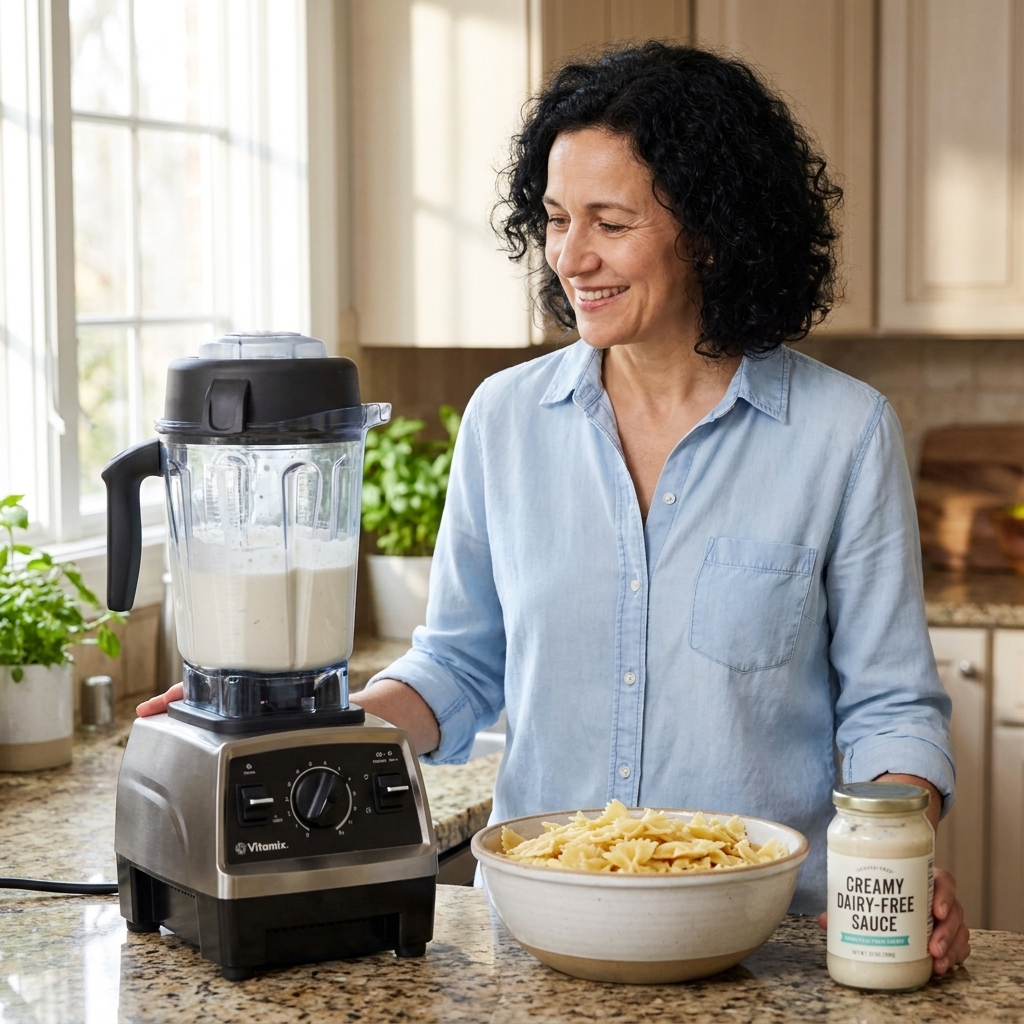
The 5 secret ingredients
Each of these brings either fat, protein, starch, or natural emulsifiers that help water and oil play nicely together. That's the whole game of creamy sauce.
1) Raw cashews
Why it works: Cashews are high in fat and starch. When blended with water, they turn into a silky “cream” that thickens as it warms.
- Best for: Alfredo-style sauces, garlic cream sauces, pesto cream.
- My tip: Soak 20 to 30 minutes in hot water if you don't have a high-powered blender. Drain before blending for maximum richness.
2) Silken tofu
Why it works: Silken tofu is mostly water held in a delicate protein network. Blend it and you get instant body. Add lemon, vinegar, or a little miso and you can build that dairy-like tang your brain expects.
- Best for: Creamy tomato sauces (rosé), “vodka” style sauces without cream, spinach and herb sauces.
- My tip: Warm it gently after blending. A rolling boil or high heat can make tofu sauces look separated.
3) Cannellini beans (or other white beans)
Why it works: White beans bring starch and fiber that thicken naturally. They also mellow sharp flavors, which helps dairy-free sauces taste rounder and less acidic.
- Best for: Lemon-garlic sauces, roasted veggie sauces, “creamy” soups that double as pasta sauce.
- My tip: Rinse canned beans well to avoid a beany aftertaste. If you want extra richness, blend with a tablespoon or two of olive oil.
4) Nutritional yeast
Why it works: It adds savory, cheese-adjacent depth and helps bridge the flavor gap when you skip Parmesan. It also thickens slightly.
- Best for: Alfredo, mac-and-cheese vibes, any sauce that feels flat.
- My tip: Add it in small increments and taste. Different brands vary a lot in intensity.
5) Miso paste (white or chickpea miso)
Why it works: Miso brings salt, umami, and gentle fermentation tang. That tang is one of the easiest ways to make a dairy-free sauce taste more “finished.”
- Best for: Alfredo, mushroom cream sauces, and anything you'd normally finish with Parmesan.
- My tip: Stir miso in off the heat so the flavor stays bright and doesn't get harsh.
Bonus pantry helpers: lemon juice (brightness), Dijon mustard (helps the sauce stay cohesive), pasta water (binds), and a drizzle of good olive oil (gloss).
Allergen note: Cashews are tree nuts. Tofu and most miso are soy-based.
The method that doesn't fail
If you learn one technique from this article, make it this one:
- Blend your “cream base” until totally smooth. If it feels silky on your tongue, it'll feel silky on pasta.
- Sauté aromatics separately. Garlic, shallot, tomato paste, spices. This builds flavor you can't get from raw blending alone.
- Simmer gently to thicken. Think small bubbles, not a rolling boil.
- Finish in the pan with pasta water. Add hot pasta, splash in pasta water, toss until the sauce turns glossy and clings.
Texture tip: Aim for the sauce to be slightly looser in the pan than you want on the plate. It tightens as it cools.
Quick fixes
- Grainy sauce: Blend longer, add a few tablespoons of hot water, and blend again. For cashews, soak first.
- Too thick: Loosen with pasta water a tablespoon at a time.
- Too thin: Simmer 2 to 4 minutes, or blend in 2 tablespoons beans or cashews.
- Tastes bland: Add salt first, then acid (lemon or vinegar), then umami (miso or nutritional yeast).
- Separation: Keep heat gentle and add oil at the end. If it looks split, take it off the heat and whisk in a splash of hot pasta water.
Flavor builders to remix
- Roasted garlic or caramelized onion
- Sautéed mushrooms
- Smoked paprika or chili flakes
- Capers or chopped olives
- Lemon zest and fresh herbs
Recipe 1: Cashew Alfredo
This is the sauce I make when someone says, “I just want creamy pasta.” It's rich, garlicky, and clings beautifully to fettuccine or penne.
Note: This is about a 10-minute cook once your cashews are soaked (or if you're using cashew butter).
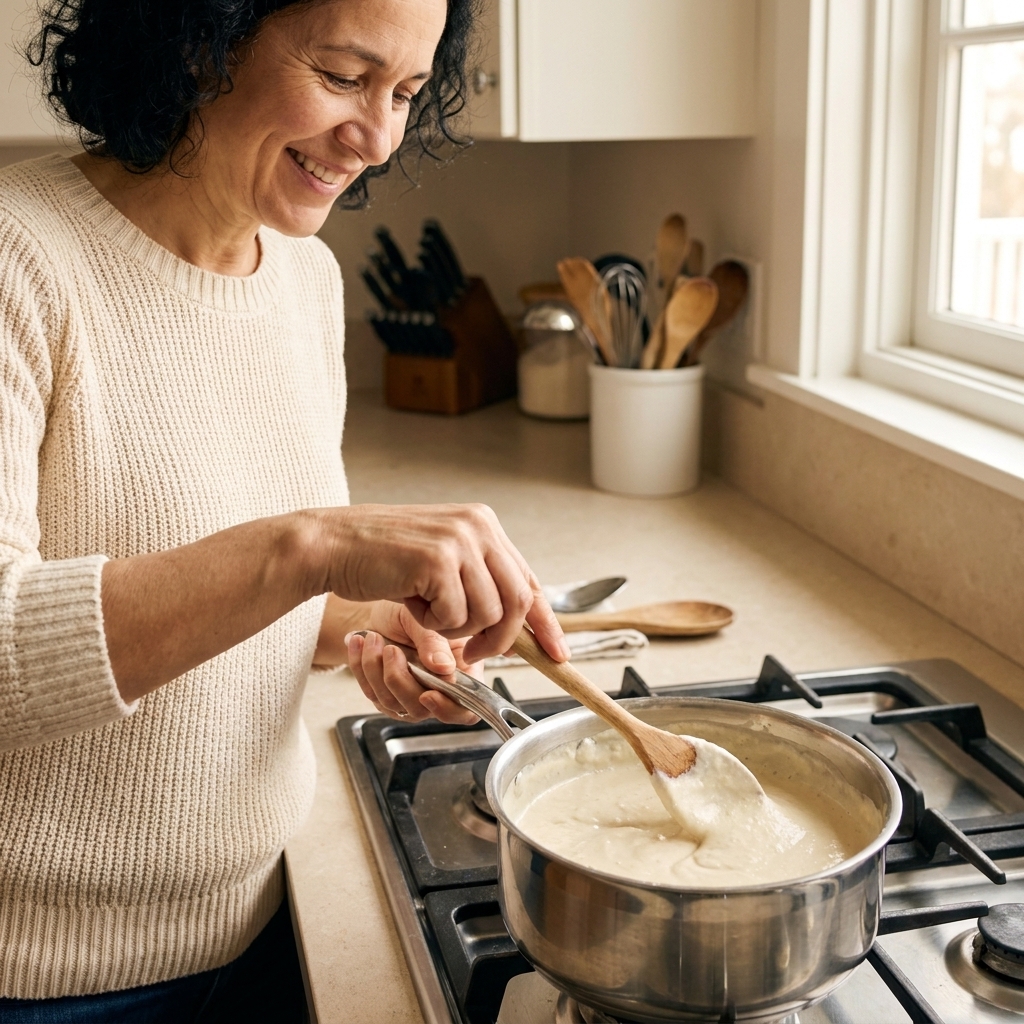
Ingredients (serves 4)
- 1 cup raw cashews (soaked in hot water 20 to 30 minutes, then drained)
- 1 1/4 cups warm water, plus more as needed
- 2 to 3 tablespoons nutritional yeast
- 1 tablespoon lemon juice
- 1 teaspoon white miso (optional but very good)
- 1 teaspoon Dijon mustard (optional, helps the sauce stay cohesive)
- 1/2 teaspoon fine salt, plus more to taste
- 2 tablespoons olive oil
- 2 cloves garlic, minced
- A big pinch of black pepper
- Pinch nutmeg (optional, classic Alfredo vibe)
- 12 ounces pasta
- 1/2 cup hot pasta water (reserved)
Steps
- Blend the cream: In a blender, combine drained cashews, warm water, nutritional yeast, lemon juice, miso (if using), Dijon (if using), and salt. Blend until completely smooth, 45 to 90 seconds depending on blender.
- Bloom the garlic: In a large skillet over medium-low heat, warm olive oil. Add garlic and cook 30 to 45 seconds, just until fragrant.
- Simmer gently: Pour in the cashew cream. Add pepper and nutmeg. Simmer 2 to 3 minutes, stirring, until slightly thickened.
- Finish with pasta: Add cooked pasta and a splash of pasta water. Toss, adding more pasta water as needed, until glossy and coated.
Make it yours
- Extra protein: Add sautéed mushrooms or crispy chickpeas.
- Green version: Blend in a handful of spinach or basil.
- No blender? Use cashew butter (unsweetened) and whisk hard. Start with 1/2 cup cashew butter and 1 cup warm water.
Recipe 2: Tofu Tomato Cream
Silken tofu gives you that creamy body without muting tomato flavor. This one's especially good with rigatoni, shells, or any pasta shape that catches sauce in the curves.
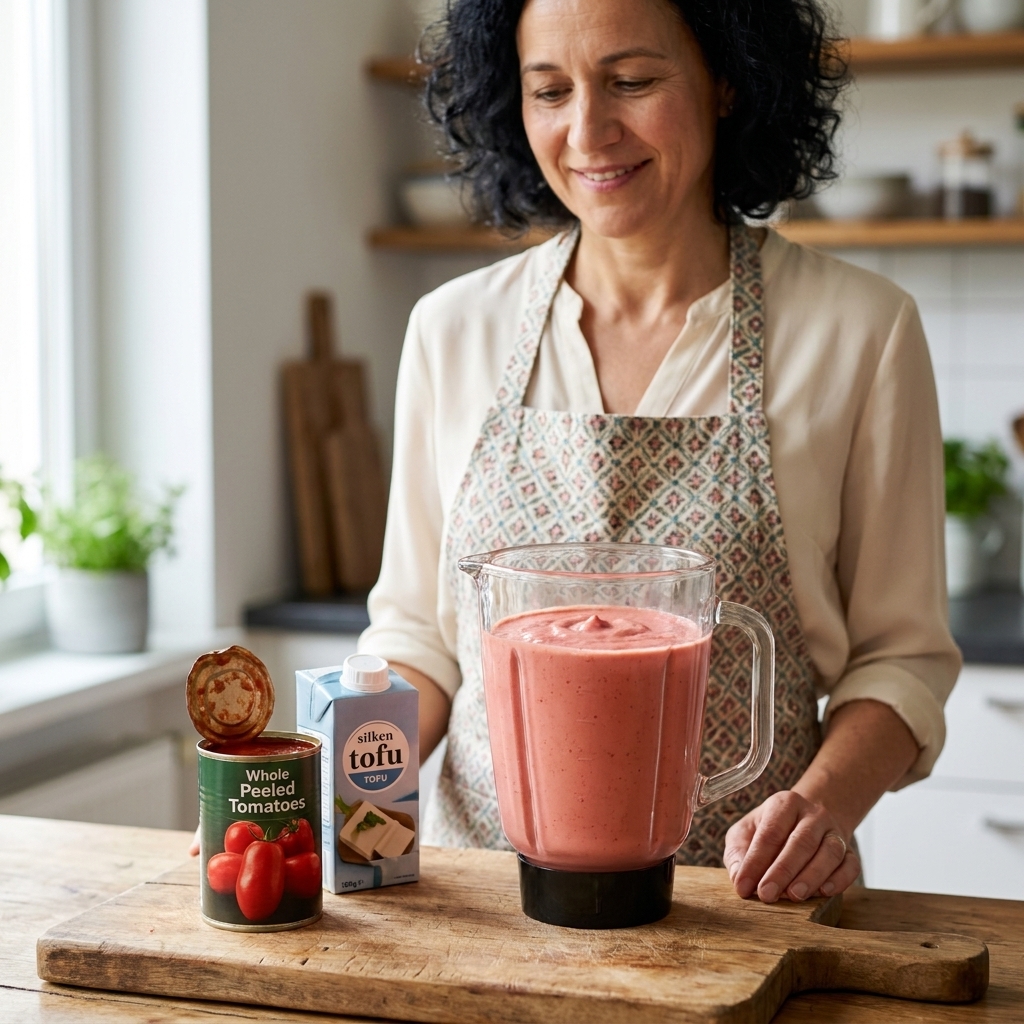
Ingredients (serves 4)
- 12 to 14 ounces silken tofu
- 1 (14 to 15 ounce) can crushed tomatoes
- 2 tablespoons tomato paste
- 1 small onion or 2 shallots, finely chopped
- 3 cloves garlic, minced
- 2 tablespoons olive oil
- 1 teaspoon dried oregano
- Pinch red pepper flakes (optional)
- 1 to 2 teaspoons balsamic vinegar (optional, for balance)
- 1 teaspoon salt, plus more to taste
- 12 ounces pasta
- 1/2 cup hot pasta water (reserved)
- Fresh basil, for serving
Steps
- Blend: Blend silken tofu and crushed tomatoes until smooth. Set aside. Option: If you're sensitive to tofu sauces separating, blend the tofu alone until smooth and stir it into the simmered tomato sauce at the end over low heat.
- Build flavor: In a large skillet, warm olive oil over medium heat. Add onion and cook 4 to 5 minutes until soft. Add garlic, oregano, and red pepper flakes, then cook 30 seconds.
- Toast tomato paste: Stir in tomato paste and cook 1 minute. This deepens flavor and takes away that raw edge.
- Simmer gently: Pour in the tofu-tomato mixture. Simmer 4 to 6 minutes on low, stirring often. Add salt. If the sauce tastes sharp, add a tiny splash of balsamic.
- Toss: Add pasta and enough pasta water to make it silky. Finish with basil.
My notes
- Keep it gentle: High heat can make tofu sauces look separated. Low simmer keeps it velvety.
- Want “vodka sauce” vibes? Add 1 tablespoon vodka with the garlic, let it cook off for 30 seconds, then proceed.
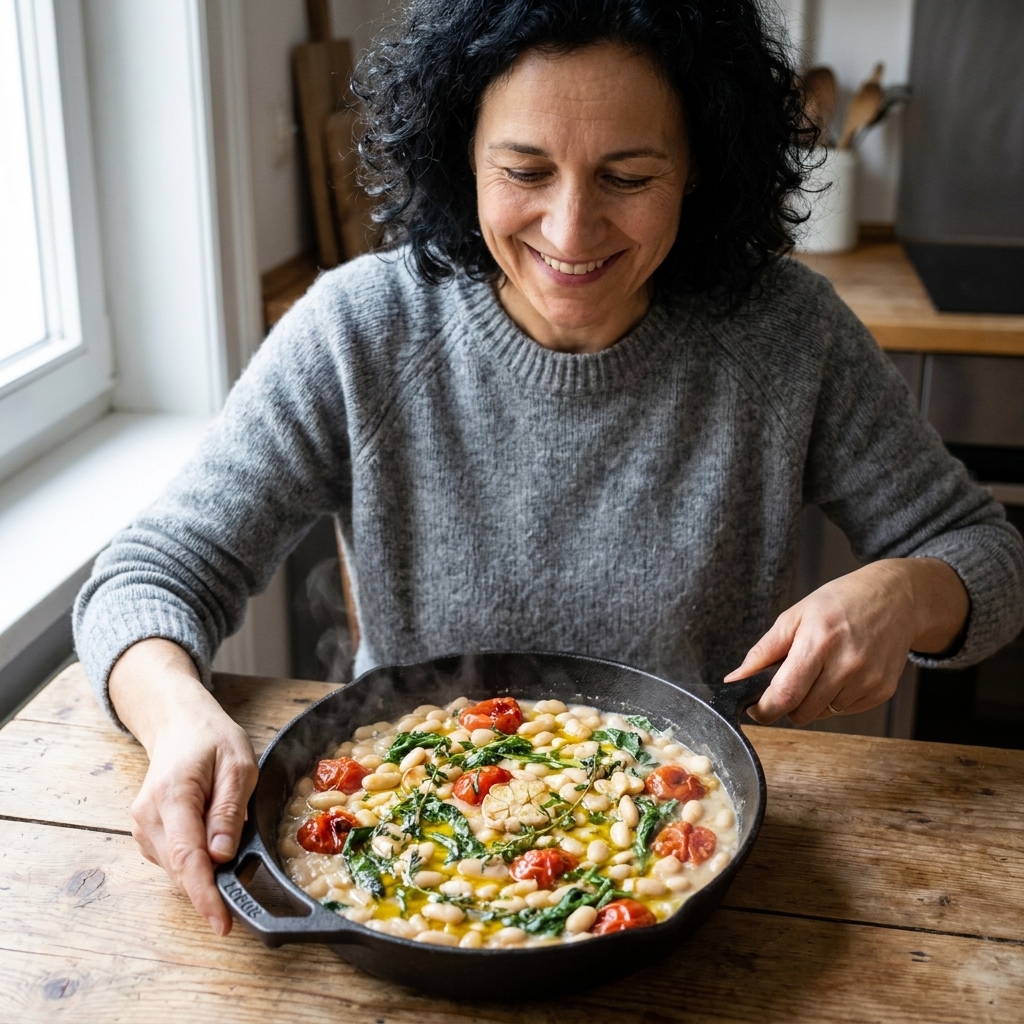
Recipe 3: White Bean Lemon-Garlic Cream
This is my favorite “I have nothing in the fridge” sauce. It's creamy from beans, bright from lemon, and feels light but still satisfying.
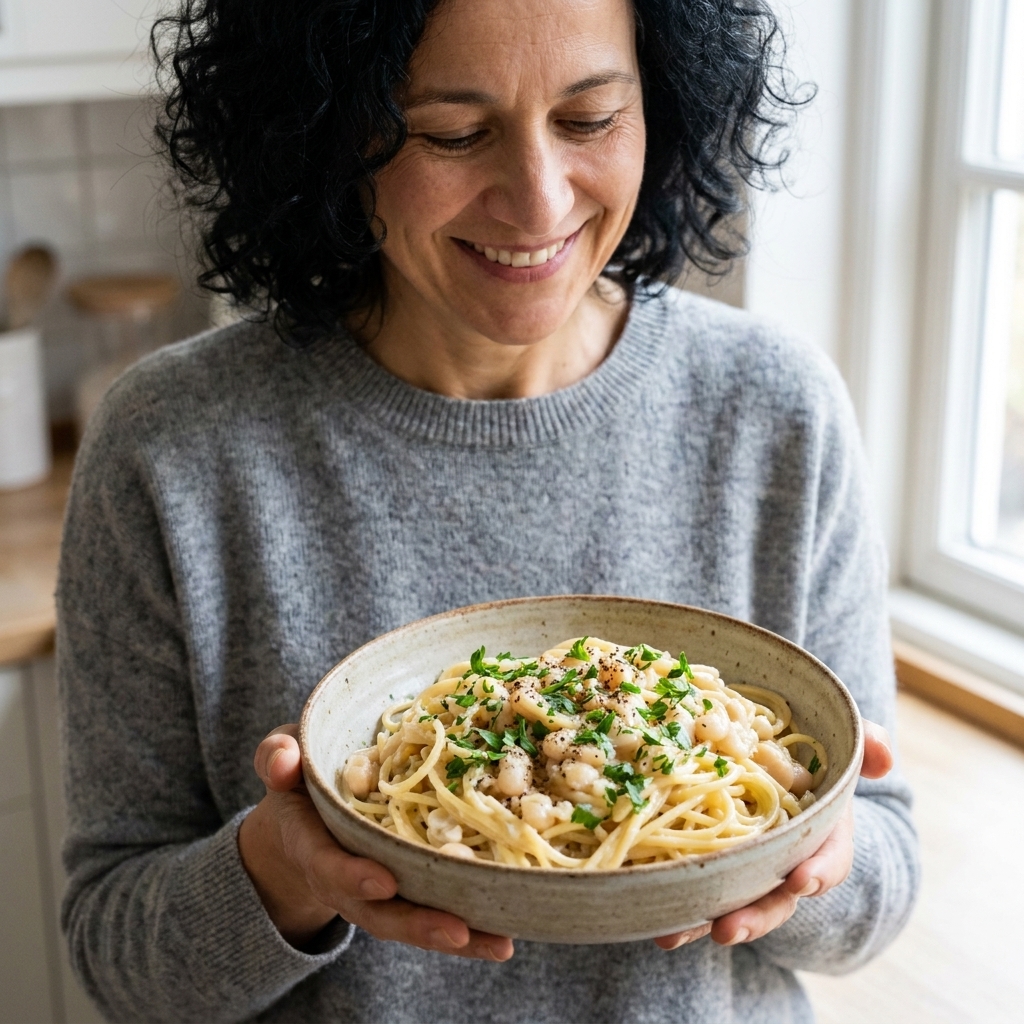
Ingredients (serves 4)
- 1 (15 ounce) can cannellini beans, rinsed and drained
- 3/4 cup water or low-sodium vegetable broth
- 3 tablespoons olive oil, divided
- 3 cloves garlic, minced (or 1 teaspoon garlic powder in a pinch)
- Zest of 1 lemon
- 2 to 3 tablespoons lemon juice, to taste
- 2 tablespoons nutritional yeast (optional, but adds depth)
- 1 teaspoon salt, plus more to taste
- Black pepper
- Pinch red pepper flakes (optional)
- 12 ounces pasta
- 1/2 cup hot pasta water (reserved)
- Chopped parsley or arugula, for serving
Steps
- Blend: Blend beans, water or broth, 2 tablespoons olive oil, nutritional yeast (if using), and salt until smooth.
- Sauté garlic: In a skillet over medium-low heat, warm remaining 1 tablespoon olive oil. Add garlic and cook 30 seconds.
- Warm and thicken: Add bean cream and simmer 2 to 3 minutes, stirring, until it coats the back of a spoon.
- Finish bright: Turn heat off. Stir in lemon zest and lemon juice. Taste and adjust salt and pepper.
- Toss: Add pasta and a splash of pasta water. Toss until glossy. Top with parsley or arugula.
Variations
- Roasted broccoli version: Toss in roasted broccoli florets and extra lemon.
- Mushroom version: Sauté sliced mushrooms first, then add garlic and proceed.
- Gluten-free: Use gluten-free pasta and reserve extra pasta water, as GF noodles often need more loosening. If you use miso in any sauce, choose a certified gluten-free miso if needed.
Meal prep and storage
- Refrigerate: Store sauces in airtight containers up to 4 days.
- Reheat: Warm gently in a skillet with a splash of water or broth. Avoid high heat for tofu sauces.
- Freeze: Cashew and bean sauces freeze well, but they're best within about 2 months for texture. Tofu-tomato sauce can freeze too, though it may be slightly less silky after thawing. Still tasty.
Leftover magic: Thin any of these sauces with broth and you've got a quick creamy soup. Or use as a spread in wraps with roasted vegetables.
FAQ
Do I need a high-powered blender?
It helps most with cashews. If your blender struggles, soak cashews in hot water longer (up to 1 hour), blend with warm water, and give it extra time. For tofu and beans, most standard blenders work fine.
How do I make dairy-free sauce taste “cheesy” without vegan cheese?
Nutritional yeast plus a little miso is the most reliable combo. Then finish with lemon juice and enough salt. Those three together create the savory tang your brain expects from Parmesan.
Why does my sauce taste chalky or bland?
Chalky usually means under-blended or under-seasoned. Blend longer, then add salt, a squeeze of lemon, and something umami (nutritional yeast or miso). Also make sure you're using pasta water to bind, not plain tap water.
Can I use almond milk or oat milk instead?
You can, but milk alone rarely makes a sauce truly creamy. Use plant milk as the liquid paired with a thickener (cashews, tofu, or beans), or you'll end up with a thin sauce.
Your next creamy sauce
If you keep one of these bases in your back pocket (cashews, silken tofu, or white beans), creamy pasta becomes a Tuesday night skill instead of a special occasion project. Start with the recipe that matches your mood, then tweak it like you would any classic sauce: salt, acid, fat, and a little patience at the stove.
If you make one, tell me which base surprised you most. My money is on the beans.