
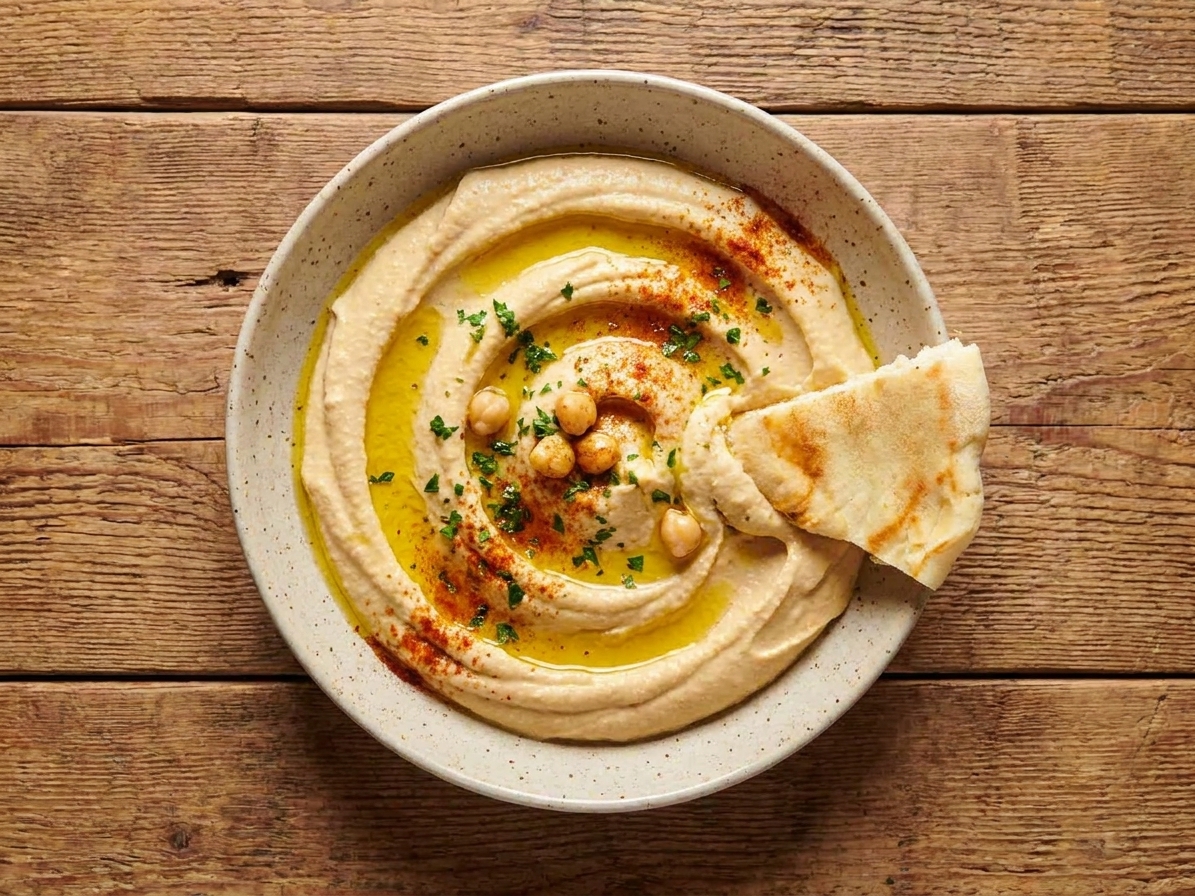
There are two kinds of hummus: the kind that tastes fine and sits in the fridge until it dries out around the edges, and the kind you keep “checking” with a spoon until half the container is mysteriously gone. This is that second kind.
What makes homemade hummus creamy is not a secret ingredient or a fancy gadget. It is a handful of small choices that add up: warming the chickpeas so they blend into a silkier puree, starting with tahini and lemon so the base can emulsify and lighten, and giving the mixture enough time in the processor to become truly smooth. The payoff is big: a hummus that feels whipped, not pasty, with a balanced tang and that cozy toasted-sesame depth.

If you have ever made hummus and ended up with something a little gritty, a little bitter, or weirdly thick, you are in the right place. I will walk you through the small “why” moments so you can troubleshoot as you go. Then you can keep this as your base recipe forever and riff on it depending on what is in your fridge.
Along the way, we will touch on the usual culprits: tahini quality, garlic sharpness, chickpea skins, and how a splash of ice-cold water changes the texture.
Think of hummus like a sauce, not a dip. When it is properly blended and seasoned, it should feel spoonable and plush, not stiff.
One more note before we get into it: homemade hummus often tastes fresher than store-bought because you control the lemon and garlic. Start modestly, blend, taste, and then adjust. That last minute of tasting is the difference between “pretty good” and “can you bring that again?”
Why this recipe works
- We build an emulsified base first. Blending tahini with lemon juice and a little water before adding chickpeas helps the mixture turn pale and fluffy instead of dense.
- Warm chickpeas blend smoother. Slightly warmed chickpeas (even from a can) soften and puree more easily, which can reduce graininess.
- Ice-cold water helps control texture. Adding cold water a tablespoon at a time loosens the hummus without making it oily, giving you that glossy, whipped consistency.
- Balanced seasoning keeps bitterness in check. Tahini varies a lot. Starting with measured tahini, then adjusting lemon, salt, and cumin to taste keeps the flavor round and nutty, not sharp.
Ingredient notes
Chickpeas (garbanzo beans): Canned chickpeas are completely fine and my weeknight choice. If you cook your own, use well-cooked, very tender chickpeas and save some cooking liquid to thin the hummus.
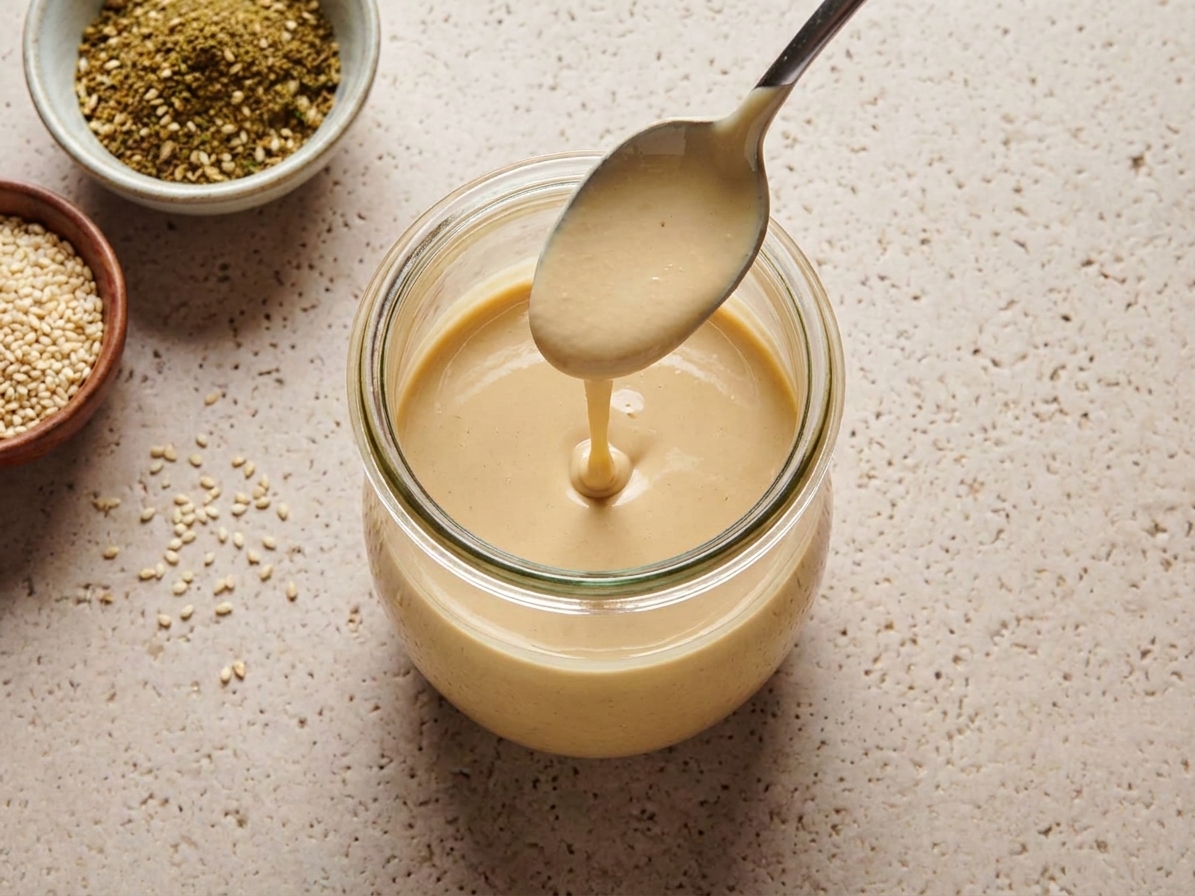
Tahini: Use a well-stirred tahini that pours easily. If it is thick and dry, your hummus will be heavy. If your tahini tastes bitter on its own, use a little less and bump the olive oil and lemon to compensate.
Lemon juice: Fresh makes a big difference. Bottled lemon juice can taste flat or slightly metallic in something as simple as hummus.
Garlic: One clove gives a gentle warmth, two gives you a noticeable bite. If you are garlic-sensitive, you can mellow it by letting minced garlic sit in the lemon juice for 5 minutes before blending.
Olive oil: Blend a small amount into the hummus for richness, then drizzle more on top when serving. Save the really peppery, fancy oil for the finishing drizzle.
Ground cumin: Optional, but it adds that familiar hummus aroma. Keep it subtle so it does not dominate.
Salt: Start with less than you think, then adjust at the end. Hummus needs enough salt to taste nutty and bright, not bland.
Equipment you will need
- Food processor: Best for ultra-smooth hummus. A high-speed blender can work too, but you may need more liquid and more scraping.
- Fine-mesh strainer: Helpful for rinsing and draining chickpeas well.
- Microplane or garlic press: Optional, but great for evenly dispersing garlic without chunks.
- Rubber spatula: You will scrape the bowl a couple of times, and it is worth it.
Pro tips
- Do not skip the long blend. Let the processor run longer than feels necessary, scraping once or twice. Smooth hummus is mostly time and friction.
- Thin it while blending, not after. Add cold water in small splashes while the motor runs. You are aiming for a hummus that looks a touch looser than you want because it firms up slightly in the fridge.
- For extra-silky hummus, remove some skins. If you have 5 extra minutes, pinch off the skins from a portion of the chickpeas. You do not have to do all of them to notice a difference.
- Taste for balance, not volume. If it tastes flat, add salt. If it tastes heavy, add lemon. If it tastes sharp, add a bit more tahini or a drizzle of olive oil.
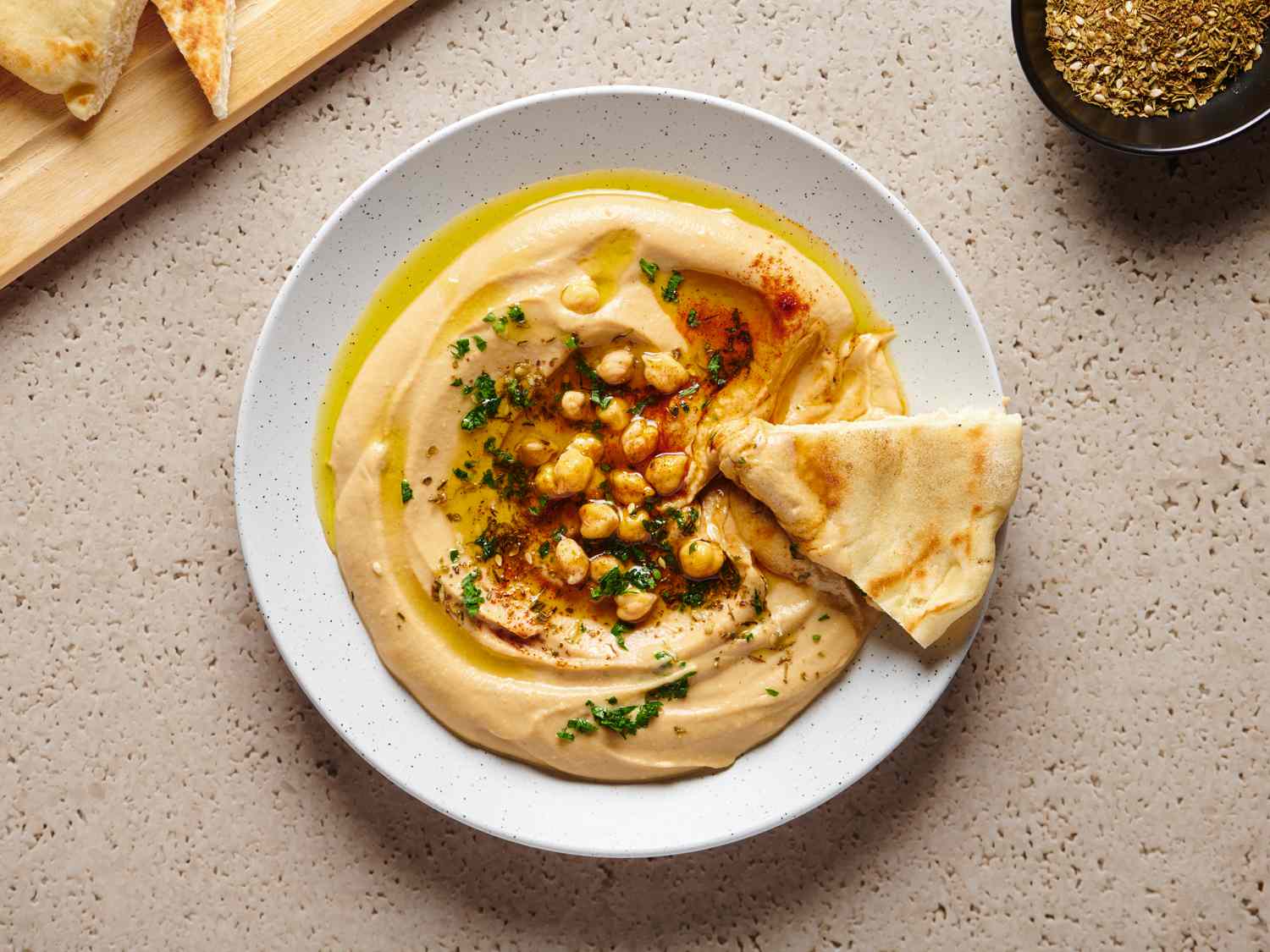
- Make a “well” when serving. Spread hummus onto a plate, swirl with the back of a spoon, then drizzle oil so it pools in the grooves.
Substitutes that work
- No tahini: You will lose the classic flavor, but you can use unsweetened sunflower seed butter or a mild, unsweetened cashew butter. Start with less and add to taste.
- No lemon: Use lime juice for a different but still bright hummus, or a small splash of red wine vinegar in a pinch.
- No olive oil: Use a neutral oil in the blend, then finish with whatever good oil you have. The hummus will be slightly less fruity.
- Low-garlic option: Use 1 small clove or swap in a pinch of garlic powder, then taste and adjust.
- Lower-sodium: Rinse canned chickpeas very well and salt the hummus gradually. Flavor with extra lemon zest and cumin to keep it lively.
Variations
- Roasted red pepper: Blend in drained roasted red peppers and a pinch of smoked paprika for sweetness and color.
- Spicy harissa: Add a spoonful of harissa and finish with a drizzle of chili oil.
- Herby green hummus: Blend in a big handful of parsley or cilantro, plus a little extra lemon.
- Roasted garlic: Swap raw garlic for a few cloves of roasted garlic for a mellow, almost buttery flavor.
- Extra lemony: Add lemon zest along with the juice for brighter aroma without extra acidity.
Serving ideas
- Classic snack board: Warm pita wedges, cucumbers, cherry tomatoes, olives, and feta.
- Sandwich spread: Use hummus instead of mayo on wraps, veggie sandwiches, or grilled chicken pita.
- Weeknight dinner helper: Dollop onto grain bowls with roasted vegetables and a jammy egg.
- Fast sauce: Thin with water and lemon, then drizzle over roasted cauliflower, broccoli, or salmon.
- Kid-friendly: Serve with pretzel sticks, bell pepper strips, or pita chips and keep the garlic mild.
Storage and reheating
Refrigerate: Store hummus in an airtight container for up to 5 days. Smooth the top and add a thin layer of olive oil to help prevent drying.
Texture changes: Hummus thickens in the fridge. To bring it back to creamy, stir in a teaspoon or two of cold water or lemon juice.
Freezing: You can freeze hummus for up to 3 months. Thaw overnight in the fridge, then re-blend or stir vigorously with a splash of water to restore the texture.
Food safety: If it has been sitting out for a while at a party, follow the two-hour rule for perishable dips.
Common mistakes
- It is gritty. Most often: not blended long enough, chickpeas were cold and firm, or tahini was thick and dry. Blend longer and add cold water gradually while processing.
- It tastes bitter. Bitter tahini is common. Use less tahini, add more lemon and salt, and finish with good olive oil. Also check that your garlic is not old or sprouting.
- It is too thick. Add cold water a tablespoon at a time while blending. Do not add extra oil first, because oil can make it feel heavy rather than creamy.
- It is bland. Add salt first, then lemon. Hummus needs enough salt to unlock the nuttiness of tahini and chickpeas.
- It is too garlicky or sharp. Blend in a bit more tahini and chickpeas, then adjust salt. Time helps too. The flavor mellows after an hour in the fridge.
FAQ
Do I have to peel chickpeas for creamy hummus?
No. Peeling makes hummus extra silky, but you can get very creamy hummus by blending longer and using enough water. If you want a middle ground, peel a handful and call it done.
Can I use dried chickpeas?
Absolutely. Cook them until they are very tender, not just “done.” Overcooked is better than undercooked for hummus. Warm chickpeas puree smoother, and you can use a little cooking liquid to thin.
Why does my hummus turn out dense instead of fluffy?
Dense hummus usually comes from adding chickpeas too early and not aerating the tahini base. Start by whipping tahini with lemon and water first, then add chickpeas and blend longer than you think you need.
Should I blend olive oil into hummus?
A small amount adds richness and helps the texture, but the best use of olive oil is often as a finishing drizzle for flavor and aroma.
Can I make hummus without a food processor?
You can use a high-speed blender. You will likely need more liquid and more stopping to scrape down the sides. A stick blender works in a pinch, but the texture will usually be a bit more rustic.
The recipe
Creamy Homemade Hummus
Ultra-creamy, bright, and nutty homemade hummus with a fluffy texture and just the right garlic bite. Perfect for dipping, spreading, and quick weeknight bowls.
- Prep
- 10 minutes
- Cook
- 5 minutes
- Total
- 15 minutes
- Yield
- About 2 cups (8 servings)
Ingredients
- 1 (15-ounce) can chickpeas, rinsed and drained
- 1/3 cup tahini, well stirred
- 1/4 cup fresh lemon juice (about 1 to 2 lemons)
- 1 small garlic clove, minced (or 2 for a stronger bite)
- 2 tablespoons extra-virgin olive oil, plus more for serving
- 1/2 teaspoon ground cumin (optional)
- 3/4 teaspoon kosher salt, plus more to taste
- 4 to 6 tablespoons ice-cold water, as needed
- Paprika or smoked paprika, for serving (optional)
Instructions
- Warm the chickpeas: Add the drained chickpeas to a small saucepan, cover with water, and bring to a simmer for 3 to 5 minutes. Drain well.
- Whip the tahini base: In a food processor, combine tahini, lemon juice, garlic, cumin (if using), and salt. Process for 45 to 60 seconds, scraping down once, until thick and creamy.
- Make it fluffy: With the processor running, drizzle in 3 tablespoons of ice-cold water. Process 30 seconds. The mixture should turn paler and look airy.
- Add chickpeas and blend: Add warm chickpeas and the 2 tablespoons olive oil. Process 2 to 3 minutes, stopping to scrape down the bowl as needed.
- Adjust texture and seasoning: With the motor running, add more ice-cold water 1 tablespoon at a time until the hummus is smooth and spoonable. Taste and adjust salt and lemon.
- Serve: Spoon onto a plate or into a bowl, swirl with the back of a spoon, drizzle with olive oil, and sprinkle with paprika if you like.
Notes
- Texture target: Hummus should look slightly looser in the processor than you want to eat it. It will firm up as it chills.
- Tahini varies: If your tahini is very thick, you may need the full amount of water. If it is runny, start with less water and add slowly.
- Make-ahead: Hummus tastes even better after 1 hour in the fridge. Stir before serving and add a splash of water if it tightened up.
- Extra-smooth option: Peel some chickpeas or push warm chickpeas through a sieve before blending for a very silky finish.
Nutrition
Estimated nutrition (per 1/4 cup serving): 165 calories, 9 g fat, 16 g carbohydrates, 5 g protein, 4 g fiber, 320 mg sodium.