A budget-friendly roundup of fast family dinners under $10 with pantry pastas, tacos, fried rice, soups, and more, plus cost-driver tips, swaps, and leftover...
recipes
Budget-Friendly Pantry Pasta for Busy Weeknights

Elena Martinez
Elena Martinez is a former bakery manager turned full-time food writer and recipe developer. With over a decade of experience translating professional culinary techniques into approachable home cooking, she believes that a great meal doesn't require a culinary degree or expensive ingredients.
Created September 23, 2026
Last updated September 23, 2026
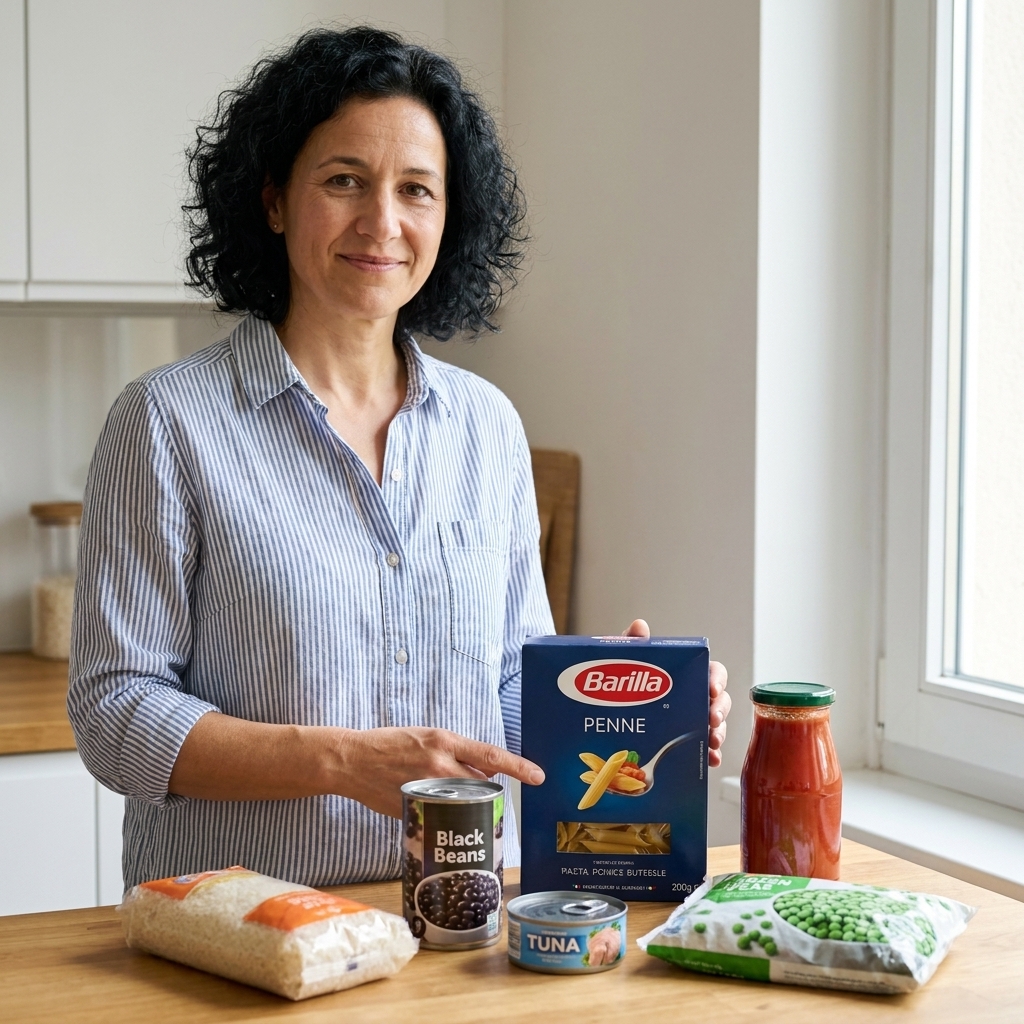
When my week is sprinting and my wallet is not, I reach for the same reliable trio: a box of pasta, something from the back of the pantry, and one inexpensive add-in that makes it feel like dinner, not survival. The best part is that pasta is built for stretching. A single pound can feed about four, especially when you lean on beans , canned fish, frozen vegetables, or a few eggs.
Below are my go-to pantry pasta recipes for busy weeknights. Each one is designed to be forgiving, fast, and flexible. If you are missing an ingredient, you will find swaps that still get you to a cozy bowl of pasta.
Before you start: 3 pantry pasta rules
1) Salt the pasta water like you mean it
This is your first layer of seasoning. If you skip it, you will try to fix everything later with more sauce and more cheese.
2) Save pasta water every time
Scoop out 1 cup before draining. The starchy water helps sauces cling and turn silky, even when you are working with simple pantry ingredients.
3) Pick a stretch ingredient
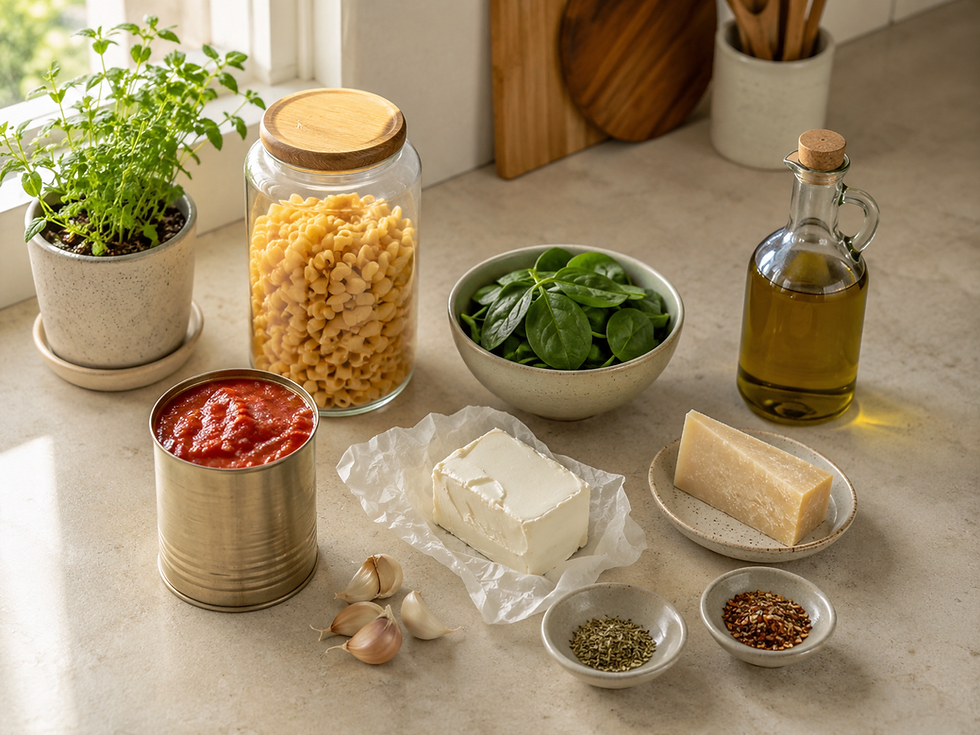
To make one box of pasta feel like a full meal, add one of these:
- Beans or lentils
- Canned tuna or sardines
- Frozen peas or spinach
- Eggs
- Leftover cooked vegetables or chicken
Recipe 1: Tomato chickpea pasta
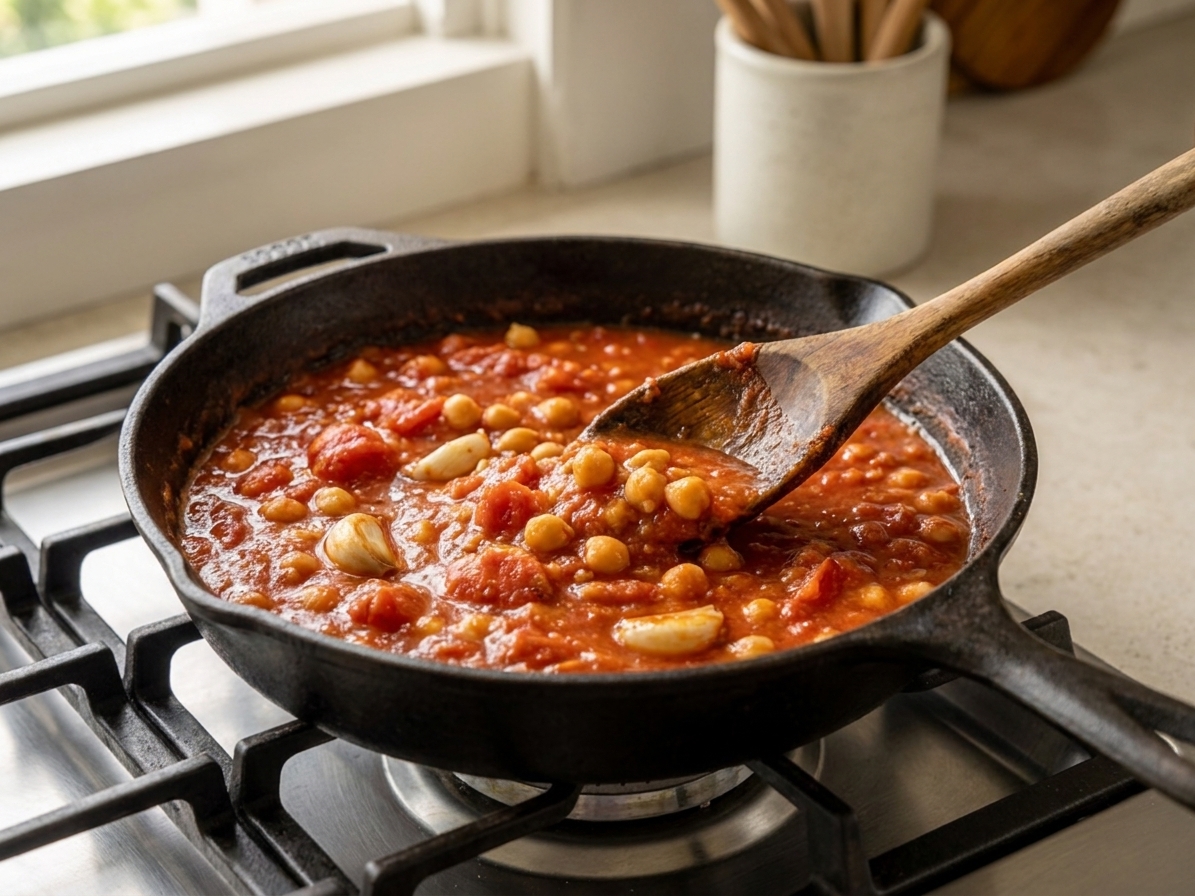
This tastes like a long-simmered red sauce, but it is weeknight fast. Chickpeas add protein and body so the sauce feels hearty with very little effort.
Ingredients (serves 4)
- 1 pound pasta (penne, rigatoni, spaghetti all work)
- 3 tablespoons olive oil
- 4 cloves garlic, thinly sliced
- 1 teaspoon dried oregano
- Pinch of red pepper flakes (optional)
- 1 can (28 ounces) crushed or diced tomatoes
- 1 can (15 ounces) chickpeas, drained and rinsed
- Salt and black pepper
- Optional finish: grated Parmesan, chopped parsley, or a squeeze of lemon
Steps
- Boil pasta in well-salted water. Reserve 1 cup pasta water, then drain.
- In a large skillet, warm olive oil over medium-low heat. Add garlic and cook until fragrant, about 30 to 60 seconds. If it starts to brown, pull the pan off the heat for a moment.
- Stir in oregano and red pepper flakes. Add tomatoes and a big pinch of salt. Simmer 8 to 10 minutes.
- Add chickpeas and simmer 2 more minutes to warm through.
- Toss in pasta with a splash of reserved pasta water. Add more pasta water a little at a time until the sauce clings nicely.
- Finish with pepper and any optional toppings.
Budget swaps
- No chickpeas: use white beans, lentils (canned or cooked), or frozen peas.
- No canned tomatoes: use jarred marinara and thin with pasta water.
- No garlic: use 1 teaspoon garlic powder, stirred into the oil with the oregano.
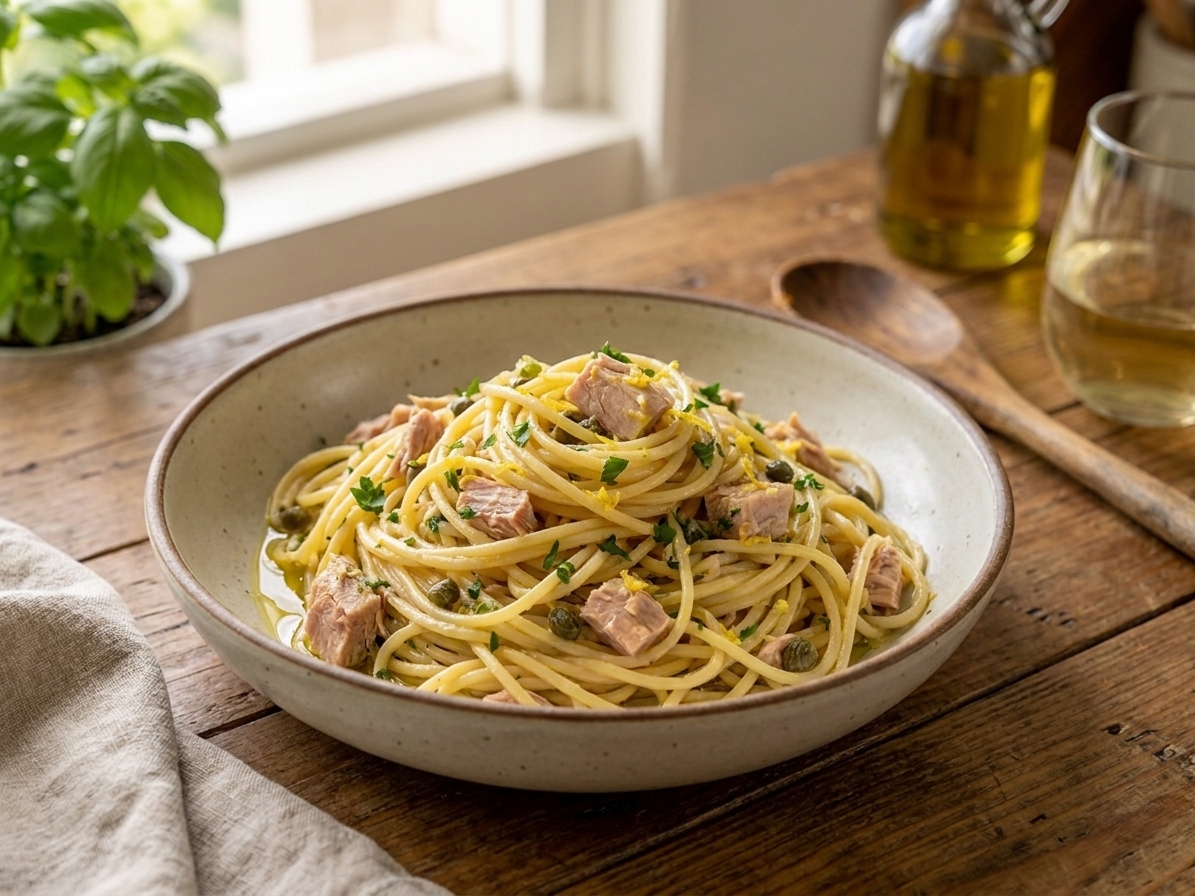
Recipe 2: Lemon tuna pasta
This is my “I have nothing” dinner that still feels bright and intentional. Tuna brings the protein, lemon brings the pop, and capers bring that salty little sparkle.
Ingredients (serves 4)
- 1 pound spaghetti or linguine
- 3 tablespoons olive oil
- 2 cloves garlic, minced
- 2 cans tuna (in olive oil or water), drained
- 2 tablespoons capers, plus 1 tablespoon caper brine
- Zest and juice of 1 lemon
- Salt and black pepper
- Optional: parsley, crushed red pepper, grated Parmesan
Steps
- Cook pasta. Reserve 1 cup pasta water, then drain.
- Warm olive oil in a skillet over medium heat. Add garlic and cook 30 seconds.
- Add tuna and capers. Break tuna into chunks and warm through.
- Off heat, add lemon zest, lemon juice, and caper brine.
- Toss with pasta, adding pasta water until glossy and lightly saucy. Season with pepper and a little salt if needed.
Budget swaps
- No capers: finely chopped dill pickles or a splash of pickle brine gives a similar salty tang.
- No lemon: use 1 to 2 tablespoons vinegar (white, red wine, or apple cider) and a little extra olive oil.
- No tuna: canned salmon or sardines work. Or use a can of white beans for a vegetarian version.
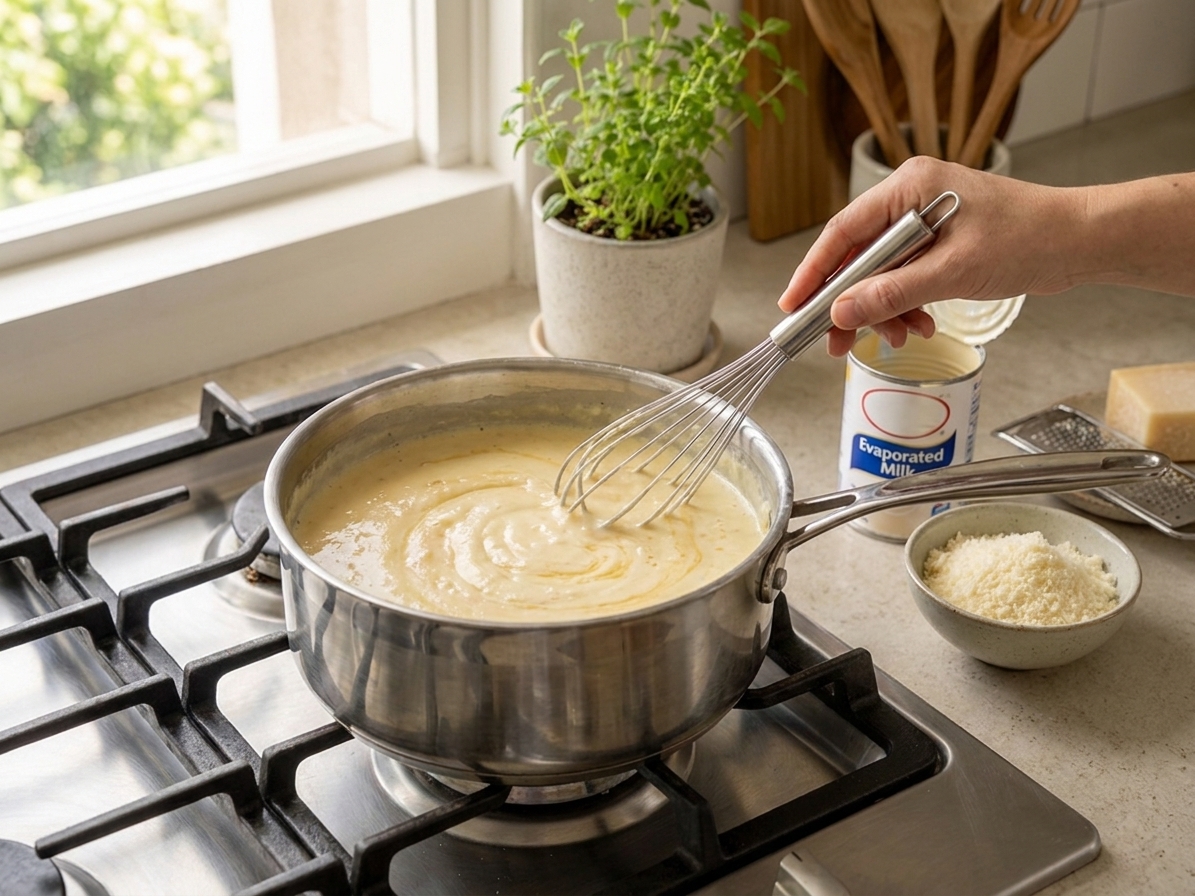
Recipe 3: Creamy pantry alfredo
This is not classic alfredo, and that is exactly why it is weeknight friendly. Evaporated milk plus pasta water makes a creamy sauce without heavy cream.
Ingredients (serves 4)
- 1 pound short pasta (fusilli, shells, penne)
- 2 tablespoons butter or olive oil
- 2 tablespoons flour (optional, for extra thickness)
- 1 can (12 ounces) evaporated milk
- 3/4 cup grated Parmesan or any melty grated cheese
- 1/2 teaspoon garlic powder or 2 cloves garlic, minced
- Salt and black pepper
- Optional add-ins: frozen peas, canned mushrooms, leftover chicken, frozen spinach
Steps
- Cook pasta. Reserve 1 cup pasta water, then drain.
- In a pot or deep skillet, melt butter over medium heat. If using minced garlic, sauté it here for 30 seconds until fragrant. If using flour, whisk it in and cook 1 minute.
- Slowly whisk in evaporated milk. Simmer 2 to 3 minutes until slightly thickened.
- Reduce heat to low and stir in cheese. If you are using garlic powder, stir it in now. Season with pepper and a small pinch of salt.
- Toss in pasta, loosening with pasta water as needed. Fold in any add-ins and warm through.
Budget swaps
- No evaporated milk: use regular milk, but simmer a bit longer and add extra cheese.
- No Parmesan: use whatever cheese you have, just expect a different vibe. Mozzarella will be milder, so add extra black pepper, a pinch of paprika, or a tiny spoonful of mustard for a little savory lift.
- No butter: olive oil works fine.
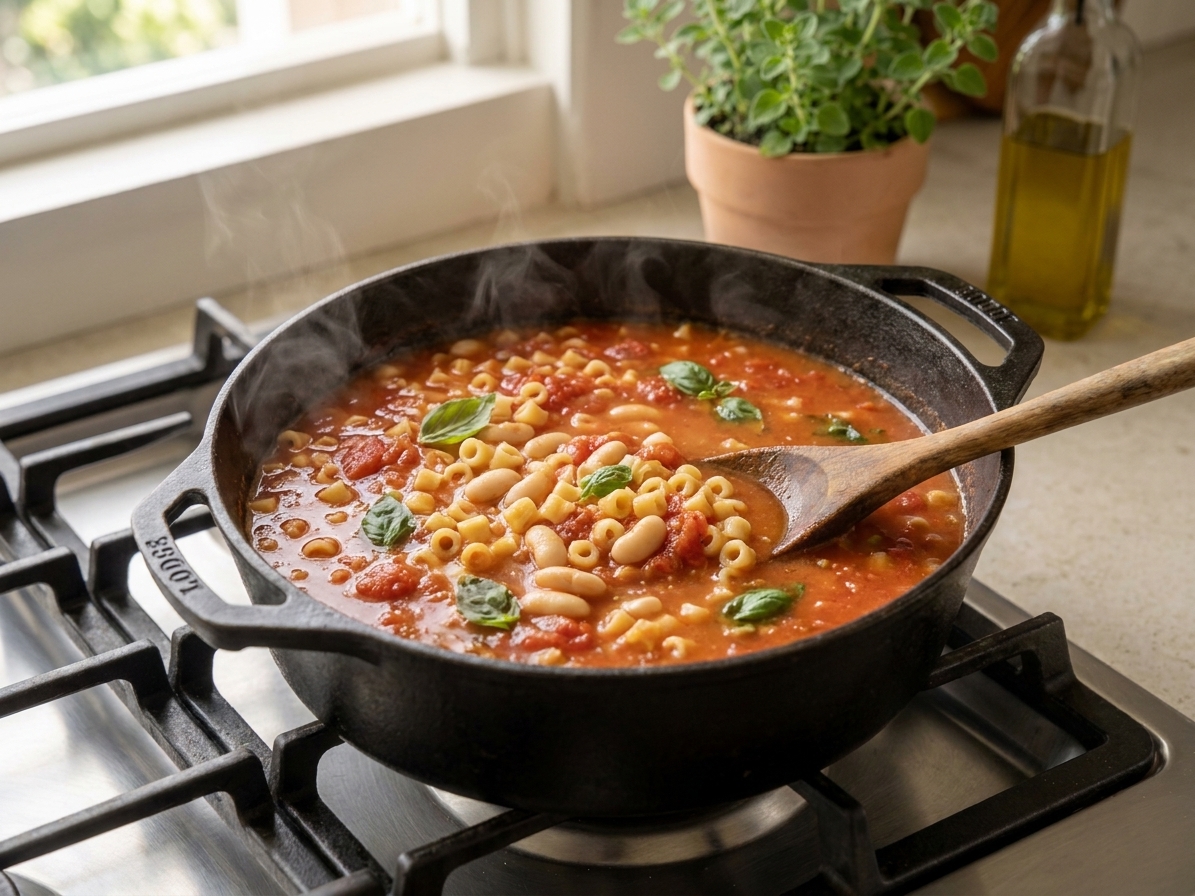
Recipe 4: Pasta and beans
This lands somewhere between pasta, soup, and stew, which is a sweet spot for stretching ingredients. It is cozy, filling, and very forgiving with whatever beans you have.
Ingredients (serves 4 to 6)
- 2 tablespoons olive oil
- 1 small onion, chopped (optional but great)
- 3 cloves garlic, minced
- 1 teaspoon Italian seasoning or oregano
- 1 can (14 to 28 ounces) diced or crushed tomatoes
- 4 cups broth, or 4 cups water plus 1 bouillon cube
- 2 cans beans (cannellini, kidney, chickpeas), drained and rinsed
- 8 ounces small pasta (ditalini, elbows, small shells)
- Salt and pepper
- Optional: a handful of frozen spinach or kale, Parmesan rind if you have one
Steps
- Heat olive oil in a pot. Cook onion (if using) with a pinch of salt until soft, 5 minutes. Add garlic and seasoning, cook 30 seconds.
- Add tomatoes and broth (or water plus bouillon). Simmer 10 minutes.
- Add beans and simmer 5 minutes.
- Add pasta and cook until al dente. If it gets too thick, add more water.
- Season to taste and serve with pepper and a drizzle of olive oil. Note: it thickens as it sits, so leftovers usually need a splash of broth or water to loosen.
Budget swaps
- No broth: water plus bouillon, or just water and extra seasoning.
- No onion: add 1/2 teaspoon onion powder.
- Want it creamier: mash 1/2 cup of beans and stir back in.
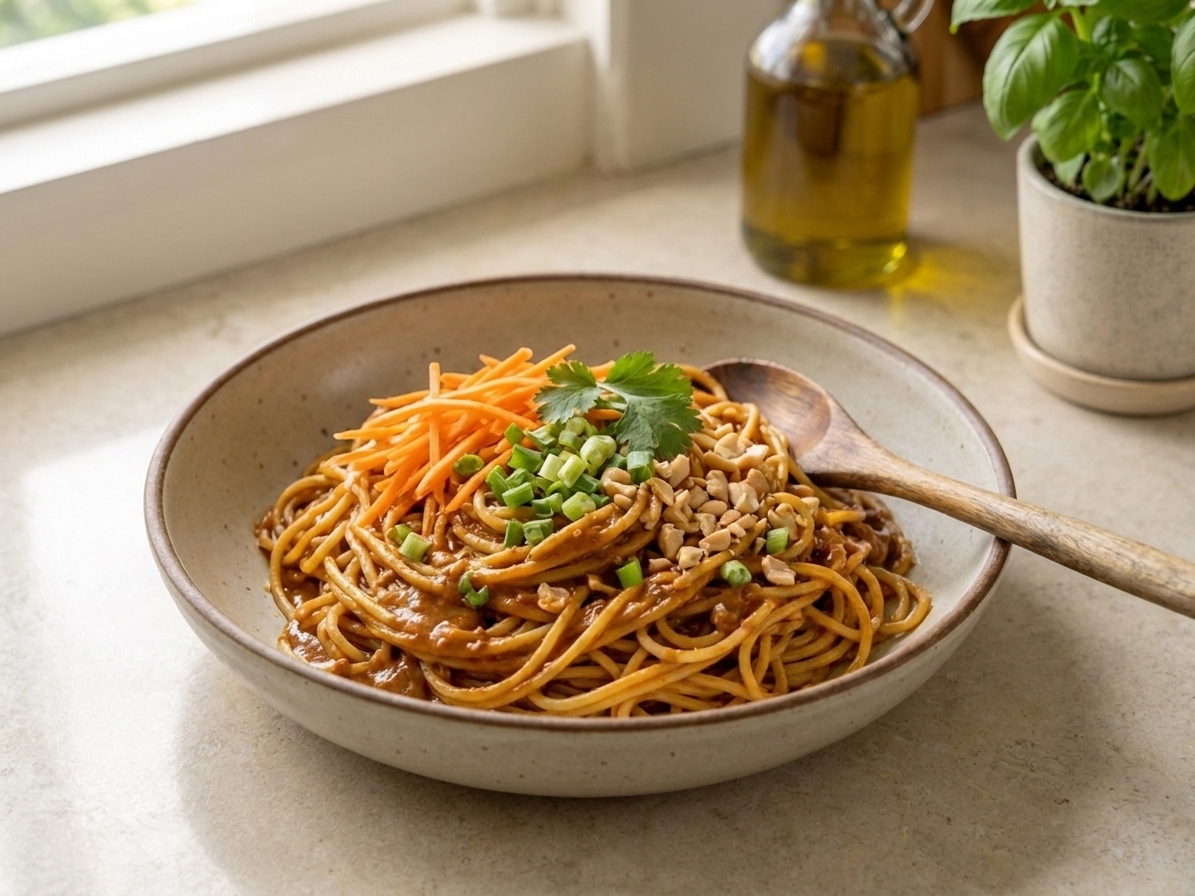
Recipe 5: Spicy peanut noodles
Yes, you can use spaghetti for this. The sauce is a simple stir-and-pour situation, and it is fantastic with whatever crunchy leftover vegetables you can shred.
Ingredients (serves 4)
- 1 pound spaghetti or linguine
- 1/2 cup peanut butter
- 2 tablespoons soy sauce
- 1 to 2 tablespoons sugar or honey
- 1 tablespoon vinegar (rice vinegar is ideal, any works)
- 1 teaspoon sesame oil (optional)
- 1 to 2 teaspoons sriracha or chili garlic sauce
- 1/2 cup hot water, plus pasta water as needed
- Optional: shredded carrots, cucumber, frozen edamame, cabbage, chopped peanuts
Steps
- Cook pasta. Reserve 1 cup pasta water, then drain.
- In a bowl, whisk peanut butter, soy sauce, sugar, vinegar, sesame oil, and chili sauce with hot water until smooth.
- Toss noodles with sauce, adding pasta water a splash at a time until silky.
- Add vegetables or add-ins and toss again.
Budget swaps
- No peanut butter: use tahini or sunflower seed butter.
- No soy sauce: use tamari, coconut aminos, or a pinch of salt plus a little extra vinegar.
- No sriracha: use red pepper flakes or a spoonful of hot sauce.
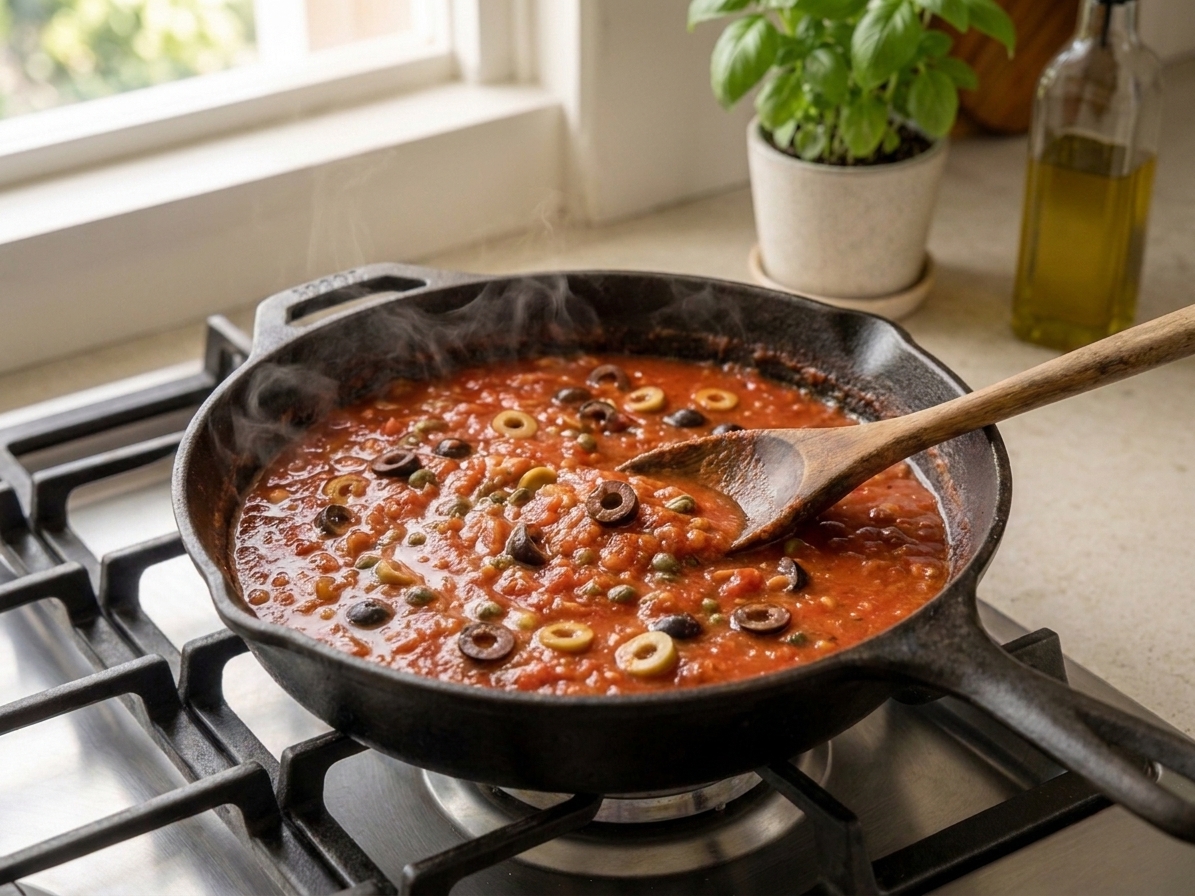
Recipe 6: Pantry puttanesca
Puttanesca is the ultimate “strong opinions, tiny ingredients” sauce. Olives and capers do the heavy lifting, and you can keep it completely pantry-based.
Ingredients (serves 4)
- 1 pound spaghetti
- 2 tablespoons olive oil
- 3 cloves garlic, sliced
- 1/2 teaspoon red pepper flakes
- 1 can (28 ounces) crushed tomatoes
- 1/2 cup sliced olives
- 2 tablespoons capers
- Salt and pepper
- Optional: anchovies (2 to 4, mashed into the oil), parsley
Steps
- Cook pasta. Reserve 1 cup pasta water, then drain.
- Warm olive oil in a skillet. Add garlic and red pepper flakes, cook 30 seconds.
- Add tomatoes, olives, and capers. Simmer 10 minutes.
- Toss with pasta and pasta water until glossy.
Budget swaps
- No capers: chopped pickles or a splash of vinegar.
- No olives: use sun-dried tomatoes (jarred) or even a handful of chopped roasted red peppers.
- Want it heartier: add a can of chickpeas.
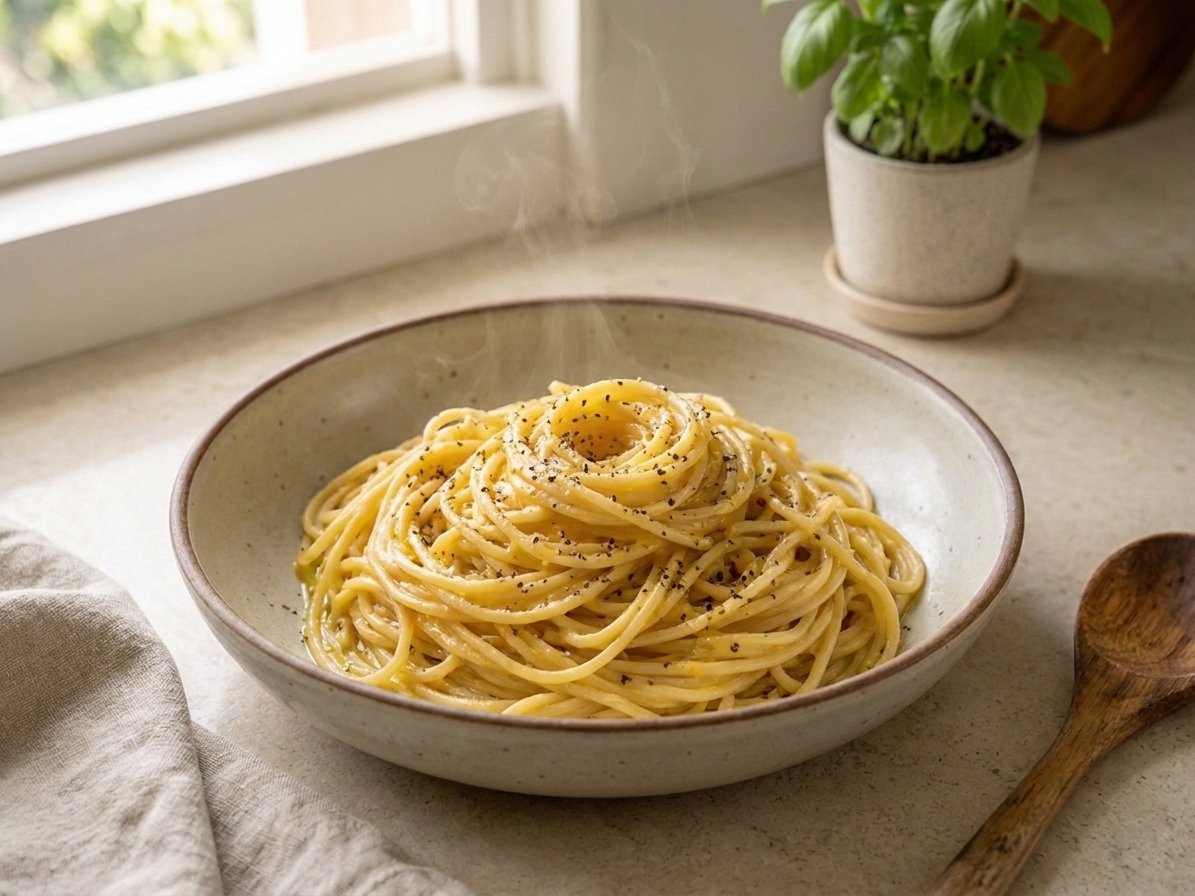
Recipe 7: Egg and cheese pasta
This is carbonara’s low-stress cousin. If you have eggs and a little cheese, you can make a rich, glossy sauce without cream. The key is gentle heat and a splash of pasta water.
Ingredients (serves 4)
- 1 pound spaghetti
- 3 large eggs
- 1 cup grated Parmesan or Pecorino, divided
- Lots of black pepper
- 2 tablespoons olive oil or butter
- Optional: diced bacon, pancetta, or a handful of frozen peas
Steps
- Cook pasta in well-salted water. Reserve 1 1/2 cups pasta water, then drain. This one likes extra because the sauce is built from eggs, cheese, and pasta water.
- In a bowl, whisk eggs with about 3/4 cup cheese and a very generous amount of pepper.
- If using bacon, cook it in a large skillet until crisp. If not, warm olive oil or butter in the skillet for 30 seconds.
- Remove skillet from heat. Add drained pasta and toss.
- Pour in egg mixture while tossing constantly. Add reserved pasta water a splash at a time until the sauce turns creamy and coats the noodles. The residual heat does the cooking.
- If you want a little extra reassurance, set the pan over very low heat for 30 to 60 seconds while stirring constantly, just until the sauce thickens slightly. Do not stop stirring.
- Finish with remaining cheese and more pepper.
Budget swaps
- No Parmesan: use any grated hard cheese, or even a small amount of shredded cheese plus extra pepper.
- No meat: add peas or sautéed onions for sweetness.
- Nervous about scrambling: take the pan fully off the heat, keep tossing, and use pasta water to control temperature.
Stretch a box of pasta
- Go heavier on add-ins: One can of beans or a cup of frozen peas makes a big difference.
- Serve with a simple side: A chopped salad, roasted carrots, or even a piece of toast turns pasta into a complete meal.
- Use smaller shapes for soupier pasta: A half pound of small pasta in a brothy base feeds more people than a half pound of long noodles with a thick sauce.
- Plan for leftovers: Many of these reheat well with a splash of water. Brothy recipes may need extra broth. Creamy sauces often need gentle heat.
Pantry pasta FAQ
What if I do not have Parmesan?
Use any cheese you like, then add flavor another way: more black pepper, a squeeze of lemon, a spoonful of mustard, or a pinch of smoked paprika. You are building the same savory lift, just from a different place.
How do I keep pasta from drying out in the fridge?
Store it with a little extra sauce if you can. When reheating, add 1 to 3 tablespoons water and warm gently, stirring often.
Can I use whole wheat or gluten-free pasta in these recipes?
Absolutely. Whole wheat loves stronger sauces like puttanesca and chickpea tomato. Gluten-free pasta benefits from extra pasta water and a little extra sauce since it can soak up liquid quickly.
How do I scale this down for 1 to 2 people?
Make half a pound of pasta and halve the sauce. The only exception is the brothy beans-and-pasta recipe, where you can keep the full pot and treat it like lunch all week. If you do make a full pound, toss leftovers with a spoonful of water before reheating so it comes back to life.