
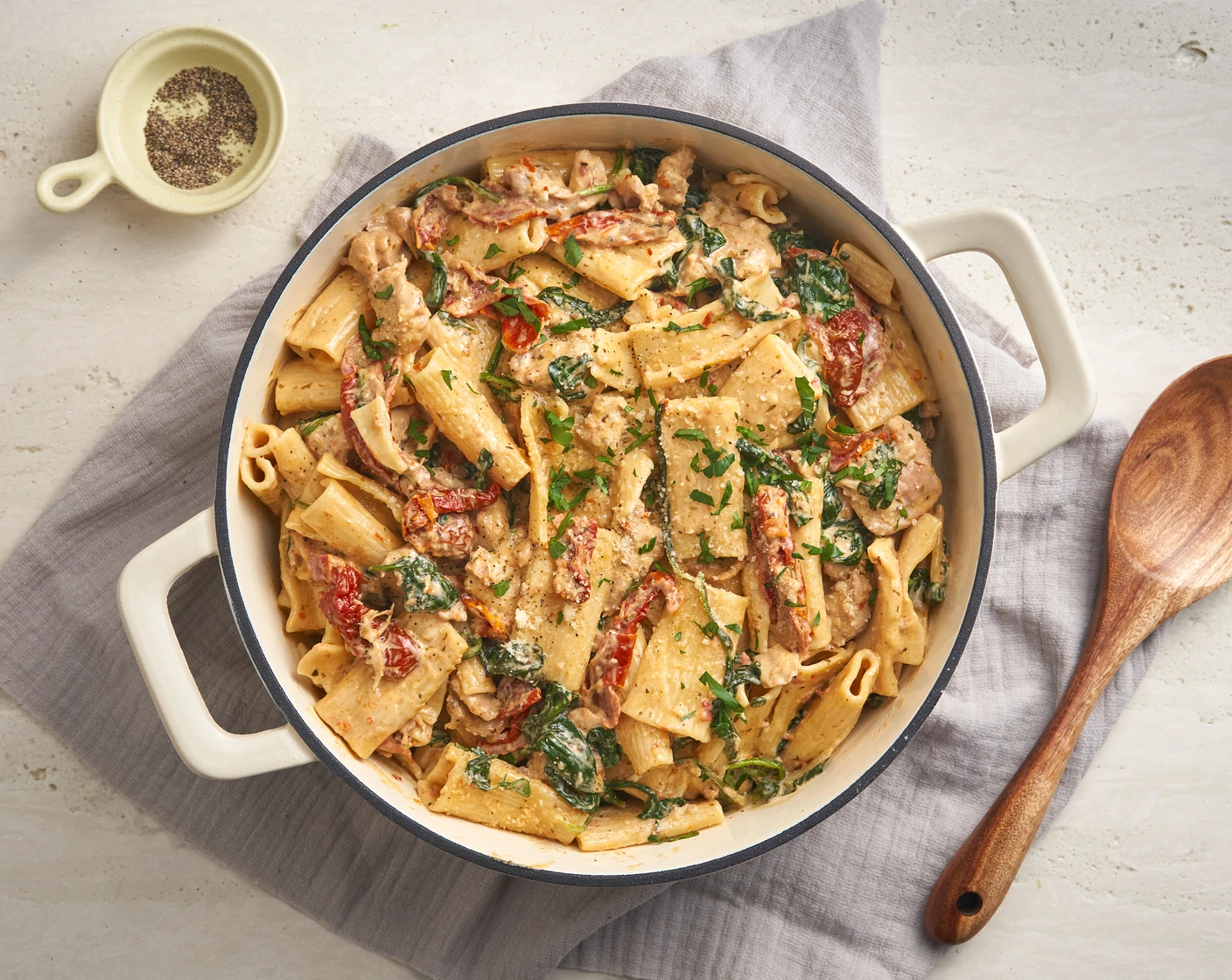
There is a reason Tuscan chicken pasta has a permanent spot in the “everyone loves it” rotation. You get juicy chicken, a silky cream sauce, pops of sweet-tangy sun-dried tomatoes, and a handful of greens that wilt right in. It feels a little fancy, but it is really just a smart sequence of simple steps.

I am going to walk you through the why behind each move so you can make it confidently, then tweak it based on what is in your fridge. This is the kind of recipe that forgives you for being a human with a busy Tuesday.
What makes it Tuscan style
Tuscan chicken pasta, as it shows up on American weeknight tables, is less “strict regional Italian recipe” and more “Tuscan-inspired flavor combo.” The hallmarks are:
- Garlic-forward cream sauce that clings to noodles
- Sun-dried tomatoes for sweetness and tang (plus that deep tomato flavor)
- Spinach or another quick-cooking green
- Parmesan for salty, nutty richness
- Chicken, usually pan-seared for browned flavor
Think cozy trattoria vibes, translated into one pan and one pot.
Ingredients you need
Here is the core lineup, plus what each ingredient is doing for you.
For the chicken
- Boneless skinless chicken breasts or thighs: Thighs are more forgiving and stay juicy. Breasts are great if you keep pieces an even thickness and do not overcook.
- Salt and black pepper: Season early so the chicken tastes seasoned throughout.
- Italian seasoning (or dried oregano + basil): Builds that “Tuscan” flavor fast.
- Flour (optional): A light dusting helps browning and gives the sauce a tiny head start on thickening.
- Olive oil: For searing.
For the pasta and sauce
- Pasta: Penne, rigatoni, fettuccine, or linguine all work. Use what you have.
- Butter: Rounds out the sauce and helps carry garlic flavor.
- Garlic: Use fresh if you can. It is the backbone here.
- Sun-dried tomatoes: Oil-packed gives the best texture and flavor. Pat them a bit if they are very oily. (Optional: use a spoonful of the tomato oil in the pan and reduce the olive oil slightly for extra flavor.)
- Chicken broth: Adds savory depth without making the sauce too heavy.
- Heavy cream: The easiest way to get a stable, creamy sauce that is less likely to split, especially if you keep it at a gentle simmer.
- Parmesan: Grate your own if possible so it melts smoothly.
- Baby spinach: Wilts in minutes.
- Red pepper flakes (optional): Tiny heat wakes up the cream sauce.
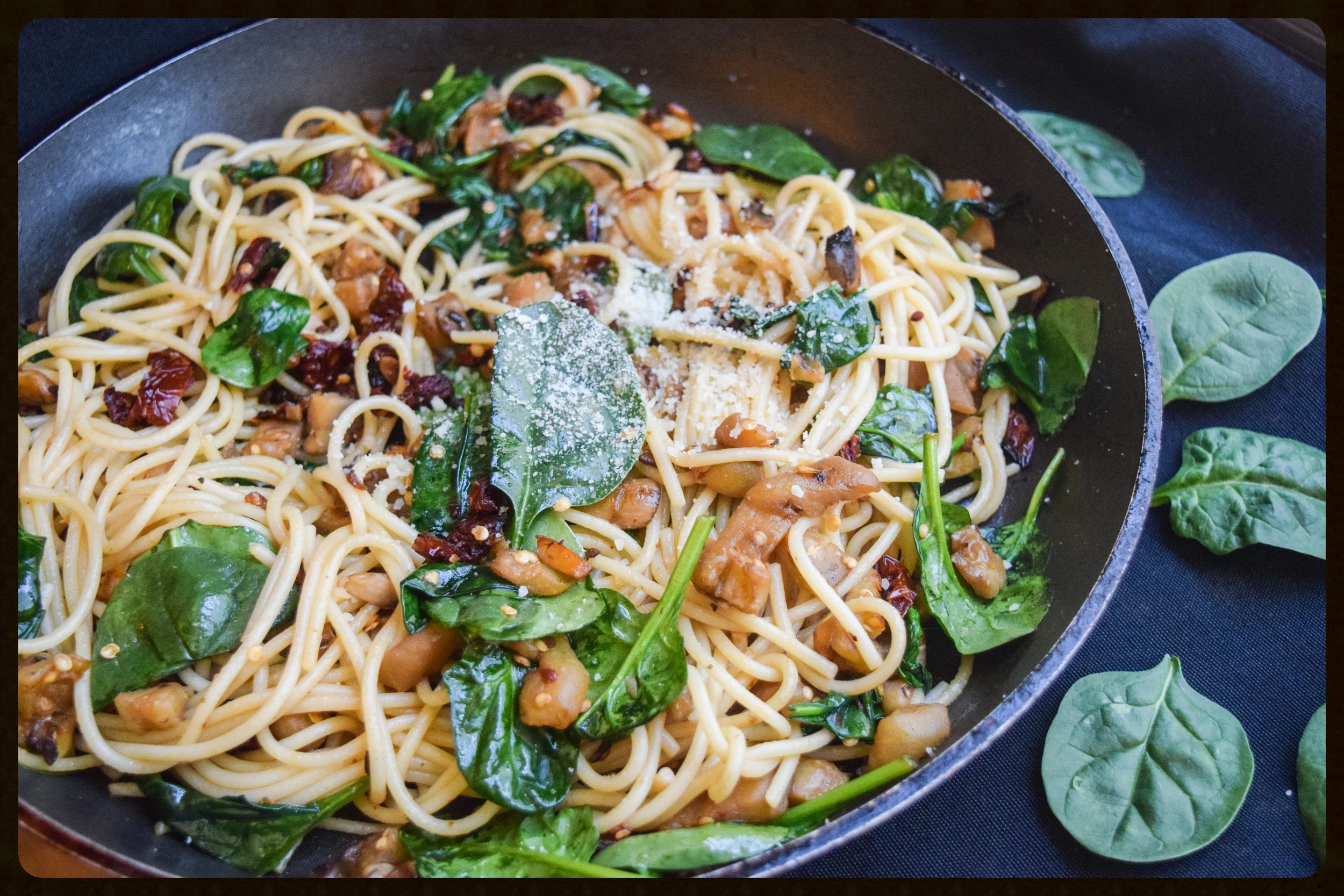
Step-by-step
This is the method I use when I want maximum flavor with minimal fuss.
1) Cook the pasta and save pasta water
Boil pasta in well-salted water until just shy of al dente. If you want a simple benchmark, use 1 to 2 tablespoons kosher salt for a large pot (about 4 to 6 quarts). Before draining, scoop out 1 cup pasta water. That starchy water is your sauce insurance policy if things get too thick.
2) Sear the chicken
Use a large skillet (a 12-inch is ideal) so the chicken browns instead of steaming. Pat chicken dry, season generously with salt, pepper, and Italian seasoning. Sear the chicken in olive oil over medium-high heat until browned and cooked through, then transfer to a plate to rest.
Cook to temperature: Chicken breasts are done at 165°F / 74°C. Thighs are safe at 165°F too, but are often best around 175°F / 79°C for a more tender bite.
Why this matters: Browning creates flavor that becomes part of the sauce. Also, pulling the chicken out prevents it from overcooking while you build the sauce.
3) Build the sauce in the same pan
Lower heat to medium. Add butter, then garlic and red pepper flakes. Cook 30 seconds to 1 minute until fragrant. Stir in sun-dried tomatoes.
4) Simmer with broth and cream
Add chicken broth, scraping up browned bits. Pour in cream and simmer gently until slightly thickened, 3 to 5 minutes.
Gentle simmer tip: You want small bubbles, not a rolling boil. Cream sauces stay smoother when they are not aggressively boiled.
5) Melt in Parmesan, then wilt spinach
Turn heat to low and stir in Parmesan until smooth. Add spinach in handfuls and stir until wilted.
If the sauce looks grainy: Take the pan off the heat for a minute and stir vigorously (a silicone spatula helps) until it smooths out. Graininess usually comes from too-high heat after adding cheese.
6) Toss everything together
Slice the rested chicken, then add drained pasta and chicken back to the pan. Toss until glossy. If the sauce is too thick, splash in pasta water a little at a time until it coats the noodles the way you like.
My favorite consistency cue: the sauce should cling to the pasta and leave a creamy trail when you drag a spoon through the pan.
The recipe
Tuscan Chicken Pasta
Serves: 4 to 6
Time: about 35 minutes
Ingredients
- 12 oz pasta (penne, rigatoni, fettuccine, or linguine)
- 1 to 1 1/4 lb boneless skinless chicken breasts or thighs
- 1 tsp kosher salt, plus more for pasta water
- 1/2 tsp black pepper
- 1 1/2 tsp Italian seasoning
- 2 tbsp all-purpose flour (optional)
- 2 tbsp olive oil
- 2 tbsp butter
- 4 to 5 cloves garlic, minced
- 1/4 tsp red pepper flakes (optional)
- 1/2 cup sun-dried tomatoes, sliced (oil-packed preferred)
- 3/4 cup chicken broth
- 1 cup heavy cream
- 3/4 cup freshly grated Parmesan, plus more for serving
- 3 to 4 cups baby spinach
Instructions
- Bring a large pot of water to a boil. Salt it generously (about 1 to 2 tablespoons kosher salt for a large pot). Cook pasta until 1 minute shy of al dente. Reserve 1 cup pasta water, then drain.
- While pasta cooks, pat chicken dry. Season with salt, pepper, and Italian seasoning. Dust lightly with flour if using.
- Heat olive oil in a large skillet (12-inch is ideal) over medium-high heat. Sear chicken until browned and cooked through, then transfer to a plate to rest. (Breasts: 165°F / 74°C. Thighs are great around 175°F / 79°C for best texture.) Slice.
- Reduce heat to medium. Add butter to the same skillet. Stir in garlic and red pepper flakes and cook until fragrant, about 30 to 60 seconds.
- Add sun-dried tomatoes, then pour in chicken broth. Scrape up any browned bits.
- Stir in heavy cream and simmer gently for 3 to 5 minutes, until slightly thickened.
- Turn heat to low. Add Parmesan and stir until melted and smooth.
- Add spinach and stir until wilted.
- Add pasta and sliced chicken. Toss to coat. Use reserved pasta water a splash at a time to loosen the sauce as needed. Taste and adjust salt and pepper.
Notes
- Thicker sauce: Simmer 1 to 2 minutes longer before adding spinach.
- More sauce: Add an extra 1/4 cup cream and 1/4 cup broth.
- Extra bright: Finish with a squeeze of lemon right before serving.
Easy swaps
This recipe is flexible, which is exactly what we want on a weeknight.
Pasta swaps
- Gluten-free pasta: Works great. Keep extra pasta water around because GF pasta can soak up sauce quickly.
- Short pasta: Best for scooping up chicken and tomatoes in each bite.
Cream swaps
- Half-and-half: Works, but keep the heat gentle. You may need 1 to 2 teaspoons flour (or a cornstarch slurry) to help it thicken.
- Cream cheese: Not traditional, but 2 to 3 tablespoons can add body if you are short on cream.
Protein swaps
- Shrimp: Cook quickly in the same pan, then remove and add back at the end like the chicken.
- Rotisserie chicken: Skip the sear. Warm it in the sauce at the end. Add a little extra Italian seasoning to make up for lost browning flavor.
Veggie add-ins
- Mushrooms: Brown them after the chicken, before garlic.
- Cherry tomatoes: Toss in with sun-dried tomatoes for a fresh burst.
- Kale: Slice thinly and simmer 2 to 3 minutes longer than spinach.
Common hiccups
My sauce is too thick
Add reserved pasta water a tablespoon or two at a time while tossing. If you forgot to save it, use warm chicken broth.
My sauce is too thin
Let it simmer gently for 2 to 4 minutes before adding the pasta. Remember it thickens as it cools, and Parmesan helps tighten it up.
The chicken is dry
Two fixes: use thighs next time, or pound breasts to an even thickness so they cook quickly. Also, pull chicken off the heat as soon as it hits temp, then let it rest before slicing.
The Parmesan clumped
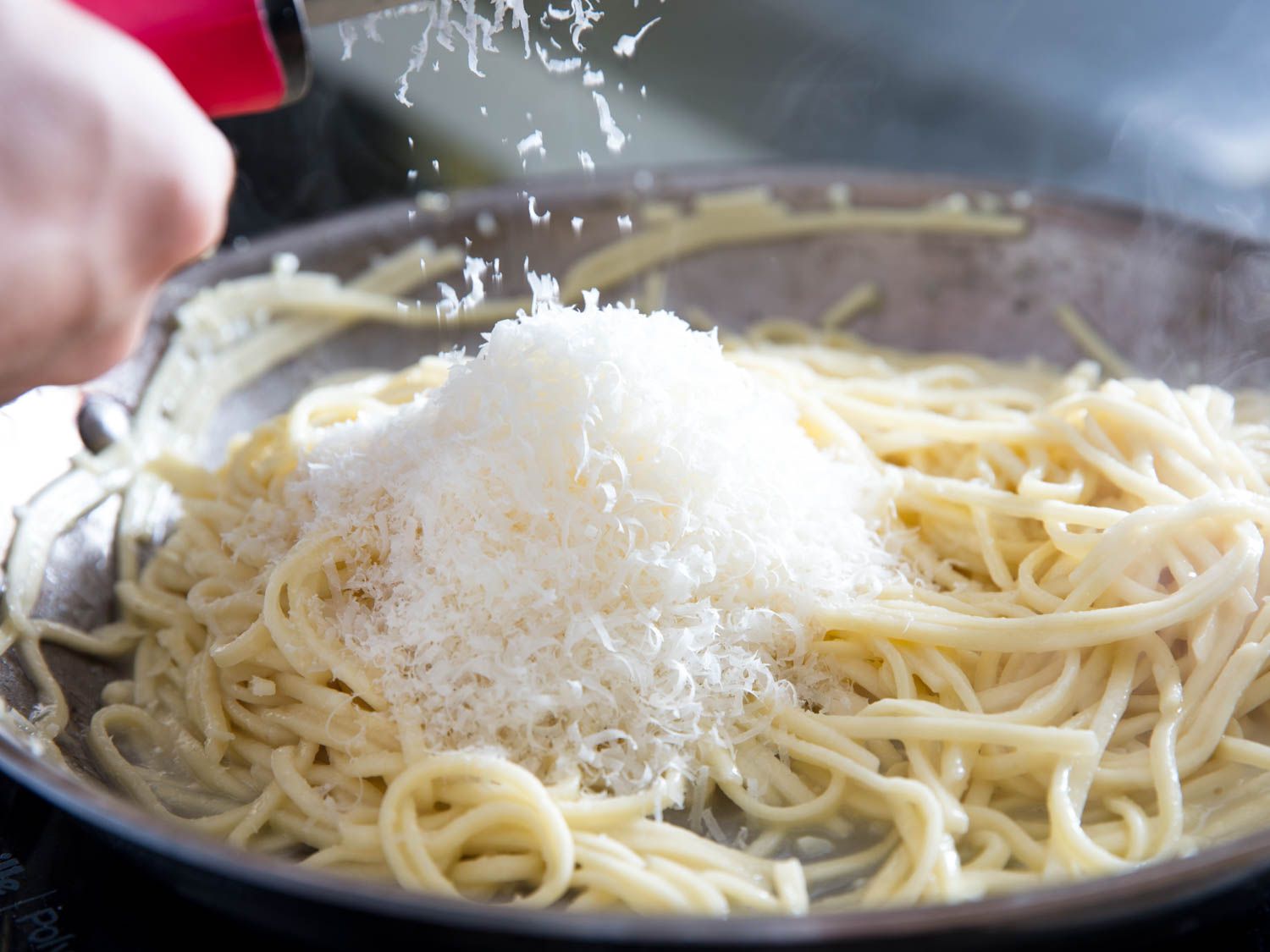
Lower the heat and add cheese gradually. Pre-grated cheese (the shelf-stable kind) often contains anti-caking agents that do not melt as smoothly. Freshly grated is your friend here.
Make-ahead and storage
Make-ahead
- Prep now: Slice sun-dried tomatoes, mince garlic, and portion Parmesan. You can also cook and slice chicken up to 1 day ahead.
- Cook later: Make the sauce fresh if possible for the creamiest texture.
Storage
Store leftovers in an airtight container for up to 3 days for best quality.
Reheating
Reheat gently on the stove over low heat with a splash of broth, water, or milk to loosen. Cream sauces tend to tighten as they cool, so do not be shy with that splash. Microwaving works too, just do it in 30-second bursts and stir well. Overheating can cause the sauce to separate.
What to serve with it
- Simple salad with lemony vinaigrette to cut the richness
- Garlic bread or warm crusty bread for sauce-scooping
- Roasted broccoli or broccolini for a crisp, slightly bitter balance
- Crunchy cucumber salad if you want something super fresh
FAQ
Can I make this without sun-dried tomatoes?
Yes. You will lose that signature tang, but you can swap in 1 cup halved cherry tomatoes and simmer them until they soften. Add a tiny splash of balsamic or a squeeze of lemon at the end to bring back some brightness.
Can I use milk instead of heavy cream?
You can, but it is less foolproof. Use whole milk if possible and keep the heat low. To help it thicken, whisk 2 teaspoons cornstarch with 2 tablespoons cold water and add it to the simmering sauce, then cook 1 to 2 minutes.
Is this spicy?
Not unless you add red pepper flakes. Even then, 1/4 teaspoon gives a gentle warmth, not a burn.
What is the best pasta shape?
For creamy sauces with chicken and tomatoes, I reach for penne or rigatoni because the sauce tucks into the ridges and the pieces feel hearty. If you want a more “restaurant bowl” vibe, fettuccine is lovely.