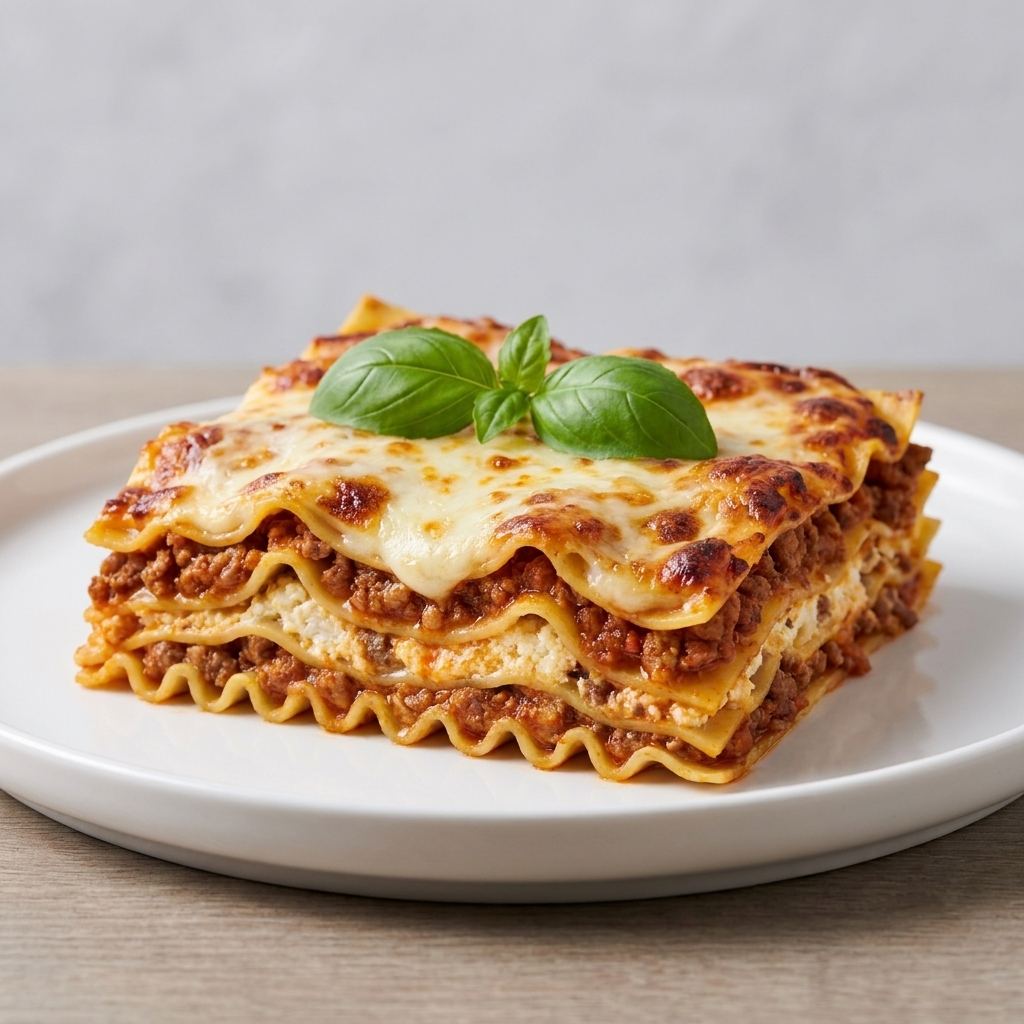
A detailed, friendly comparison of Italian-style lasagna and the American version, with two complete step-by-step recipes you can actually pull off at home.
recipes
7 Homemade Pasta Mistakes (And How to Fix Them)

Elena Martinez
Elena Martinez is a former bakery manager turned full-time food writer and recipe developer. With over a decade of experience translating professional culinary techniques into approachable home cooking, she believes that a great meal doesn't require a culinary degree or expensive ingredients.
Created September 21, 2026
Last updated September 21, 2026
Homemade pasta nights are supposed to feel a little magical. Flour on the counter, a pot of boiling water, sauce bubbling away. But if your noodles turn out gummy, your sauce slides right off, or the whole thing tastes oddly bland, it is not you. It is usually one (or a few) very fixable technique hiccups.
I managed a bakery for years, so I have a deep appreciation for dough that behaves. Pasta dough is similar. It rewards you when you pay attention to hydration, resting, and timing. Here are the seven mistakes I see most often with pasta main courses, plus exactly how to correct them.

1) Using the wrong flour (or expecting one flour to do everything)
What goes wrong: You get pasta that tears when you roll it, cooks up mushy, or feels heavy and dense. Flour choice determines tenderness versus chew.
Why it happens: Different flours absorb water differently and build gluten differently. “00” is mostly about how finely the flour is milled, which is why it often rolls out beautifully for egg pasta. All-purpose flour can make excellent pasta too, especially with a good rest. Semolina (durum) brings a hearty bite, which is great for shapes that need structure.
How to fix it
- For egg pasta (tagliatelle, fettuccine, ravioli): “00” flour is common, or use a 50:50 blend of “00” and all-purpose for easy rolling.
- For sturdy shapes (orecchiette, trofie): Semolina or semola rimacinata (finely milled semolina) is a great choice. Many traditional southern styles are simply semola and water (no eggs), which makes a bouncy, toothsome dough.
- No specialty flour? All-purpose is absolutely fine. You may need a touch less liquid and a bit more resting time.
- Quick baseline ratio (for egg dough): Start around 100 g flour per large egg, then adjust by feel (humidity and egg size vary).
Quick confidence tip: If your dough feels too soft and sticky, resist the urge to bury it in flour right away. Give it a 10 minutes rest first. Flour hydrates over time, and a rest often fixes stickiness without drying the dough.
2) Over-flouring the dough and work surface
What goes wrong: Your pasta turns dry, tough, or dusty. The sauce struggles to cling because the surface is coated in raw flour.
Why it happens: Flour feels like the solution to sticking, so it is easy to keep adding more. But extra flour changes the dough’s hydration and can leave a chalky taste if it is not fully cooked off.
How to fix it
- Use flour like seasoning: a light dusting, then brush off excess before cutting.
- Switch tools: Use a bench scraper to lift sticky dough instead of adding flour.
- For rolling: Dust the pasta sheet, not the counter. It is a small change that prevents over-flouring the dough itself.
3) Skipping the rest (or rushing it)
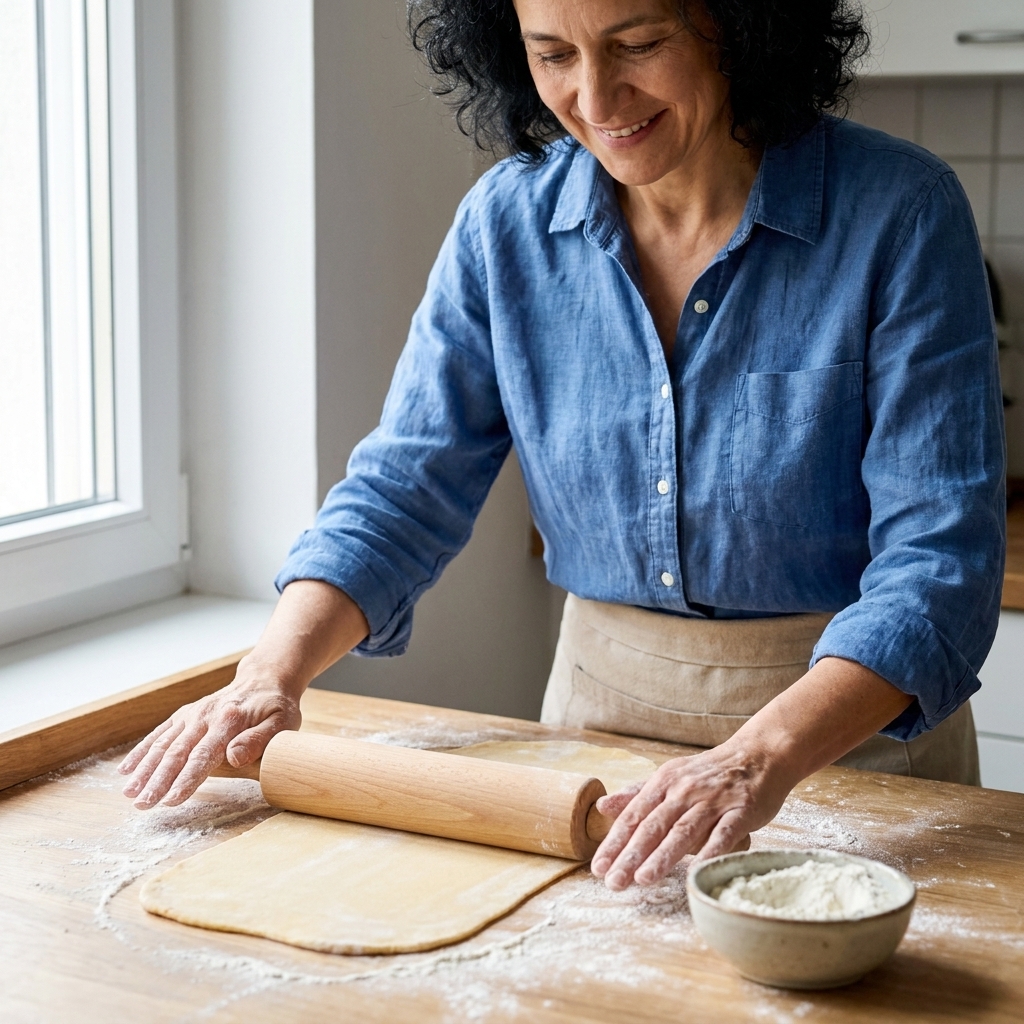
What goes wrong: Dough springs back when you roll it, tears at the edges, or looks ragged. You feel like you are wrestling the pasta instead of making it.
Why it happens: Resting allows the flour to fully hydrate and the gluten to relax. Without it, the dough is tight and stubborn.
How to fix it
- Rest time target: 30 minutes at room temperature, tightly wrapped. An hour is even better if your kitchen is cool.
- Short on time? Even 15 minutes helps. Use that time to prep your sauce, set the table, or grate cheese.
- Making ahead: Rest dough in the fridge up to 24 hours. Bring it back to cool room temp before rolling so it does not crack.
What it should feel like: After resting, the dough should roll smoothly and feel supple, like playdough that has warmed in your hands.
4) Rolling too thick (or uneven)
What goes wrong: Thick noodles cook unevenly. The outside goes soft while the center stays a little raw. Or you get a mix of thick and thin strands in the same pot, which is maddening because nothing finishes together.
Why it happens: Home cooks often stop rolling as soon as the sheet looks thin. But pasta swells when it cooks. Also, uneven pressure with a rolling pin (or rushing through pasta machine settings) creates inconsistent thickness.
How to fix it
- Use the “newspaper test”: For long noodles, you should almost be able to see the shadow of your hand through the sheet.
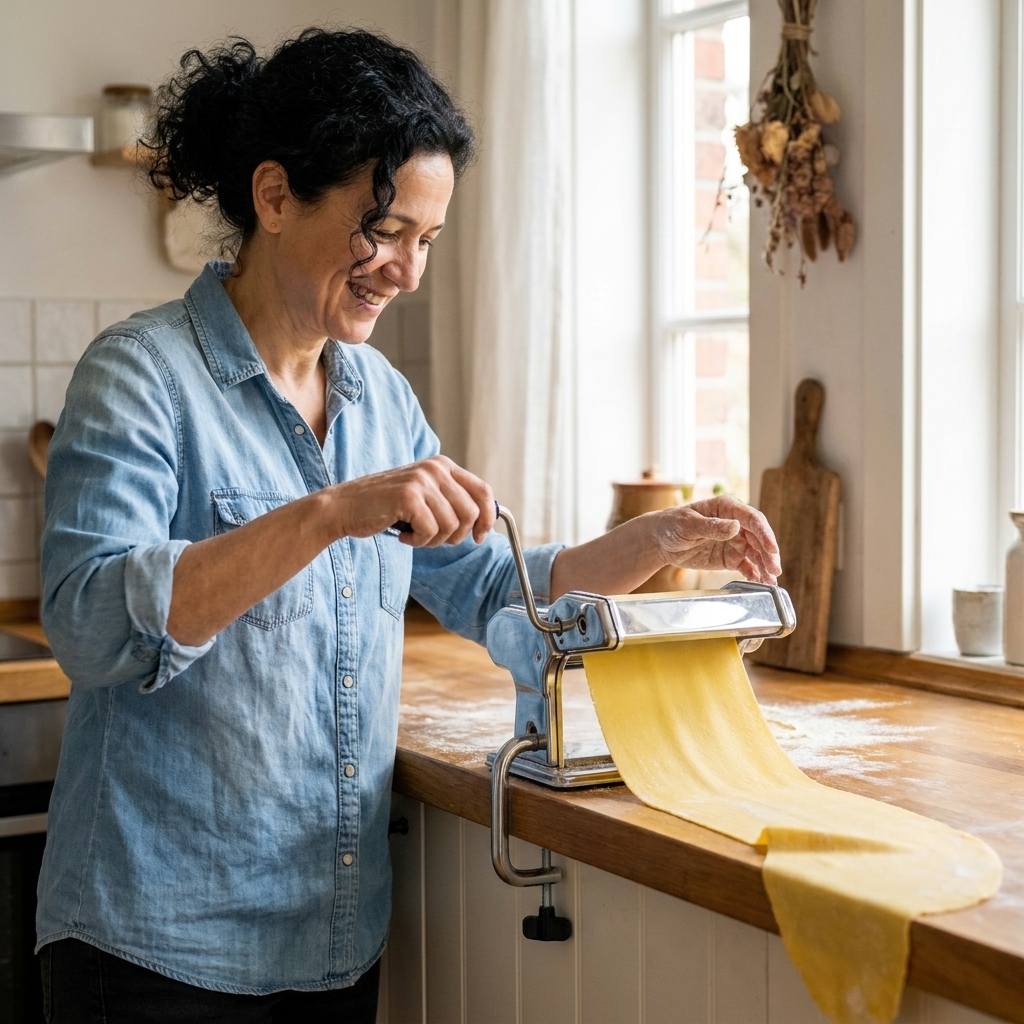
- If using a pasta machine: Run the dough through each setting at least once. If the sheet looks wavy or streaky, fold it like a letter and run it again at the widest setting before thinning.
- Match thickness to the sauce: Creamy sauces love thinner noodles. Chunky ragù can handle a slightly thicker cut.
5) Under-salting the pasta water
What goes wrong: The dish tastes flat even if your sauce is great. This is the number one “Why is it bland?” moment with pasta.
Why it happens: Pasta absorbs water as it cooks. If the water is under-seasoned, the pasta is under-seasoned from the inside out, and no amount of sauce fully fixes that.
How to fix it
- Salt rule that actually works: For a big pot (about 4 to 6 quarts / 4 to 6 liters), use about 1 to 2 tablespoons Diamond Crystal kosher salt (roughly 10 to 20 g) per pound of pasta. If you use a denser kosher salt or fine sea salt, start closer to the lower end by volume and adjust. The water should taste pleasantly salty, like a mild broth.
- Salt timing: Add salt once the water is boiling so it dissolves quickly.
- Oil is usually unnecessary: It is not the main anti-stick tool, and it can make sauce cling a little less. Use plenty of water, stir well in the first 30 seconds, and do not overcrowd the pot.
6) Cooking fresh pasta like dried
What goes wrong: Fresh pasta turns mushy fast. Or it falls apart, especially delicate shapes or filled pasta.
Why it happens: Fresh pasta has more moisture and cooks dramatically faster than boxed pasta. You cannot set a timer for 10 minutes and walk away.
How to fix it
- Know the window: Most fresh noodles cook in 1 to 3 minutes. Thicker shapes might take 4 to 5.
- Watch for the tell: Some fresh pasta will float as it nears done, but it is not a universal rule. Taste is the real test. Pull a strand and bite it.
- Have sauce ready first: The pasta should go straight from pot to sauce. Fresh pasta waits for no one.
Extra tip for filled pasta: Keep the water at a gentle boil, not a violent rolling boil, to prevent bursting.
7) Not finishing in sauce (and forgetting pasta water)
What goes wrong: Sauce sits on top like a jacket instead of becoming part of the dish. Or the sauce breaks, turns oily, or gets watery.
Why it happens: Pasta and sauce need a minute together so starch and fat can emulsify into something glossy and cohesive. The secret ingredient is starchy pasta water, which acts like a natural thickener and binder.
How to fix it
- Reserve pasta water every time: Scoop out 1 cup before draining. I do this even if I am sure I will not need it.
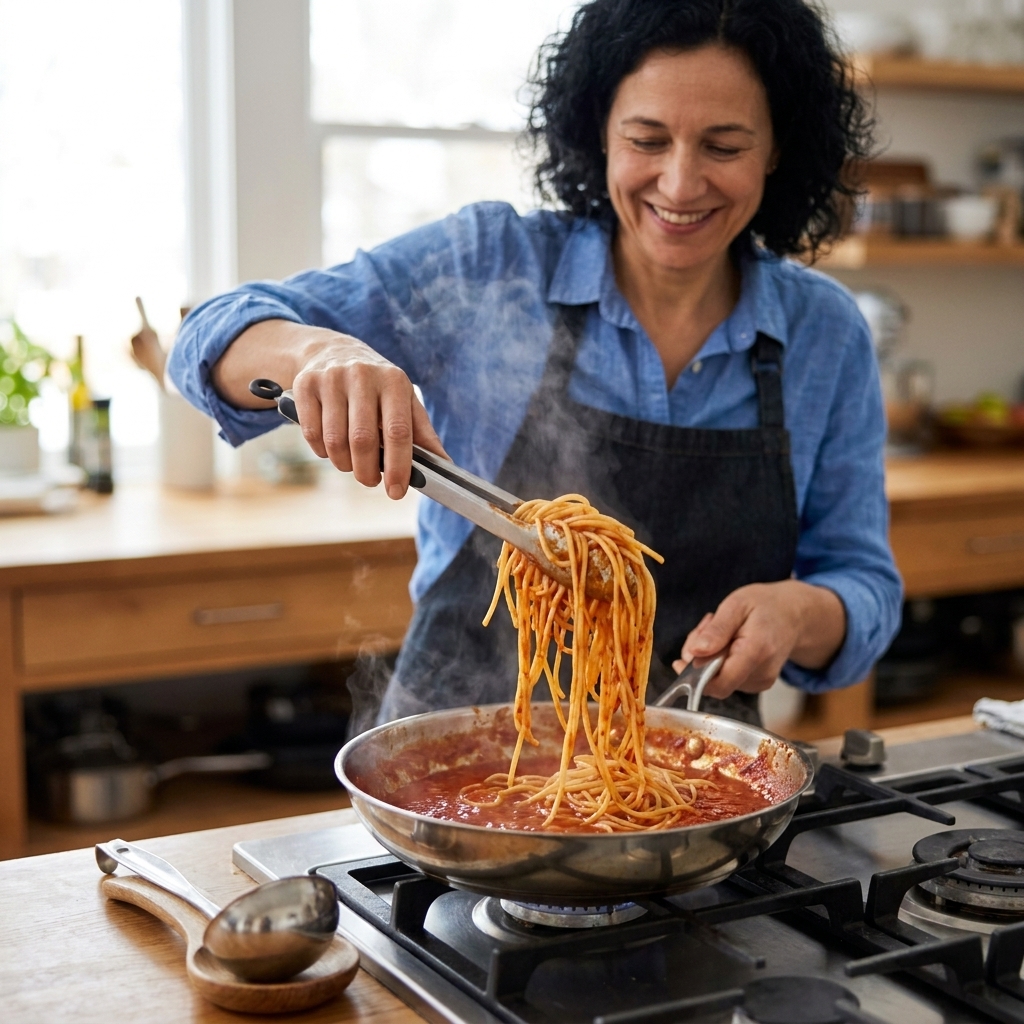
- Transfer pasta early: Move pasta into the sauce when it is just shy of done, then finish cooking it in the sauce for 30 to 90 seconds.
- Add water gradually: Start with a splash or two and toss. You are looking for a sauce that clings and looks silky, not soupy.
- Heat control matters: If adding butter, cheese, or cream, lower the heat so the sauce stays smooth instead of separating.
Quick troubleshooting guide
- Pasta is gummy: Dough was too wet, overworked, or cooked too long. Next time, rest the dough and cook fresh pasta for 1 to 3 minutes, tasting early.
- Pasta is tough: Too much flour, too thick, or too much kneading without rest. Roll thinner and rest longer.
- Sauce will not cling: Skipped the “finish in sauce” step or rinsed pasta. Toss pasta in sauce and add starchy pasta water.
- Dish tastes bland: Salt the water more confidently and season sauce at the end after tossing with pasta.
- Pasta tears when rolling: Dough is dry or not rested. Wrap and rest 20 minutes, then try again.
Bonus: keeping noodles from sticking
Cut pasta has one job while it waits: not turning into one giant noodle clump.
- Use a sheet pan: Arrange noodles in loose nests on a parchment-lined pan.
- Dust smart: A light sprinkle of semolina (or rice flour) helps more than a heavy snowfall of all-purpose flour.
- Brief air-dry is fine: Letting noodles sit 10 to 20 minutes while the water heats can actually make them easier to handle. If they are waiting longer, cover lightly with a clean towel so they do not turn brittle.
My weeknight-friendly pasta rhythm
If you want a simple routine that keeps homemade pasta from turning into a stress project, here is the order I follow:
Start the dough and let it rest.
Make the sauce while it rests.
Roll and cut while the water comes to a boil.
Cook pasta briefly, then transfer straight into the sauce.
Finish with pasta water, then cheese and herbs off the heat.
That is it. No perfection required. Just a few small moves that make the whole bowl taste like you know exactly what you are doing, even if your counter is covered in flour and your sourdough starter is judging you from the corner.