
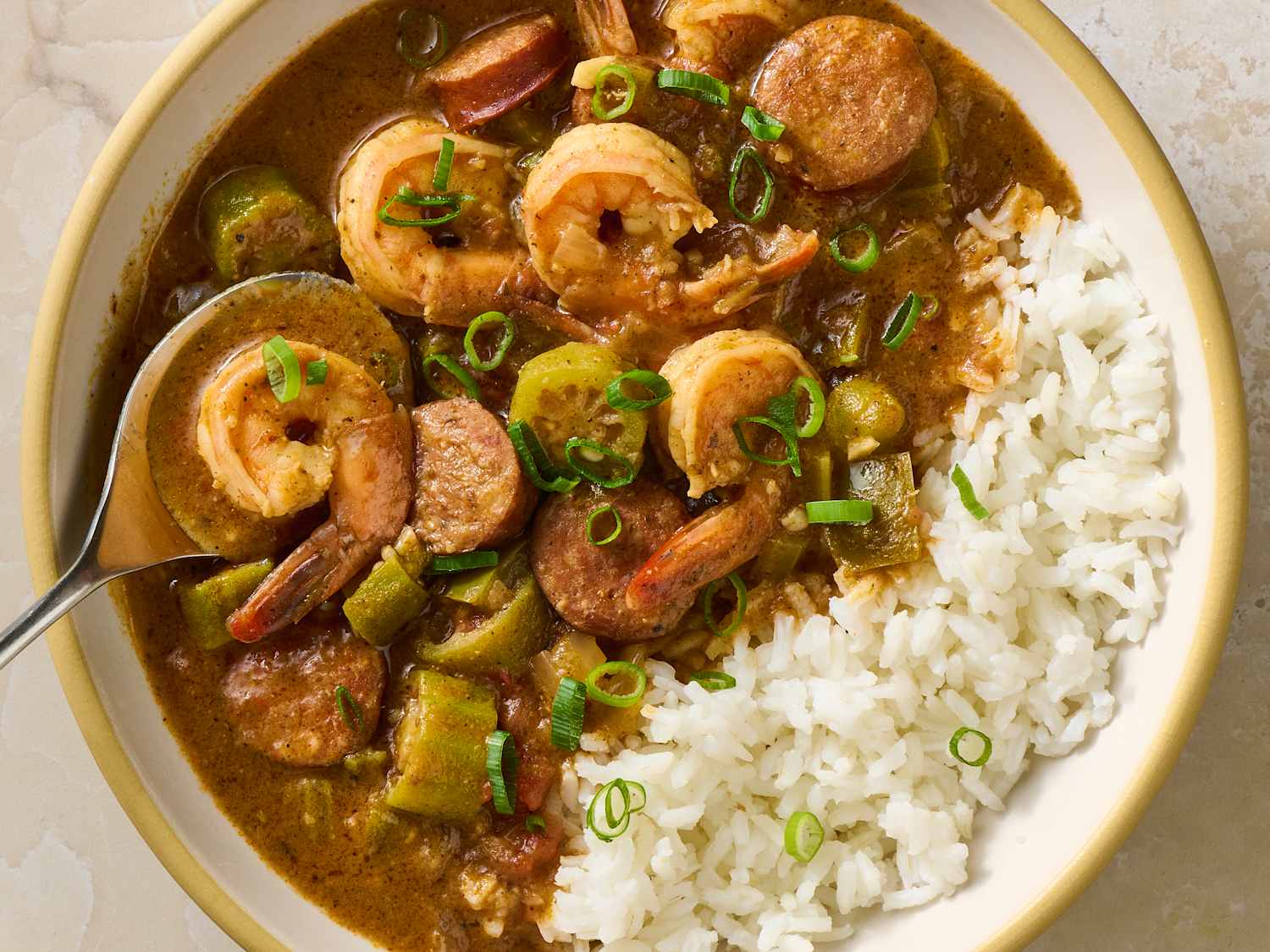
Gumbo is one of those dishes that looks like it should be reserved for restaurants and that one person in your life who can make a pot taste like pure comfort on command. The truth is, you can absolutely make a gorgeous shrimp gumbo at home, with a regular pot, a wooden spoon, and a little patience. The magic is not fancy equipment. It is the slow-building flavor of a dark roux, plus the steady rhythm of layering ingredients in the right order.
If you are new to gumbo, here is the most comforting part: once you understand the steps, gumbo is very forgiving. Too thick? Add stock. Too thin? Simmer longer. Too spicy? Balance it with extra rice and something bright on the side, like lemon, vinegar-based hot sauce, or a cool drink. We are going for a bowl that is deeply savory, gently smoky, and full of tender shrimp that taste like shrimp, not like they were simmered into rubber.

What makes shrimp gumbo special
Gumbo is a Louisiana classic, and it is often built on a few key pillars:
- A roux (flour cooked in fat until it turns nutty and brown) that thickens the gumbo and adds that signature roasted flavor.
- The holy trinity of Cajun and Creole cooking: onion, celery, and bell pepper.
- Time (usually a long simmer) that turns everyday ingredients into something that tastes like it has been cooking all day.
Shrimp gumbo is lighter than chicken-and-sausage gumbo, but still plenty rich because of the roux. I like to use shrimp shells to boost the seafood flavor, even if you are working with frozen shrimp. It is the simplest “chef trick” that tastes like a big upgrade.
Cajun vs Creole gumbo
People love to debate this, but here is the quick version that helps you cook dinner:
- Creole gumbo often includes tomatoes and leans a bit more “city cooking.”
- Cajun gumbo is commonly tomato-free and can be darker and smokier, especially if there is sausage or other smoked meat involved.
This shrimp gumbo recipe is tomato-free (more Cajun-leaning), but you can absolutely add a small can of diced tomatoes if that is what your family loves. Gumbo is a living dish. The goal is a pot you are proud to serve.
Ingredients and swaps
Here is what you will need for a classic, full-flavored shrimp gumbo. I am including substitutions because real life happens, and I want you to still get a great pot of gumbo.
For the roux
- All-purpose flour
- Oil (neutral like vegetable, canola, or avocado). Butter can burn more easily on the way to a dark roux, so I usually stick to oil for shrimp gumbo. If you love a butter note, a small butter-and-oil blend works best with gentle heat and patience.
For the gumbo
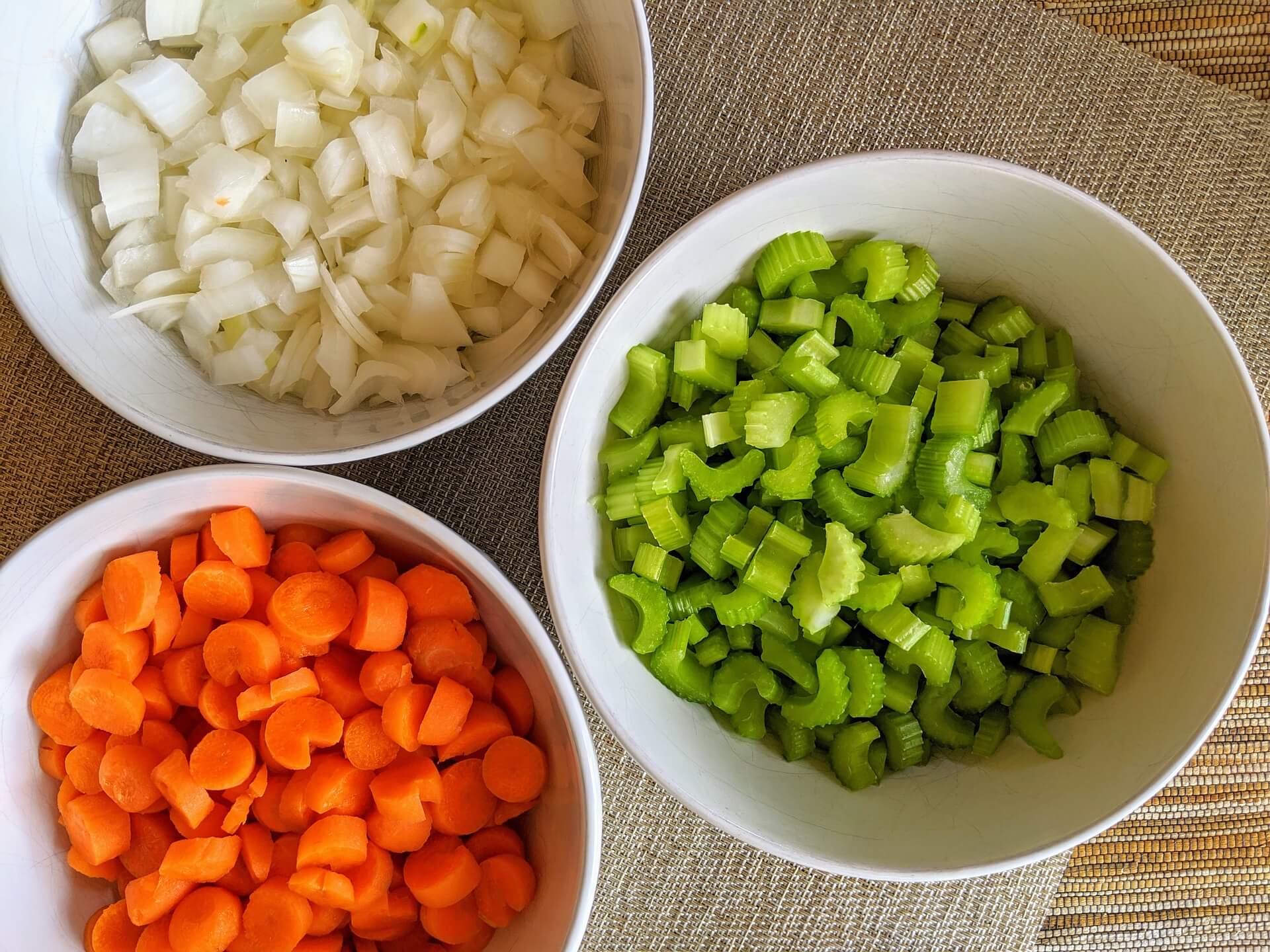
- Onion, celery, green bell pepper (the trinity). If you only have red bell pepper, use it. Slightly sweeter, still delicious.
- Garlic
- Okra (fresh or frozen). Okra helps thicken and gives that classic gumbo texture. If you cannot do okra, use filé powder at the end, or just let the roux do the thickening.
- Stock: seafood stock is ideal, chicken stock works well, and even low-sodium broth is fine. If you use salted stock, go lighter on added salt until the end.
- Shrimp: large or extra-large. Fresh or frozen. Thaw frozen shrimp in a bowl of cold water for 15 to 20 minutes.
- Seasoning: Cajun seasoning, bay leaves, thyme, smoked paprika (optional but nice), black pepper.
- Optional smoky helper: Andouille sausage is not traditional in every shrimp gumbo, but a small amount adds incredible depth. You can also use smoked turkey sausage. (I tell you exactly when to add it in the steps below.) If you keep it seafood-only, add a splash of Worcestershire or a pinch of smoked paprika for a similar “bass note.”
- Rice for serving, plus sliced scallions or parsley.
The roux made simple
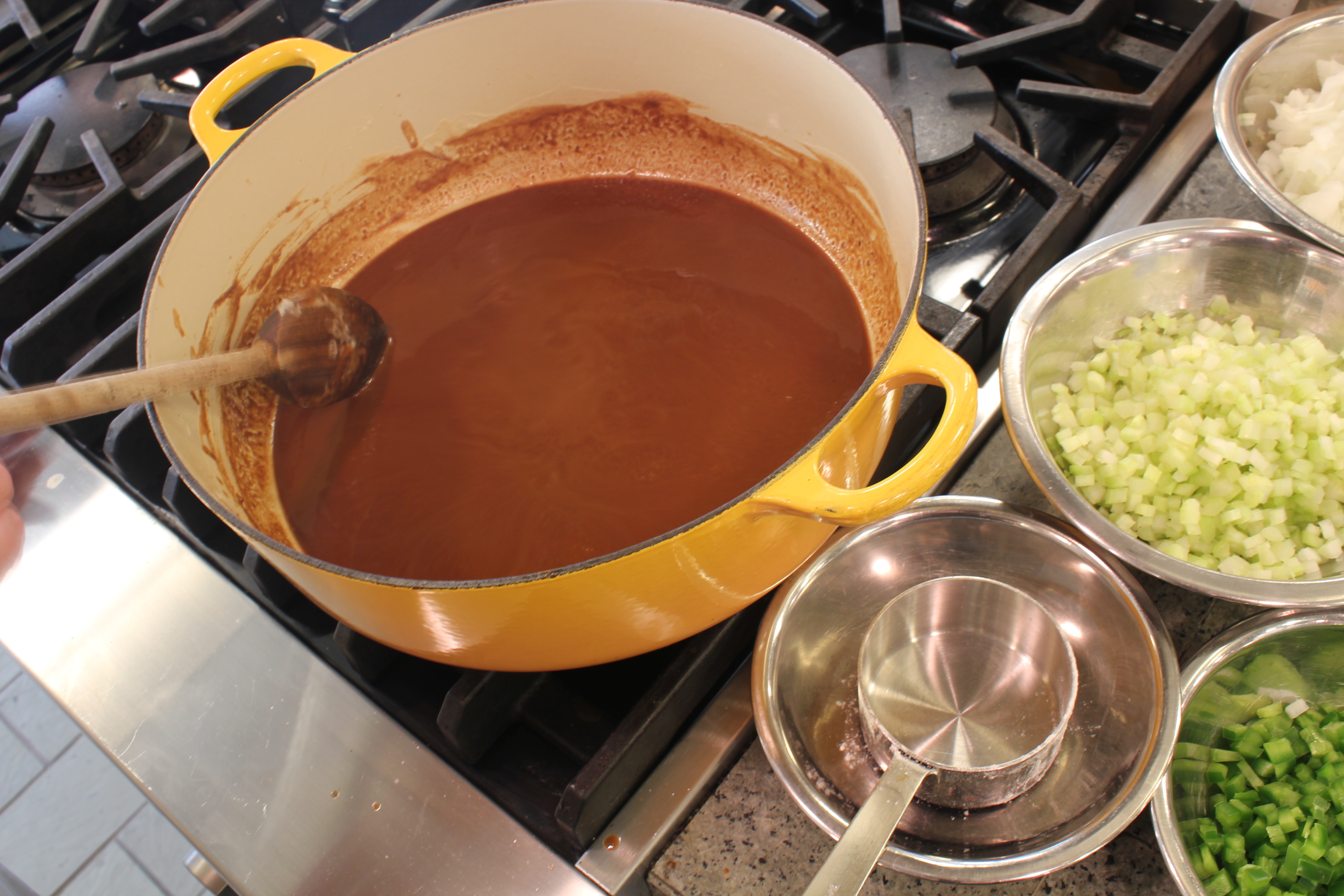
A dark roux is simply flour cooked in fat long enough to toast. That is it. The reason people get nervous is because it can burn if you walk away, and burned roux tastes bitter. So we treat it like toast: stay close, stir often, and watch the color.
Roux color guide
- Blond: pale peanut butter color. Mild flavor, thickens more.
- Medium brown: deeper nutty smell, great for many stews.
- Dark chocolate: classic gumbo territory. Big roasty flavor, thickens a bit less. This is what we want.
My biggest tip: use medium heat, not high. High heat feels faster until it is suddenly burned, and then you are starting over. Medium heat gets you there with control.
Roux should smell nutty and warm, like toasted bread. If it smells sharp or bitter, it is telling you it burned.
Keep shrimp tender
Shrimp cook fast, and gumbo simmers slowly. That means shrimp go in at the end, not the beginning. I add them when the gumbo is basically finished, then cook just until pink and curled, usually 2 to 4 minutes depending on size.
If your shrimp are very small, turn off the heat and let them cook gently in the residual heat. It is the easiest way to avoid overcooking.
Step-by-step shrimp gumbo
Before you start: chop everything. Gumbo is not hard, but it moves faster once the roux is ready. Having your trinity and garlic prepped makes the whole process calmer.
- Optional: brown the sausage. If using andouille or smoked sausage, brown sliced sausage in the pot over medium heat until the edges crisp, 4 to 6 minutes. Remove to a plate, leaving the drippings in the pot. Add oil as needed to reach the roux amount.
- Make the roux. In a heavy pot, whisk flour into oil (and drippings, if using) and cook, stirring often, until dark copper to chocolate brown.
- Add the trinity. Stir in onion, celery, and bell pepper. The vegetables cool the roux a bit and help stop it from getting darker too quickly. Cook until softened.
- Add garlic and spices. Cook 30 seconds to bloom the aroma.
- Add stock gradually. Start with a splash and whisk smooth, then add the rest. This prevents lumps.
- Simmer. Add bay leaves, thyme, okra, and the browned sausage (if using). Simmer gently to thicken and bring flavors together.
- Finish with shrimp. Add shrimp and cook just until done. Taste and adjust seasoning.
- Serve. Ladle over rice, top with scallions or parsley, and add hot sauce at the table if you like.
Make ahead and store
Gumbo is even better the next day, which makes it perfect for meal prep. The one exception is the shrimp, which can overcook when reheated.
- Best make-ahead method: make the gumbo base (everything except shrimp), cool, and refrigerate up to 3 days. Reheat gently, then add shrimp right before serving.
- Freezing: freeze the base up to 2 months. Thaw overnight in the fridge.
- Reheating: warm over medium-low heat until steaming. If it thickens in the fridge, add a splash of stock or water.
Troubleshooting
My roux burned. Now what?
If it tastes bitter or looks black in specks, it is safer to start over. I know, it hurts. But gumbo is worth it, and you will get back to stirring confidence faster than you think.
My gumbo is too thin.
Let it simmer uncovered a bit longer. Also remember: gumbo thickens as it cools. If you want extra body, okra helps, or you can stir in a small pinch of filé powder at the end (off heat).
My gumbo is too thick.
Add stock or water a little at a time until it is spoonable and glossy.
It tastes flat.
Try one of these, in this order: a pinch more salt, a squeeze of lemon, a dash of hot sauce, or a splash of Worcestershire. Flat flavor is often a “needs acid and salt” issue, not a “needs more spice” issue.
What to serve with it
- Steamed white rice (classic)
- Potato salad on the side (a Louisiana favorite)
- Crusty French bread for dipping
- Simple greens with a tangy vinaigrette to cut the richness
Recipe: Shrimp Gumbo
Shrimp Gumbo
Serves: 4 to 6
Prep time: 20 minutes
Cook time: 55 to 75 minutes
Ingredients
- For the roux: 1/2 cup neutral oil, 1/2 cup all-purpose flour
- 1 large onion, diced
- 2 celery ribs, diced
- 1 green bell pepper, diced
- 4 cloves garlic, minced
- 6 cups seafood stock or chicken stock (low-sodium preferred)
- 2 bay leaves
- 1 teaspoon dried thyme (or 1 tablespoon fresh)
- 2 to 3 cups okra, sliced (fresh or frozen)
- 1 to 2 tablespoons Cajun seasoning, to taste (start with less if salt-heavy)
- 1/2 teaspoon smoked paprika (optional)
- Black pepper, to taste
- 1 1/2 pounds large shrimp, peeled and deveined (save shells if you have them)
- 1 to 2 teaspoons Worcestershire sauce (optional, helps add depth)
- Salt, to taste (I usually wait until the end, because stock and Cajun seasoning vary a lot)
- Optional: 6 to 8 ounces andouille sausage or smoked sausage, sliced
- Cooked white rice, for serving
- Sliced scallions or chopped parsley, for serving
- Hot sauce and lemon wedges, for serving
Optional quick shrimp stock (highly recommended)
If you have shrimp shells, simmer them gently (do not hard-boil) with about 7 cups water, a pinch of salt, and a bay leaf for 15 to 20 minutes. Strain, then measure out 6 cups for the recipe (save any extra to thin leftovers).
Instructions
- Optional: brown the sausage: If using sausage, brown it in a heavy-bottomed pot or Dutch oven over medium heat, 4 to 6 minutes. Remove to a plate. Add neutral oil as needed so you have 1/2 cup total fat in the pot for the roux.
- Make the roux: Over medium heat, whisk oil and flour until smooth. Cook 20 to 30 minutes, stirring often (more often as it darkens), until the roux is deep copper to chocolate brown and smells nutty.
- Cook the trinity: Stir in onion, celery, and bell pepper. Cook 6 to 8 minutes, stirring, until softened. Add garlic and cook 30 seconds.
- Season: Stir in Cajun seasoning, thyme, smoked paprika (if using), and black pepper.
- Add stock: Add a splash of stock and whisk until smooth, then slowly add the rest. Add bay leaves, okra, and the browned sausage (if using).
- Simmer: Bring to a gentle simmer. Cook 25 to 35 minutes, stirring occasionally, until slightly thickened and glossy. Skim excess oil if desired.
- Finish with shrimp: Stir in Worcestershire (if using). Add shrimp and cook 2 to 4 minutes until just pink and opaque. Taste and adjust Cajun seasoning, salt, and pepper.
- Serve: Spoon rice into bowls and ladle gumbo over the top. Finish with scallions or parsley, plus hot sauce and lemon at the table.
Notes
- Make-ahead: Make the gumbo base (without shrimp), refrigerate up to 3 days, then reheat and add shrimp at the end.
- No okra? Skip it and simmer a little longer for thickness, or add 1/2 to 1 teaspoon filé powder off heat at the end. Filé can turn stringy if boiled, so stir it in after you turn off the heat.
- Heat level: Cajun seasoning varies a lot. Add gradually and adjust at the end.