
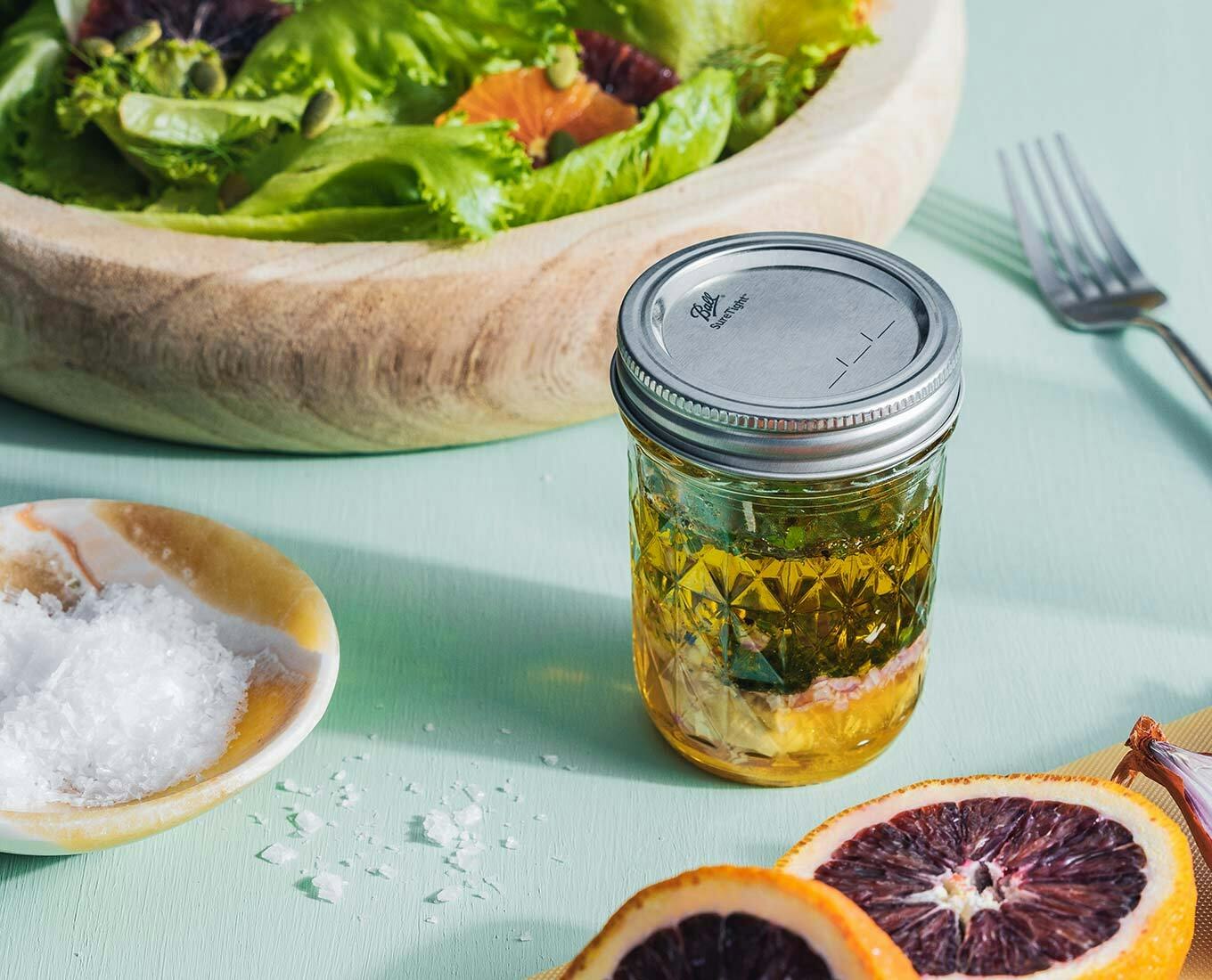
There is a certain kind of salad dressing that makes even an ordinary Tuesday salad feel like you tried. It is not heavy. It is not fussy. It is just balanced: a little sweet, a little tangy, with enough salt to wake up your greens and enough oil to make everything glossy and satisfying.
I call it Sweet Simple Fresh dressing, and it is the one I reach for when I have mixed greens, leftover roasted chicken, a handful of berries, or a crisper drawer that needs attention. It is also my favorite way to rescue a salad that tastes flat. In my experience, most of the time it just needs a better dressing.

Think of this as a flexible template more than a strict recipe: a little sweet, a little tangy, and “fresh” from lemon, garlic, and optional herbs. The key is balance, and once you learn the simple adjustments (more sweetener or oil for too tangy, more lemon or vinegar for too oily, and salt for “blah”), you can make it work with whatever you have on hand.
Why this recipe works
- Sweet: Just enough honey or maple syrup to round out the sharpness of vinegar and mustard. It should taste lively, not sugary.
- Simple: Pantry ingredients and one bowl. No blender needed.
- Fresh: Lemon zest or juice, a small clove of garlic, and optional herbs make it taste bright and just-made.
The key is balance. If you taste it and think “too tangy,” add a touch more sweetener or oil. If it tastes “too oily,” add a squeeze of lemon or a splash of vinegar. If it tastes “blah,” add salt. That is not you failing at salad. That is just dressing math.
Ingredient notes
- Sweetener (honey or maple): Different honeys vary wildly in intensity, so start with less if yours is strongly flavored, then taste.
- Lemon: Lemon juice brings brightness; lemon zest is optional for extra “just-made” flavor.
- Mustard: Dijon adds body and helps the dressing emulsify into a silky texture.
- Garlic (optional): A small clove, finely grated or minced, adds punch and freshness.
- Oil: Extra-virgin olive oil tastes great if you like its flavor; a neutral oil makes a milder dressing.
- Salt and pepper: Salt is the “volume knob” for flavor; pepper adds bite.
- Optional herbs: Parsley, basil, or dill make it taste extra fresh.
Equipment you will need
- Small bowl and whisk, or a jar with a tight-fitting lid (to shake)
- Microplane or fine grater (helpful for finely grating garlic and zesting lemon)
- Measuring spoons
Pro tips
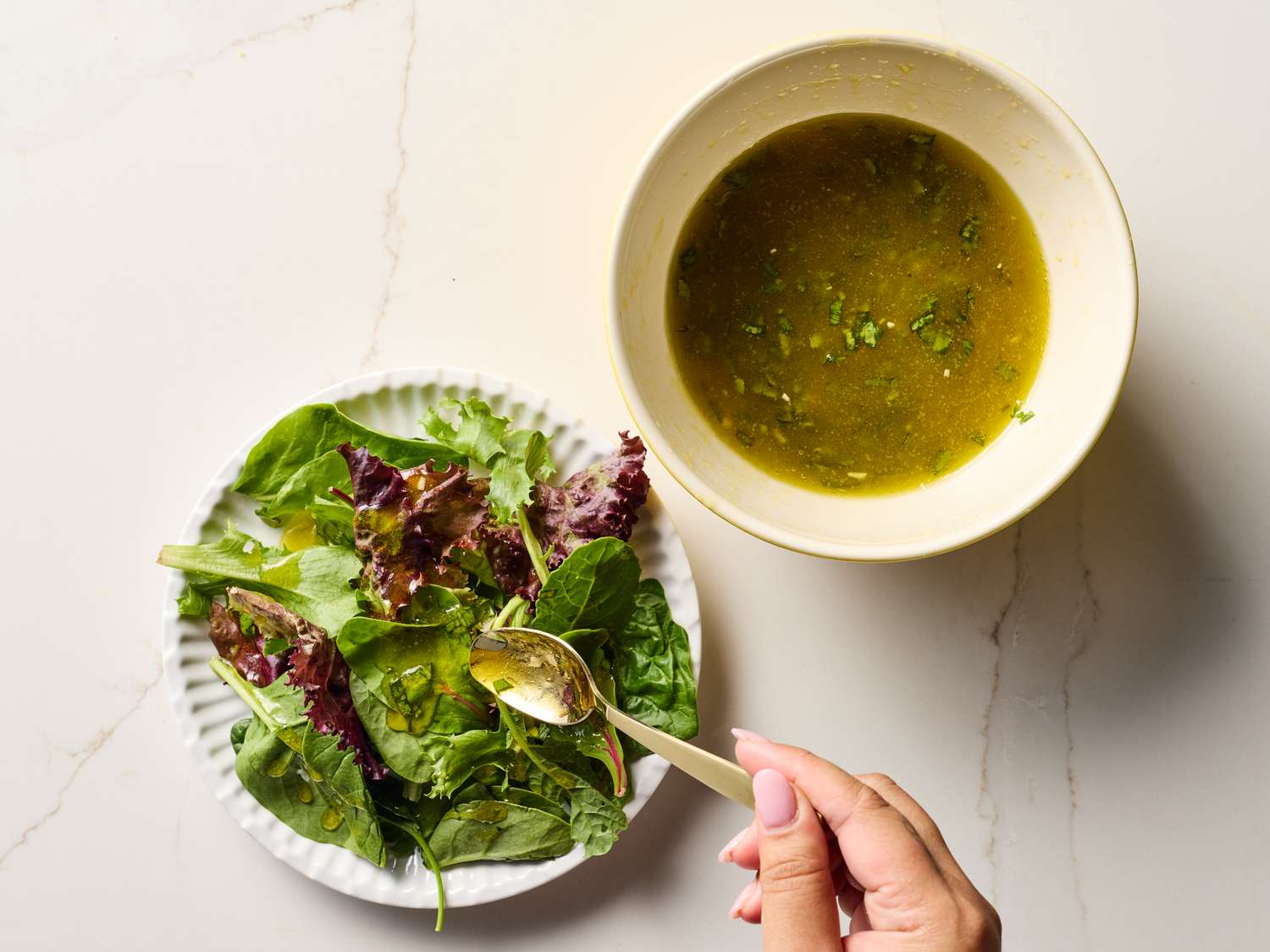
- Emulsify properly: Whisk while slowly drizzling in oil, or shake hard in a jar, to get a slightly creamy, unified dressing that clings to leaves.
- Dress the greens first: Toss greens with dressing first, then add heavier toppings like chicken, beans, cheese, or croutons for better coating with less dressing.
- Use enough salt: Salt is not just “salty” in dressing; it is the volume knob for flavor.
- Start small when dressing: Use 1 to 2 tablespoons per big bowl of greens, toss well, then decide if you want more. Many salads fall short because dressing is not evenly distributed, not because you need a lot more.
- Let strong garlic mellow: If the garlic tastes too strong, let the dressing sit 10 minutes; it calms down as it melds.
Substitutes that work
- No lemon: Use all vinegar, or use lime. If using only vinegar, choose a milder one like white wine vinegar or rice vinegar.
- No honey: Maple syrup works beautifully. So does a teaspoon of brown sugar, agave, or a fruit jam (start with 1 to 2 teaspoons jam, then adjust).
- No Dijon: Whole-grain mustard works. Yellow mustard works in a pinch but use a little less and add a touch more honey to smooth the sharpness.
- No olive oil: Avocado oil is the cleanest swap. A mild vegetable oil works too. If your olive oil is very peppery or bitter, consider cutting it with a neutral oil.
- No fresh garlic: Use a tiny pinch of garlic powder, or skip it and add extra black pepper. (Garlic powder is also the easiest option if you want to store the dressing longer.)
Variations
1) Orange-honey citrus
Replace the lemon juice with fresh orange juice and add 1/2 teaspoon orange zest. This is dreamy with bitter greens (radicchio, arugula) and shaved fennel.
2) Creamy yogurt
Whisk in 2 tablespoons plain Greek yogurt. Add a splash of water to thin. You get a creamy, clingy dressing without mayo.
3) Balsamic maple
Use balsamic vinegar and maple syrup. Add a pinch of dried oregano. Great with tomatoes and mozzarella.
4) Sesame ginger
Swap olive oil for a neutral oil (avocado, grapeseed, or canola), add 1 teaspoon toasted sesame oil and 1/2 teaspoon grated ginger. Use rice vinegar for the vinegar. Toss with cabbage, carrots, and cucumbers.
5) Herb garden
Add 2 to 3 tablespoons finely chopped soft herbs (parsley, chives, basil). This is my farmers’ market version when everything is leafy and fragrant.
Serving ideas
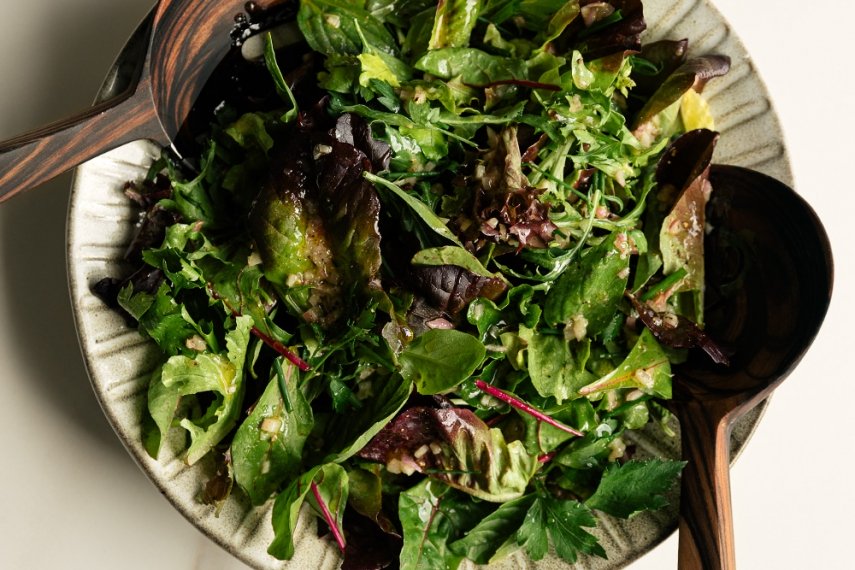
This dressing plays nicely with a lot of salad personalities. Here are combinations I make on repeat.
- Strawberry spinach: Spinach, sliced strawberries, goat cheese, toasted almonds.
- Simple house salad: Mixed greens, cucumber, cherry tomatoes, croutons.
- Chicken dinner salad: Leftover roast chicken, romaine, avocado, corn, pepitas.
- Fall-ish but still fresh: Arugula, apple slices, shaved fennel, walnuts, Parmesan.
- Grain bowl: Quinoa or farro, roasted vegetables, greens, a soft-boiled egg.
If you are adding fruit, this sweet-tangy style is perfect. If your salad is already rich (bacon, cheese, creamy components), keep the sweetness on the lighter side and bump the lemon.
Storage and reheating
Homemade dressing is weeknight gold because it makes the boring part of dinner (the salad) almost automatic.
How long it lasts
- In the fridge: 5 to 7 days in a sealed jar.
- If using fresh garlic: Keep refrigerated and use within 3 to 4 days for best quality. For longer storage, skip the fresh garlic and use garlic powder instead.
It solidified, now what?
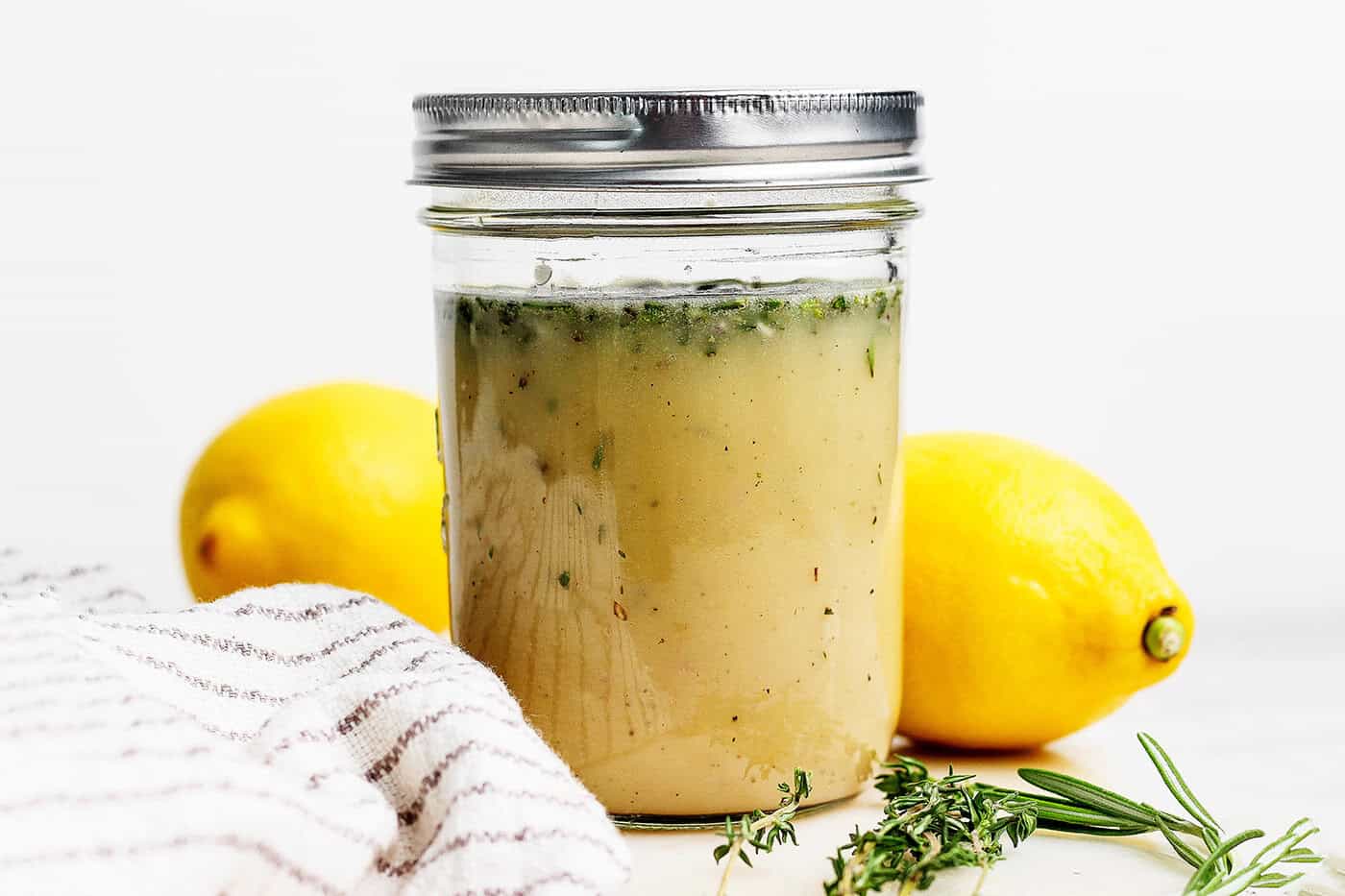
Olive oil can thicken in the refrigerator. Totally normal. Set the jar on the counter for 10 to 15 minutes, then shake well. If you are in a rush, run the jar under warm water for 30 seconds (lid on).
My easiest prep-once trick
Make a double batch and keep it in a jam jar.
Before serving: If it separates in the fridge, just shake or whisk again until glossy.
Common mistakes
- Overdoing the tang: If it tastes too sour or sharp, add 1/2 teaspoon honey or 1 tablespoon oil, then whisk and taste again.
- Overdoing the sweet: If it tastes too sweet, add a squeeze of lemon or 1 teaspoon vinegar, plus a pinch of salt.
- Thinking “oily” means less oil: If it tastes oily or heavy, it often needs more acidity (lemon or vinegar) and a pinch more salt. Oil needs seasoning to taste like something.
- Trying to fix a flat dressing with more acid first: Add salt first. If it is still flat, add pepper or a tiny bit more mustard.
- Judging garlic too soon: If garlic is too strong, let it sit 10 minutes to mellow, or dilute with a little more honey and oil.
If you only remember one thing: salt is not just “salty” in dressing. It is the volume knob for flavor.
FAQ
Can I make this without vinegar?
Yes. Use all lemon juice and consider adding a little extra zest for brightness. The flavor will be softer and more citrus-forward.
Can I make it vegan?
Absolutely. Swap honey for maple syrup or agave. Everything else is already plant-based.
How do I make it taste more like a restaurant dressing?
Use enough salt, add Dijon for body, and emulsify properly (whisk while slowly drizzling in oil, or shake hard in a jar). A tiny pinch of grated garlic and a little zest make it taste freshly made.
What is the best oil to use?
Extra-virgin olive oil tastes great if you like its flavor. For a very neutral dressing, use avocado, grapeseed, or canola oil. If your olive oil is bitter, cut it with a neutral oil.
The recipe
Sweet Simple Fresh Salad Dressing
A bright, lightly sweet, tangy vinaigrette with Dijon for body and optional garlic and herbs for freshness. Whisk in a bowl or shake in a jar. Makes a scant 1/2 cup, enough for 2 to 4 salads.
- Prep
- 5 minutes
- Cook
- 0 minutes
- Total
- 5 minutes
- Yield
- Scant 1/2 cup (about 6 to 8 tbsp), enough for 2 to 4 salads
Ingredients
- 3 tablespoons extra-virgin olive oil
- 1 1/2 tablespoons fresh lemon juice (about 1/2 lemon)
- 1 tablespoon white wine vinegar or apple cider vinegar
- 2 teaspoons to 1 tablespoon honey (or maple syrup), to taste
- 1 teaspoon Dijon mustard
- 1 small garlic clove, finely grated or minced (optional but very good)
- 1/4 to 1/2 teaspoon kosher salt, plus more to taste
- Freshly ground black pepper, to taste
- Optional: 1/2 teaspoon lemon zest, or 1 tablespoon chopped fresh herbs (parsley, basil, or dill)
Instructions
- Combine the tangy base: In a small bowl (or a jar with a lid), mix lemon juice, vinegar, honey, Dijon, garlic, salt, and pepper until the honey dissolves.
- Emulsify: While whisking, slowly drizzle in the olive oil until the dressing turns slightly creamy and unified. If using a jar, add the oil, cap tightly, and shake for 15 to 20 seconds.
- Taste and adjust: Add a pinch more salt, a little more lemon, or an extra drizzle of honey if needed. Stir in herbs or zest if using.
Notes
- How to use: Start with 1 to 2 tablespoons per big bowl of greens, toss well, then decide if you want more.
- Make more: Double or triple the batch if you want a week of easy salads.
- If it separates: Shake or whisk again until glossy.
- Balance fixes: Too sour or sharp: add 1/2 teaspoon honey or 1 tablespoon oil. Too sweet: add a squeeze of lemon or 1 teaspoon vinegar plus a pinch of salt. Flat: add salt first, then pepper or a tiny bit more mustard if needed.
- Storage: 5 to 7 days refrigerated in a sealed jar. If using fresh garlic, use within 3 to 4 days for best quality.
Nutrition
- Calories: 85
- Fat: 9 g
- Carbs: 1.5 g
- Protein: 0 g
- Fiber: 0 g
- Sugar: 1.3 g
- Sodium: 120 mg
Nutrition is an approximate estimate per serving (about 1 tablespoon), and will vary with how much honey and salt you use.