
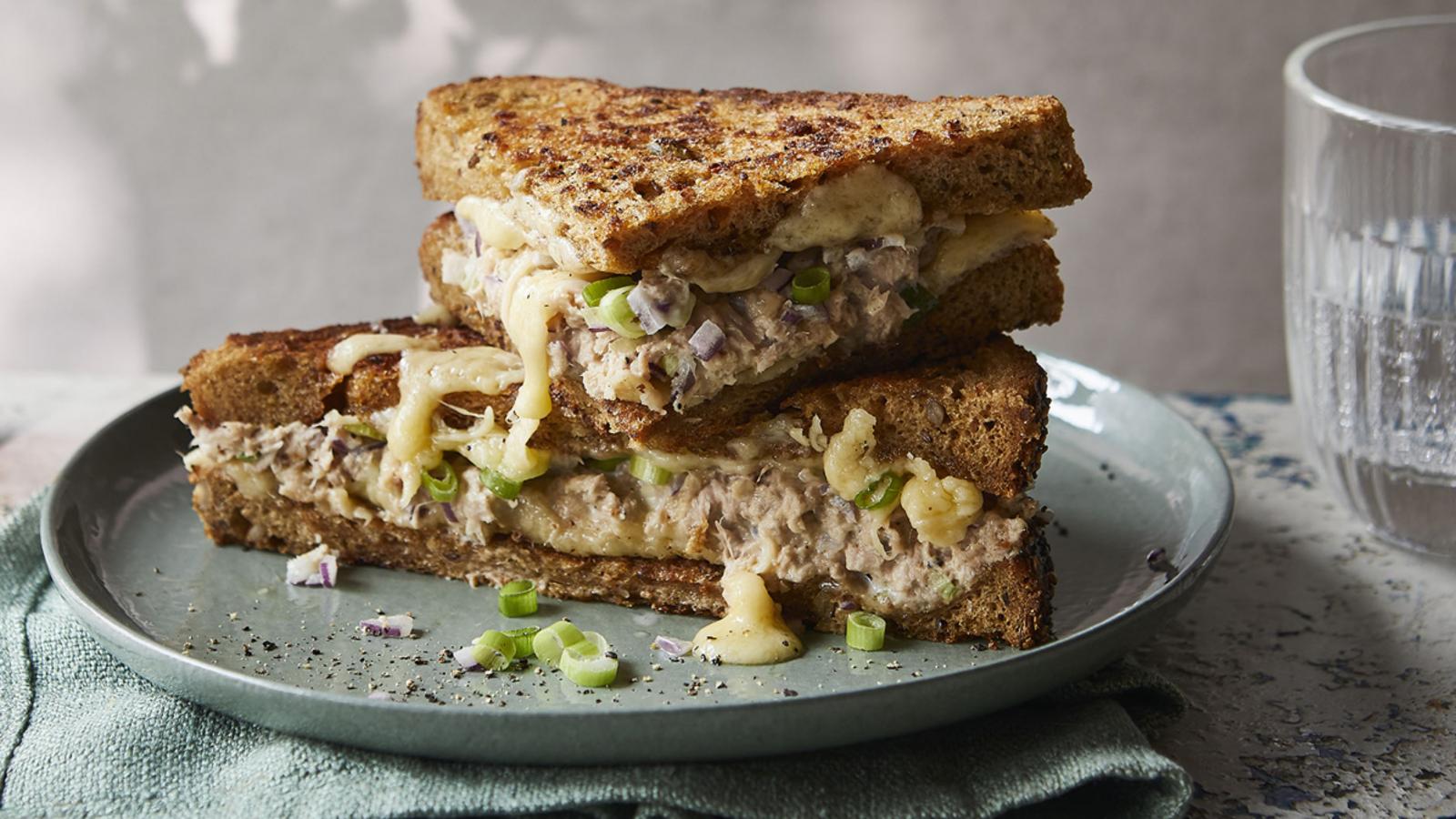
In my early bistro days, the tuna melt was the quiet hero on the lunch menu. It never sounded flashy, but when it was done right, people cleaned the plate and asked for extra napkins. When it was done wrong, it was the kind of sandwich that drips, steams itself limp, and somehow still has a cold center.
This is the version I make at home when I want something comforting, but I also want it to work. The big moves are simple: drain the tuna like you mean it, keep the salad creamy but not wet, and use gentle pan heat so the bread turns deeply golden while the filling has time to heat through. “Not wet” is the key part here. If you see liquid pooling in the bowl, that moisture is headed straight for your bread.

You can keep it classic with cheddar on sandwich bread, or lean diner-style with American cheese, tomato slices, and a pinch of black pepper. Either way, once you understand moisture and heat, the tuna melt becomes one of those lunches you can make on autopilot. In the recipe, I will walk you through the few small choices that matter most, like bread, cheese, and how to get that perfect melt without scorching the toast.
What makes a great tuna melt
A tuna melt is basically three textures that have to cooperate: crisp bread, hot creamy tuna, and gooey cheese. If one of those is off, it throws the whole sandwich.
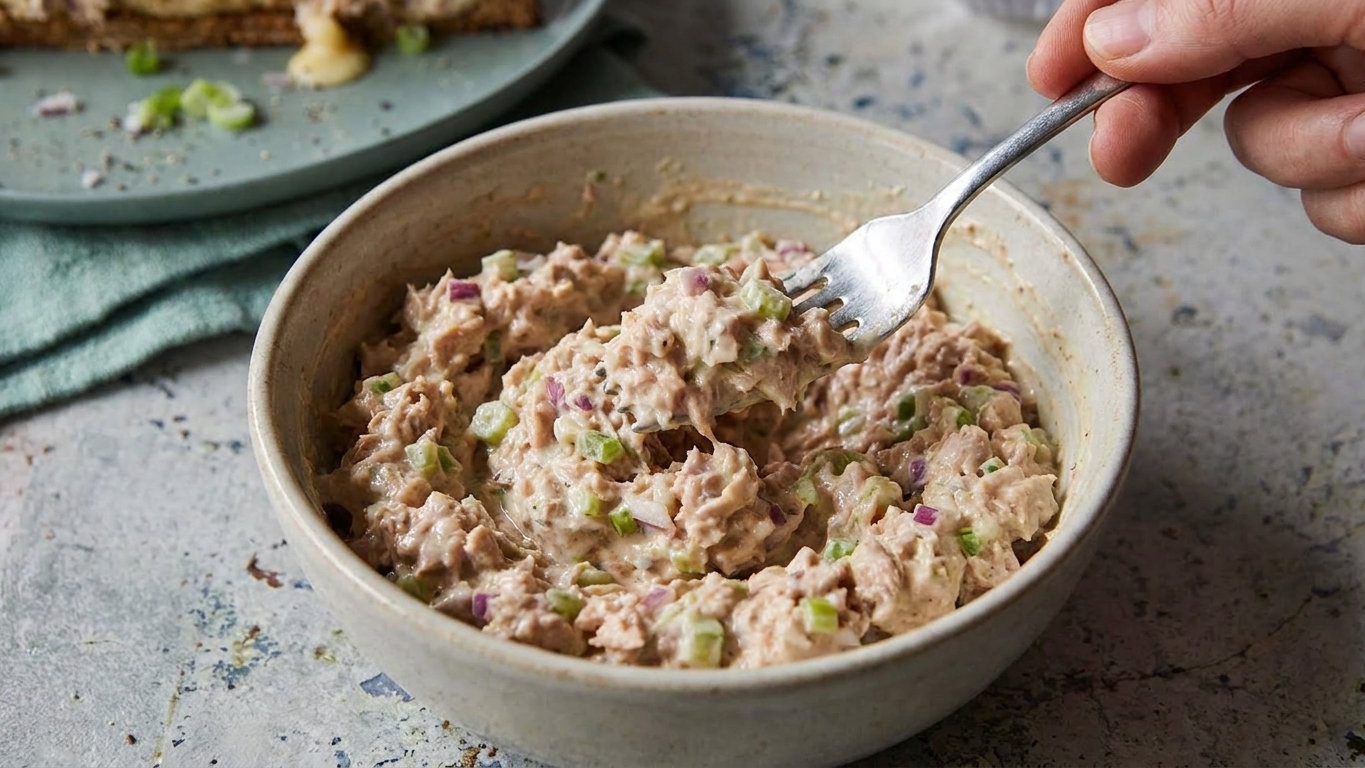
- Salad moisture: Too wet and the bread goes soft before it browns. Too dry and the filling tastes chalky once warmed. You want a mixture that holds its shape, with no watery shine or puddle at the bottom of the bowl.
- Cheese melt: American melts the smoothest at gentle heat. Mild cheeses like Monterey Jack and provolone behave nicely too. Some sharp or aged cheddars can “oil off,” especially if the heat runs high or the melt takes too long. If you want sharp flavor with a reliable melt, pairing cheddar with a slice of American is a simple fix.
- Pan heat: High heat browns the outside fast, but leaves the center lukewarm. Medium to medium-low gives the filling time to heat and the cheese time to melt.
If there is one diner trick worth stealing, it is the lid. A quick cover at the end traps heat like a tiny oven, finishing the melt without scorching the bread.
Why this recipe works
- Well-drained tuna prevents soggy sandwiches. Pressing out excess liquid gives you a creamy salad that still holds its shape once heated.
- Moderate pan heat warms the filling through. Cooking over medium to medium-low toasts the bread without scorching, so the cheese melts and the tuna gets hot.
- A lid creates gentle trapped heat. Covering the pan for a minute or two helps melt the cheese and warm the center without needing higher heat.
- Butter or mayo on the outside improves browning. A thin layer gives you that evenly crisp, diner-style crust.
Ingredient notes
Canned tuna
Use solid or chunk tuna packed in water or oil. Water-packed is a little cleaner tasting, oil-packed is richer. Either is great as long as you drain it thoroughly.
Mayonnaise
Mayo gives you creaminess that stays stable when warmed. If you prefer a lighter sandwich, you can do half mayo and half Greek yogurt, but keep an eye on moisture.
Celery and onion
Celery adds crunch and keeps the filling from feeling heavy. Onion is optional, but a small amount adds savory bite. If raw onion feels too sharp, use scallions or a pinch of onion powder.
Acid and seasoning
Lemon juice or a small splash of pickle juice brightens the tuna. Salt and pepper matter a lot here because tuna salad can taste flat when heated.
Bread
Sandwich bread is classic and easy. Sourdough is sturdier and stays crisp longer. Softer breads just need a slightly lower heat so the outside does not over-brown before the inside warms.
Cheese
Best melters: American, Monterey Jack, provolone, Swiss, and younger cheddars. American is the most forgiving at gentle heat. If you want sharper cheddar flavor, pairing cheddar with American can help keep the melt smooth.
Equipment you will need
- Medium mixing bowl
- Fork for mixing and flaking
- Fine mesh strainer (helpful for draining tuna)
- Nonstick or cast iron skillet
- Spatula
- Lid for the skillet (or a sheet pan to cover)
Pro tips
- Drain, then press. After draining the tuna, press it gently in the strainer with the back of a spoon, or squeeze it lightly in clean paper towels. This is the fastest path to a not-soggy melt.
- Look for pooling liquid. If you see moisture collecting in the bowl, your salad is too wet for a melt. Press the tuna more, or add a little more finely chopped celery.
- Keep the salad thick. You want a mixture that mounds on a spoon, not one that runs. If it looks loose, add a bit more tuna or a tablespoon of finely chopped celery.
- Pre-warm the filling if you are in a hurry. If you are fighting a cold center, microwave the tuna salad for 15 to 20 seconds just to take the chill off, then assemble.
- Medium-low is your friend. If your bread browns before the cheese melts, your heat is too high. Turn it down and cover the pan for a minute.
- Spread a thin, even layer of butter or mayo outside. Thin is key. Too much fat can make the bread fry unevenly and get greasy.
Substitutes that work
- No mayo: Greek yogurt, sour cream, or mashed avocado. If using avocado, add extra salt and a squeeze of lemon to keep it bright.
- No celery: Finely chopped dill pickles, relish (go easy to avoid extra moisture), or diced bell pepper.
- No lemon: A teaspoon of Dijon mustard or a small splash of pickle juice.
- Cheese swaps: Provolone for mild and stretchy, Swiss for nutty, pepper jack for heat. Avoid very aged hard cheeses as the only cheese because they do not melt as smoothly.
- Bread swaps: Sourdough, rye, English muffins, or a split bagel. Thicker breads may need slightly lower heat and a longer covered melt.
Variations
Diner-style tuna melt
Add 2 to 3 thin tomato slices and a pinch of black pepper. Use American cheese for maximum melt.
Pickle lover’s tuna melt
Mix chopped dill pickles into the tuna salad and add a little dill. Keep the pickles well-drained so the salad stays thick.
Spicy tuna melt
Add hot sauce or a teaspoon of sriracha to the tuna salad. Pepper jack or cheddar works well here.
Open-faced tuna melt
Toast bread, top with warm tuna salad and cheese, then broil just until melted and bubbling. It is faster and extra crisp.
Serving ideas
- Serve with kettle chips and extra pickles for a classic lunch plate.
- Pair with a simple green salad with lemon vinaigrette to cut the richness.
- Tomato soup is the coziest side if you want full comfort-food mode.
- For a lighter spread, add sliced cucumbers and fruit on the side.
Storage and reheating
Storing tuna salad
Store leftover tuna salad in an airtight container in the refrigerator and use within 3 days. Give it a quick stir before using, and drain off any liquid that collects.
Storing assembled melts
A tuna melt is best fresh. If you must save one, wrap and refrigerate, then reheat in a skillet over medium-low until crisp and warmed through.
Reheating
Skip the microwave if you care about crispness. Reheat in a covered skillet over medium-low, flipping once, or in a toaster oven at 350°F until hot and melty.
Common mistakes
- Not draining the tuna enough. This is the number one reason melts turn soggy. Drain, then press.
- Using high heat. The bread burns before the cheese melts and the tuna warms. Lower heat and a lid solve it.
- Overfilling the sandwich. A towering scoop of tuna salad makes flipping messy and slows heating. Aim for an even layer.
- Relying on a fussy cheese alone. Some sharp or aged cheddars can separate if the pan runs too hot. Use proven melters, or blend cheddar with American.
- Skipping seasoning. Tuna salad often needs more salt than you expect, especially once warmed.
FAQ
How do I keep a tuna melt from getting soggy?
Drain the tuna very well and keep your tuna salad thick. Also, toast slowly over medium to medium-low heat so the bread crisps instead of steaming.
Why is my tuna melt cold in the middle?
Your pan is likely too hot, so the outside browns before the filling heats. Turn the heat down, cover the skillet for 1 to 2 minutes, and consider letting the tuna salad sit at room temperature for 10 minutes before assembling.
What is the best cheese for a tuna melt?
American melts the smoothest at gentle heat. Cheddar brings sharper flavor. Monterey Jack, provolone, and Swiss also melt well. If you love cheddar but struggle with melting, pair cheddar with one slice of American.
Can I make tuna melts in the oven?
Yes. For open-faced melts, toast the bread lightly, top with tuna salad and cheese, then broil briefly just until the cheese melts. Watch closely, broilers move fast.
The recipe
Tuna Melt
A classic grilled tuna melt with well-drained tuna salad, gooey melted cheese, and bread toasted until crisp. Gentle pan heat and a quick lid cover ensure the filling warms through.
- Prep
- 10 minutes
- Cook
- 10 minutes
- Total
- 20 minutes
- Yield
- 2 sandwiches
Ingredients
- 2 (5-ounce) cans tuna (water-packed or oil-packed), drained very well
- 3 tablespoons mayonnaise
- 1 tablespoon finely chopped celery
- 1 tablespoon finely chopped onion or sliced scallion (optional)
- 1 teaspoon lemon juice (or 1 teaspoon pickle juice)
- 1/4 teaspoon kosher salt, plus more to taste
- 1/8 teaspoon black pepper, plus more to taste
- 4 slices sandwich bread or sourdough
- 2 tablespoons softened butter (or mayonnaise for spreading)
- 4 slices melty cheese (American, cheddar, Monterey Jack, provolone, or Swiss)
- Optional: 2 to 4 thin tomato slices
Instructions
- Drain the tuna thoroughly. Drain the tuna, then press it in a fine mesh strainer with the back of a spoon to remove excess liquid. (If it still seems wet, pat briefly with paper towels.)
- Make a thick tuna salad. In a bowl, mix tuna, mayonnaise, celery, onion (if using), lemon juice, salt, and pepper. Stir until creamy and well combined. The mixture should mound on a spoon, not run.
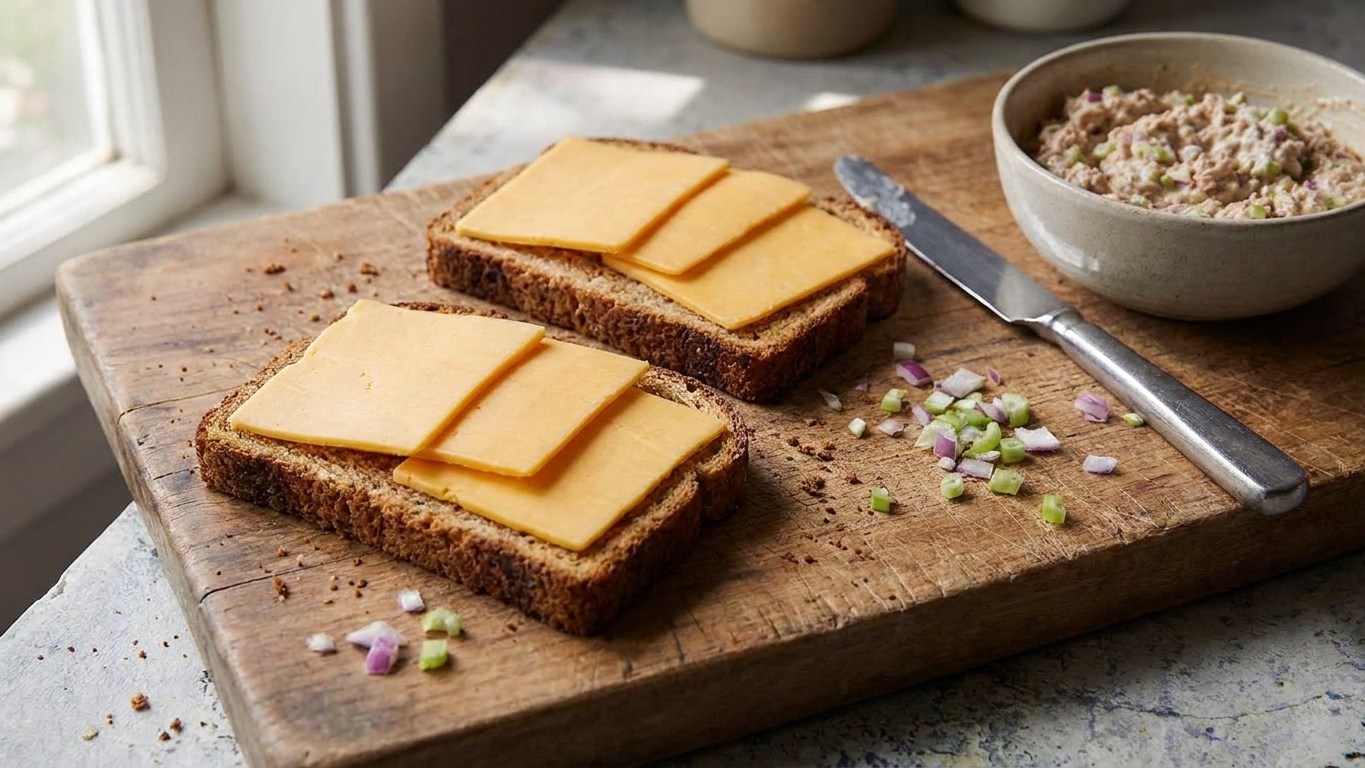
- Assemble the sandwiches. Lay out the bread slices. Divide tuna salad between 2 slices and spread into an even layer. Top each with 2 slices of cheese. Add tomato (if using). Close with remaining bread slices.
- Butter the outside. Spread a thin, even layer of softened butter (or mayo) on the outside of each sandwich.
- Toast gently. Heat a skillet over medium to medium-low. Add the sandwiches and cook 3 to 5 minutes per side, pressing lightly with a spatula, until the bread is golden and crisp.
- Cover to melt and warm through. If the cheese is not fully melted or the center is not hot yet, reduce heat to low and cover the skillet for 1 to 2 minutes. The trapped heat will finish melting the cheese and warming the tuna.
- Rest, slice, and serve. Transfer to a cutting board, rest 1 minute, then slice and serve right away.
Notes
Moisture control: If your tuna salad looks a little loose, add another tablespoon of finely chopped celery or use slightly less mayo next time. Wet tuna is the usual culprit, so press it well.
Heat tip: If your bread browns too fast, your pan is too hot. Lower the heat and give the sandwich time. A lid is the secret weapon.
Cheese tip: For sharp flavor and reliable melt, use 1 slice cheddar and 1 slice American per sandwich.