
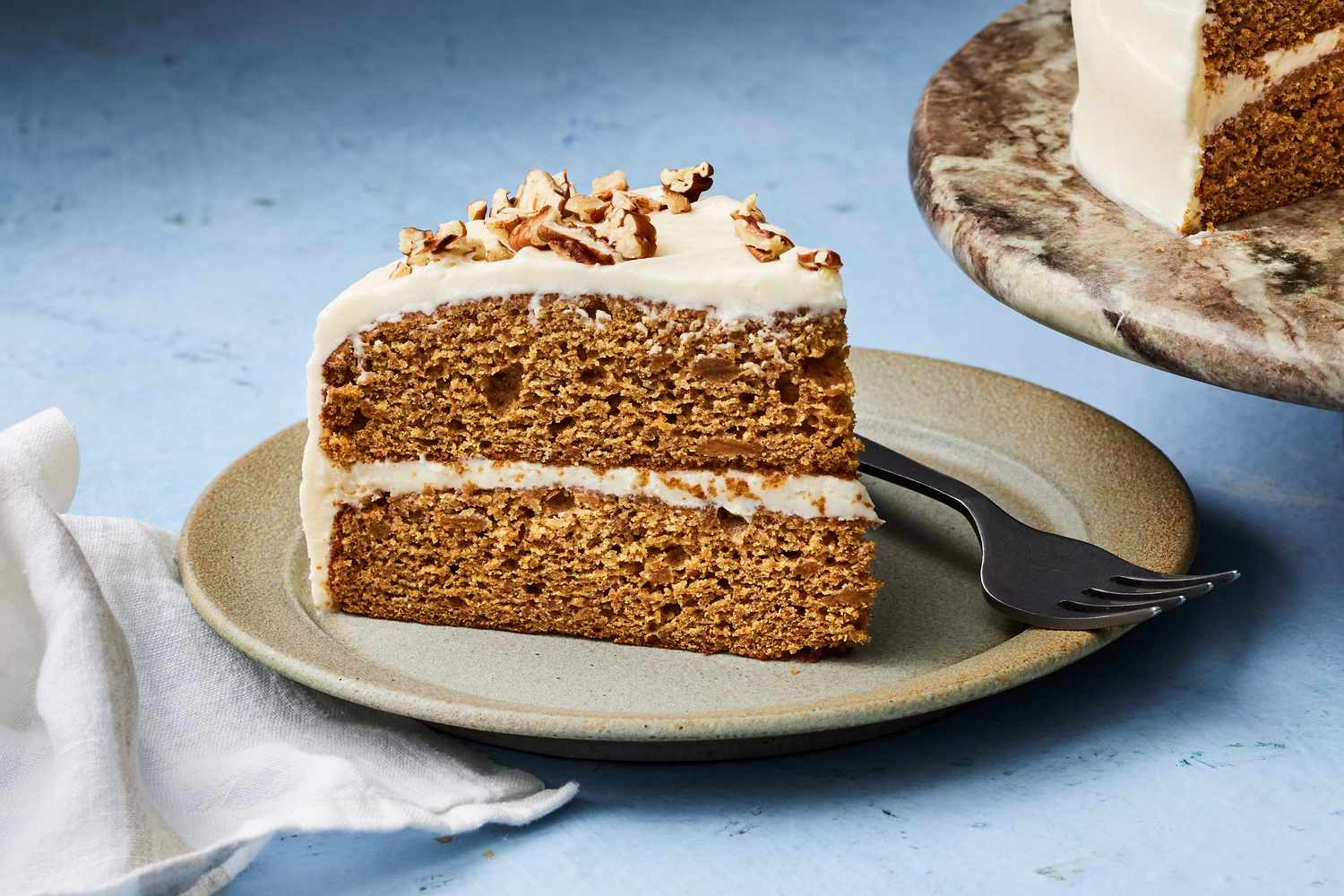
Sweet potato cake is one of those recipes that makes people pause mid-bite and go, “Wait, what is in here?” It is tender and deeply moist, with a gentle earthy sweetness that plays so nicely with cinnamon, nutmeg, and a little vanilla. If you love carrot cake or spice cake, you are in very friendly territory.
My favorite part is how practical it is. Sweet potatoes are generally easy to find year-round in many markets, and they bring moisture to the crumb so the cake stays soft for days. That means it is perfect for make-ahead gatherings, potlucks, and any week where you need dessert to pull its weight.

Why sweet potato works in cake
Sweet potato is not just “healthy cake magic.” It does a few very specific baking jobs:
- Moisture: Cooked sweet potato purée holds water and keeps the crumb plush, similar to banana bread but less fruity.
- Structure: The natural starches help the batter set up into a sturdy, sliceable cake.
- Flavor: It brings a toasty, buttery sweetness that makes spices taste more vivid without needing a mountain of sugar.
In other words, it is not a gimmick. It is a workhorse ingredient that makes the cake easier to get right.
Ingredients that matter most
You will find the full recipe down below, but these are the ingredients worth understanding before you start.
Sweet potato purée
You can use homemade or canned. Homemade gives the freshest flavor, but canned is wonderfully consistent.
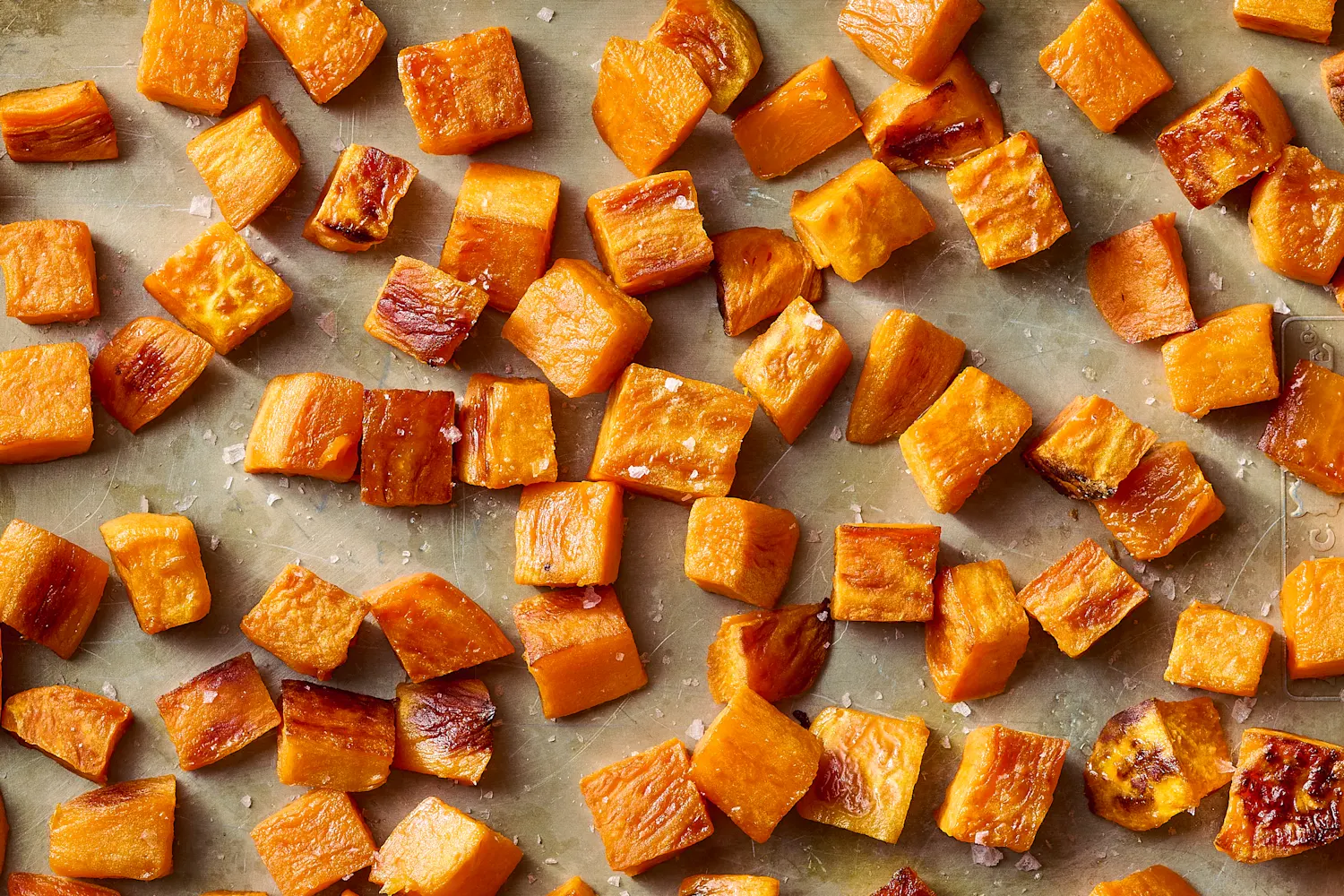
- Homemade: Roast (my preference) or steam sweet potatoes until completely soft, then mash and purée until smooth. Let it cool to room temperature before adding it to the batter.
- Canned: Make sure it is plain sweet potato, not sweetened “pie mix.”
Texture tip: If your purée looks watery, it can lead to a heavy, gummy, or even slightly sunken cake, depending on bake time and leavening. If you suspect it is loose, spread it on a plate and let it sit 10 minutes, then blot lightly with a paper towel.
Oil (not butter)
Oil keeps the cake moist even after refrigeration. Melted butter is delicious, but it firms up when cold and can make the cake feel a bit tighter on day two.
Warm spices
Cinnamon is the headline, but nutmeg and ginger give that cozy “bakery case” aroma. If you only have cinnamon, you can still bake a lovely cake. It just tastes a little simpler.
Brown sugar
Brown sugar adds moisture and a caramel note that loves sweet potato. If you only have granulated sugar, you can use it, but the cake will be a touch less deep and toasty.
How to make sweet potato purée
If you have about 10 minutes of hands-on time, roast your sweet potatoes. Roasting concentrates flavor and reduces excess moisture.
- Heat oven to 400°F.
- Pierce 2 medium sweet potatoes a few times with a fork.
- Roast directly on a sheet pan for 45 to 60 minutes, until very soft.
- Cool, scoop, mash the flesh, then purée in a food processor (or mash very thoroughly). Cool to room temperature before baking.
Shortcut: Microwave works too. Split the potato lengthwise, microwave cut-side down until soft, then mash. Let cool before using.
Sweet Potato Cake with Maple Cream Cheese Frosting
Overview
- Yield: 1 (9x13-inch) cake or 2 (8-inch) rounds
- Time: About 25 minutes prep, 30 to 40 minutes bake
- Difficulty: Friendly and forgiving
Ingredients
For the cake
- 2 cups (250 g) all-purpose flour
- 2 teaspoons baking powder
- 1/2 teaspoon baking soda
- 1 teaspoon fine salt
- 2 teaspoons ground cinnamon
- 1/2 teaspoon ground ginger
- 1/4 teaspoon ground nutmeg
- 1 1/2 cups (300 g) packed light brown sugar
- 1/2 cup (100 g) granulated sugar
- 3 large eggs, room temperature
- 3/4 cup (180 ml) neutral oil (avocado, canola, or grapeseed)
- 1 tablespoon vanilla extract
- 1 1/2 cups (360 g) sweet potato purée (see notes)
- 1/2 cup (120 ml) buttermilk
- 1 cup (100 g) chopped toasted pecans or walnuts (optional)
For the maple cream cheese frosting
- 8 oz (225 g) cream cheese, softened
- 6 tablespoons (85 g) unsalted butter, softened
- 2 1/2 to 3 cups (300 to 360 g) powdered sugar, sifted
- 2 tablespoons pure maple syrup
- 1 teaspoon vanilla extract
- Pinch of salt
Instructions
- Prep the pan and oven. Heat oven to 350°F. Grease and line a 9x13-inch pan with parchment (or grease two 8-inch round pans and line the bottoms). If you are making layers, 8-inch pans that are at least 2 inches deep are ideal.
- Mix dry ingredients. In a medium bowl, whisk flour, baking powder, baking soda, salt, and spices.
- Mix wet ingredients. In a large bowl, whisk brown sugar, granulated sugar, eggs, oil, and vanilla until smooth. Whisk in sweet potato purée (cool to room temp), then buttermilk.
- Combine. Add dry ingredients to wet and fold just until no dry pockets remain. If using nuts, fold them in now. Do not overmix.
- Bake. Pour into prepared pan(s). Bake 30 to 40 minutes for 9x13, or 25 to 32 minutes for 8-inch rounds. Start checking layer cakes on the earlier side to avoid overbaking. It is done when a toothpick comes out with a few moist crumbs, or when the center reads about 200 to 205°F on an instant-read thermometer.
- Cool fully. Cool in the pan 15 minutes, then lift out (for 9x13) or turn out the rounds. Cool completely before frosting.
- Make frosting. Beat cream cheese and butter until smooth. Beat in powdered sugar gradually, then maple syrup, vanilla, and salt. Maple syrup loosens frosting, so if it looks soft, add a little more powdered sugar or chill the frosting 15 to 20 minutes, then re-whip briefly.
- Frost and serve. Spread frosting over the cooled cake. Slice and enjoy. If you want extra polish, sprinkle with toasted nuts.
Notes
- Sweet potato purée amount: 1 1/2 cups purée is usually 2 medium sweet potatoes. Cool purée to room temperature before using.
- Buttermilk substitute: Mix 1/2 cup milk with 1 1/2 teaspoons lemon juice or vinegar. Let sit 5 minutes.
- Nut-free: Simply omit nuts. No other changes needed.
Tips for a tender crumb
Do not overmix after flour
Once flour is in the bowl, mix gently and stop as soon as the last streak disappears. Overmixing can make the cake springy instead of soft.
Cool before frosting
Cream cheese frosting will melt and slide if the cake is even a little warm. If you are impatient (I get it), pop the unfrosted cake in the fridge for 30 minutes to speed things along.
Toast your nuts
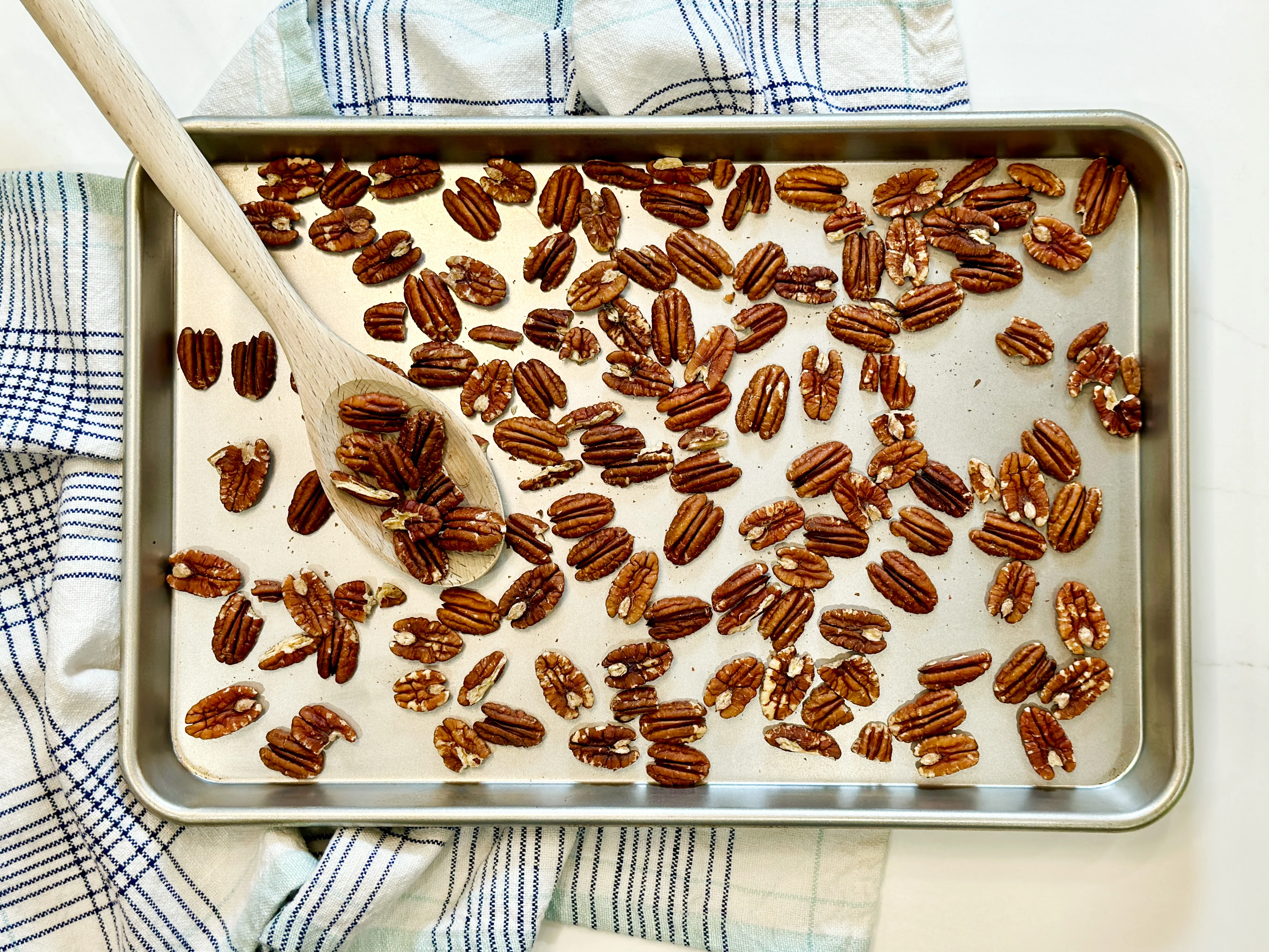
If you are adding pecans or walnuts, toasting makes them taste so much more nutty. Spread on a sheet pan and toast at 350°F for 6 to 10 minutes, just until fragrant.
Easy variations
Layer cake
Bake in two 8-inch or 9-inch pans. Chill the layers for 20 minutes before frosting to make stacking easier.
Cupcakes
Line a muffin tin and fill each cup about 2/3 full. Bake at 350°F for 18 to 22 minutes.
Extra-spiced
Add 1/8 teaspoon ground cloves and a pinch of black pepper. Pepper sounds odd, but it quietly sharpens the spices and makes the sweet potato taste richer.
Orange-forward frosting
Add 1 teaspoon finely grated orange zest to the frosting. Sweet potato plus orange is a very happy combination.
Make-ahead and storing
Make-ahead
- Unfrosted cake: Bake 1 day ahead, cool, wrap tightly, and keep at room temperature.
- Frosting: Make up to 3 days ahead and refrigerate. Let it soften at room temp and re-whip briefly before spreading.
Storing
Because of the cream cheese frosting, store frosted cake in the refrigerator, covered. For the best texture, let slices sit at room temperature for 15 to 20 minutes before serving.
Freezing
- Best method: Freeze unfrosted cake layers, wrapped well, up to 2 months. Thaw overnight in the fridge, then frost.
- Freezing frosted cake: It works, but the frosting can get slightly weepy upon thawing. If you do it, freeze slices on a sheet pan until firm, then wrap.
FAQ
Can I use canned sweet potato?
Yes. Use plain canned sweet potato purée. Avoid sweetened pie filling, which can throw off sweetness and texture.
Is sweet potato cake the same as pumpkin cake?
They are cousins, not twins. As a rule of thumb, pumpkin tends to be milder and more watery, while sweet potato is denser and naturally sweeter. Varieties vary, but that general difference is why sweet potato cake often tastes richer and bakes up with a silkier crumb.
Can I make it gluten-free?
You can usually swap in a reliable 1:1 gluten-free flour blend (one that contains xanthan gum). Expect the crumb to be slightly more delicate. Let the cake cool completely before slicing.
My cake sank in the middle. What happened?
Most common causes are underbaking, overmixing, or an oven running cooler than it says. Bake until a toothpick comes out with moist crumbs, not wet batter. If you can, use an oven thermometer at least once to check accuracy.