
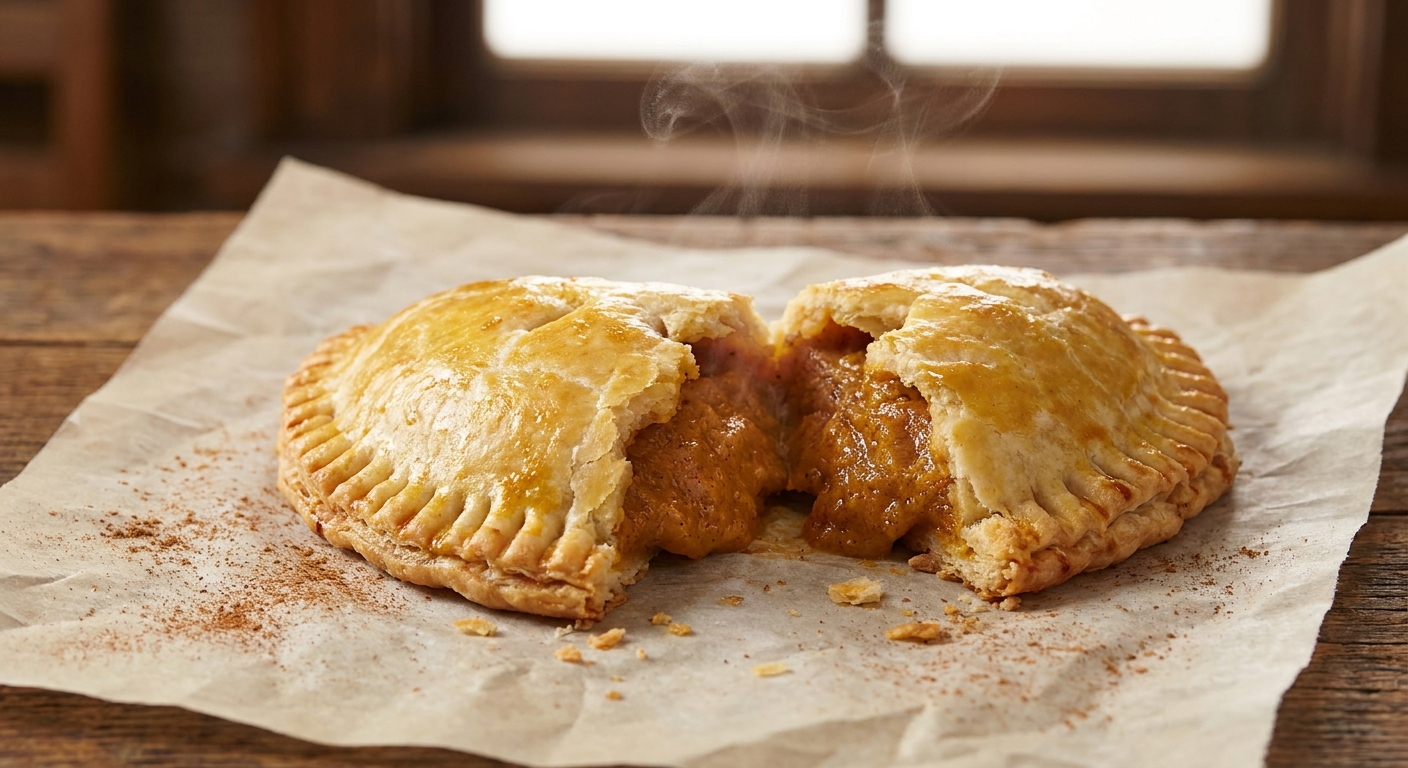
When I managed a bakery, I learned two truths about filled pastries: people love anything they can eat with one hand, and fillings will find the tiniest weak spot if you give them the chance. Pumpkin empanadas give you hand-pie portability with the cozy flavor of pumpkin pie, tucked inside a crisp, sealed crust.

This recipe is built for normal, slightly chaotic home kitchens. It uses canned pumpkin and a simple stovetop-thickened filling so it sets up sturdy instead of sloshy, and you do not need any special equipment. The key is making sure the pumpkin filling is thick, not wet, and rolling the dough to a thickness that can actually hold a seal. If you have ever had an empanada pop open in the oven or burst in the fryer, I am going to help you avoid that heartbreak.
What to expect
You will end up with individual empanadas that are crisp on the outside and creamy inside, flavored with cinnamon, ginger, and a little clove or nutmeg if you like. The recipe includes both baking and frying options, and each one has its place.
Baked: crisp-tender and lighter, with a flaky-leaning bite. Best when you want an easy batch for sharing.
Fried: more deeply browned and extra crunchy, with that shattery shell. Best when you want maximum crispness right away.
Either way, let them cool before you bite. Pumpkin filling holds heat like lava and will stay hotter than the crust.
I like serving these as a dessert hand pie, but they also make a sweet snack alongside coffee. If you want them more breakfast-y, go easy on the sugar and finish with cinnamon sugar instead of icing.
They store and freeze well, which makes them a great make-ahead dessert. For the best results, freeze them unbaked, then bake straight from frozen with a few extra minutes added to the bake time. You will find the details in the storage section below.
Why this recipe works
- Thick filling prevents leaks. Pumpkin puree carries a lot of water. Cooking the filling briefly (or otherwise thickening it) keeps it from weeping into the dough and breaking the seal.
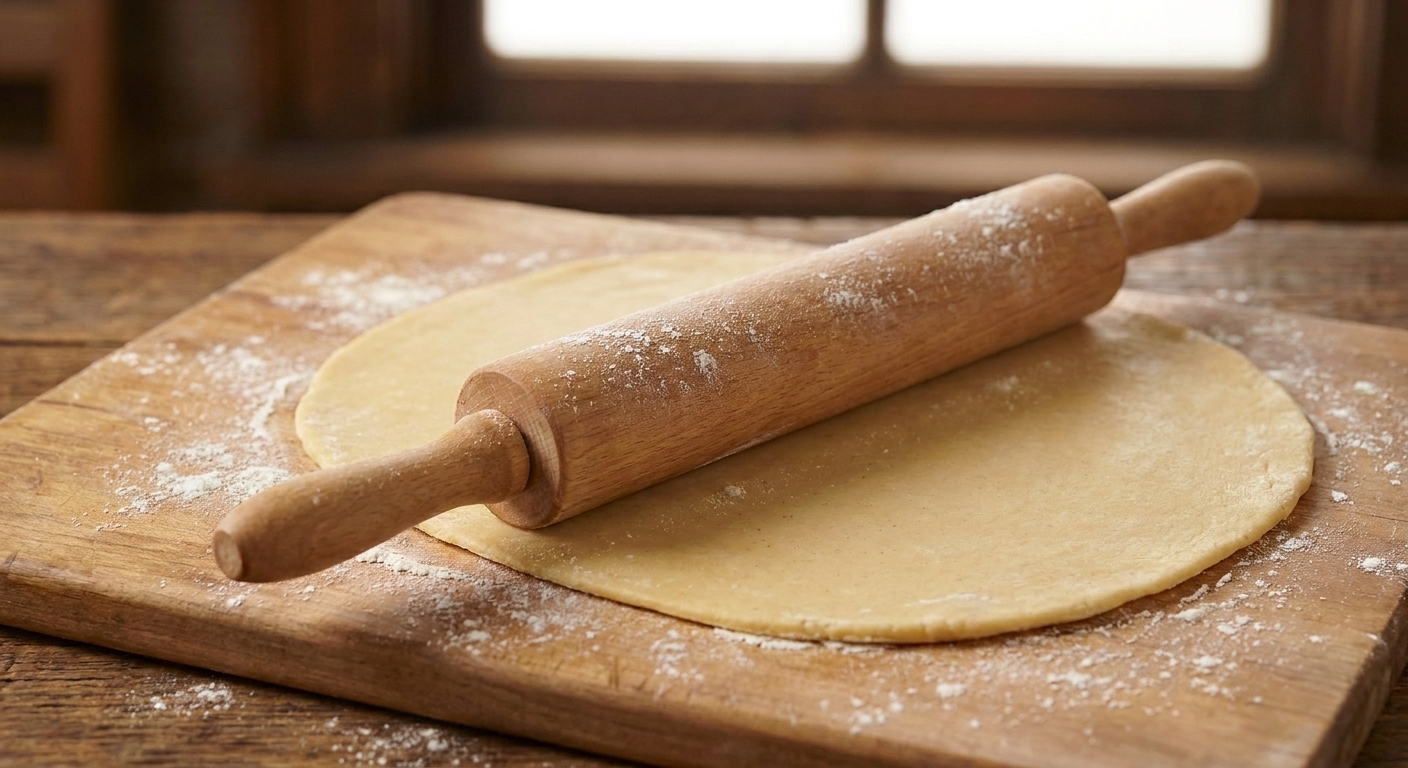
- The dough is rolled to the right thickness. Too thin and it tears or blows out. Too thick and it bakes up tough. A sweet spot of about 1/8 inch (3 mm) gives you strength plus tenderness.
- Sealing technique is built in. Slightly dampening the edge, avoiding overfilling, and pressing out air pockets helps the crimp stay closed in the oven or fryer.
- Cooling time protects the crust and your mouth. Resting lets the filling set and drop in temperature, so the crust stays crisp and you do not get burned.
Ingredient notes
Pumpkin
Use plain pumpkin puree, not pumpkin pie filling. Puree varies in moisture by brand, so you may need a little extra thickening time if it looks loose or glossy.
Spices
Cinnamon is the backbone. Ginger adds brightness. Nutmeg or clove is optional but cozy. If you only have pumpkin pie spice, you can use it, just taste the filling so it does not get overpowering.
Sugar
Brown sugar adds a caramel note that works beautifully with pumpkin. Granulated sugar is fine if that is what you have.
Fat for the dough
Butter gives a richer, bakery-style flavor. Shortening makes the dough a bit easier to handle and can fry very crisp. Either works.
Egg wash
For baked empanadas, egg wash helps with color and gives a lightly glossy finish. If you are frying, skip it.
Equipment you will need
- Mixing bowl
- Small saucepan (for thickening the filling)
- Rolling pin
- Round cutter (about 4 to 5 inches) or a bowl to trace
- Fork (for crimping) or your fingers for a braid-style seal
- Baking sheet and parchment (for baking)
- Heavy pot or Dutch oven and thermometer (for frying)
- Wire rack (helps keep the crust crisp as they cool)
Pro tips
- Roll the dough to about 1/8 inch (3 mm). If you can see the counter color through it, it is usually too thin for a wet filling.
- Make the filling thick, like soft cream cheese. It should mound on a spoon and hold its shape. If it slowly spreads into a puddle, cook it down a bit more.
- Cool the filling before assembling. Warm filling steams the dough from the inside, which leads to weak seams and soggy bottoms.
- Use less filling than you think. For a 4 to 5 inch round, start with about 1 to 1 1/2 tablespoons. Overfilling is the number one reason empanadas pop open.
- Seal, then crimp. First press the edge firmly to glue it shut, pushing out trapped air. Then crimp with a fork or do a traditional fold.
- Chill assembled empanadas 10 to 15 minutes if the dough feels soft. Colder dough holds its shape better and helps the crimp set.
- For frying, keep oil around 350°F (175°C). Too cool and they soak up oil. Too hot and the crust browns before the filling warms through.
- Let them cool at least 10 minutes. The filling will be extremely hot right out of the oven or oil.
Substitutes that work
- Sweet potato puree: Swap 1:1 for pumpkin for a slightly sweeter, silkier filling.
- Maple syrup: Replace some of the sugar with maple, but reduce the filling longer since maple adds liquid.
- Evaporated milk or cream: If your filling needs richness, add a small splash, then cook down until thick again.
- Store-bought dough: Refrigerated pie dough works in a pinch for baking. Keep rounds small and chill well, since it is more delicate. For frying, a simple empanada dough holds up better.
- Gluten-free: Use a trusted 1:1 gluten-free flour blend for the dough and add liquid gradually. Gluten-free dough benefits from extra chill time and gentle handling.
Variations
- Pumpkin cheesecake empanadas: Mix a little cream cheese into the cooled filling for tang and extra thickness.
- Chocolate pumpkin: Add mini chocolate chips to the filling once it is cool, so they do not melt and streak.
- Cinnamon sugar finish: Brush baked empanadas with melted butter and toss in cinnamon sugar.
- Glaze: Drizzle with a simple powdered sugar glaze once fully cool for a bakery-style look.
- Toasted pecan: Add finely chopped toasted pecans to the filling for crunch, but keep pieces small so they do not puncture the dough.
Serving ideas
- Serve warm, not hot, with coffee or chai.
- Add a scoop of vanilla ice cream next to a freshly baked empanada for a simple dessert plate.
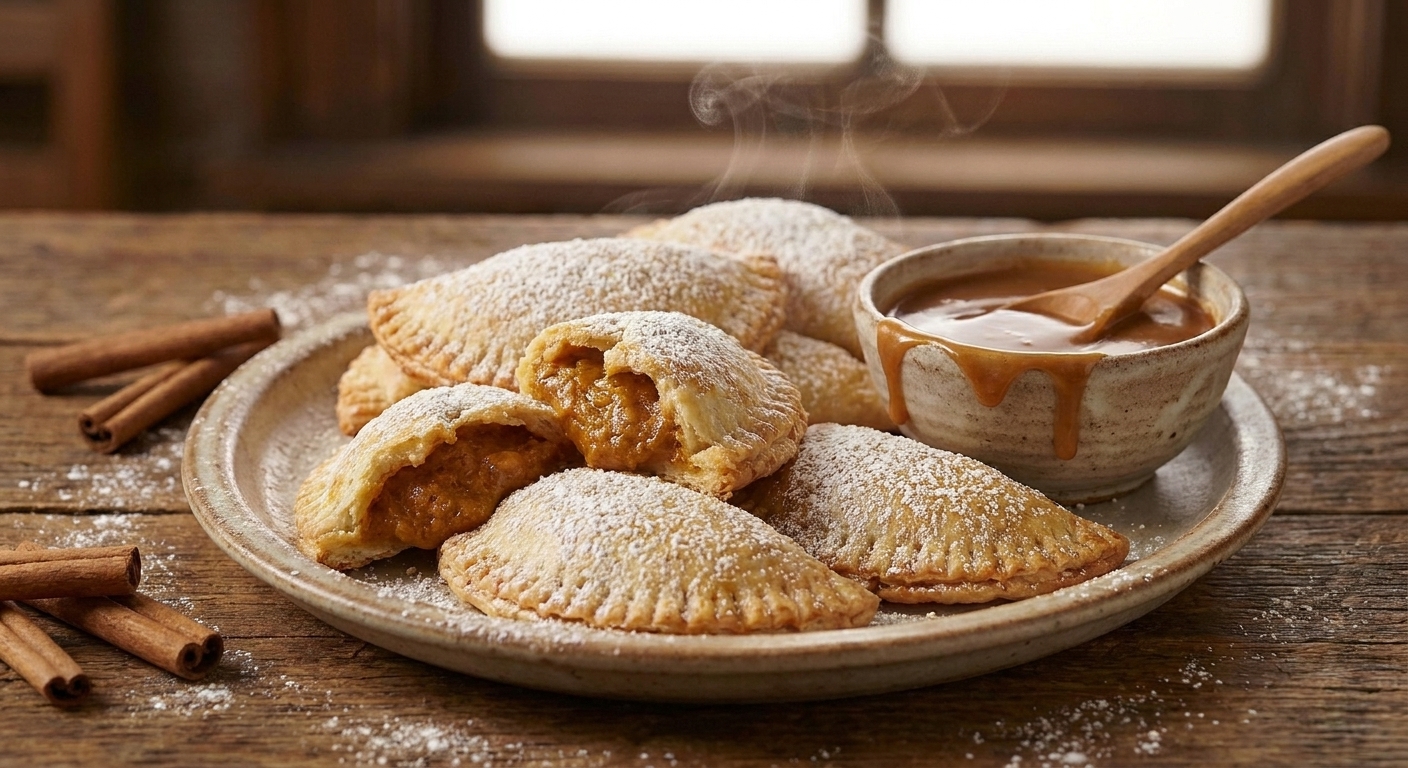
- For a party, make smaller empanadas and dust lightly with powdered sugar right before serving.
- Set out dipping options like dulce de leche or a lightly sweetened whipped cream.
Storage and reheating
Storing
Let empanadas cool completely, then store in an airtight container. They keep well at room temperature for a day, or in the refrigerator for a few days.
Freezing
You can freeze assembled, unbaked empanadas on a sheet pan until solid, then transfer to a freezer bag. Bake from frozen, adding a few extra minutes, or thaw in the refrigerator before frying for more even cooking.
Reheating
For best crispness, reheat in a 350°F (175°C) oven until warmed through. The microwave will warm them, but the crust will soften. If you must microwave, do a quick oven or air fryer crisp after.
Common mistakes
- Using watery filling: If the filling is loose, it will seep into the seam and act like glue remover. Thicken it and cool it before filling.
- Rolling too thin: Thin dough tears easily and will not support a heavy filling. Aim for about 1/8 inch (3 mm).
- Overfilling: Even a perfect crimp will fail if filling is pushing against it. Use a modest spoonful and leave a clean border.
- Skipping the edge moisture: A light brush of water or egg helps the dough bond. Do not soak it, just a thin film.
- Not venting baked empanadas: A small slit on top gives steam a place to escape, reducing blowouts.
- Biting too soon: The crust cools faster than the filling. Give them a few minutes so the inside is not scorching hot.
FAQ
Should pumpkin empanadas be baked or fried?
Both are great. Baking is simpler and lighter, with a crisp-tender crust. Frying gives the crunchiest shell and deeper browning. If you are new to sealing, baking is a little more forgiving.
How do I keep empanadas from opening in the oven?
Use thick, cooled filling. Do not overfill. Press out air before crimping. Make sure the edge is clean, with no filling smeared on it, then seal firmly and chill the shaped empanadas if the dough has warmed up.
How thick should I roll empanada dough?
For this pumpkin filling, about 1/8 inch (3 mm) is the sweet spot. It is thick enough to hold a seal and thin enough to bake or fry up tender.
Can I use fresh pumpkin instead of canned?
Yes, but you need to drain it well. Fresh pumpkin puree is often wetter than canned. Cook it down in a saucepan until thick and not watery, then cool completely before filling.
Why do my empanadas leak in the fryer?
Usually it is one of three things: the seal was not fully closed, the filling was too wet, or the oil was too hot and caused rapid bubbling that stressed the seam. Seal firmly, keep filling thick, and fry around 350°F (175°C).
The recipe
Pumpkin Empanadas
Individual pumpkin empanadas filled with a thick, warmly spiced pumpkin mixture and sealed in tender pastry. Bake for a golden, crisp finish or fry for extra crunch. The key is a thick filling, a 1/8-inch dough roll, and a short cool down before serving.
- Prep
- 35 minutes
- Cook
- 20 minutes
- Total
- 1 hour 10 minutes
- Yield
- 12 empanadas
Ingredients
- 2 1/2 cups all-purpose flour, plus more for dusting
- 1 tbsp granulated sugar
- 1 tsp fine salt
- 1 tsp baking powder
- 8 tbsp (1 stick) unsalted butter, cold and cubed
- 1 large egg
- 2/3 cup cold water, plus more as needed
- 1 tbsp white vinegar or apple cider vinegar
- 1 1/4 cups pumpkin puree (not pumpkin pie filling)
- 1/3 cup packed light brown sugar
- 1 tsp ground cinnamon
- 1/2 tsp ground ginger
- 1/4 tsp ground nutmeg or ground cloves (optional)
- 1/4 tsp fine salt
- 1 tsp vanilla extract
- 1 tbsp cornstarch (use more only if needed to thicken)
- 1 large egg, beaten with 1 tbsp water (egg wash, for baking only)
- Neutral oil for frying (for frying method only)
Instructions
- Make the filling: In a small saucepan over medium heat, combine pumpkin puree, brown sugar, cinnamon, ginger, optional nutmeg or cloves, and salt. Cook, stirring constantly, until the mixture looks thicker and steamy and no watery liquid is pooling, 3 to 6 minutes. Stir in vanilla. Sprinkle in cornstarch and cook 1 minute more, stirring, until the filling is thick enough to mound on a spoon. Scrape into a bowl and cool completely, 30 to 45 minutes. (Speed it up in the fridge, but do not assemble while warm.)
- Mix the dough: In a large bowl, whisk flour, sugar, salt, and baking powder. Cut in the cold butter until you have pea-size pieces and some sandy bits.
- Add liquids: In a small cup, whisk 1 egg, cold water, and vinegar. Pour into the flour mixture and stir with a fork until a shaggy dough forms. If it is dry, add 1 to 2 tbsp water at a time just until it comes together. Knead gently in the bowl 30 to 60 seconds until smooth.
- Rest the dough: Flatten into a disk, wrap, and refrigerate 30 minutes. This makes it easier to roll and helps the crust bake or fry tender.
- Roll to the right thickness: Lightly flour your surface. Roll the dough to about 1/8 inch (3 mm) thick. Cut 4 to 5 inch circles, rerolling scraps as needed. Keep circles covered with a towel so they do not dry out.
- Fill: Place about 1 to 1 1/2 tbsp cooled filling in the center of each circle, leaving a clean 1/2 inch border. Avoid smearing filling onto the edge.
- Seal and crimp: Lightly moisten the edge with water. Fold into a half-moon and press firmly to seal, pushing out any trapped air. Crimp with a fork or fold the edge to make a braid. Place shaped empanadas on a parchment-lined baking sheet. If the dough feels soft, chill 10 to 15 minutes.
- Choose your cooking method:
- To bake: Heat oven to 400°F (205°C). Cut a small vent slit on top of each empanada. Brush with egg wash. Bake until deep golden and crisp, 18 to 22 minutes.
- To fry: In a heavy pot, heat 1 1/2 to 2 inches neutral oil to 350°F (175°C). Fry empanadas in batches, turning once, until golden brown, 2 to 4 minutes total. Drain on a wire rack.
- Cool before eating: Let empanadas cool at least 10 minutes before biting. The filling stays very hot and will continue to set as it cools.
Notes
Filling moisture matters: Your filling should be thick like soft cream cheese. If it looks loose after cooling, return it to the saucepan and cook it down another 2 to 3 minutes, then cool again. A wet filling is the fastest path to leaking seams.
Dough thickness: Aim for about 1/8 inch (3 mm). Thinner dough can tear, especially if you fry. Thicker dough can turn bready and make sealing harder.
Make-ahead: You can make the filling up to 3 days ahead and keep it refrigerated. Let it come to cool room temperature so it is easy to scoop. You can also freeze unbaked empanadas and bake from frozen, adding a few extra minutes.