
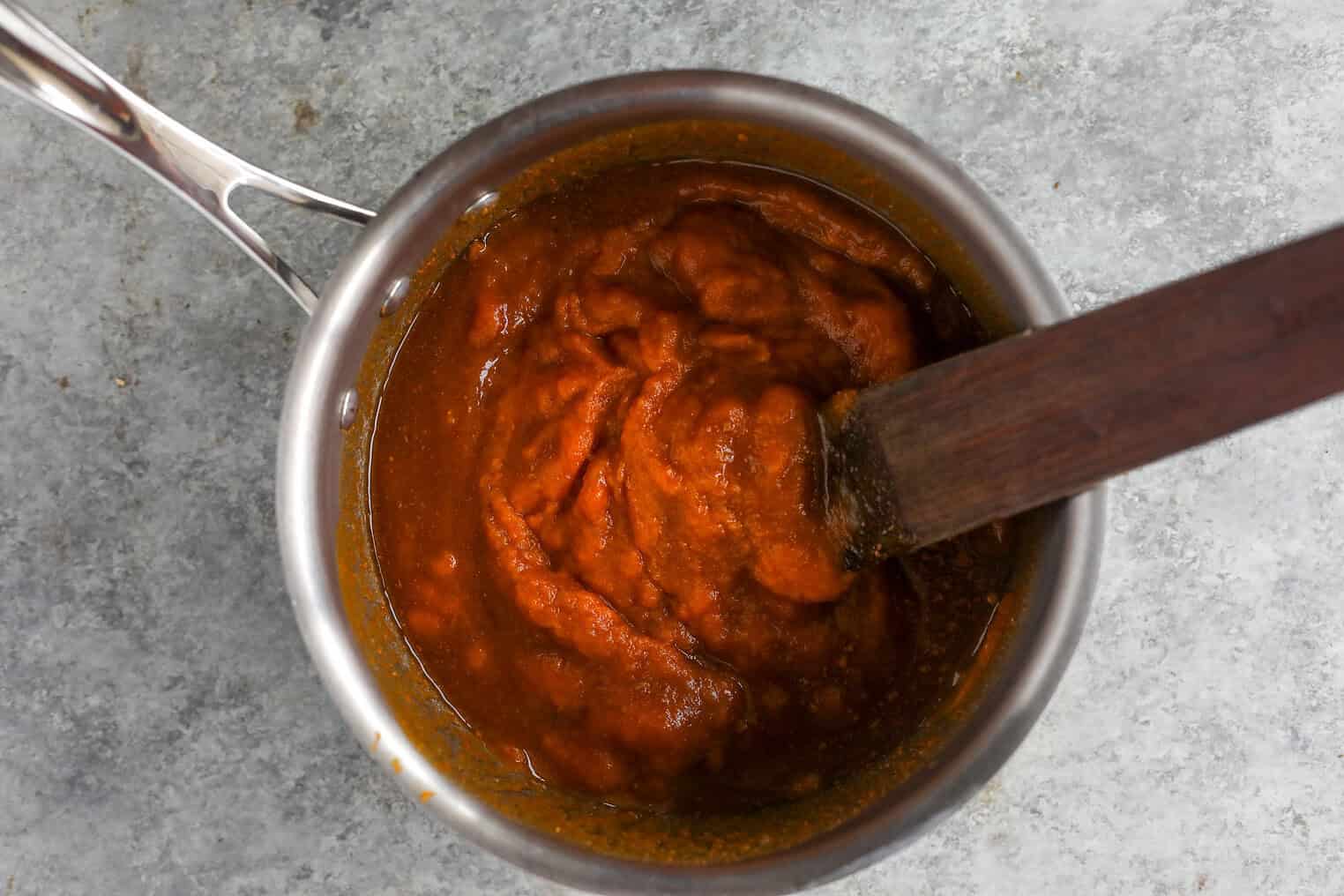
Whenever I crack open a standard can of pumpkin puree, I immediately hear my old bakery manager brain whispering: you can do more with this than just bread. Pumpkin butter is one of my favorite answers. It is cozy, deeply spiced, and thick enough to mound on a spoon without slumping into a puddle.
The stovetop method is wonderfully low-tech: you simmer pumpkin puree with sugar, apple cider for brightness, and warm spices until the water cooks off and the flavors concentrate. The reward is that jammy, spreadable texture you can swipe on toast, fold into yogurt, or spoon onto pancakes like a little autumn shortcut.
If you are using this recipe, the ratio is simple: one 15 ounce can of pumpkin puree, brown sugar, apple cider, lemon, and a cozy mix of cinnamon, ginger, and a small pinch of cloves. If you are using another pumpkin butter recipe, the doneness cues below still apply.

Because pumpkin butter is a reduced spread (not a quick syrup), the real skill here is knowing when it is done. I will walk you through simple cues, like how it moves when you stir and how it behaves on a chilled plate. Then we will talk about cooling in jars and exactly how to store it in the fridge so it stays fresh and safe.
One standard 15 ounce can of pumpkin puree yields about 1 1/2 cups pumpkin butter, depending on how long you reduce it.
What pumpkin butter tastes like
Think of pumpkin butter as the concentrated essence of pumpkin pie spice and caramelized pumpkin, with a gentle tang from apple cider and lemon. It is sweet, but not candy sweet, and the texture is smooth, thick, and spoonable.
As it cooks, the pumpkin darkens slightly and the spices bloom. That slow simmer takes the puree from “canned pumpkin” to something that tastes intentionally made.
How to tell pumpkin butter is done
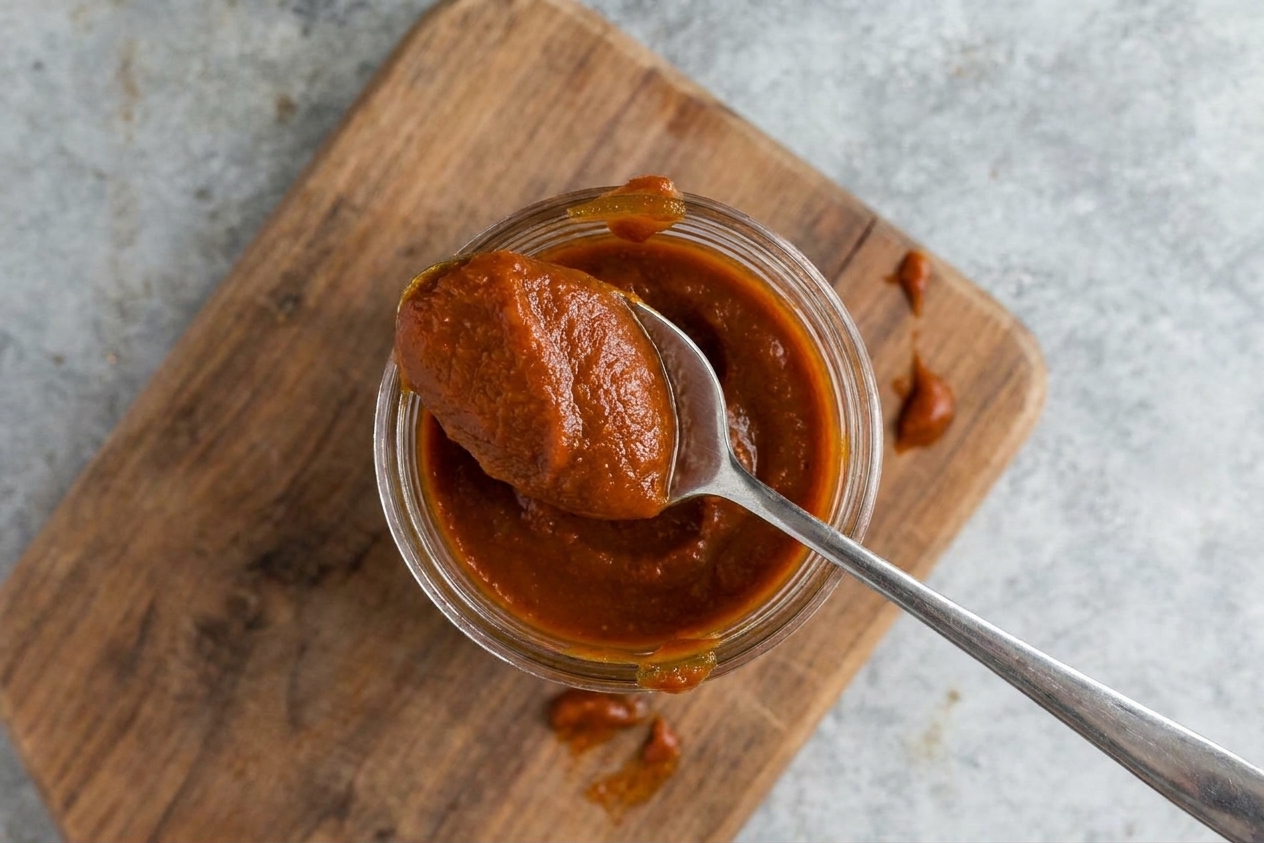
The biggest question I get is, “How thick should it be?” You are aiming for a spread that holds its shape on a spoon, like soft jam. Here are the cues I trust:
- It mounds on a spoon. When you lift a spoonful, it should slowly slump, not pour.
- The stir trail holds. Drag your spoon through the pot. The line should stay visible for a second or two before gently filling in.
- It spits a little. Once most of the water has cooked off, the butter can sputter like bubbling lava. Reduce the heat to low, stir very frequently near the end, and use a splatter screen if you have one.
- The cold plate test. Put a small plate in the freezer for 5 minutes. Dab on a little pumpkin butter, wait 30 seconds, then run your finger through it. It should part cleanly and feel thick, not watery.
Remember that pumpkin butter thickens more as it cools, so stop cooking when it is slightly looser than your final goal.
Cooling and storage
This is the part people skip, and it matters. The goal is to cool the pumpkin butter quickly enough for food safety, and cleanly enough that you are not introducing extra moisture that can shorten its life.
Cooling in jars
Spoon the hot pumpkin butter into clean jars. Leave the lids off while it cools at room temperature briefly, just until it is no longer steaming and the outside of the jar feels warm, not hot (about 30 to 60 minutes). Then wipe the rims, cap, and refrigerate.
That uncovered cooling step is not fussy. It keeps trapped steam from turning into condensation under the lid, which can drip back down and water-log the surface.
Refrigerator
Store pumpkin butter in the fridge in a tightly sealed jar and use it within 7 to 10 days. Always use a clean spoon. Crumbs from toast are the fastest way to turn a perfect jar into a “what is that fuzzy spot” situation.
Freezer
If you want to keep it longer, pumpkin butter freezes well. Freeze in a freezer-safe container with a little headspace for expansion. Thaw overnight in the refrigerator and stir to bring it back to a smooth, glossy spread.
Canning note
This recipe is meant for refrigerator and freezer storage. USDA and the National Center for Home Food Preservation do not recommend home canning pumpkin butter (water-bath or pressure) because its density and variable acidity make reliable, safe processing times difficult.
Why this recipe works
- Reduction does the heavy lifting. Simmering drives off excess water so the puree becomes glossy and concentrated, with a true spread texture.
- Apple cider adds lift. Pumpkin is naturally earthy and mellow. A little cider brings acidity and fruitiness so the flavor tastes brighter, not flat.
- Warm spices bloom in the pot. Gentle simmering gives cinnamon, ginger, and cloves time to fully perfume the mixture.
- Clear doneness cues prevent overcooking. Using the spoon test and cold plate test helps you land on “spoonable” instead of scorched or soupy.
Ingredient notes
- Pumpkin puree: Use plain canned pumpkin puree, not pumpkin pie filling. A standard 15 ounce can is perfect for this recipe and yields about 1 1/2 cups, depending on reduction.
- Brown sugar: Adds caramel notes and a deeper color. Light or dark brown sugar both work.
- Apple cider or apple juice: Cider gives the best flavor. Unsweetened apple juice works in a pinch.
- Lemon juice: A small amount sharpens the flavor and balances sweetness.
- Spices: Cinnamon is the base. Ginger adds warmth. Cloves are powerful, so keep them modest. Nutmeg is optional but lovely.
- Salt and vanilla: Salt makes pumpkin taste more like itself. Vanilla rounds everything out, especially once the mixture cools.
Equipment you will need
- Wide, heavy-bottomed saucepan or Dutch oven: A wider pot increases evaporation, helping it thicken faster and more evenly.
- Wooden spoon or heat-safe spatula: You will be stirring regularly, especially near the end.
- Splatter screen (optional but helpful): Pumpkin butter can sputter as it thickens.
- Clean jars with lids: For cooling and fridge storage. I like two 8 ounce jars or one 16 ounce jar.
- Funnel (optional): Makes transferring easier and cleaner.
Pro tips
- Start medium, finish low. Begin with a steady simmer to evaporate moisture, then lower the heat once it thickens to prevent scorching.
- Stir the bottom and corners. Pumpkin likes to stick where the pot meets the side. Scrape those spots often.
- Taste at the end. Spices intensify as it reduces. Wait until the final 5 minutes to decide if you want a pinch more cinnamon or salt.
- Stop a touch early. Pumpkin butter thickens noticeably as it cools. If you cook it until it looks fully finished while piping hot, it can set up too stiff once cold.
- Cool safely in jars. Transfer hot pumpkin butter to clean jars, let it cool uncovered just until no longer steaming (about 30 to 60 minutes), then cap and refrigerate. This prevents trapped steam from dripping into the jar and thinning the top layer.
Substitutes that work
- Sweetener: Swap brown sugar for granulated sugar (cleaner sweetness) or maple syrup (more fluid, may take longer to reduce). If using honey, keep the heat gentle to avoid harsh flavors.
- Apple cider: Use unsweetened apple juice, or a mix of water and a tablespoon of apple cider vinegar for tang.
- Spice shortcut: Replace the individual spices with pumpkin pie spice. Start with 2 teaspoons, then adjust to taste near the end.
- Vanilla: If you do not have vanilla extract, skip it. The butter will still be delicious.
Variations
- Bourbon pumpkin butter: Stir in 1 to 2 teaspoons bourbon at the very end, off the heat.
- Chai-spiced: Add a small pinch of cardamom and black pepper along with the cinnamon and ginger.
- Less sweet: Reduce the sugar slightly, but know that less sugar can mean a softer set and a shorter fridge life.
- Extra tang: Add an additional teaspoon of lemon juice at the end for a brighter, more fruit-forward spread.
Serving ideas
- Swirl into plain Greek yogurt with granola.
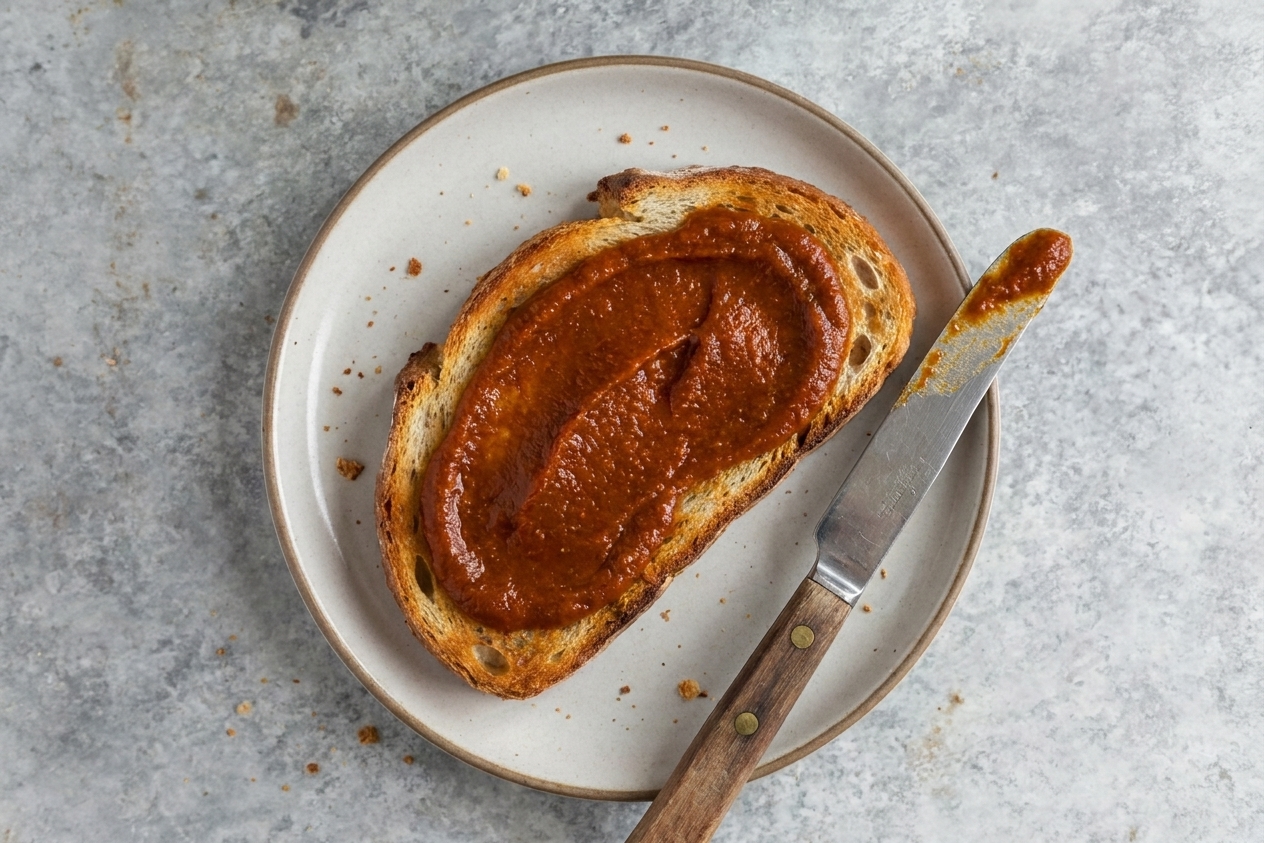
- Spread on toast, English muffins, or warm biscuits.
- Spoon onto pancakes or waffles instead of syrup.
- Use as a filling layer for cakes or sandwich cookies.
- Stir into oatmeal with chopped pecans.
- Pair with a cheese board, especially with sharp cheddar or creamy brie.
Storage and reheating
Cooling in jars
For the best texture, transfer the hot pumpkin butter to clean jars while it is still warm. Let it cool at room temperature uncovered just until it stops steaming and the jars feel warm, not hot (about 30 to 60 minutes). Then wipe the rim, add the lid, and refrigerate. This keeps condensation from forming under the lid and dripping back onto the surface.
Refrigerator
Store pumpkin butter in the fridge in a tightly sealed jar and use within 7 to 10 days. Always use a clean spoon to avoid introducing crumbs or bacteria.
Freezer
For longer storage, freeze in a freezer-safe jar or container with a little headspace for expansion. Thaw overnight in the fridge and stir well before using.
Important note on canning
This recipe is intended for refrigerator or freezer storage. USDA and the National Center for Home Food Preservation do not recommend home canning pumpkin butter (water-bath or pressure) because density and variable acidity make safe processing times unreliable.
Common mistakes
- Using pumpkin pie filling: It is already sweetened and spiced, so your butter can turn overly sweet and unbalanced.
- Cooking too hot: High heat can scorch the bottom before enough water evaporates. Keep it at a gentle simmer.
- Not stirring near the end: As it thickens, it needs more attention. The last 10 minutes are when sticking happens fastest.
- Judging thickness while it is boiling hard: Bubbling can make it look thicker than it is. Use the spoon trail and cold plate test.
- Capping jars while steaming: Trapped steam becomes condensation, which can water down the surface and shorten shelf life.
FAQ
Is pumpkin butter the same as pumpkin puree?
No. Pumpkin puree is cooked pumpkin with a lot of water still in it. Pumpkin butter is puree cooked down with sugar and spices until thick, glossy, and spreadable.
Why is my pumpkin butter watery?
It just needs more reduction time. Simmer uncovered and stir often. Also note that some brands of puree are looser than others, which can add a few minutes to the cook time.
Why is it bubbling and spitting?
That is normal as it thickens and moisture evaporates. Turn the heat down low, stir more frequently near the end, and use a splatter screen if you have one.
Can I make it without sugar?
You can reduce the sugar, but fully sugar-free pumpkin butter will be less jammy and can taste a bit flat. If you want to experiment, add sweetness gradually at the end and expect a softer texture.
How much does this make from one can?
From one standard 15 ounce can of pumpkin puree, you will get about 1 1/2 cups of pumpkin butter, depending on how far you reduce it.
The recipe
Homemade Pumpkin Butter
A cozy, stovetop pumpkin butter cooked down with brown sugar, apple cider, and warm spices until thick and spoonable. Makes about 1 1/2 cups from one 15 ounce can of pumpkin puree.
- Prep
- 5 minutes
- Cook
- 30 to 40 minutes
- Total
- 40 to 45 minutes
- Yield
- About 1 1/2 cups
Ingredients
- 1 (15 ounce) can pumpkin puree (about 1 3/4 cups)
- 3/4 cup packed brown sugar (light or dark)
- 1/2 cup apple cider (or unsweetened apple juice)
- 1 tablespoon lemon juice
- 1 1/2 teaspoons ground cinnamon
- 1/2 teaspoon ground ginger
- 1/8 teaspoon ground cloves
- 1/8 teaspoon ground nutmeg (optional)
- 1/4 teaspoon fine salt
- 1 teaspoon vanilla extract
Instructions
- Combine. In a wide, heavy-bottomed saucepan or Dutch oven, whisk together the pumpkin puree, brown sugar, apple cider, lemon juice, cinnamon, ginger, cloves, nutmeg (if using), and salt until smooth.
- Bring to a simmer. Set over medium heat and bring to a gentle simmer, stirring frequently as it warms so the sugar dissolves and nothing sticks on the bottom.
- Reduce. Lower heat to medium-low to maintain a steady, gentle simmer. Cook uncovered, stirring every few minutes, until thickened, 25 to 35 minutes. As it gets thicker, stir more often and scrape the bottom and corners well.
- Check doneness. The pumpkin butter is done when it is glossy and spoonable: it mounds on a spoon, and when you drag a spoon through the pot, the trail holds for a moment before slowly filling in. For extra confidence, do a cold plate test: dab a little on a chilled plate, wait 30 seconds, then run your finger through it. It should part cleanly and feel thick, not watery.
- Add vanilla. Remove from heat and stir in the vanilla extract.
- Jar and cool. Spoon the hot pumpkin butter into clean jars. Let cool at room temperature uncovered until no longer steaming and the jars feel warm, not hot (about 30 to 60 minutes). Then wipe rims, cap, and refrigerate.
Notes
Yield: About 1 1/2 cups pumpkin butter from one 15 ounce can of pumpkin puree, depending on reduction.
Texture tip: Pumpkin butter thickens as it cools. Stop cooking when it is slightly looser than your final goal.
Storage: Refrigerate and use within 7 to 10 days, or freeze for longer storage.
Canning note: This recipe is not intended for shelf-stable canning. USDA and the National Center for Home Food Preservation do not recommend home canning pumpkin butter (water-bath or pressure) because density and variable acidity make safe processing times unreliable.