
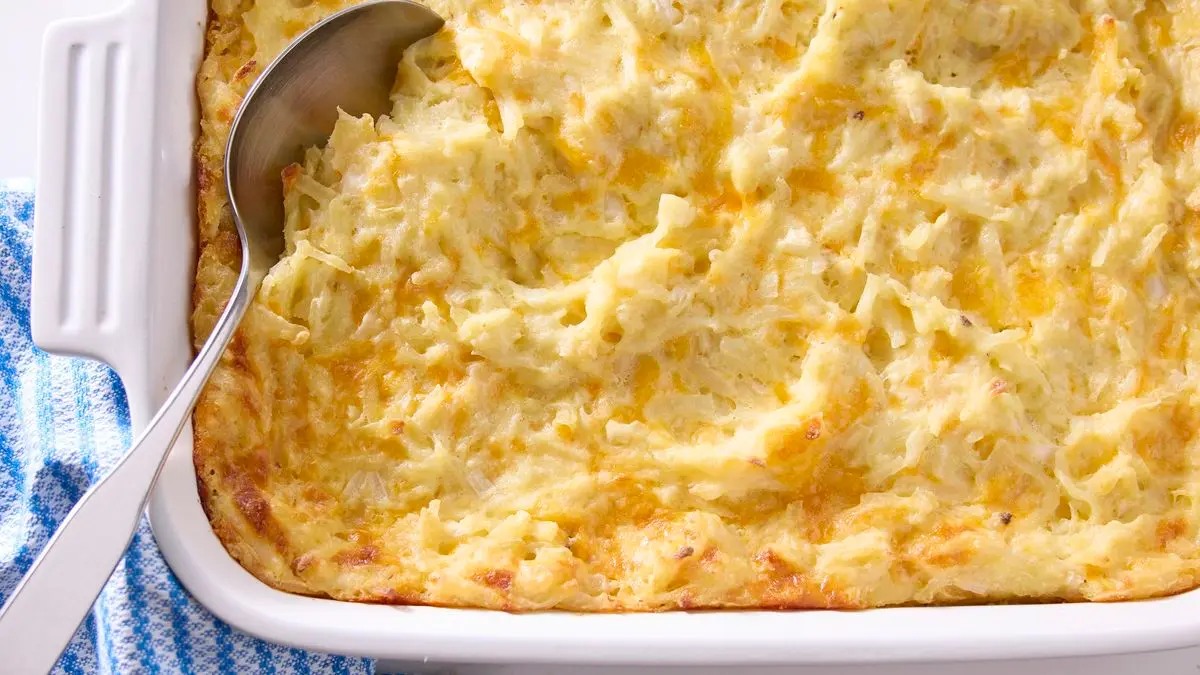
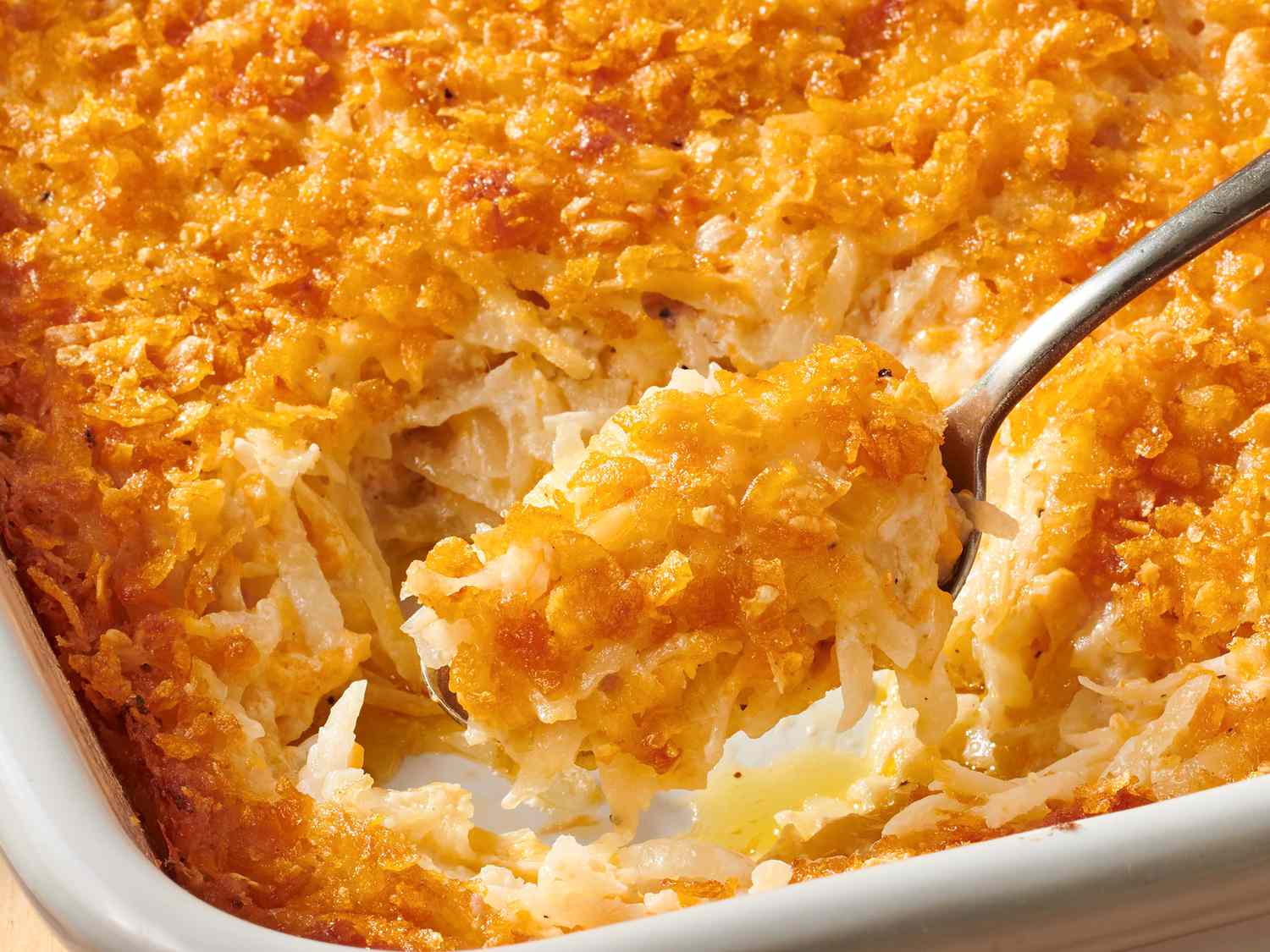
Cheesy potato casserole is one of those recipes I keep in my back pocket for the nights when I need dinner to feel like a hug. It’s forgiving, it feeds a crowd, and it welcomes little pantry improvisations like an old friend. The goal is simple: tender potatoes coated in a creamy, cheesy sauce, then baked until the edges bubble and the top turns crisp and golden.
If you’ve ever had a casserole come out watery, grainy, or bland, you’re not alone. Potatoes hold a lot of moisture, and cheese can go grainy or tighten up if it gets too hot. Seasoning also tends to get lost in all that creaminess. This version is steady and reliable, with a few small technique choices that make it taste extra special without extra work.

Why this recipe works
- Starchy potatoes for a creamy set: Russets are the classic because they soften beautifully and help thicken the sauce as they bake.
- A sauce that’s thick before it bakes: Starting with a lightly thickened base (a quick roux) keeps the casserole from turning soupy.
- Cheese in two jobs: Some melts into the sauce for flavor. A little on top gives you that browned, bubbly finish.
- Salt at every step: Potatoes need more salt than you think. Season the sauce and the potato layers, not just the top.
Ingredient notes
This is the dependable, from-scratch route. You can absolutely take shortcuts when you need to, but these notes help you get the best texture and flavor with normal grocery store staples.
- Potatoes: 3 pounds russet potatoes, peeled or unpeeled, thinly sliced (about 1/8 inch).
- Butter: Unsalted butter for the sauce, plus a little for the dish.
- Onion (optional but recommended): Use a small yellow onion, finely diced. Onion powder also works.
- Garlic: Fresh minced garlic or garlic powder both work.
- Flour: All-purpose flour thickens the sauce so the casserole does not turn soupy.
- Dairy: Whole milk + sour cream (or Greek yogurt). You can swap some milk for half-and-half for extra richness.
- Cheese: Sharp cheddar for flavor, with a portion reserved for the top. Monterey Jack or mozzarella is optional for extra melt. Shredding your own is smoother.
- Seasoning: Kosher salt amounts differ by brand (Diamond Crystal vs Morton). Black pepper and an optional pinch of smoked paprika or cayenne add warmth.
- Topping: Crushed cornflakes or panko breadcrumbs tossed with melted butter. Ritz crackers also work.
Equipment you will need
- 9x13-inch baking dish: Buttered before assembling.
- Medium pot: For the roux-based cheese sauce.
- Whisk: To keep the sauce smooth while adding milk.
- Mandoline (optional): Helpful for evenly slicing potatoes to about 1/8 inch.
- Foil: To cover the casserole for the first part of baking.
- Knife: For checking doneness; it should slide through the center with little to no resistance.
- Thermometer (optional): For reheating checks; 165°F in the center if you want to temp it.
Pro tips
- Slice evenly: Aim for about 1/8 inch so everything cooks at the same rate (a mandoline helps).
- Prevent browning without adding water: If you are moving slowly, hold sliced potatoes in cold water, then drain and pat very dry before layering.
- Thicken the sauce first: Simmer the milk mixture 2 to 3 minutes until lightly thickened before adding cheese.
- Keep heat low for cheese: Melt cheese gently (off the burner if needed) to avoid graininess.
- Check the center, not just edges: Look for bubbling in the middle and test the center for tenderness.
- Rest before serving: Let the casserole rest 10 minutes so it sets up and slices neatly.
- Pan material matters: Glass or thick ceramic can run longer; start checking around the 65 to 70 minute mark and keep going until center potatoes are truly tender.
Substitutes that work
This casserole is built for real life. Here are the substitutions that work well.
Potatoes
- Yukon Gold: Slightly firmer and naturally buttery; they hold their shape more. You may need 5 to 10 extra minutes of bake time.
- Hash browns (thawed): A great shortcut. Reduce bake time slightly and expect a softer, scoopable texture.
Dairy
- No sour cream? Use Greek yogurt, cream cheese (thin with a splash of milk), or cottage cheese blended smooth.
- Want it richer? Swap 1 cup of milk for half-and-half.
Cheese
- Sharp cheddar + Gruyère: Classic and holiday-friendly.
- Pepper Jack: Adds a gentle kick.
- Smoked cheddar: Use a small portion for a big smoky boost.
Topping
- Ritz crackers: Work in place of cornflakes or panko.
Variations
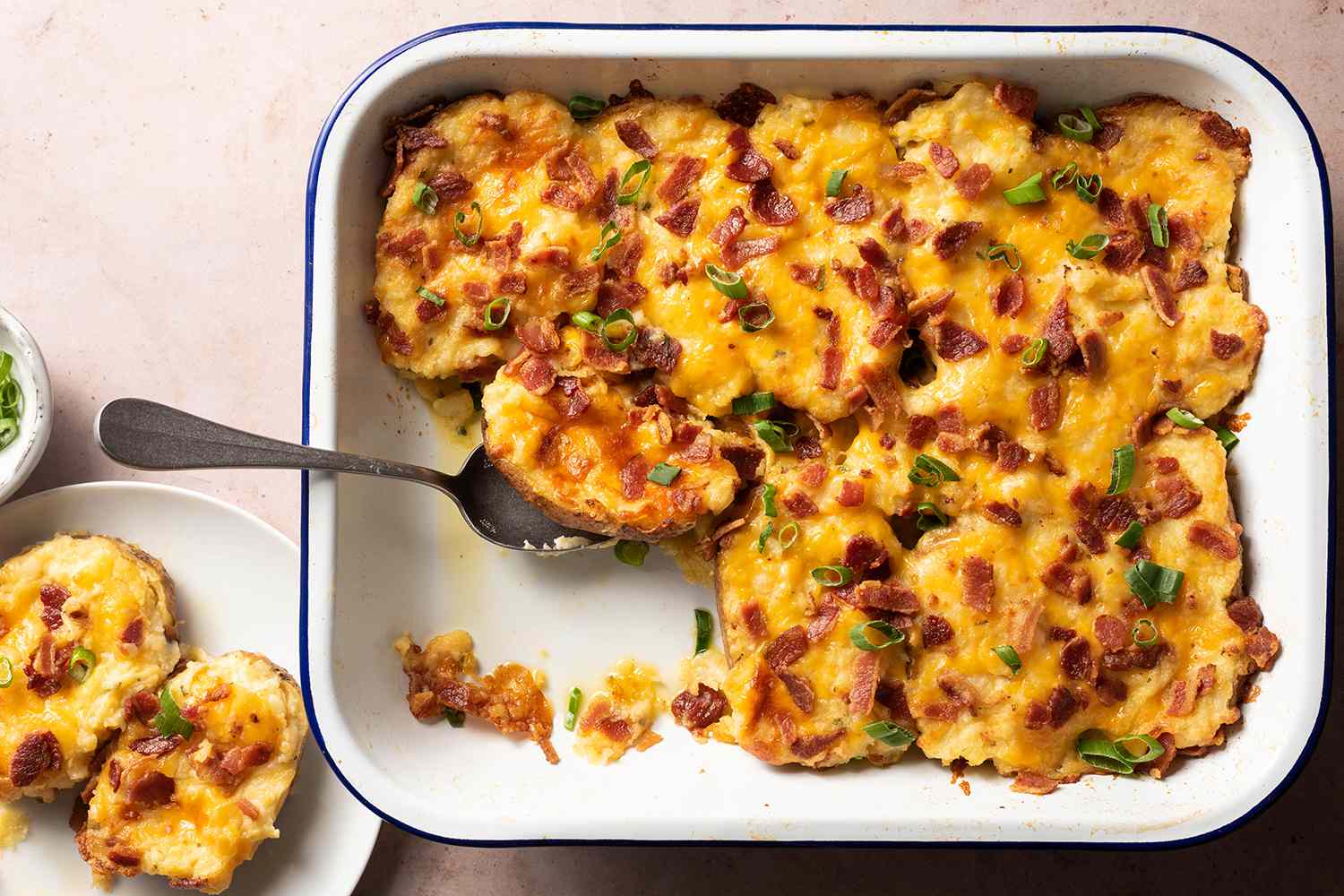
- Protein: Add crumbled cooked bacon, diced ham, or shredded rotisserie chicken.
- Vegetables: Add sautéed mushrooms, wilted spinach (squeezed very dry), or steamed broccoli cut small.
- Herbs: Stir chives, thyme, or parsley into the sauce right before assembling.
- Extra cheesy: Add 1/2 cup more cheddar inside the sauce, but keep the heat low and melt off the burner to prevent a grainy texture.
Serving ideas
This is a bold, creamy side, so pairing it with something crisp, fresh, or tangy helps balance the richness.
- Roasted or grilled protein: chicken, pork chops, steak, or baked salmon.
- Bright vegetables: roasted green beans, a lemony salad, or sautéed broccoli with garlic.
- Holiday classics: ham, turkey, or brisket, plus something acidic like pickles or cranberry sauce.
Storage and reheating
Make ahead
Assemble the casserole completely, but leave off the crunchy topping. Cover and refrigerate up to 24 hours. When you’re ready to bake, let the dish sit at room temperature for 20 to 30 minutes while the oven heats. Bake covered as directed, then add topping for the uncovered portion.
If baking straight from the fridge: It often needs a little extra time. Add 10 to 20 minutes to the covered bake, then proceed uncovered and keep checking for a fully tender center.
Freezing
You can freeze it, but potatoes can soften a bit more after thawing. For best texture, freeze before baking and without the topping. Let everything cool completely first, then wrap tightly. Thaw in the fridge 24 to 48 hours, then bake. Add the topping near the end so it stays crisp.
Storing leftovers
Refrigerate leftovers in an airtight container for up to 4 days. Don’t leave the casserole sitting out for more than 2 hours (less if it’s very warm in your kitchen).
Reheating
- Oven (best for crisp topping): 350°F, covered for 15 minutes, then uncover 5 to 10 minutes. Heat until hot throughout (165°F in the center if you want to temp it).
- Microwave: Works fine for weeknights. The topping softens, so add a quick sprinkle of fresh panko or a few crushed crackers if you want some crunch back. Reheat until steaming hot (165°F if checking).
Common mistakes
- Watery casserole: Potatoes were not dried after soaking, very wet add-ins were used (like spinach that wasn’t squeezed dry), the sauce was not thick enough before baking, or it was served too hot without resting 10 to 15 minutes.
- Hard potatoes: Slices were too thick or uneven (aim for 1/8 inch), or the casserole needed more time. Cover with foil and keep baking in 10-minute increments until a knife slides through the center easily.
- Grainy sauce: Heat was too high when cheese was added, or pre-shredded cheese affected melting due to anti-caking agents. Keep heat low and melt gently, off the burner if needed.
- Under-salting: Potatoes need more salt than you think. Season the sauce and the layers, not just the top.
FAQ
Why is it watery?
- Potatoes weren’t dried after soaking, or you used very wet add-ins (like spinach that wasn’t squeezed dry).
- The sauce wasn’t thick enough before baking.
- It was served too hot. Let it rest 10 to 15 minutes so the starches set.
Why are the potatoes still hard?
- Slices were too thick or uneven. Aim for 1/8 inch.
- The casserole was packed tight and needed more time. Cover with foil and keep baking in 10-minute increments until a knife slides through the center easily.
Why is the sauce grainy?
- The heat was too high when the cheese was added. Keep it low and melt gently off the burner if needed.
- Pre-shredded cheese sometimes has anti-caking agents that affect melting. It still works, but shredding your own is smoother.
Rule of thumb: if the sauce tastes a little too salty on the spoon, it’ll taste perfect once it coats three pounds of potatoes. Still, taste and adjust, because salt levels vary by brand and by preference.
The recipe
Cheesy Potato Casserole
Tender thin-sliced potatoes baked in a creamy roux-thickened cheese sauce, finished with a crunchy buttered cornflake (or panko) topping. Bakes at 375°F until bubbling in the middle and the center potatoes are knife-tender.
- Prep
- 25 minutes
- Cook
- 65 to 85 minutes
- Total
- 1 hour 40 minutes to 1 hour 50 minutes
- Yield
- 10 to 12 servings
Ingredients
- 3 lb russet potatoes, thinly sliced (about 1/8 inch)
- 4 tbsp unsalted butter, plus more for the baking dish
- 1 small yellow onion, finely diced (optional)
- 2 garlic cloves, minced
- 3 tbsp all-purpose flour
- 2 cups whole milk
- 1/2 cup sour cream (or Greek yogurt)
- 2 1/2 cups shredded sharp cheddar, divided
- 1/2 cup shredded Monterey Jack or mozzarella (optional)
- 1 1/2 tsp kosher salt (Diamond Crystal; use about 1 1/4 tsp Morton)
- 1/2 tsp black pepper
- Pinch smoked paprika or cayenne (optional)
- 1 1/2 cups crushed cornflakes or panko
- 2 tbsp melted butter (for topping)
Instructions
- Heat oven to 375°F. Butter a 9x13-inch baking dish. If potatoes are sliced ahead, hold them in cold water, then drain and pat very dry.
- Melt 4 tablespoons butter in a pot over medium heat. Add onion and cook until softened, 4 to 5 minutes. Add garlic and cook 30 seconds.
- Stir in flour and cook 1 minute. Slowly whisk in milk until smooth. Simmer 2 to 3 minutes until lightly thickened.
- Turn heat to low. Stir in sour cream, salt, pepper, and paprika. Remove from heat and stir in 2 cups of the cheddar (plus the optional Monterey Jack) until melted and smooth.
- Layer half the potatoes in the dish, spoon over half the sauce. Repeat. Sprinkle remaining 1/2 cup cheddar on top.
- Toss crushed cornflakes or panko with 2 tablespoons melted butter and sprinkle over the top.
- Cover tightly with foil and bake 45 minutes. Uncover and bake 20 to 40 minutes more, until a knife slides easily through the center and you see bubbling in the middle. Rest 10 minutes before serving.
Notes
- Make-ahead: Assemble without topping, refrigerate up to 24 hours. If baking straight from the fridge, add 10 to 20 minutes to the covered bake time, then continue uncovered and check the center for tenderness.
- Extra cheesy: Add 1/2 cup more cheddar inside the sauce, but keep the heat low and melt off the burner to prevent a grainy texture.
- Shortcut: Use thawed frozen hash browns. Bake time may be shorter.
- Food safety: Cool completely before freezing. Reheat leftovers until 165°F in the center.
- If your sauce looks grainy: The heat was probably a bit high when the cheese went in, or the cheese was extra aged. Pull it off the burner, whisk gently, and it often smooths out as it cools slightly.
- Pan note: If you’re using a glass or thick ceramic dish, plan on it running a bit longer. Start checking around the 65 to 70 minute mark and keep going until the center potatoes are truly tender.
Nutrition
- Calories: 340
- Fat: 18 g
- Carbs: 34 g
- Protein: 12 g
- Fiber: 3 g
- Sugar: 4 g
- Sodium: 420 mg
Nutrition values are approximate and will vary by ingredient brands, potato size, and serving size.