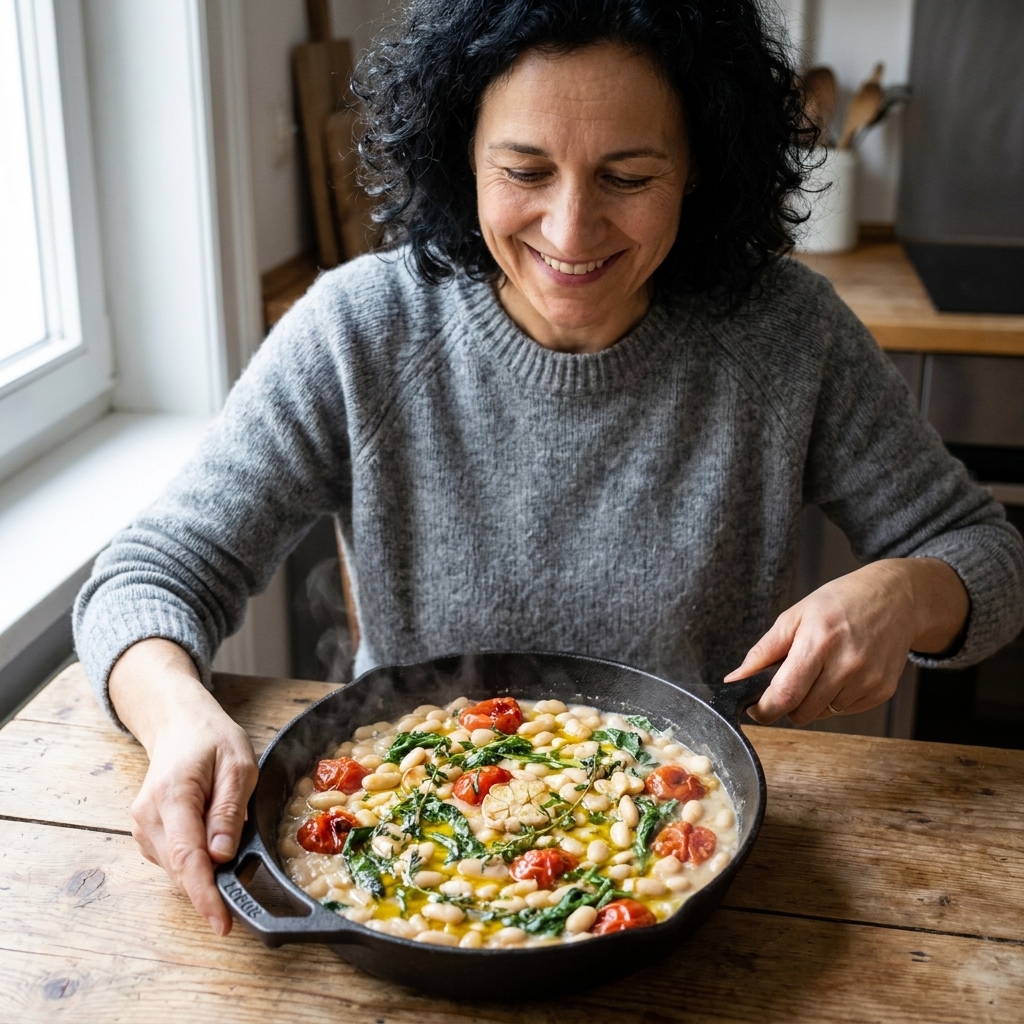
12 elegant, filling bean dinners made from canned beans. Smart techniques, big flavor, and weeknight-friendly steps with easy swaps.
recipes
Mediterranean Diet Recipes: What to Eat and Avoid

Elena Martinez
Elena Martinez is a former bakery manager turned full-time food writer and recipe developer. With over a decade of experience translating professional culinary techniques into approachable home cooking, she believes that a great meal doesn't require a culinary degree or expensive ingredients.
Created September 21, 2026
Last updated September 21, 2026
The Mediterranean diet is not a strict set of rules. It is a delicious pattern of eating that emphasizes plants, olive oil, legumes, whole grains, seafood, and simple cooking that lets good ingredients do the talking. If you have ever looked at a Mediterranean recipe and thought, sure, but what do I actually cook on a Tuesday, you are in the right place.
This guide will walk you through what to eat most often, what to keep as an occasional guest, and a lineup of Mediterranean diet recipes that are flexible, budget-friendly, and forgiving. (Mediterranean-style eating is also often linked with better heart health, per major public health organizations like the American Heart Association and Harvard T.H. Chan School of Public Health.)
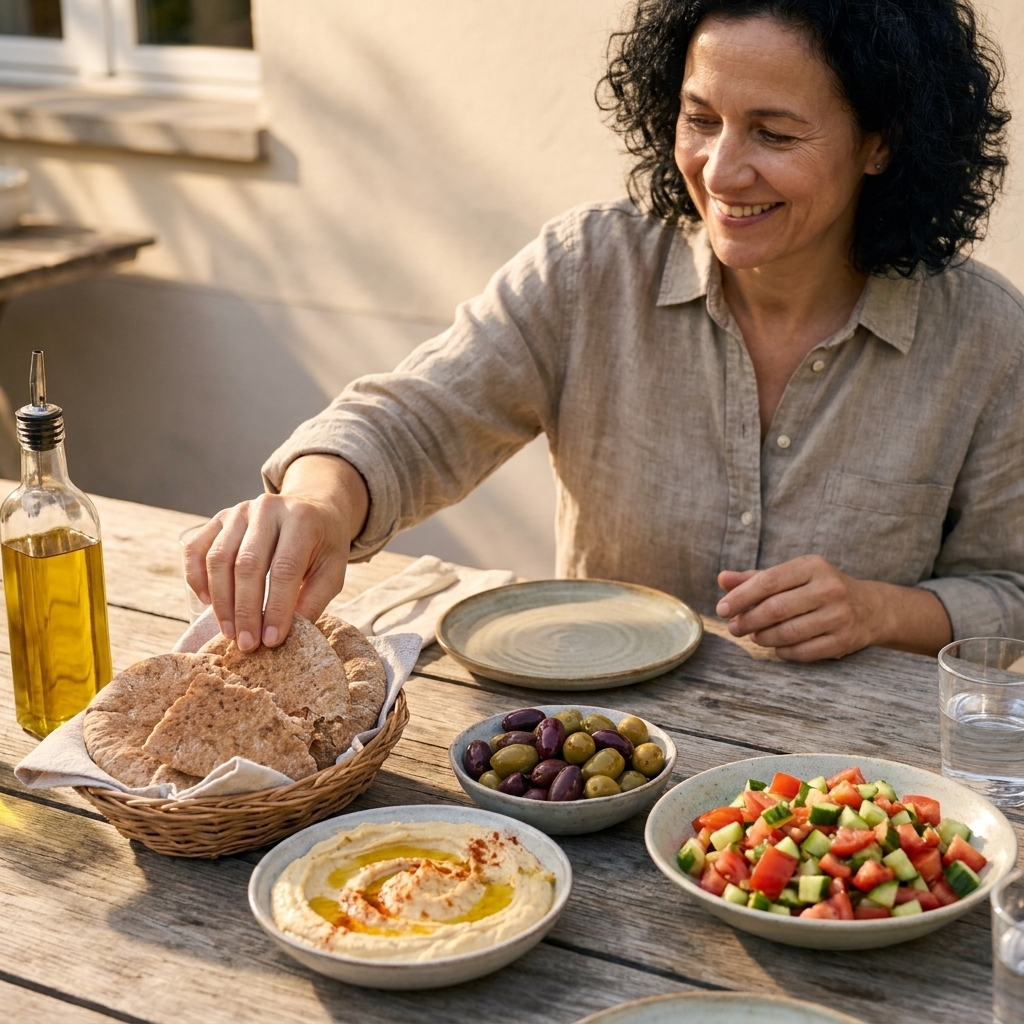
The Mediterranean plate
If you remember nothing else, remember this rhythm:
- Build meals around plants: vegetables, fruit, beans, lentils, nuts, seeds, herbs.
- Choose whole grains most days: oats, farro, brown rice, whole wheat pasta, barley.
- Use olive oil as your main fat: for sautéing, dressing, roasting, finishing.
- Lean on seafood 2+ times a week when you can.
- Enjoy dairy in smaller amounts: yogurt and cheese as accents, not the main event.
- Keep sweets and processed foods occasional: not forbidden, just not everyday.
It is also a lifestyle thing. Eating slowly, cooking at home, moving your body regularly, and sharing food with people you like is honestly part of the magic.
Staples to stock
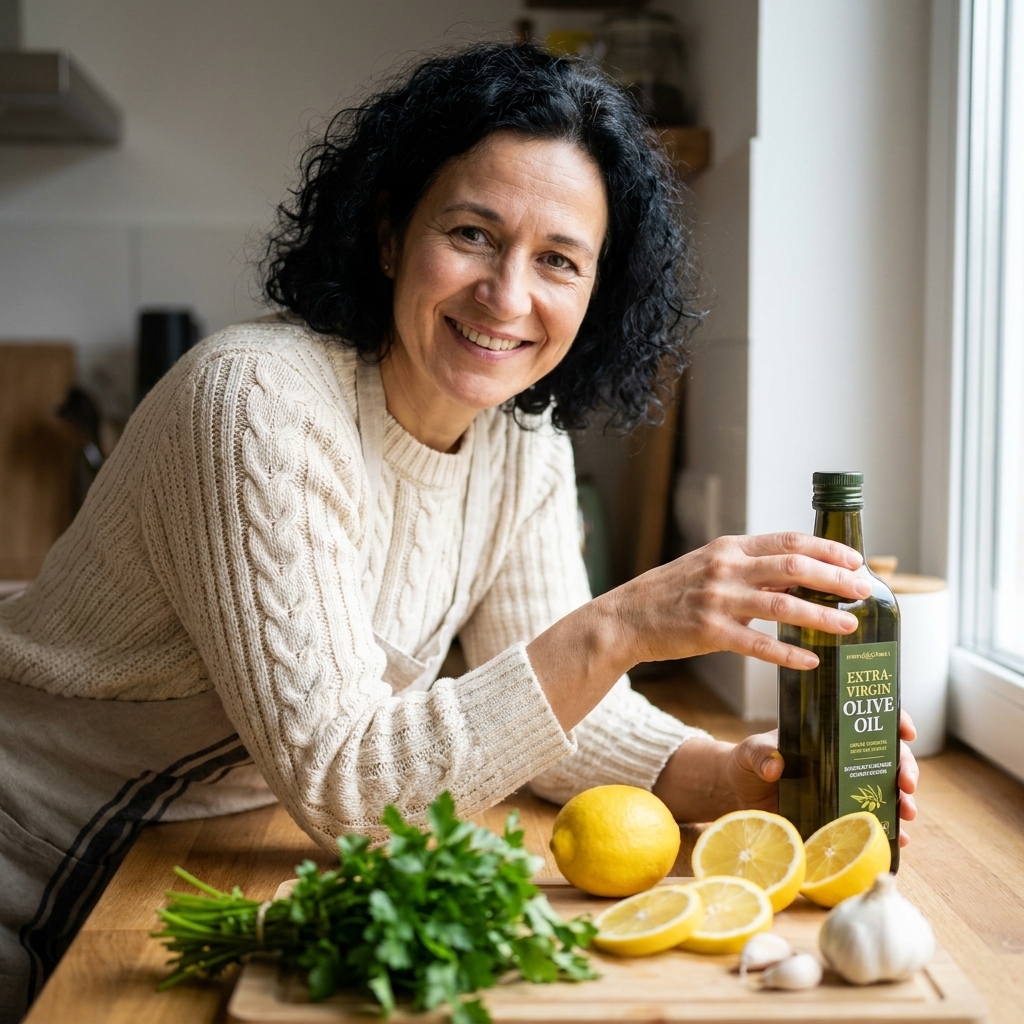
When my pantry is set up for Mediterranean cooking, weeknight dinners become mix-and-match instead of a whole production. Here are the staples that do the most work.
Olive oil (your everyday workhorse)
Extra-virgin olive oil is your default for dressings, dips, and finishing. For higher-heat roasting and sautéing, you can still use extra-virgin olive oil for typical home cooking temperatures. Just avoid letting it smoke or burn. If you prefer, keep a second, more budget-friendly bottle for cooking.
- How to use it: whisk into lemony dressings, drizzle over soups, roast vegetables at 425°F.
- Tip: store it away from heat and direct light so it stays fresh longer.
Legumes (the quiet heroes)
Beans and lentils are filling, affordable, and endlessly adaptable. Keep both canned and dried if you like, but canned is absolutely Mediterranean and absolutely allowed.
- Best pantry picks: chickpeas, cannellini beans, lentils (brown or green), black lentils if you want a splurge.
- Shortcut: rinse canned beans to cut excess sodium, then dress them while they are still a little wet so flavors cling.
Whole grains (for staying power)
Whole grains help meals feel satisfying without needing a huge portion of meat.
- Great choices: oats, quinoa, farro, barley, bulgur, brown rice, whole wheat couscous, whole wheat pasta.
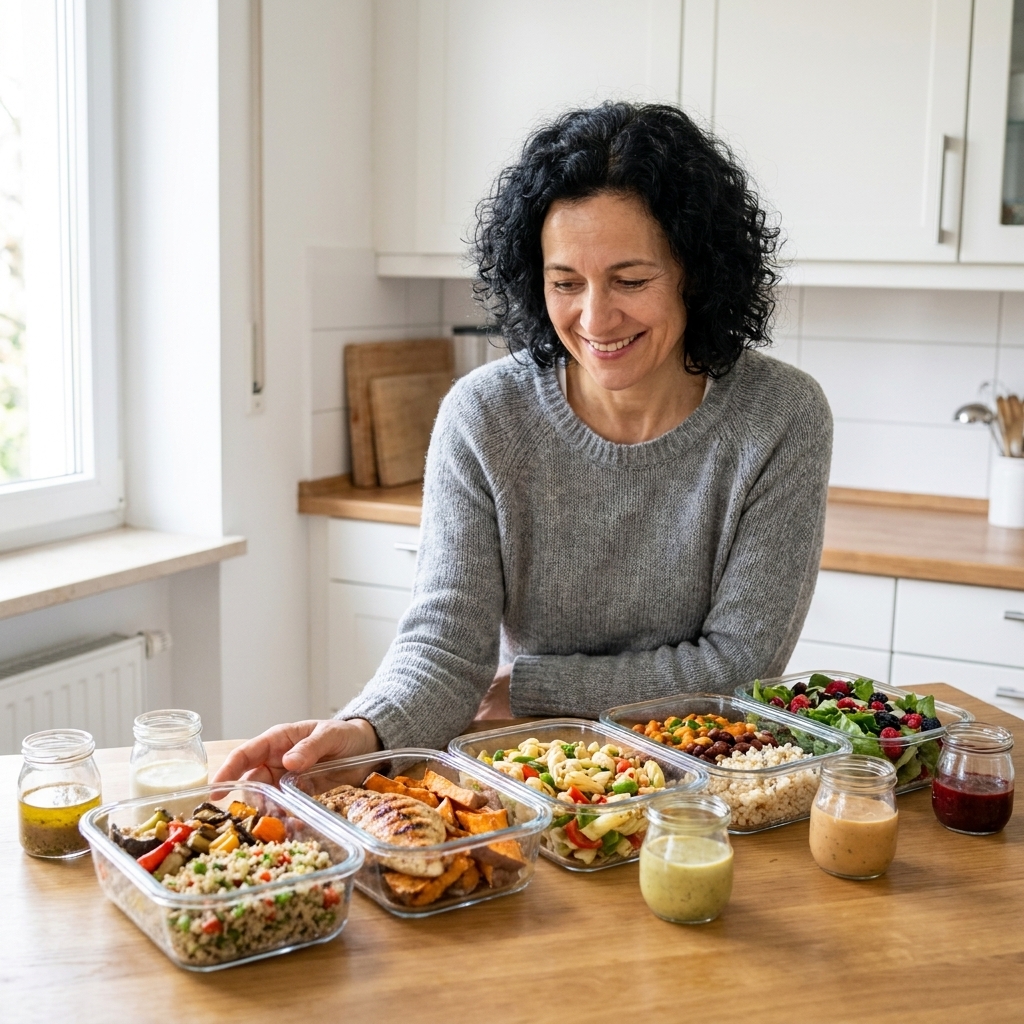
- Meal prep move: cook a big pot of farro or brown rice once, then repurpose it into salads, bowls, and soups.
Flavor builders (small things, big payoff)
- Acid: lemons, red wine vinegar, sherry vinegar.
- Aromatics: garlic, onions, scallions.
- Herbs: parsley, dill, mint, basil, oregano.
- Spices: cumin, smoked paprika, coriander, chili flakes.
- Salty pops: capers, olives, anchovies (optional but amazing).
Quick note on salt: Mediterranean food is flavorful because of lemon, herbs, garlic, and good olive oil, not because you hammered everything with sodium. If you are watching salt, those flavor builders do a lot of heavy lifting.
What to eat often
Think of this as your Mediterranean shopping list. You do not need all of it at once. Pick a few favorites and rotate.
Vegetables (raw, roasted, sautéed, and blended)
- Tomatoes, cucumbers, zucchini, eggplant, peppers
- Leafy greens like spinach, arugula, kale
- Broccoli, cauliflower, carrots, onions
- Frozen vegetables for busy weeks
Fruit (daily, as dessert or snack)
- Berries, oranges, apples, grapes, melons
- Dried fruit in small amounts: dates, figs, apricots
Seafood (2+ times a week when possible)
- Salmon, sardines, tuna, trout
- Shrimp, mussels, cod
- Frozen fish fillets for budget-friendly convenience
Lean proteins (supporting role)
- Beans and lentils (often)
- Eggs (often)
- Chicken and turkey (sometimes)
Dairy (small amounts)
- Plain Greek yogurt
- Feta, Parmesan, mozzarella
Nuts and seeds (a little goes far)
- Walnuts, almonds, pistachios
- Sesame (tahini), chia, flax
Drinks
- Water is the default.
- Coffee and tea are great unsweetened (or lightly sweetened if that is how you will actually drink them).
- Wine is optional, not required.
What to limit
This is not about perfection. It is about crowding out the stuff that leaves you feeling sluggish and making room for food that supports your energy and long-term health.
- Highly processed meats: bacon, sausage, deli meats. Keep them occasional.
- Refined grains: white bread, pastries, many crackers and chips.
- Added sugar: soda, sweetened coffee drinks, candy, many flavored yogurts.
- Deep-fried foods: save for treats, not routine.
- Butter-heavy cooking: use olive oil most of the time, butter occasionally if you love it.
- Ultra-processed snacks: aim for nuts, fruit, yogurt, hummus, or leftovers instead.
Real-life swap I use constantly: When you want something crunchy and salty, try roasted chickpeas or a handful of pistachios with an apple. You still get the satisfaction, just with better staying power.
Recipe guide
Below are go-to recipe templates I use at home. They are intentionally flexible. Once you make them once, you can remix them forever.
1) Lemon-Garlic Chickpea Salad (no-cook)
Makes: about 4 servings. Time: 10 minutes.
Why it works: legumes + olive oil + acid = a meal that tastes better as it sits.
- In a bowl, combine: 2 cans chickpeas (rinsed), 1 diced cucumber, a handful of chopped parsley, 1 cup halved cherry tomatoes, optional chopped red onion.
- Dressing: 3 tbsp olive oil, zest and juice of 1 lemon, 1 small grated garlic clove, salt, pepper, pinch of cumin.
- Finish: crumbled feta or olives if you want a salty kick.
Make it dinner: pile it on greens, tuck into whole wheat pita, or spoon over warm farro.
Optional add-ins: jarred roasted red peppers, chopped artichokes, a handful of arugula, or a spoonful of tuna.
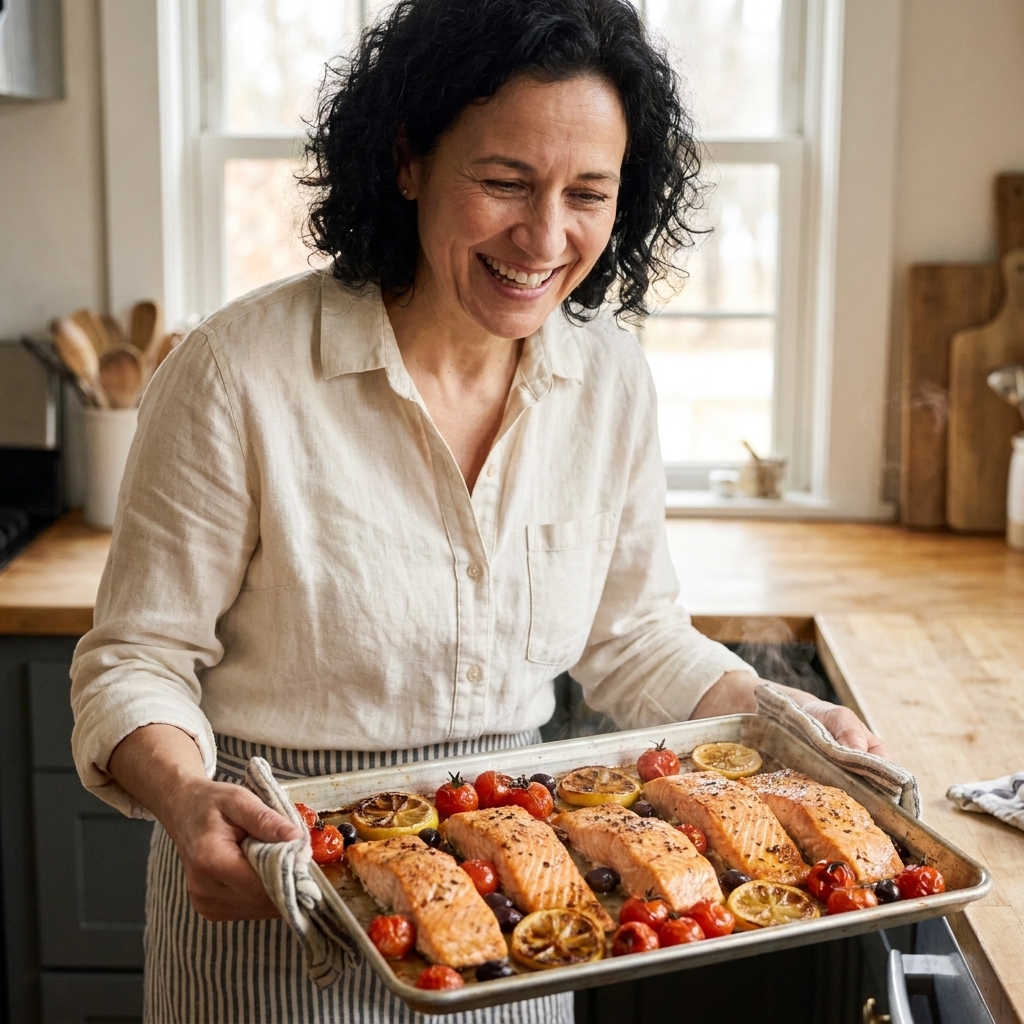
2) One-Pan Salmon with Tomatoes and Olives
Makes: 4 servings. Time: 20 minutes (including prep).
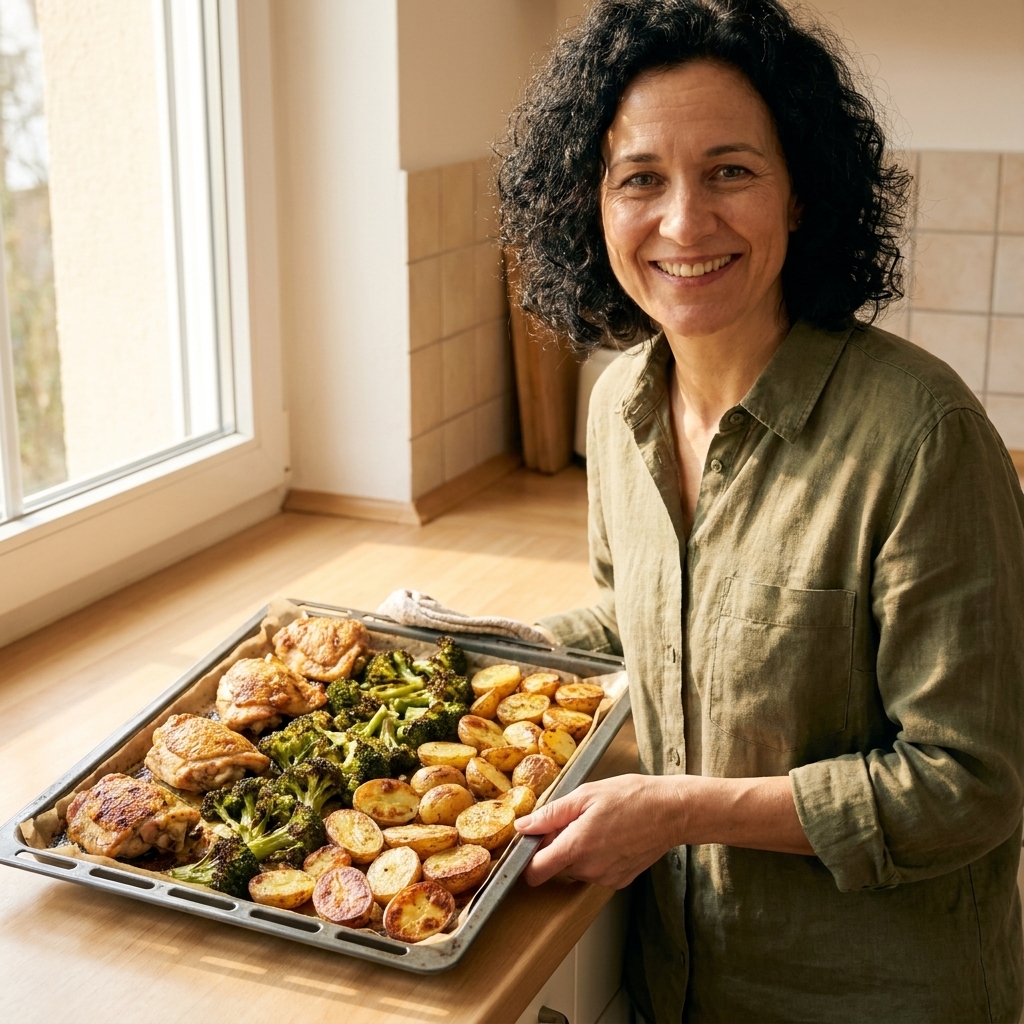
Why it works: sheet-pan cooking is weeknight-friendly, and the olive oil plus tomato juices become a built-in sauce.
- On a sheet pan: toss 2 cups cherry tomatoes with 2 tbsp olive oil, salt, pepper, and a pinch of oregano.
- Add: 4 salmon fillets, a handful of olives, sliced lemon.
- Bake: 400°F for 12 to 15 minutes, depending on thickness.
- Serve with: whole grains or crusty whole grain bread to catch the pan juices.
3) Lentil and Vegetable Soup
Makes: 6 servings. Time: about 45 minutes.
Why it works: this is the kind of soup that makes tomorrow's lunch feel like a gift from past-you.
- Sauté: onion, carrot, and celery in olive oil until soft.
- Add: garlic, 1 cup lentils, 1 can diced tomatoes, broth, bay leaf, and a pinch of smoked paprika.
- Simmer: 25 to 35 minutes until lentils are tender.
- Finish: a squeeze of lemon and a generous drizzle of extra-virgin olive oil.
Optional add-ins: a few handfuls of spinach at the end, chopped zucchini, or a spoonful of pesto for extra green energy.
Leftover tip: thicken it with a handful of cooked rice or farro, or blend a cup and stir it back in for a creamier texture without cream.
4) Greek-Style Yogurt Bowl (breakfast or lunch)
Makes: 1 serving. Time: 5 minutes.
Why it works: high protein, minimal prep, and it keeps you from the mid-morning snack spiral.
- Base: plain Greek yogurt
- Add: berries or sliced orange, chopped nuts, and a drizzle of honey
- Optional: a spoonful of tahini and a pinch of cinnamon for a toasted, sesame-forward vibe
5) Farro Bowl with Roasted Vegetables and Tahini-Lemon Sauce
Makes: 4 servings. Time: 35 to 45 minutes (less if your grain is already cooked).
Why it works: whole grains + roasted veg + creamy sauce is the bowl formula that never gets old.
- Roast: zucchini, peppers, red onion, and chickpeas at 425°F with olive oil, salt, pepper.
- Serve over: cooked farro (or quinoa, brown rice).
- Sauce: whisk tahini, lemon juice, warm water, salt, and minced garlic until smooth.
- Finish: fresh herbs and a sprinkle of seeds.
Optional add-ins: chopped cucumbers, a soft-boiled egg, or a little feta if you want it extra savory.
Simple meal formula
If meal planning makes you want to lie down, use this instead. Pick one from each category and you have dinner.
- Vegetable: roasted broccoli, chopped salad, sautéed greens, grilled zucchini
- Protein: chickpeas, lentils, eggs, canned tuna, salmon
- Whole grain: farro, brown rice, whole wheat pasta, barley
- Sauce: lemon-olive oil dressing, yogurt + garlic, tahini + lemon, tomato + olive oil
- Crunch or finish: nuts, seeds, olives, herbs, a little feta
My weeknight safety net: keep one cooked grain and one batch of chopped veggies in the fridge. When you are tired, you can still build a meal in 10 minutes.
Smart swaps
- No fresh herbs? Use baby arugula or spinach as a peppery, green finish, or go with dried oregano plus lemon zest.
- No fish this week? Swap in beans, lentils, or eggs. A chickpea salad can be just as satisfying as a tuna salad.
- Gluten-free? Choose brown rice, quinoa, certified gluten-free oats, and serve soups with potatoes or rice instead of bread.
- Watching sodium? Rinse canned beans, choose no-salt-added tomatoes when you can, and use lemon, vinegar, and herbs to keep flavors bold.
- On a budget? Use frozen vegetables and canned fish like sardines or tuna. They are often more affordable than fresh seafood and still very Mediterranean.
FAQ
Can I eat pasta?
Yes. Choose whole wheat pasta when you can, keep portions reasonable, and load up the sauce with vegetables, beans, and olive oil. Think: pasta as a base, not the entire meal.
Is it low-carb?
Not exactly. It includes carbohydrates, but they are typically whole grains, beans, fruit, and vegetables. The emphasis is on quality and balance.
What about red meat?
Red meat is usually limited. When you do have it, think smaller portions and less often. Many Mediterranean meals feel complete without it once you lean into beans, seafood, and vegetables.
Do I have to drink wine?
Nope. Wine is optional. You can get the Mediterranean benefits without alcohol. Sparkling water with citrus and mint gives you that special-dinner feeling with zero pressure.
Do portion sizes matter?
This way of eating does not require strict calorie counting, but portions still count, especially for calorie-dense foods like olive oil, nuts, seeds, and cheese. A good rule: use them as flavor and satisfaction boosters, not as the whole meal. If weight or blood sugar is a goal, portion awareness helps without turning dinner into math.
One last pep talk
If you are new to this way of eating, start with one habit: switch to olive oil, add a can of beans to a meal, or make a big pot of whole grains for the week. The Mediterranean diet shines when it is sustainable, not when it is strict.
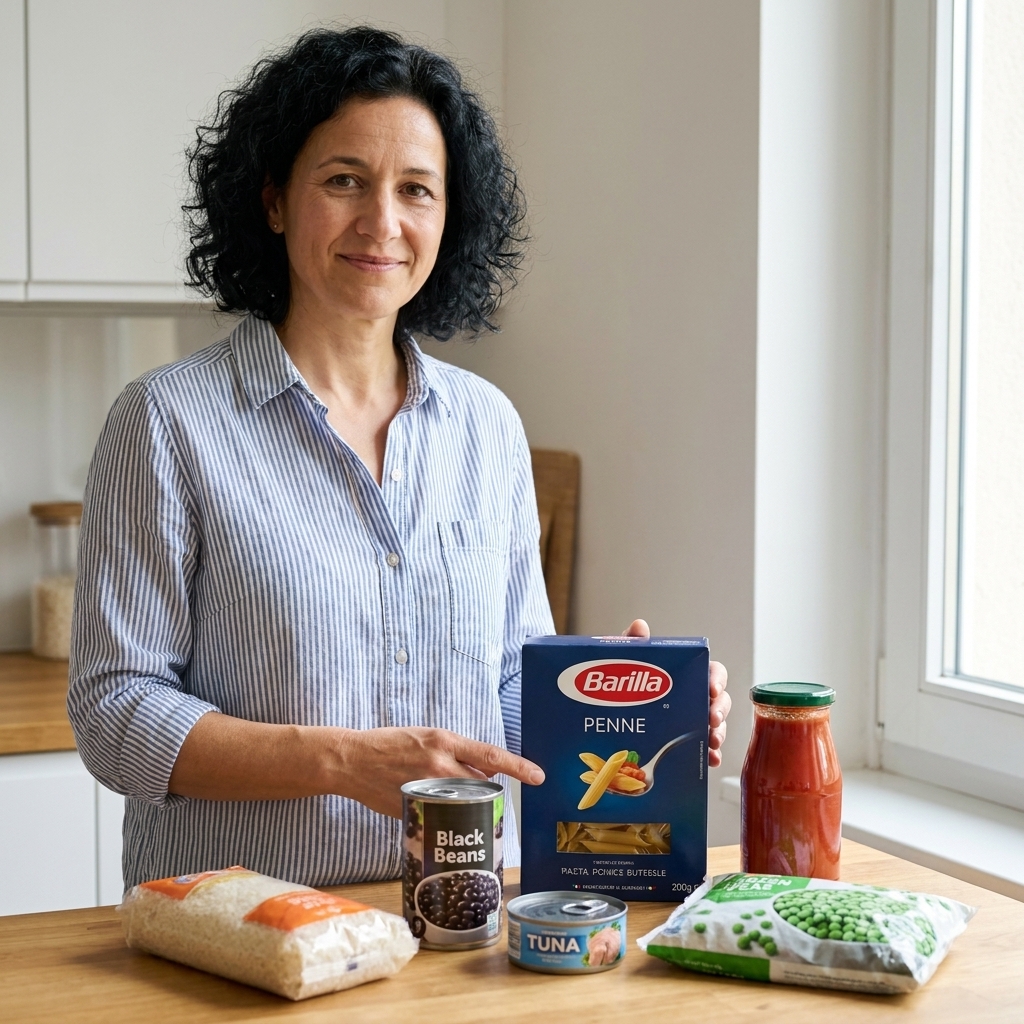
And if tonight is a pantry night, I promise you can still make it Mediterranean: chickpeas, olive oil, lemon, whatever vegetables you have, and a handful of herbs if you have them. Dinner does not have to be complicated to be good.