
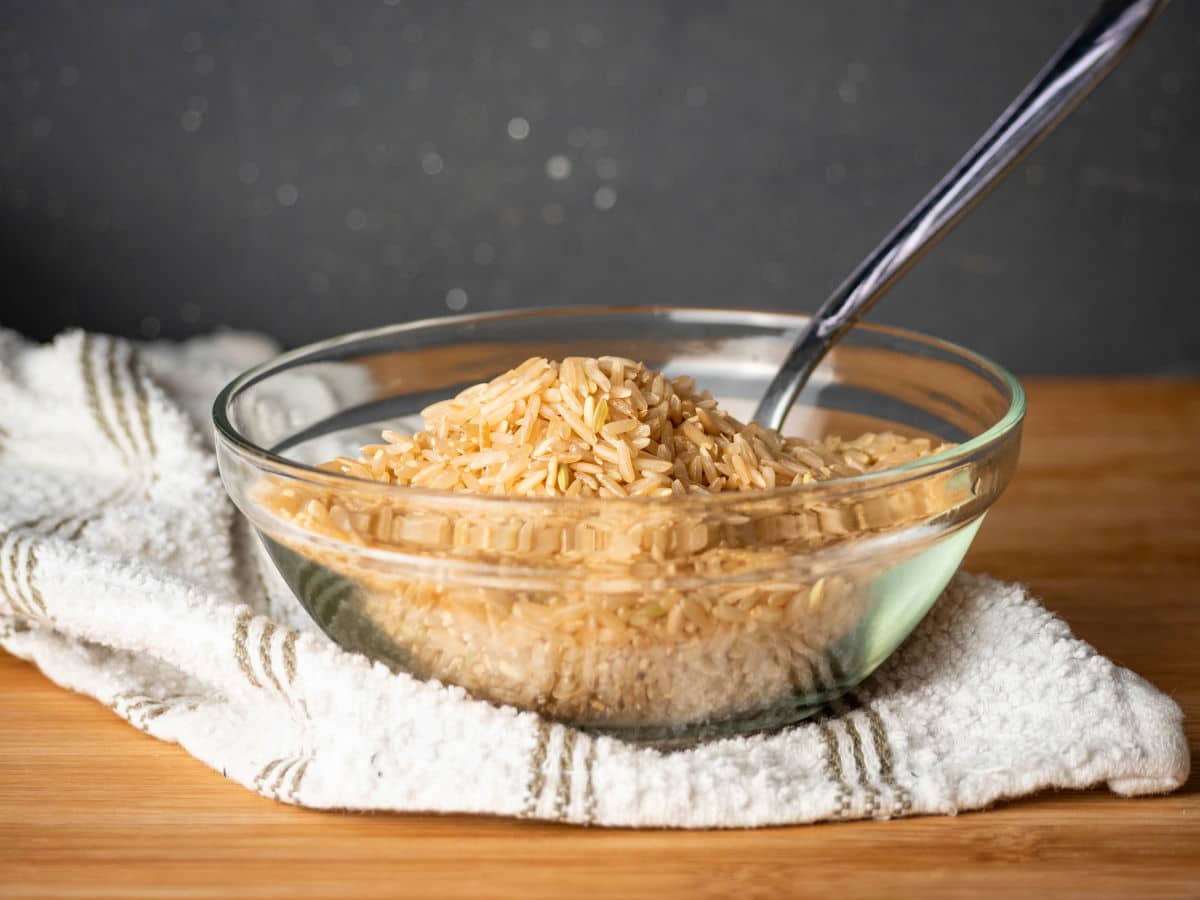
Brown rice has a reputation for being “healthy but kind of sad.” I get it. If you’ve ever ended up with a pot of hard centers, split grains, or something that tastes like cardboard, you are not alone. The good news is that brown rice is wonderfully predictable once you understand what it needs: a little more water, a little more time, and a short rest at the end.
Think of brown rice as white rice’s sturdier cousin. The bran layer is still on the grain, which is where a lot of that nutty flavor comes from, but it also means it takes longer to soften. We can work with that.

What brown rice is, and why it cooks differently
Brown rice is a whole grain. The outer hull is removed, but the bran and germ remain. That’s why it looks tan to light brown and tastes pleasantly nutty.
That bran layer is also why brown rice:
- Takes longer to cook than white rice
- Needs more water to fully hydrate the grain
- Benefits from a rest after cooking so steam finishes the job
If you treat it like white rice and rush it, you will usually get chewy centers.
How to cook brown rice on the stovetop (foolproof method)
This is my everyday method when I want dependable, fluffy grains without babysitting the pot. It is flexible and forgiving.
Note: This stovetop recipe is written for standard long grain brown rice in a tight-lidded pot. Short grain, basmati, jasmine, and older or extra-dry rice can need a little more water and time.
Basic ratio
1 cup long grain brown rice + 2 to 2 1/4 cups water makes about 3 cups cooked.
If your brown rice regularly turns out a bit firm, start at 2 1/4 cups. If it turns out too soft, pull back toward 2 cups next time. Rice is wonderfully iterative.
Step-by-step
- Rinse (optional but helpful): Rinse the rice in a fine mesh sieve for 15 to 30 seconds. This washes off dust and excess surface starch so the pot is less sticky.
- Combine and salt: Add rice and water to a pot with a tight lid. Add 1/2 teaspoon kosher salt per cup of dry rice.
- Bring to a boil: Bring to a full boil over medium-high heat.
- Cover and simmer: Reduce heat to low, cover, and simmer for 35 to 45 minutes. You want the faintest steady simmer, not a hard boil. Avoid lifting the lid, since trapped steam is part of the cooking.
- Check: The water should be absorbed and the grains should be tender with no hard center.
- Rest off heat: Turn off the heat and let it sit 10 minutes, covered.
- Fluff: Fluff gently with a fork and serve.
Tip: If your pot runs hot and rice tends to scorch, use a flame tamer, or slide the pot halfway off the burner so the heat is gentler.
Rice cooker and Instant Pot methods
Rice cooker
Most rice cookers do a great job with brown rice, but the water line can vary by model and by rice type. A solid starting point is:
- 1 cup brown rice
- 1 3/4 to 2 cups water
Use the brown rice setting if you have one. When it clicks to “warm,” let it sit 10 minutes before fluffing.
Instant Pot (pressure cooker)
Pressure cooking is fantastic for brown rice because it thoroughly hydrates the bran layer. This is a reliable starting point for long grain brown rice. If you like it softer, add a splash more water or a couple minutes of cook time.
- 1 cup brown rice + 1 1/4 cups water
- High pressure: 20 to 24 minutes (start with 22 minutes)
- Natural release: 10 minutes, then quick release remaining pressure
- Fluff and rest: Fluff, then rest 5 minutes for best texture
If you are using short grain brown rice, add 1 to 2 minutes. For brown basmati or jasmine, start at the lower end of the time range and adjust from there.
How to make brown rice taste really good
Brown rice has flavor, but it loves company. Here are my favorite low-effort upgrades that make it feel like part of dinner, not just something on the side.
Swap the cooking liquid
- Broth: Use chicken, veggie, or mushroom broth instead of water.
- Coconut milk: Replace 1/2 cup of the water with coconut milk for a gentle richness.
- Tomato-based: Add 2 tablespoons tomato paste to the water and whisk well.
Add aromatics
- 1 smashed garlic clove
- 2 scallions, cut into big pieces
- 1 bay leaf
- A small piece of ginger
Pull them out after cooking, like you would with a bay leaf in soup.
Finish with a “spark”
This is the part people skip. A tiny bit of brightness makes whole grains taste alive.
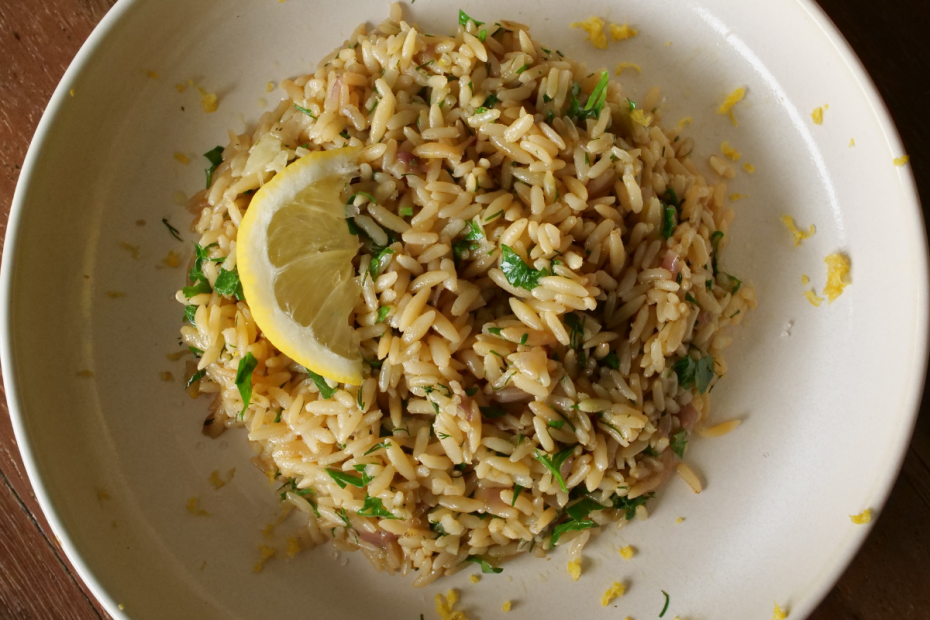
- Squeeze of lemon or lime
- Drizzle of toasted sesame oil
- Small pat of butter or olive oil
- Handful of chopped herbs
Choosing the right type of brown rice
Not all brown rice behaves the same, which is why one person swears it takes 35 minutes and another says 55. Different varieties and processing styles drink water differently.
- Long grain brown rice: Fluffier, more separate grains. Great for bowls and sides.
- Short grain brown rice: Slightly stickier and more tender. Great for sushi-style bowls, porridge-like breakfasts, and cozy meals. Often needs a bit more water and time.
- Brown basmati: Fragrant and a little drier. Lovely with curries. Often cooks a touch faster than standard long grain.
- Brown jasmine: Fragrant with a softer bite. Great for stir-fries.
- Parboiled brown rice: Often cooks up fluffier and more consistently. Check package timing.
- Quick-cooking brown rice: Convenient, but softer and less nutty. Best for weeknights when time is tight.
One more variable: some brands sell lightly toasted brown rice, which can smell amazing and sometimes cooks a little differently. If the package gives a ratio and time, trust that as your starting point.
Common brown rice problems (and easy fixes)
My rice is still hard after the time is up
Two usual culprits: not enough water, or the simmer was too gentle to maintain steady heat.
Fix: Add 1/4 cup hot water, cover, and simmer 5 to 10 minutes more. Then rest 10 minutes.
My rice is mushy
Usually too much water, too long cooking, or too much stirring.
Fix: Spread it on a sheet pan and let steam escape for 5 to 10 minutes. It will firm up a bit as excess moisture evaporates.
The bottom scorched
Your burner runs hot or the pot is too thin.
Fix: Next time, use a heavier-bottomed pot and a lower flame. For this batch, do not scrape the bottom. Transfer the unscorched rice to a clean bowl.
It tastes bland
Brown rice needs salt and a finish.
Fix: Stir in a pinch of salt plus olive oil or butter, then add a squeeze of citrus or a splash of vinegar.
Meal prep: cook once, eat all week
If there is one habit that makes weeknight cooking easier, it is having a container of cooked brown rice in the fridge. It turns “I have nothing” into fried rice, grain bowls, soups, and quick sides.
How much to cook
- 1 cup dry yields about 2 1/2 to 3 1/2 cups cooked (most often around 3)
- 2 cups dry yields about 5 to 7 cups cooked
How to store
- Cool cooked rice quickly by spreading it in a thin layer on a sheet pan for 10 to 15 minutes.
- For food safety, refrigerate promptly once it stops steaming hot. Do not let cooked rice sit out for a long stretch.
- Store in an airtight container in the fridge for up to 4 days.
How to freeze
Brown rice freezes beautifully.
- Portion cooled rice into freezer bags in 1 to 2 cup portions.
- Press flat for quick thawing.
- Freeze up to 3 months for best quality.
How to reheat without drying it out
- Microwave: Add a teaspoon or two of water, cover loosely, and microwave in bursts, stirring once.
- Stovetop: Add a splash of water to a pan, cover, and warm over low heat.
- From frozen: Microwave covered with a tablespoon of water, then fluff.
Easy ways to use leftover brown rice
Leftover brown rice is where the fun starts. It is slightly drier than freshly cooked rice, which makes it perfect for soaking up sauces and crisping in a pan.
- Weeknight fried rice: Brown rice + frozen peas + scrambled egg + soy sauce. Add any leftover chicken or tofu.
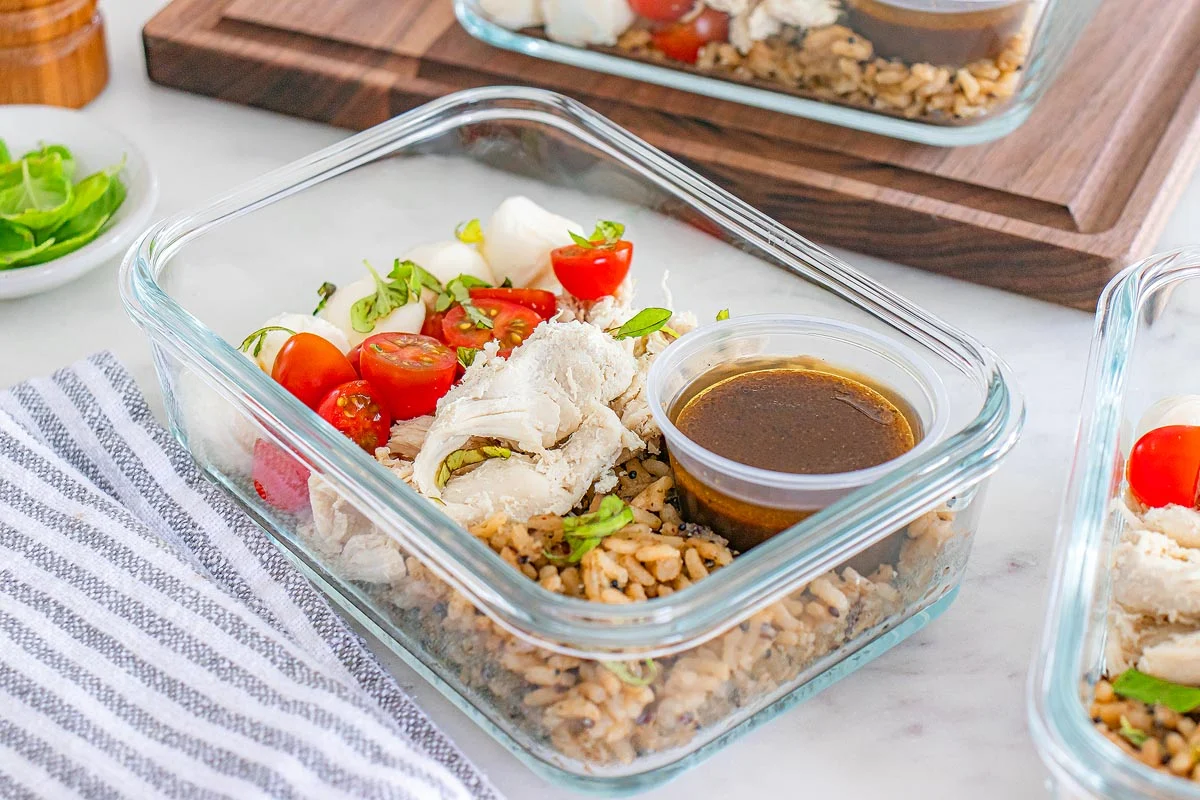
- Grain bowl: Warm rice + roasted veggies + a protein + something creamy (tahini, yogurt sauce, guacamole).
- Soup booster: Stir into chicken soup or lentil soup for instant heartiness.
- Breakfast bowl: Heat with milk (or oat milk), cinnamon, and a little maple syrup. Top with fruit and nuts.
- Crispy rice patty: Mix with egg and scallions, pan-fry into little cakes, top with chili crisp or a fried egg.
Brown rice nutrition, in plain language
Because brown rice is a whole grain, it generally has more fiber and micronutrients than white rice. It is also filling in a satisfying, steady way, which is why so many people love it for meal prep.
If you are choosing between brown and white rice for personal health reasons, the best rice is the one you will actually cook and enjoy. You can also meet in the middle by mixing half brown and half white rice for a softer texture with some whole-grain benefits.
FAQ
Do I need to rinse brown rice?
Not strictly, but I recommend it. A quick rinse removes dust and a bit of extra starch, which helps prevent stickiness.
Should I soak brown rice first?
Soaking is optional. If you have time, soaking 30 minutes can shorten cooking time slightly and help the grains cook more evenly. Drain and cook with fresh water.
Why does my brown rice take longer than the package says?
Age and variety matter. Older rice can take longer to soften, and short grain brown rice often needs more time than long grain. Keep the simmer steady and let it rest at the end.
Can I cook brown rice like pasta and drain it?
Yes, and it is surprisingly forgiving. Boil in plenty of salted water until tender, then drain well and rest 5 minutes. You lose a little control over final moisture, but it is great if you hate measuring.
Recipe: Perfect Stovetop Brown Rice
Ingredients
- 1 cup long grain brown rice
- 2 to 2 1/4 cups water (start with 2 1/4 if your rice tends to be firm)
- 1/2 teaspoon kosher salt
- Optional: 1 teaspoon olive oil or a small pat of butter
Instructions
- Rinse rice briefly in a fine mesh sieve (optional but recommended).
- Add rice, water, and salt to a medium pot with a tight lid.
- Bring to a boil over medium-high heat.
- Reduce heat to low so you maintain a faint, steady simmer. Cover and simmer 35 to 45 minutes.
- Turn off heat and rest, covered, 10 minutes.
- Fluff with a fork. Taste and add a pinch more salt if needed. Finish with olive oil or butter if you like.
Notes
- If rice is still firm at the end, add 1/4 cup hot water and simmer 5 to 10 minutes more, then rest again.
- For extra flavor, cook in broth or add a bay leaf while simmering.
- Short grain brown rice often needs a little more time and can handle a bit more water.