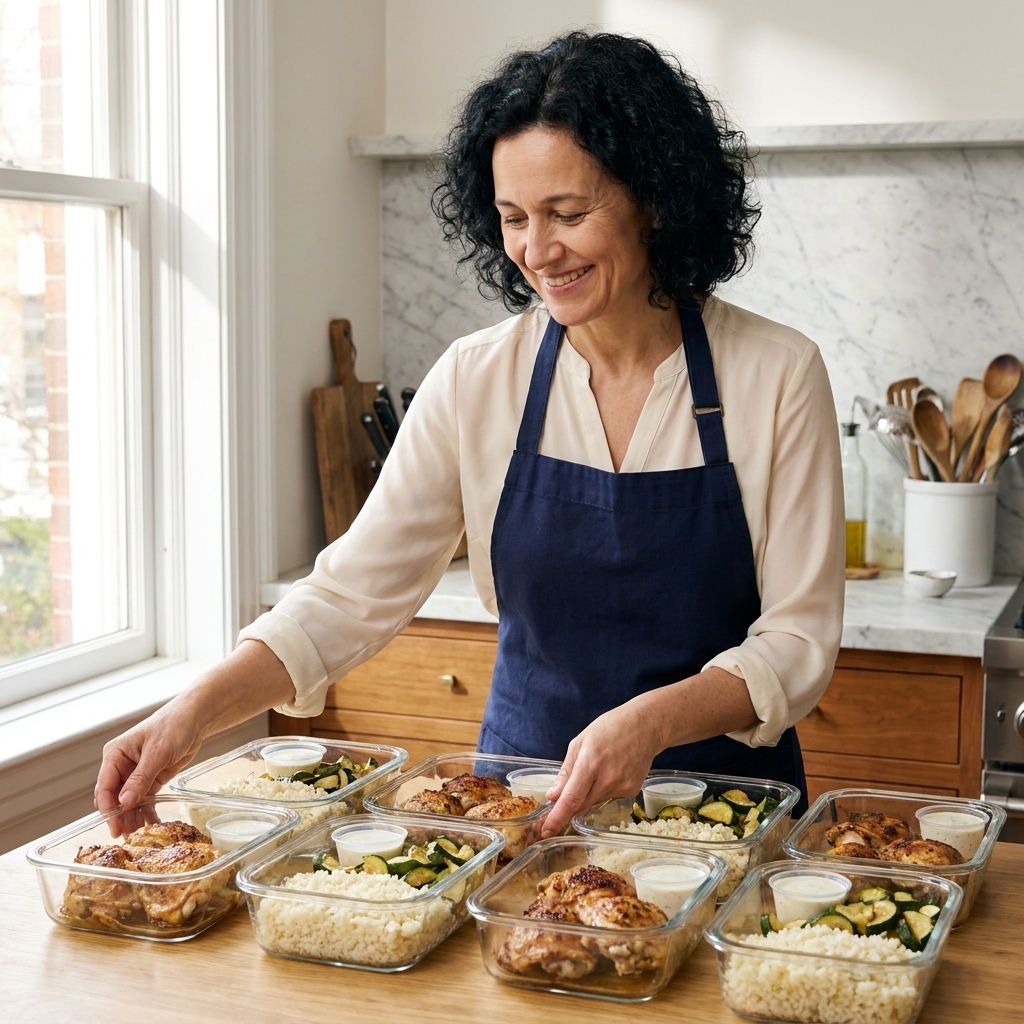
Meal prep a full week of easy keto breakfasts, lunches, and dinners with beginner-friendly recipes, smart swaps, and a complete grocery list.
recipes
Easy Gluten-Free Breakfast Casseroles for Meal Prep

Elena Martinez
Elena Martinez is a former bakery manager turned full-time food writer and recipe developer. With over a decade of experience translating professional culinary techniques into approachable home cooking, she believes that a great meal doesn't require a culinary degree or expensive ingredients.
Created September 23, 2026
Last updated September 23, 2026
If mornings at your house look anything like mine, breakfast is usually happening while someone is hunting for socks and the coffee is still deciding whether it wants to be strong enough. That is exactly why I love a breakfast casserole. You do the work once, then future-you gets a warm, filling slice all week.
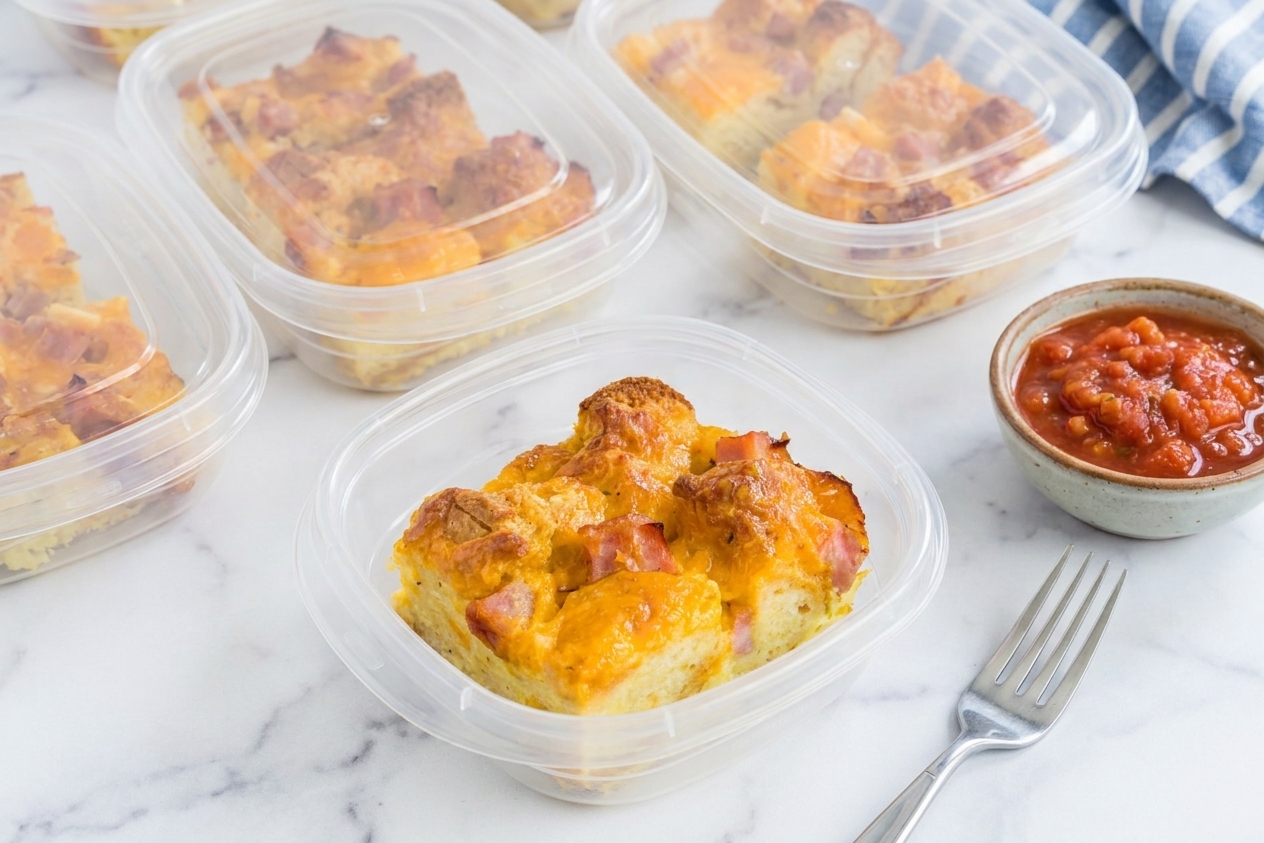
Below are my go-to easy gluten-free breakfast casseroles for meal prep, plus the practical stuff that actually matters: how to keep eggs from turning rubbery, how to freeze slices so they reheat evenly, and how to build in options for meat-lovers and vegetarians without making two separate meals.

Meal-prep basics (so your casserole stays tender)
Pick the right baking dish
- 9x13-inch dish: best for feeding a family or getting 8 to 10 meal-prep portions.
- 8x8-inch dish: best for smaller households or variety meal prep (make two different flavors).
- Muffin tin: best for grab-and-go portions and fast reheating.
How to avoid watery casseroles
- Pre-cook high-water vegetables (mushrooms, zucchini, spinach). Sauté until the pan is dry.
- Salt smart: season the eggs, but do not salt raw veggies and then dump them in. They will release water as they bake.
- Drain add-ins: thawed frozen spinach should be squeezed dry; salsa should be thick or drained.
- Let it rest: 10 to 15 minutes after baking helps the custard set and slice cleanly.
Egg-to-dairy ratio that works
For a classic, not-too-dry texture: whisk 10 to 12 large eggs with 1 cup milk (or half-and-half for richer), plus salt and pepper. For smaller 8x8 casseroles: 6 eggs + 1/2 cup milk.
Gluten-free check list
- Sausage and bacon: most are gluten-free, but some brands use fillers. Check labels.
- Hash browns: look for plain shredded potatoes with no seasoning packet.
- Seasonings: taco seasoning and spice blends can hide gluten. Use a labeled gluten-free blend or make your own.
- Oats: use certified gluten-free oats if you are sensitive.
Storage and reheating (the part that makes or breaks meal prep)
Refrigerator
Cool completely, then cover and refrigerate for up to 4 days. For the best texture, slice into portions once chilled.
Freezer
Freeze for up to 2 months. My favorite method is to freeze slices individually so you can pull exactly what you need.
- Chill the baked casserole.
- Slice into portions.
- Wrap each slice tightly (plastic wrap or parchment plus foil), then store in a freezer bag.
- Label with the flavor and date. Future-you will thank you.
Reheating instructions
- Microwave (fastest): 60 to 90 seconds per slice from the fridge. From frozen, 2 to 3 minutes, then rest 1 minute.
- Oven (best texture): cover with foil and warm at 350°F for 12 to 18 minutes (from fridge) or 25 to 35 minutes (from frozen, thawed overnight is even better).
- Air fryer: 320°F for 6 to 8 minutes for a slice from the fridge. Add 2 to 4 minutes if frozen.
Elena tip: If your slice looks dry in the microwave, add a damp paper towel over it. It gently steams the eggs back to tender.
8 easy gluten-free breakfast casseroles for meal prep
Each idea below is naturally gluten-free or easy to adapt. Think of these as flexible formulas: swap the vegetables you have, use the cheese you like, and do not stress about perfection. Casseroles are forgiving by design.
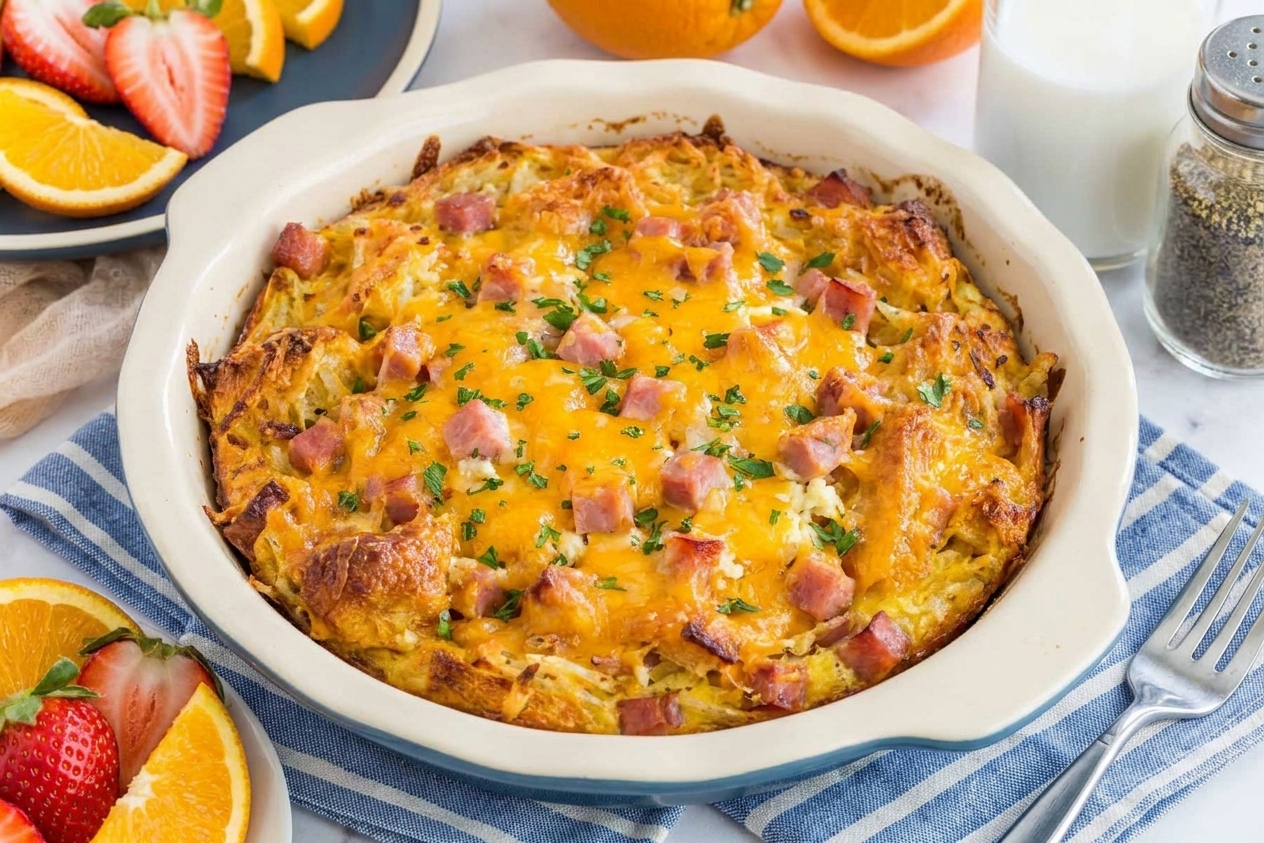
1) Classic Hash Brown, Cheddar, and Sausage Casserole
Why it works: hash browns create a sturdy base that reheats well without getting spongy.
- Base: thawed frozen shredded hash browns (or diced potatoes)
- Protein: browned breakfast sausage (check gluten-free label)
- Veg: sautéed onions and bell peppers
- Cheese: sharp cheddar
Make-ahead note: assemble the night before, refrigerate, then bake in the morning. Add 5 to 10 minutes bake time if it is going in cold.
Vegetarian swap: use black beans or sautéed mushrooms in place of sausage.
2) Southwest Green Chile and Black Bean Egg Bake
Why it works: beans add protein and keep slices moist, which is great for reheating.
- Mix-ins: black beans, diced green chiles, corn, scallions
- Cheese: pepper jack or Monterey Jack
- Flavor: cumin, smoked paprika, and a squeeze of lime after baking
Serve with: salsa, avocado, or a dollop of Greek yogurt.
Meat-lover add-on: stir in cooked chorizo or shredded chicken.
3) Mediterranean Spinach, Feta, and Tomato Casserole
Why it works: big flavor with minimal prep, and feta stays punchy all week.
- Veg: sautéed spinach (squeezed dry), halved cherry tomatoes, diced red onion
- Cheese: feta plus a little mozzarella for melt
- Herbs: dill or oregano
Moisture tip: roast the tomatoes for 10 minutes first if yours are extra juicy.
4) Mushroom, Leek, and Gruyère (or Swiss) Breakfast Casserole
Why it works: it tastes fancy, but the technique is simple. The key is cooking the mushrooms until they stop releasing moisture.
- Veg: mushrooms sautéed until browned, leeks softened in butter or olive oil
- Cheese: Gruyère or Swiss
- Bonus: a pinch of thyme
Budget swap: use Swiss and a little Parmesan if Gruyère is pricey.
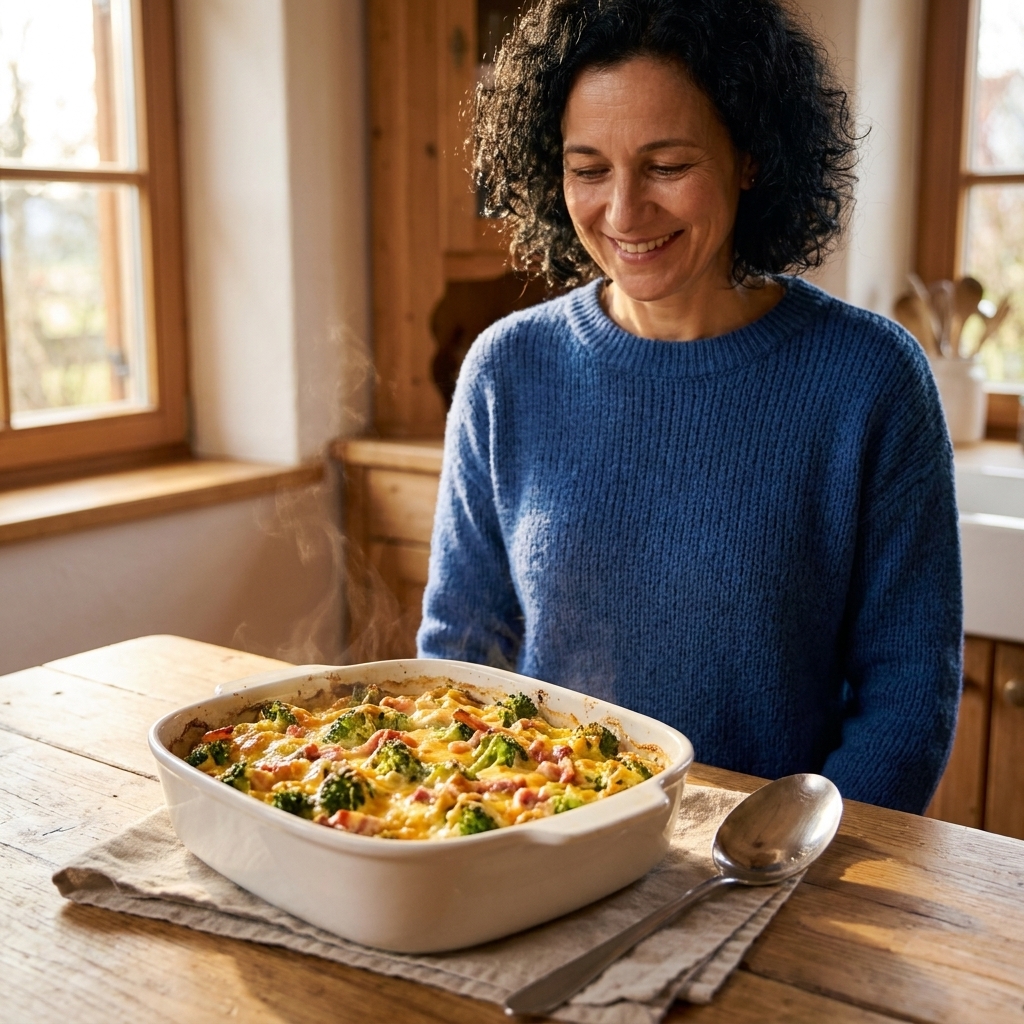
5) Broccoli Cheddar Egg Bake (Kid-Friendly)
Why it works: familiar flavors, plus broccoli holds its texture better than many vegetables.
- Veg: finely chopped broccoli florets (steam or sauté briefly)
- Cheese: cheddar
- Optional: diced ham for a meat version
Leftover trick: this is a great place to use up that last cup of cooked broccoli from dinner.
6) Bacon, Sweet Potato, and Kale Casserole
Why it works: sweet potatoes bring natural sweetness and structure, and kale stands up to reheating without going limp.
- Base: thinly sliced sweet potatoes (par-cook by roasting 10 minutes)
- Greens: kale sautéed with garlic
- Protein: crisped bacon (drain well)
Dairy-free option: skip cheese and use full-fat coconut milk or unsweetened dairy-free creamer in the egg mixture for richness.
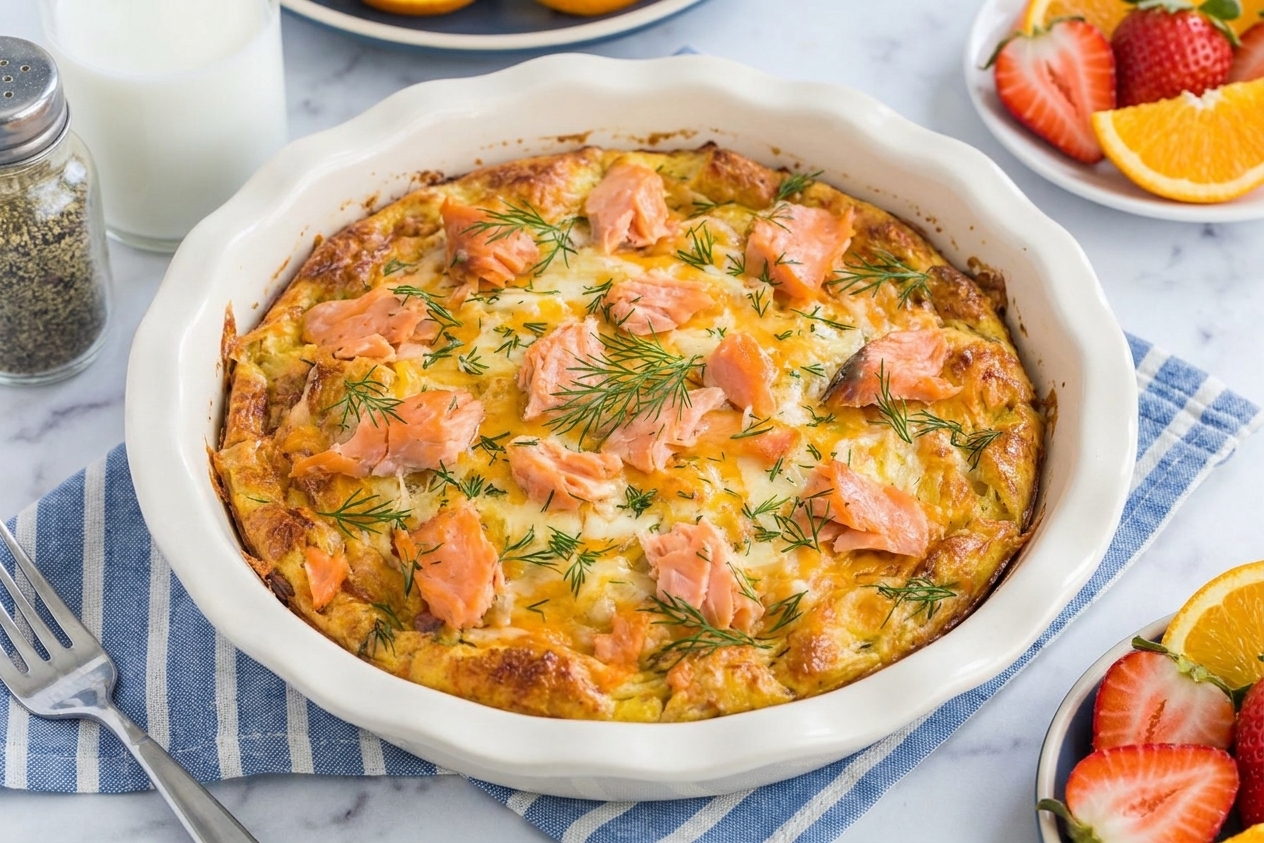
7) Smoked Salmon, Dill, and Cream Cheese Breakfast Bake
Why it works: it is brunchy, satisfying, and surprisingly easy. Cream cheese melts into little pockets that feel special on a weekday.
- Mix-ins: smoked salmon pieces, chopped dill, capers (optional), thinly sliced red onion
- Cheese: dollops of cream cheese plus a sprinkle of mozzarella
Pro tip: fold the smoked salmon in gently at the end so it stays in tender flakes.
8) Apple, Chicken Sausage, and Sage Breakfast Casserole
Why it works: that sweet-savory combo tastes like fall even in the middle of a busy week.
- Protein: chicken sausage (check gluten-free label)
- Flavor: sautéed apple slices, sage, and a little Dijon in the egg mixture
- Cheese: white cheddar or Gouda
Vegetarian variation: swap sausage for toasted pecans and extra sautéed onions.
Easy mix-and-match formula (build your own)
If you like to improvise, here is my simple blueprint for a 9x13 casserole:
- Egg base: 10 to 12 eggs + 1 cup milk (or dairy-free alternative) + 1 to 1 1/2 teaspoons kosher salt + pepper
- Cooked add-ins: 3 to 4 cups total (vegetables and/or potatoes)
- Protein: 1 to 1 1/2 cups cooked meat or beans (optional)
- Cheese: 1 1/2 to 2 cups shredded or crumbled (optional)
Bake temp and time
Preheat the oven to 350°F. Grease your 9x13 dish, add the fillings, then pour in the egg mixture and give everything a gentle stir so the good stuff is not all hanging out on top.
- 9x13 casserole: bake 35 to 45 minutes, until the center is set.
- 8x8 casserole: bake 25 to 35 minutes.
- Muffin tin: bake 18 to 22 minutes.
Let it rest 10 to 15 minutes before slicing. If you use a thermometer, aim for 160°F in the center.
Rule of thumb: if an ingredient would weep water in a salad, cook and drain it first before it goes into your casserole.
FAQ
Can I assemble a breakfast casserole the night before?
Yes. Assemble, cover tightly, and refrigerate. In the morning, bake straight from the fridge, but plan for an extra 5 to 15 minutes depending on your dish and how full it is.
How do I know when it is done?
The center should be set, not jiggly, and a knife inserted in the middle should come out mostly clean. If you use a thermometer, aim for 160°F in the center.
What is the best gluten-free replacement for bread in a breakfast casserole?
Hash browns, diced roasted potatoes, sweet potatoes, or cooked quinoa are my favorites. Gluten-free bread cubes can work too, but they vary wildly in texture, so I reach for potatoes when I want the most reliable result.
Can I make it dairy-free?
Absolutely. Use an unsweetened dairy-free milk or creamer (oat, almond, soy) and skip the cheese or use a dairy-free shredded cheese you already like. Add extra flavor with sautéed onions, roasted peppers, fresh herbs, or a spoonful of pesto.
Why did my casserole turn out watery?
The usual culprits are undercooked vegetables, frozen ingredients not fully thawed and drained, or very juicy add-ins like tomatoes and salsa. Next time, sauté until dry, drain well, and let the casserole rest before slicing.
My favorite way to meal prep these
If you want maximum ease, bake on Sunday, cool completely, then slice and wrap individual portions. Keep a couple in the fridge for the next few days and freeze the rest. It is the best of both worlds: quick breakfasts now, and a backup plan for the mornings that go sideways.
If you try one, start with the hash brown and cheddar version. It is the most forgiving, the most universally loved, and it reheats like a champ.