
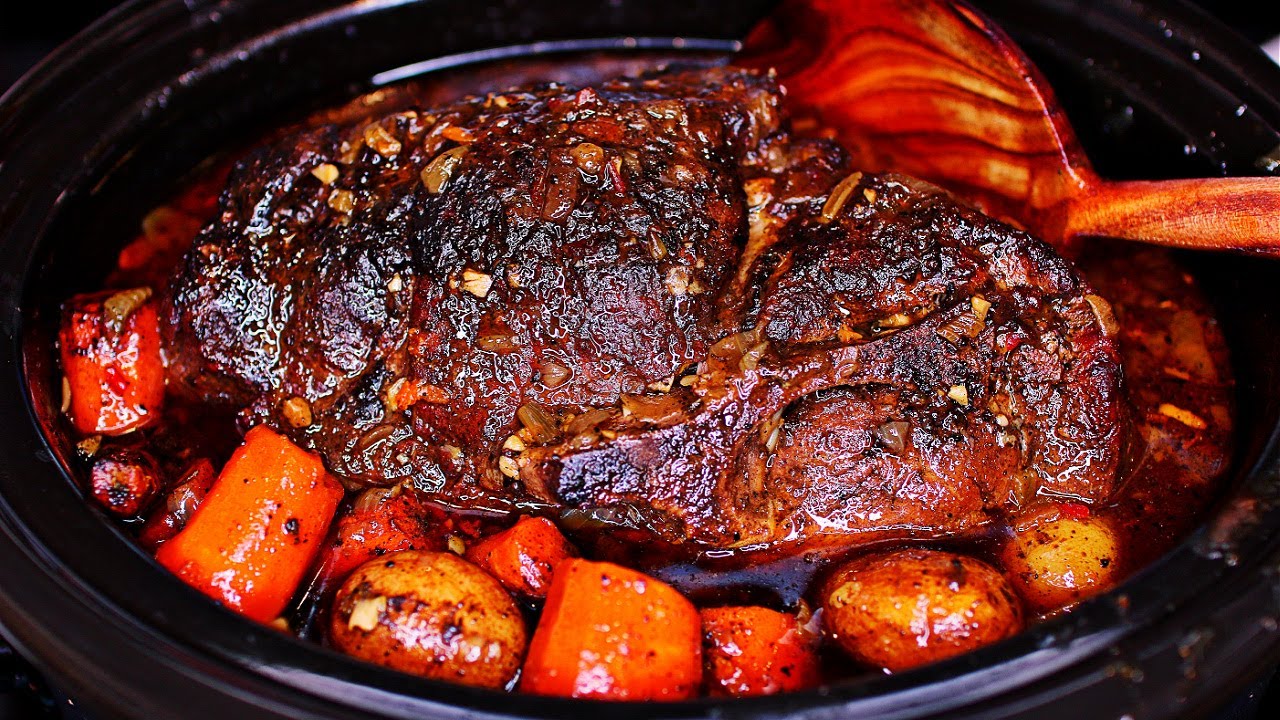
There are a few dinners that feel like you did something heroic even though the slow cooker did most of the work. Slow cooker pork roast is one of those. You get tender meat, a cozy oniony gravy, and a kitchen that smells like Sunday dinner, even if it is a random Tuesday.
This version is designed for real life: an affordable cut of pork, pantry seasonings, a simple braising liquid, and optional veggies that can cook right alongside the roast. I will walk you through which cut to buy, how to keep it from drying out, and exactly how to turn those drippings into a gravy you will want to spoon over everything.

Why this recipe works
Slow cookers excel at gentle, moist heat. That is perfect for pork roasts with connective tissue, which needs time to soften. The key is choosing the right cut and using enough flavorful liquid to create a braise, not a steam bath.
- Low, steady heat breaks down collagen so the roast turns tender instead of tough.
- Aromatics like onion and garlic infuse the cooking liquid, which becomes your gravy.
- A quick sear (optional but recommended) adds depth and makes the finished dish taste like it cooked all day on purpose.
What “enough liquid” looks like: aim for liquid that comes about 1/3 to 1/2 up the sides of the roast. You are braising, not boiling.
Ingredient notes
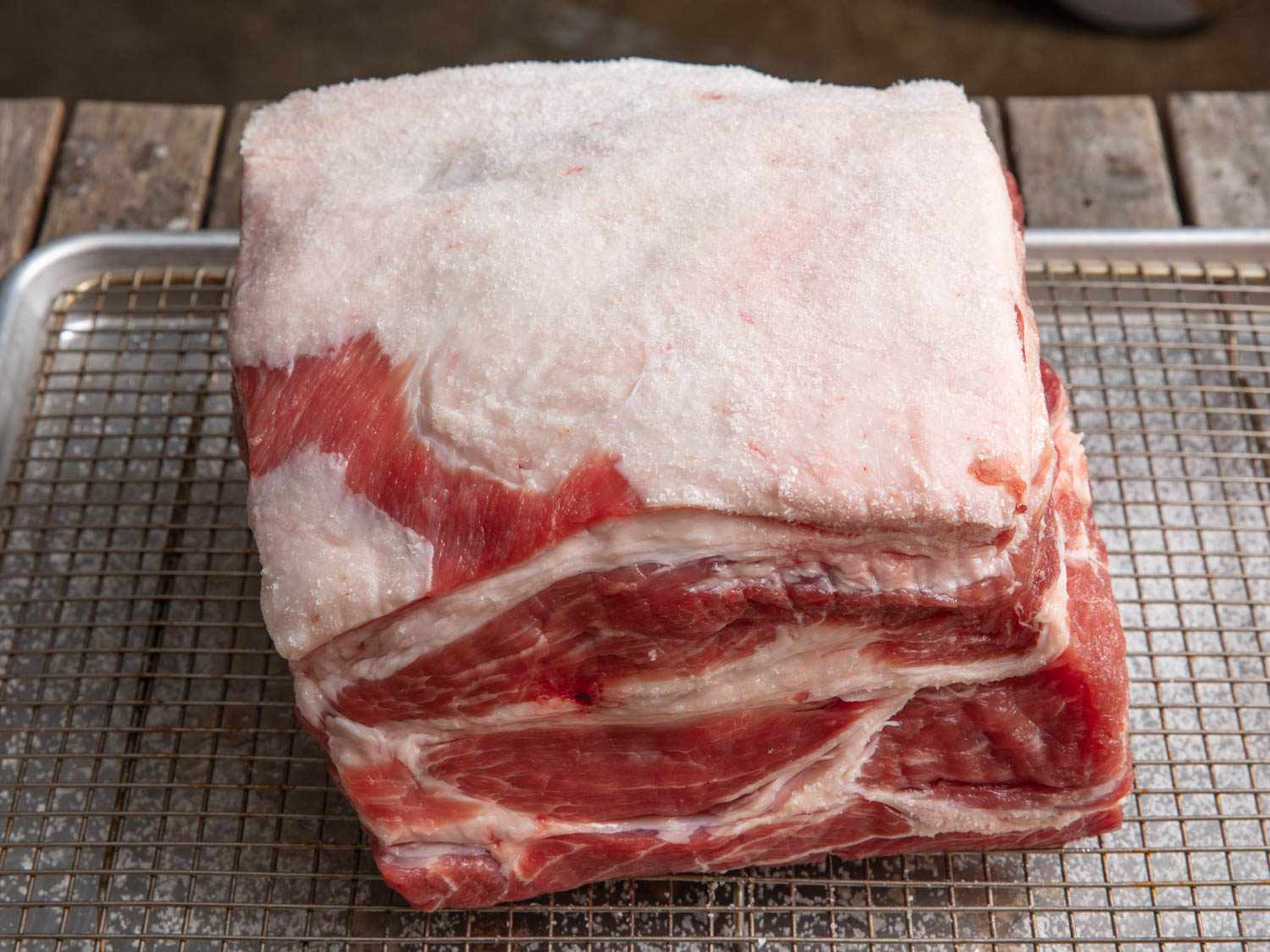
- Pork roast: For juicy, forgiving results, choose a roast with marbling. Pork shoulder (Boston butt) stays moist and gets fall-apart tender. Pork loin roast is leaner and slices nicely but can dry out, so use a thermometer and start checking early. Pork sirloin roast is a middle ground. Skip tenderloin since it is too lean and cooks too quickly for true low-and-slow.
- Fat cap: If your roast has one, set it fat side up so it bastes as it cooks. You can trim any very thick outer layer of fat, but leave a thin cap for flavor.
- Broth: Chicken or beef broth both work as the braising liquid.
- Soy sauce or Worcestershire: Adds savory depth to the cooking liquid and gravy.
- Tomato paste (optional): Adds richer color and flavor.
- Herbs: Thyme, rosemary, or Italian seasoning all fit the classic pot roast profile.
- Optional vegetables: Baby potatoes, carrots, celery, or mushrooms. Put sturdy vegetables (potatoes and carrots) under the roast so they cook in the liquid and catch drippings. Add mushrooms in the last 60 to 90 minutes so they do not turn spongy.
- Thickener: Cornstarch slurry or a flour gravy both work for finishing the drippings into gravy.
Equipment you will need
- Slow cooker: A 6 to 7 quart slow cooker is ideal for a 3 to 5 pound roast plus vegetables. Avoid filling the insert more than about two-thirds full so it cooks evenly.
- Skillet: For the optional sear.
- Thermometer: Especially important for lean roasts like pork loin (temperature beats the clock).
- Saucepan and whisk: For thickening gravy (or use the slow cooker on HIGH).
- Fat separator or spoon: For degreasing drippings if needed.
Pro tips
- Season generously: Pork roasts are thick. As a baseline, use about 2 teaspoons kosher salt for a 3 to 5 pound roast, plus black pepper on all sides. For extra flavor, add paprika, garlic powder, and a pinch of dried thyme.
- Sear for depth: Browning the roast on all sides (without cooking it through) makes the finished dish taste more “roasty.”
- Pour liquid around the roast: Add the braising liquid around the sides, not directly over the top, so the seasoning does not wash off.
- Use the right liquid level: Keep liquid about 1/3 to 1/2 up the sides of the roast. Do not cover it.
- Rest before slicing: Rest the roast 10 to 15 minutes, loosely covered, to keep juices in the meat.
- Make gravy taste cleaner: If drippings look oily, skim fat, use a separator, or chill the liquid 10 to 15 minutes so fat rises and is easy to remove.
- Texture targets: Sliceable loin or sirloin is best at 145°F (then rest). For shreddable shoulder, cook to 190 to 205°F for pull-apart texture.
Substitutes that work
- Cut of pork: Pork shoulder (Boston butt), pork loin roast, or pork sirloin roast can be used depending on whether you want shreddable or sliceable pork.
- Broth: Chicken broth or beef broth both work.
- Umami seasoning: Use soy sauce or Worcestershire.
- Gravy thickener: Use a cornstarch slurry or make a flour gravy with butter and flour.
Variations
Garlic herb
Add extra garlic, rosemary, and lemon zest at the end for brightness.
BBQ-style
Swap the broth for a mix of broth and your favorite BBQ sauce. Use shoulder and cook until shreddable. Great for sandwiches.
Mexican-inspired
Add cumin, oregano, and a jar of salsa verde. Finish with lime and cilantro. Serve in tortillas with the slow-cooked onions.
Serving ideas
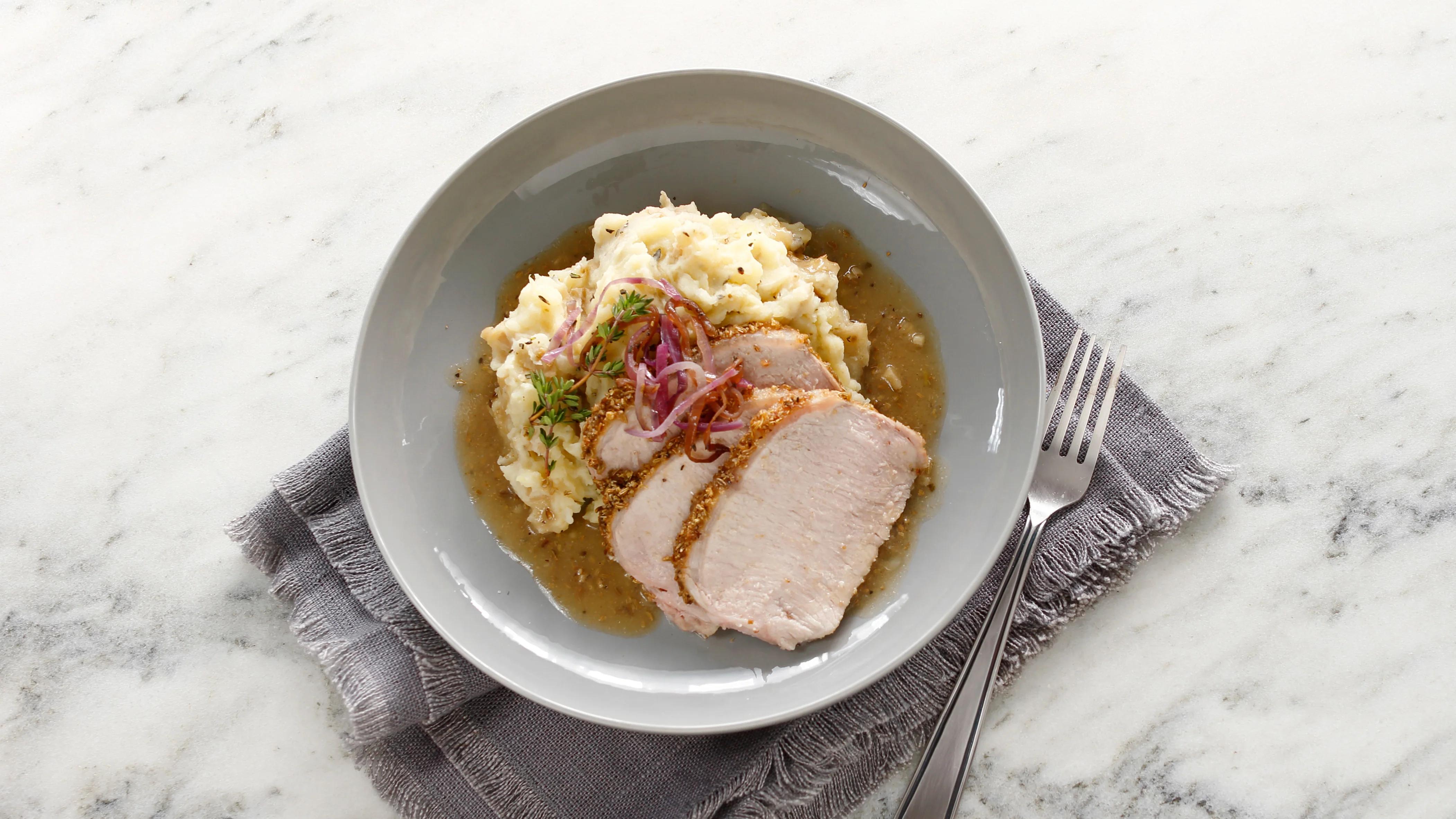
- Mashed potatoes or buttered egg noodles for maximum gravy potential
- Roasted or steamed green beans, broccoli, or a simple salad to balance the richness
- Buttermilk biscuits or crusty bread for swiping up the sauce
Storage and reheating
- Refrigerate: store pork and gravy in separate containers for up to 4 days.
- Freeze: freeze sliced or shredded pork with a little gravy (this prevents dryness) for up to 3 months.
- Reheat: warm gently on the stovetop with a splash of broth, or microwave at 50 percent power in short bursts.
Common mistakes
- Using an extra-lean cut and treating it like set-it-and-forget-it: Pork loin can dry out during long cooks. Start checking at 4 hours on LOW and pull at 145°F, then rest.
- Overcooking lean cuts: Liquid helps, but overcooking is still the main dryness culprit for loin.
- Drowning the roast: Do not cover it with liquid. Keep liquid about 1/3 to 1/2 up the sides of the roast.
- Lifting the lid too often: Every peek releases heat and adds cook time.
- Adding mushrooms too early: Add them in the last 60 to 90 minutes so they do not turn spongy.
- Skipping the rest: Not resting 10 to 15 minutes can send juices onto the cutting board instead of staying in the meat.
- Not degreasing drippings when needed: Very oily drippings can make gravy taste heavy and thicken poorly.
FAQ
Do I need to add liquid?
Yes. Pork releases some juices, but not always enough for consistent results. A cup or two of broth creates the braising environment that gives you gravy and helps prevent scorching. For lean cuts, remember that liquid helps, but overcooking is still the main dryness culprit.
Can I cook pork roast with potatoes and carrots?
Absolutely. Put potatoes and carrots on the bottom, roast on top. If your potatoes are large, cut them into 1 1/2 to 2 inch pieces so they cook through at the same pace.
Why is my pork roast tough?
Tough usually means it needs more time (for shoulder) or it is a lean cut that overcooked (for loin). Shoulder gets tender as collagen breaks down. Loin does not have much collagen, so once it goes past tender, it dries out.
Can I cook a frozen roast in the slow cooker?
I do not recommend it. Slow cookers heat too slowly for frozen meat to move through the temperature danger zone safely. Thaw in the fridge first.
The recipe
Slow Cooker Pork Roast
Slow Cooker Pork Roast with onions, garlic, and a savory braising liquid that turns into an easy gravy. Includes timing guidance for shoulder, sirloin, or loin, plus optional potatoes and carrots cooked alongside.
- Prep
- 20 minutes
- Cook
- 8 to 10 hours
- Total
- 8 hours 30 minutes
- Yield
- 6 to 8 servings
Ingredients
- 3 to 5 lb pork shoulder (preferred) or pork loin roast
- 2 tsp kosher salt (plus more to taste)
- 1 tsp black pepper
- 1 tsp paprika (optional)
- 1 large onion, sliced
- 4 cloves garlic, minced
- 1 1/2 cups chicken broth (or beef broth)
- 1 tbsp soy sauce or Worcestershire sauce
- 1 tbsp tomato paste (optional)
- 1 tsp dried thyme or Italian seasoning
- Optional vegetables: 1 1/2 lb baby potatoes, 4 carrots cut into 1 1/2 to 2 inch chunks
- To thicken: 2 to 3 tbsp cornstarch mixed with 2 to 3 tbsp cold water
Instructions
- Season pork all over with salt, pepper, and paprika (if using).
- Optional: Sear pork in a hot skillet with a little oil until browned on all sides, 6 to 8 minutes total.
- Add onions (and optional potatoes and carrots) to the bottom of the slow cooker. Add garlic.
- Whisk broth, soy sauce or Worcestershire, tomato paste (if using), and herbs. Pour around the roast.
- Cook on LOW until done: shoulder 8 to 10 hours; sirloin 6 to 8 hours; loin 4 to 6 hours, start checking early for 145°F.
- Remove roast and rest 10 to 15 minutes. Slice or shred.
- For gravy: skim fat from drippings if desired. Pour drippings into a saucepan (or use slow cooker on HIGH). Whisk in cornstarch slurry and simmer until thickened, 2 to 5 minutes. Taste and adjust salt.
Notes
- If using pork loin, do not overcook. Use a thermometer and pull at 145°F, then rest.
- For shreddable pork, choose shoulder and cook to a higher temperature for texture, usually 190 to 205°F.
- Freezer tip: freeze pork with a bit of gravy to keep it moist when reheated.
Nutrition
- Calories: 430
- Fat: 24 g
- Carbs: 14 g
- Protein: 39 g
- Fiber: 2 g
- Sugar: 3 g
- Sodium: 720 mg
Nutrition values are approximate and will vary by cut of pork, how much gravy is served, and whether you include the optional vegetables.