The most common pasta slip-ups home cooks make, plus quick fixes for better texture, better sauce cling, and better flavor tonight.
recipes
Traditional Italian Lasagna vs. American Lasagna

Elena Martinez
Elena Martinez is a former bakery manager turned full-time food writer and recipe developer. With over a decade of experience translating professional culinary techniques into approachable home cooking, she believes that a great meal doesn't require a culinary degree or expensive ingredients.
Created September 21, 2026
Last updated September 21, 2026
If you grew up with lasagna on the table for birthdays, snow days, or “someone’s coming over” Sundays, you probably have a very clear picture of what lasagna should be. Here’s the fun part: in Italy, that picture can look pretty different from the extra-cheesy, red-sauce-forward pan many of us know in the US.
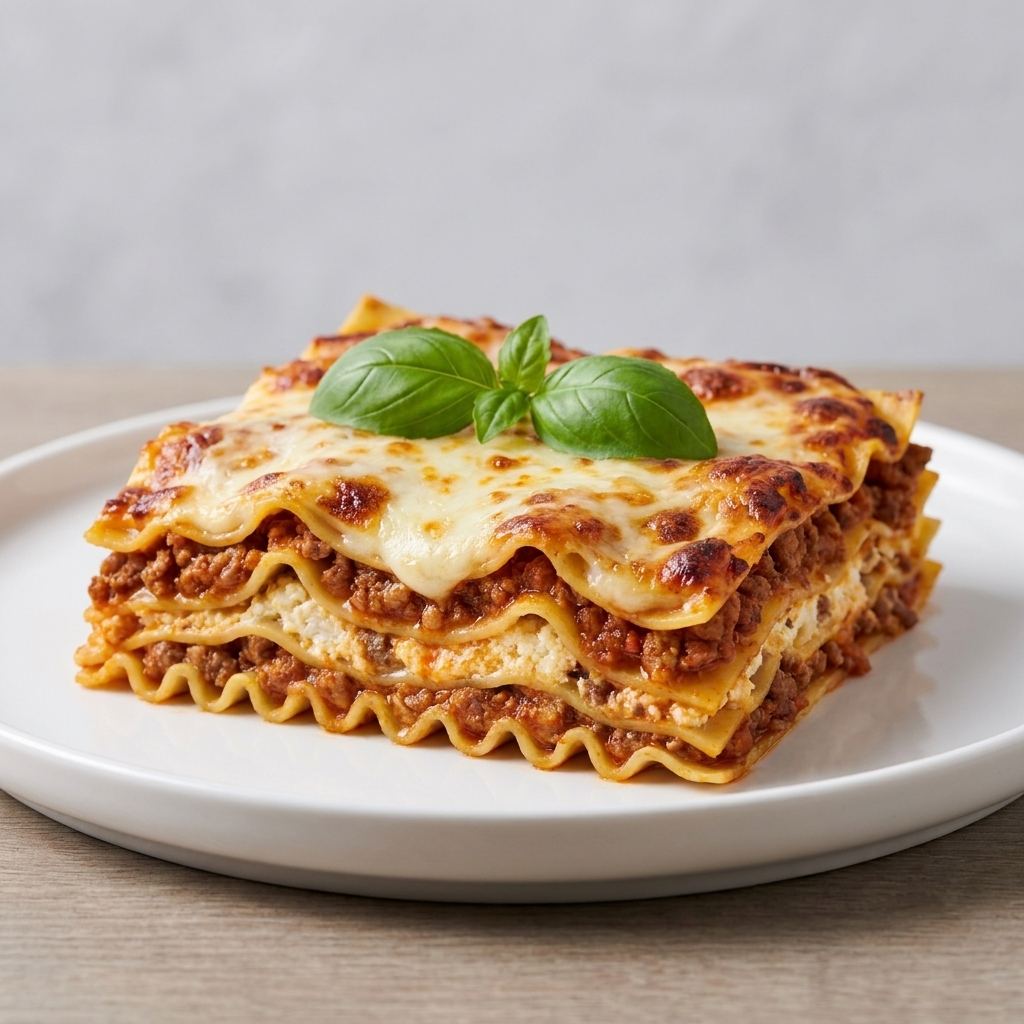
Neither version is “better.” They are simply built on different goals. Many Italian lasagnas are about balance and restraint, with tender pasta, a silky béchamel, and a ragù that tastes like it simmered all afternoon (because it often does). Many American lasagnas lean bolder and more maximalist, with a brighter tomato sauce, ricotta, lots of mozzarella, and that swoon-worthy cheese pull.
Key differences
- Sauce: Italian versions often use a slow-cooked meat ragù. American versions often use a tomato-meat sauce that can be quicker or long-simmered, depending on the family.
- White sauce vs ricotta: Many classic northern Italian lasagnas use béchamel for creaminess. Many American lasagnas use ricotta (often mixed with egg and herbs).
- Cheese: Italian: Parmigiano-Reggiano (or Parmesan) and sometimes mozzarella. American: lots of mozzarella plus ricotta, sometimes provolone, plus Parmesan.
- Pasta: Italian: fresh egg pasta sheets are common in many regions. American: dried no-boil or boiled noodles are typical and convenient.
- Seasoning: Italian: more subtle, let the ragù and dairy do the work. American: more garlic, herbs, and sometimes a touch of sugar.
- Texture: Italian: softer, custardy, sliceable but tender. American: thicker layers, more distinct noodle and cheese strata.
What “traditional” means
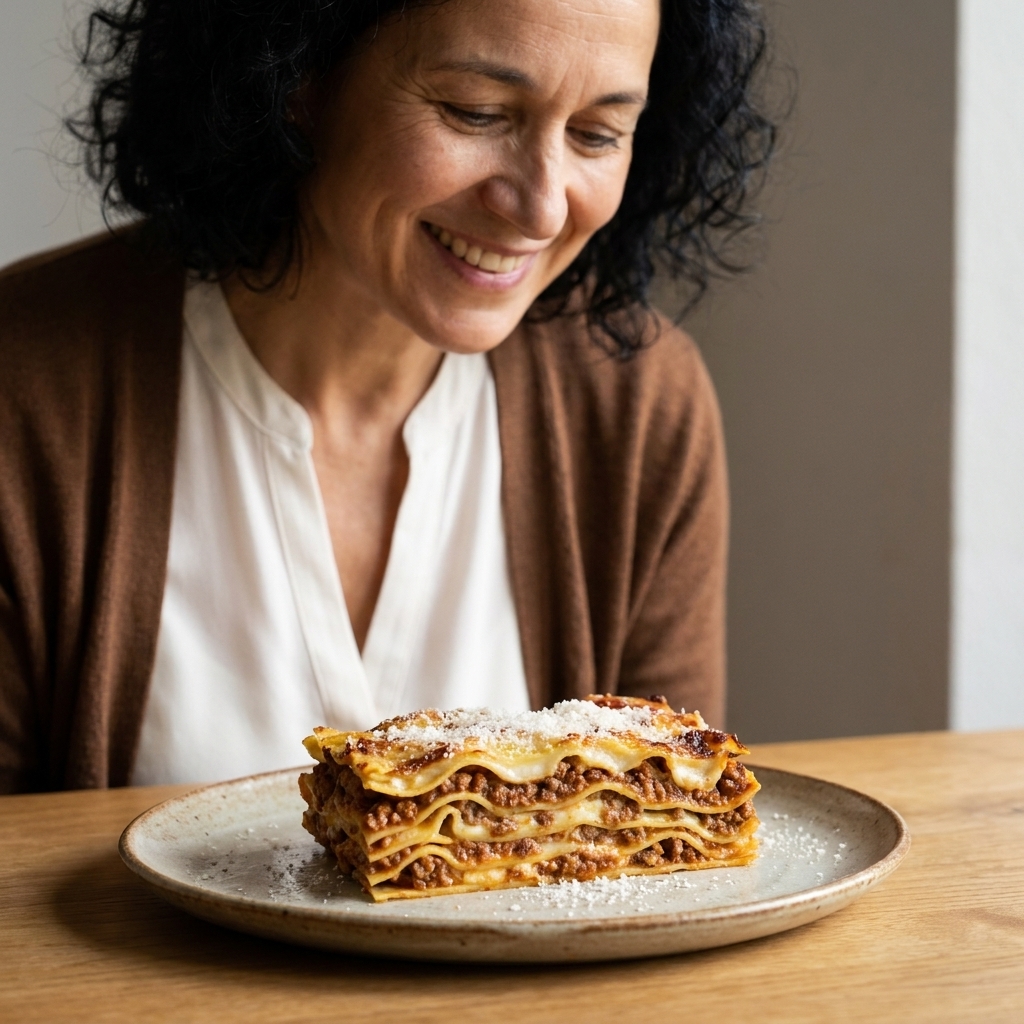
Italy has many traditional lasagnas, and “traditional” often means regional. Outside Italy, when people say “traditional Italian lasagna,” they are often referring to Lasagna alla Bolognese from Emilia-Romagna: layers of pasta (often made with green, spinach egg pasta in Emilia-Romagna), ragù alla Bolognese, béchamel, and Parmigiano-Reggiano.
In other parts of Italy, you will absolutely find lasagnas that use ricotta, especially in the south, along with all sorts of beloved variations. The point is not rules. It is understanding what each style is trying to do, then choosing the one you want to eat.
American-style lasagna
American lasagna took what Italian immigrants already knew and adapted it to ingredients that were affordable and widely available here. Ricotta became a staple. Mozzarella became a comfort-food hero. Tomato sauce leaned brighter, often with garlic, oregano, and basil leading the charge.
The result is the lasagna many of us picture first: a hearty, cheesy bake that’s designed to be generous, crowd-pleasing, and reheats like a dream. If you love leftovers (hi, it’s me), American lasagna is basically meal prep disguised as love.

Recipe 1: Lasagna alla Bolognese
This version takes a little time, but it’s not complicated. Think of it as two calm projects: simmer the ragù, whisk the béchamel, then layer. If you can make a good grilled cheese, you can absolutely make béchamel. I’ll walk you through it.
Ingredients (9x13-inch pan, 8 to 10 servings)
- For the ragù
- 2 tbsp olive oil (or 1 tbsp olive oil plus 1 tbsp butter)
- 1 medium onion, finely diced
- 1 medium carrot, finely diced
- 2 ribs celery, finely diced
- 2 oz (60 g) pancetta, finely chopped (optional, but very classic)
- 1 lb (450 g) ground beef (80 to 85% lean)
- 1/2 lb (225 g) ground pork
- 2 tbsp tomato paste
- 1/2 cup dry white wine (or red, or use broth)
- 1 cup whole milk (yes, milk belongs here)
- 1 (14 to 15 oz) can crushed tomatoes or passata (or 1 1/2 cups), plus up to 1/2 cup water if needed
- 1 bay leaf
- Salt and black pepper
- For the béchamel
- 6 tbsp unsalted butter
- 1/2 cup all-purpose flour
- 4 cups whole milk, warmed
- 1/2 tsp kosher salt, plus more to taste
- Pinch of nutmeg
- Black pepper
- For assembly
- 12 to 14 lasagna sheets (fresh is ideal; no-boil also works)
- 1 1/2 to 2 cups finely grated Parmigiano-Reggiano (or a good Parmesan)
- Optional: 4 to 8 oz (115 to 225 g) low-moisture mozzarella, shredded (not required, but many families use a little)
Step-by-step
- Build the ragù base. In a large Dutch oven, heat oil over medium heat. Add onion, carrot, celery, and pancetta (if using) with a pinch of salt. Cook 8 to 10 minutes until softened and sweet, not browned.
- Brown the meat. Add beef and pork. Cook, breaking it up, until no longer pink and you see some browned bits forming. Those bits are flavor.
- Toast the tomato paste. Stir in tomato paste and cook 1 to 2 minutes.
- Deglaze. Pour in the wine and scrape up any browned bits. Let it simmer 2 minutes.
- Milk, then tomato. Stir in the milk and let it simmer 3 to 4 minutes. Add crushed tomatoes or passata and the bay leaf. Bring to a gentle simmer.
- Simmer low and slow. Partially cover and simmer 2 to 3 hours, stirring occasionally. If it gets too thick, add a splash of water. You want a rich ragù, not a watery sauce. Season with salt and pepper. Remove bay leaf.
- Make béchamel. In a saucepan, melt butter over medium heat. Whisk in flour and cook 1 to 2 minutes until it smells lightly nutty. Slowly whisk in warm milk a little at a time to prevent lumps, then add the rest. Simmer 5 to 8 minutes, whisking, until thick enough to coat the back of a spoon. Season with salt, pepper, and nutmeg.
- Heat the oven. Preheat to 375°F (190°C).
- Layer. In a 9x13 pan, spread a thin layer of ragù. Add pasta sheets. Spread ragù, then a ladle or two of béchamel, then a sprinkle of Parmigiano-Reggiano. Repeat 4 to 5 layers, finishing with béchamel and a generous cheese layer (and mozzarella if using).
- Bake. Cover with foil and bake 25 minutes. Uncover and bake 15 to 20 minutes more until bubbling and lightly browned on top.
- Rest. Let it rest 20 to 30 minutes before slicing. This is the difference between “soupy” and “perfect layers.”
Elena’s notes and smart swaps
- No wine? Use broth, or even water plus a squeeze of lemon at the end for brightness.
- No-boil sheets tip: No-boil noodles need moisture to hydrate. If your ragù is very thick, loosen it with a few tablespoons of water or extra béchamel so the edges do not dry out.
- Too much work for a weeknight? Make the ragù up to 3 days ahead, or freeze it for up to 3 months.
- About the “traditional” label: This is a Bolognese-style build (ragù + béchamel + Parmigiano). Family recipes vary, and that is part of the charm.
Recipe 2: Classic American Lasagna
This is the lasagna I make when I want maximum comfort with minimal fuss. The sauce is bold, the ricotta layer is creamy, and the mozzarella does what mozzarella does best: melts into a golden, bubbling blanket.
Ingredients (9x13-inch pan, 8 to 10 servings)
- For the meat sauce
- 1 tbsp olive oil
- 1 medium onion, diced
- 4 cloves garlic, minced
- 1 lb (450 g) ground beef (or half beef, half Italian sausage)
- 1 1/2 tsp kosher salt to start, then adjust (jarred marinara varies a lot)
- 1 tsp black pepper
- 2 tsp dried oregano
- 1 tsp dried basil (or 2 tbsp chopped fresh basil at the end)
- 1/4 tsp red pepper flakes (optional)
- 2 tbsp tomato paste
- About 6 cups marinara sauce (often 2 jars, and you may not use every last spoonful)
- For the ricotta layer
- 15 oz ricotta
- 1 large egg
- 1/2 cup grated Parmesan
- 2 tbsp chopped parsley (or basil)
- Pinch of salt
- For assembly
- 12 lasagna noodles (no-boil or traditional)
- 4 cups shredded low-moisture mozzarella
- Extra Parmesan for the top
Step-by-step
- If using traditional noodles, cook them. Boil in well-salted water until just shy of al dente, then drain and lay flat on a lightly oiled sheet pan to prevent sticking. (No-boil noodles skip this step.)
- Make the meat sauce. Heat oil in a large pot over medium heat. Cook onion 5 minutes. Add garlic and cook 30 seconds. Add beef and cook until browned. Stir in salt, pepper, oregano, basil, and red pepper flakes. Add tomato paste and cook 1 minute. Pour in marinara and simmer 15 to 20 minutes. Taste and adjust salt at the end.
- Mix the ricotta layer. In a bowl, stir together ricotta, egg, Parmesan, parsley, and a pinch of salt.
- Preheat the oven. 375°F (190°C).
- Layer. Spread a thin layer of sauce in the pan. Add noodles. Spread 1/3 of the ricotta mixture, then sauce, then a big handful of mozzarella. Repeat two more times. Finish with noodles, sauce, mozzarella, and a snowfall of Parmesan.
- Bake. Cover with foil (spray the underside with a little oil so cheese does not stick) and bake 30 minutes. Uncover and bake 15 to 20 minutes until bubbling and golden. For extra certainty, the center should be hot and reach 165°F (74°C).
- Rest. Rest 20 minutes before slicing. I know. It smells unfair. But it works.
Elena’s notes and smart swaps
- Want a lighter ricotta layer? Use part-skim ricotta and add 1/2 cup shredded mozzarella into the ricotta mixture for better melt without extra heaviness.
- Spinach add-in: Stir 10 oz thawed frozen spinach (squeezed very dry) into the ricotta layer.
- No-boil noodles tip: No-boil noodles need a looser sauce. If your marinara is very thick, thin it with a splash of water so the noodles hydrate and the edges do not dry out.
- Sauce shortcut: Jarred marinara plus browned sausage is my busy-weeknight secret weapon.

Which one to make
- Make the Bolognese-style lasagna if you love a more refined, slow-cooked flavor and a creamy, cohesive slice.
- Make the American-style lasagna if you want bold tomato flavor, lots of cheese, and the kind of leftovers you look forward to.
If you are feeding picky kids or a big crowd, American lasagna is usually the safest bet. If you are cooking for someone who loves classic Italian technique or you want a “special project” meal, go for ragù plus béchamel.
Make-ahead and storage
Make-ahead
- Assemble ahead: Both lasagnas can be assembled up to 24 hours in advance and refrigerated. Add 10 to 15 minutes to covered bake time.
- Freeze unbaked: Wrap tightly and freeze up to 3 months. Thaw in the fridge 24 to 48 hours before baking. If baking from frozen, keep it covered for most of the bake and cook until the center reaches 165°F (74°C).
Storage
- Refrigerate leftovers covered up to 4 days.
Reheating
- Best texture: Reheat slices in a 350°F (175°C) oven, covered, 15 to 25 minutes, or until hot through (165°F or 74°C in the center).
- Microwave: Totally fine for a quick lunch. Add a splash of water to the plate and cover loosely to keep it from drying out.
FAQ
Do Italians use ricotta in lasagna?
Sometimes, depending on the region and the recipe. In the classic lasagna alla bolognese style, the creamy element is typically béchamel, not ricotta. In other traditional Italian lasagnas, ricotta can absolutely show up.
Why does my lasagna get watery?
The usual culprits are sauce that is too thin, ricotta with lots of moisture, or not resting long enough before slicing. Simmer sauce until thick, drain any watery add-ins (like zucchini or spinach) very well, and let the baked lasagna rest at least 20 minutes.
No-boil noodles or boiled noodles?
No-boil noodles are convenient and work great when your sauce is loose enough to hydrate them. If you love super tender noodles and a guaranteed soft bite, boil traditional noodles just to barely al dente.