Quick, filling vegetarian dinners with tofu, edamame, and chickpeas. Six mix-and-match recipes with estimated protein, shortcuts, and real-life substitutions.
recipes
10 High-Protein Vegetarian Recipes for Post-Workout Recovery

Elena Martinez
Elena Martinez is a former bakery manager turned full-time food writer and recipe developer. With over a decade of experience translating professional culinary techniques into approachable home cooking, she believes that a great meal doesn't require a culinary degree or expensive ingredients.
Created September 21, 2026
Last updated September 21, 2026
After a workout, I want food that does two things: helps my muscles recover and keeps me full long enough that I am not rummaging through the pantry an hour later. These protein-forward vegetarian recipes lean on my favorite reliable players: lentils, quinoa, tempeh, tofu, Greek yogurt, cottage cheese, beans, and eggs. Nothing fussy, nothing expensive, and every single one is built to be doable on a weeknight.
Quick note before we cook: protein needs vary, but many people often feel best with a solid protein hit plus carbs after training. The carbs help replenish energy (especially after longer or higher-intensity sessions), and the protein supports repair. If you are short on time, prioritize a meal you will actually make consistently.
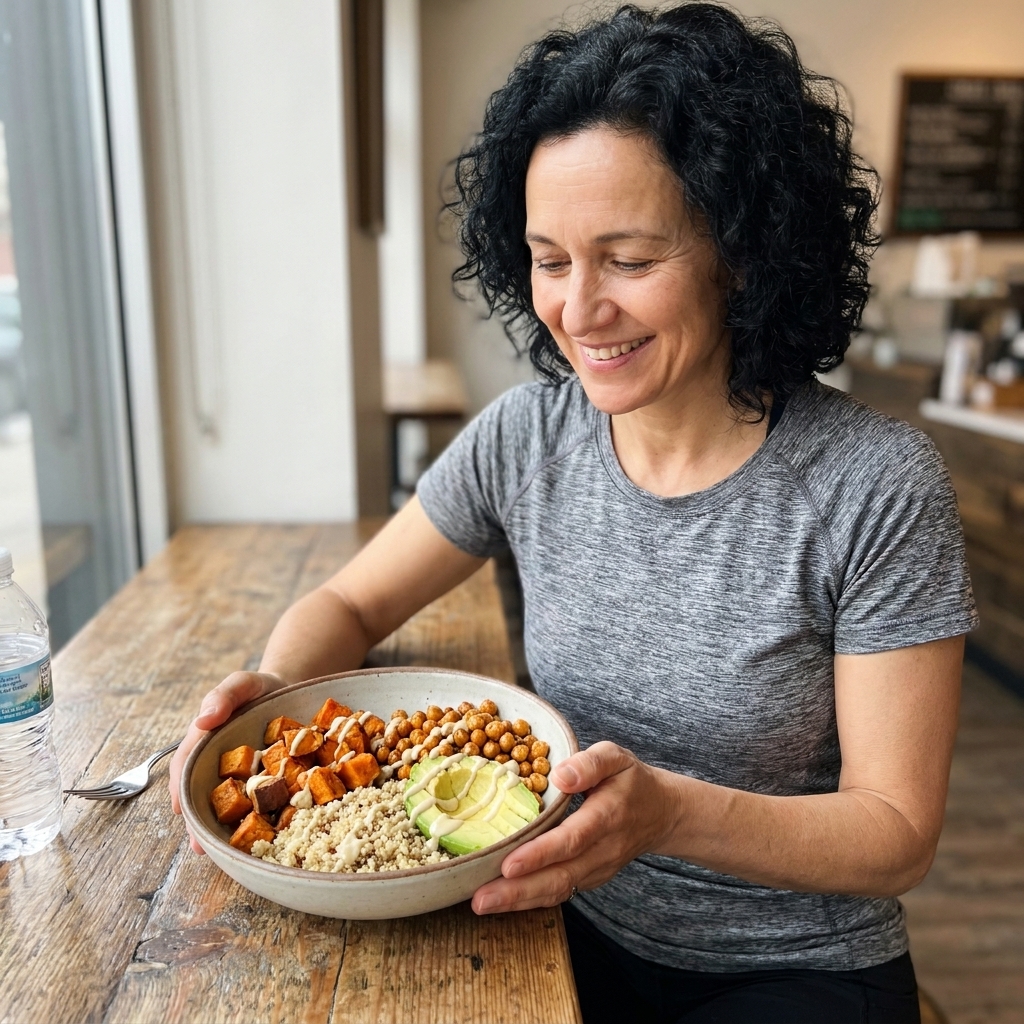
My easy post-workout formula
When I am writing or testing recipes, I use a simple checklist to keep meals satisfying and recovery-friendly:
- Protein anchor: tempeh, tofu, lentils, beans, Greek yogurt, cottage cheese, or eggs
- Carb base: quinoa, rice, potatoes, whole-wheat pasta, or tortillas
- Color and crunch: leafy greens, tomatoes, peppers, cucumbers, slaw, or roasted veggies
- Flavor and fats: olive oil, tahini, nuts, seeds, pesto, salsa, or a herby yogurt sauce
Aim (roughly): about 20 to 40 grams of protein in your post-workout meal works well for many adults, depending on body size, workout intensity, and total daily intake. Do not overthink timing, but if you trained fasted or you will not eat again for a while, it can help to get that meal or snack within a couple of hours.
Easy portion guide: 4 to 6 ounces tofu or tempeh, 3/4 to 1 cup Greek yogurt or cottage cheese, 1 to 1 1/2 cups cooked lentils or beans, or 2 to 3 eggs, plus a carb you enjoy.
If you want to bump protein without changing the whole dish, add hemp hearts, pumpkin seeds, a side of edamame, or an extra scoop of Greek yogurt sauce.
Allergen and diet notes: Several recipes include dairy, eggs, peanuts, and gluten-friendly ingredients. I included simple swaps in each one so you can adjust for what you eat and what you keep in your kitchen.
10 high-protein vegetarian recipes
Each recipe below includes a quick method, smart swaps, and make-ahead notes. Use these as mix-and-match templates and make them your own. Protein estimates are approximate and will vary by brand and portion size.
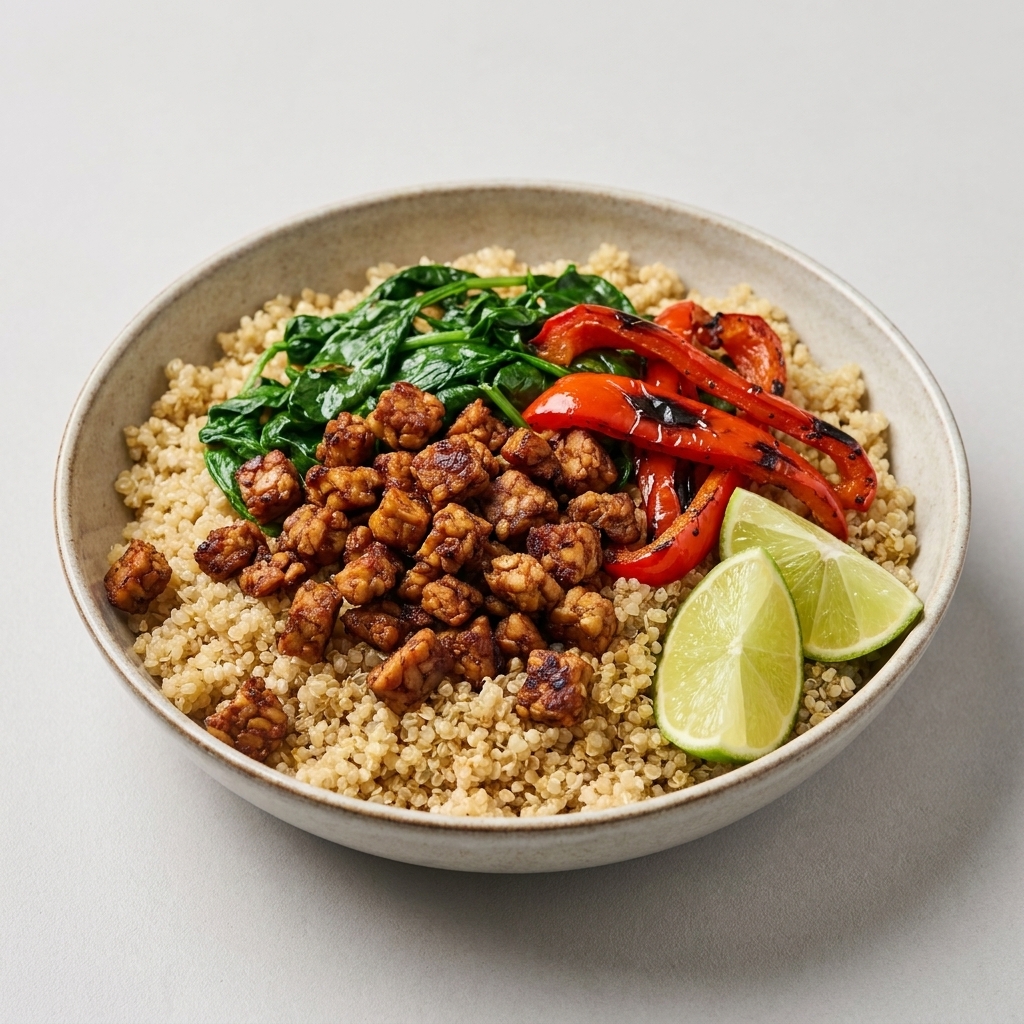
1) Smoky Tempeh Quinoa Power Bowls
Why it works: Tempeh is one of my favorite “chewy, satisfying” proteins and it takes on smoky spices beautifully. Quinoa adds a little extra protein compared to many grains, plus fluffy texture.
Protein (approx.): 25 to 35 grams per bowl (depending on tempeh portion and toppings).
Ingredients: tempeh, quinoa, baby spinach, roasted peppers or cherry tomatoes, avocado, lime, olive oil, smoked paprika, cumin, garlic, salt.
How to make: Cook quinoa. Crumble or cube tempeh, then sauté in olive oil with smoked paprika, cumin, and garlic until deeply browned. Toss spinach with lime and a pinch of salt. Build bowls with quinoa, greens, tempeh, and veggies. Finish with avocado and extra lime.
- Swap it: Use tofu, seitan, or chickpeas if tempeh is not your thing.
- Make-ahead: Cook quinoa and tempeh up to 4 days ahead. Assemble when ready.
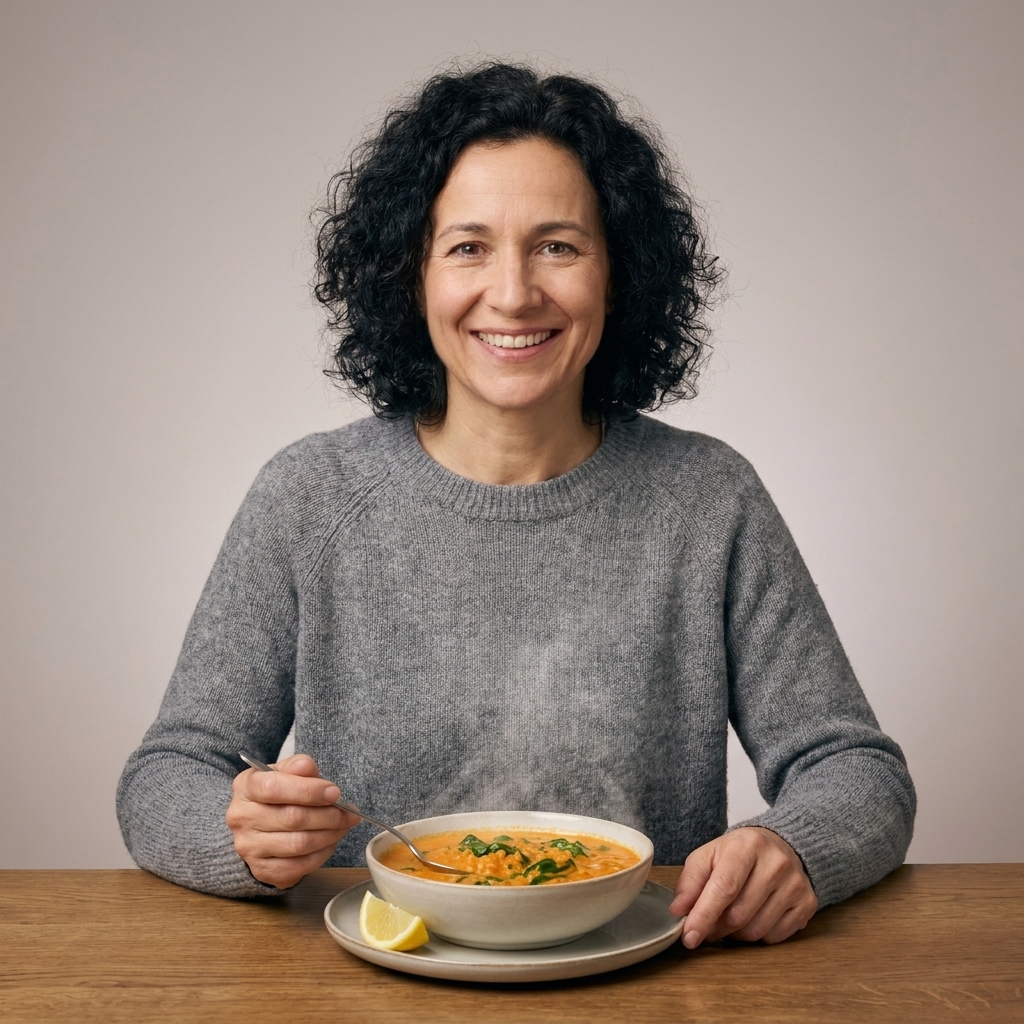
2) Red Lentil Coconut Curry with Spinach
Why it works: Red lentils cook fast, turn velvety, and feel like comfort food even when you are trying to eat “smart.”
Protein (approx.): 18 to 28 grams per serving (higher if you add tofu).
Ingredients: red lentils, onion, garlic, ginger, curry powder, light coconut milk, crushed tomatoes, spinach, lemon, salt.
How to make: Sauté onion, garlic, and ginger. Stir in curry powder, then lentils, tomatoes, coconut milk, and water. Simmer 12 to 15 minutes until creamy. Fold in spinach and finish with lemon.
- Swap it: Add cubed tofu for extra protein, or use kale instead of spinach.
- Make-ahead: This gets even better overnight. Thin with water when reheating.
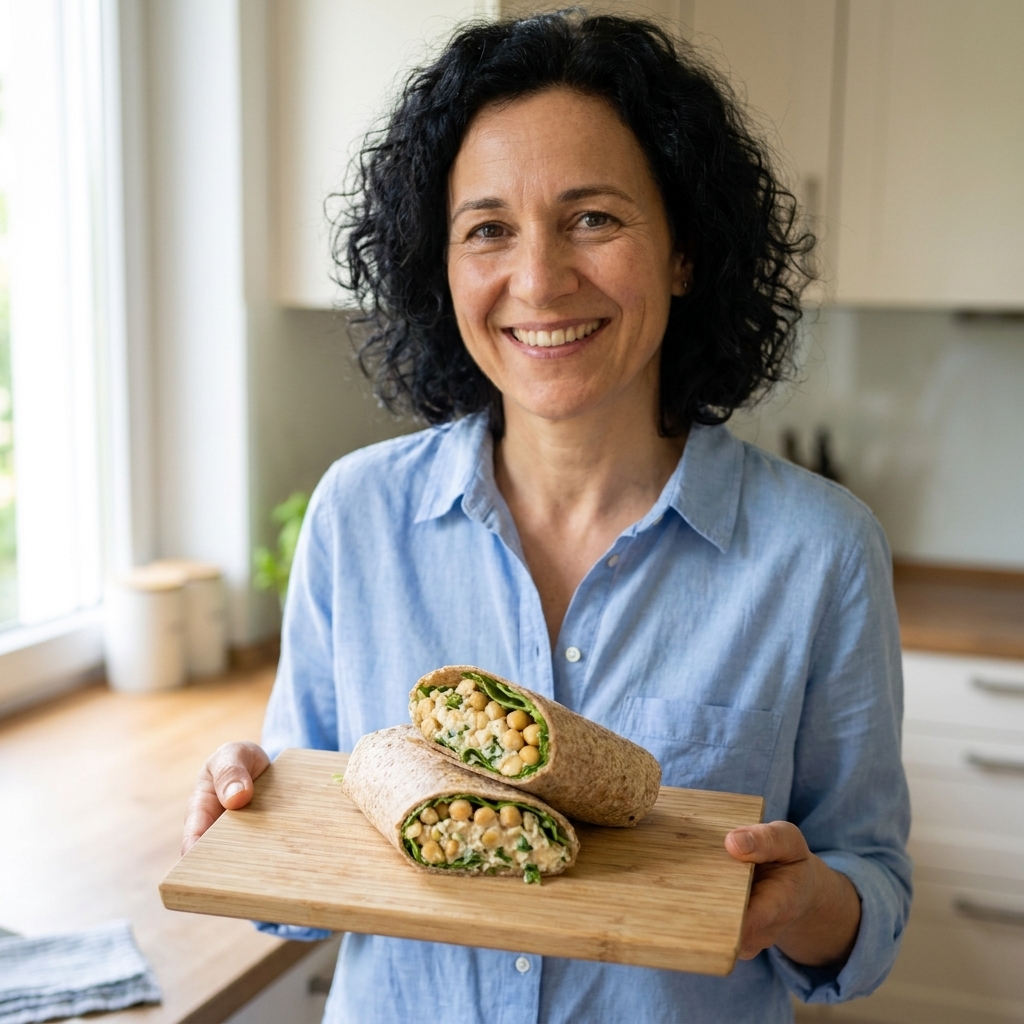
3) Lemon Herb Greek Yogurt Chickpea Salad Wraps
Why it works: This is my “no-stove” recovery meal. Greek yogurt adds protein and tang while keeping it light.
Protein (approx.): 20 to 30 grams per wrap (depending on yogurt amount and tortilla).
Ingredients: chickpeas, Greek yogurt, lemon zest and juice, Dijon mustard, chopped celery, red onion, parsley or dill, salt, pepper, whole-wheat tortillas.
How to make: Mash chickpeas lightly with a fork. Stir in yogurt, lemon, Dijon, and chopped veggies and herbs. Season well. Wrap in tortillas with greens.
- Swap it: Use skyr or blended cottage cheese instead of Greek yogurt. For dairy-free, use a thick unsweetened plant yogurt and add a spoonful of tahini for richness.
- Make-ahead: Keeps 3 to 4 days. Add greens at serving so they stay crisp.
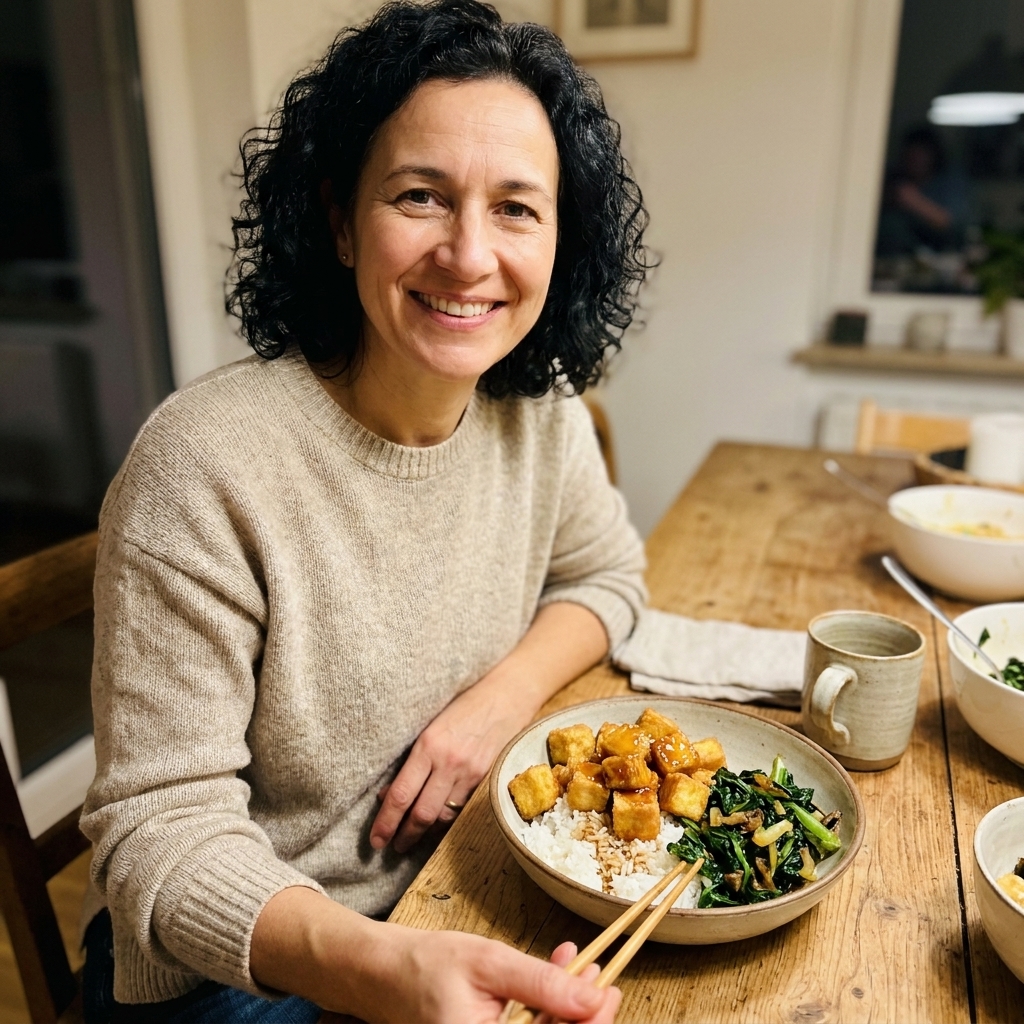
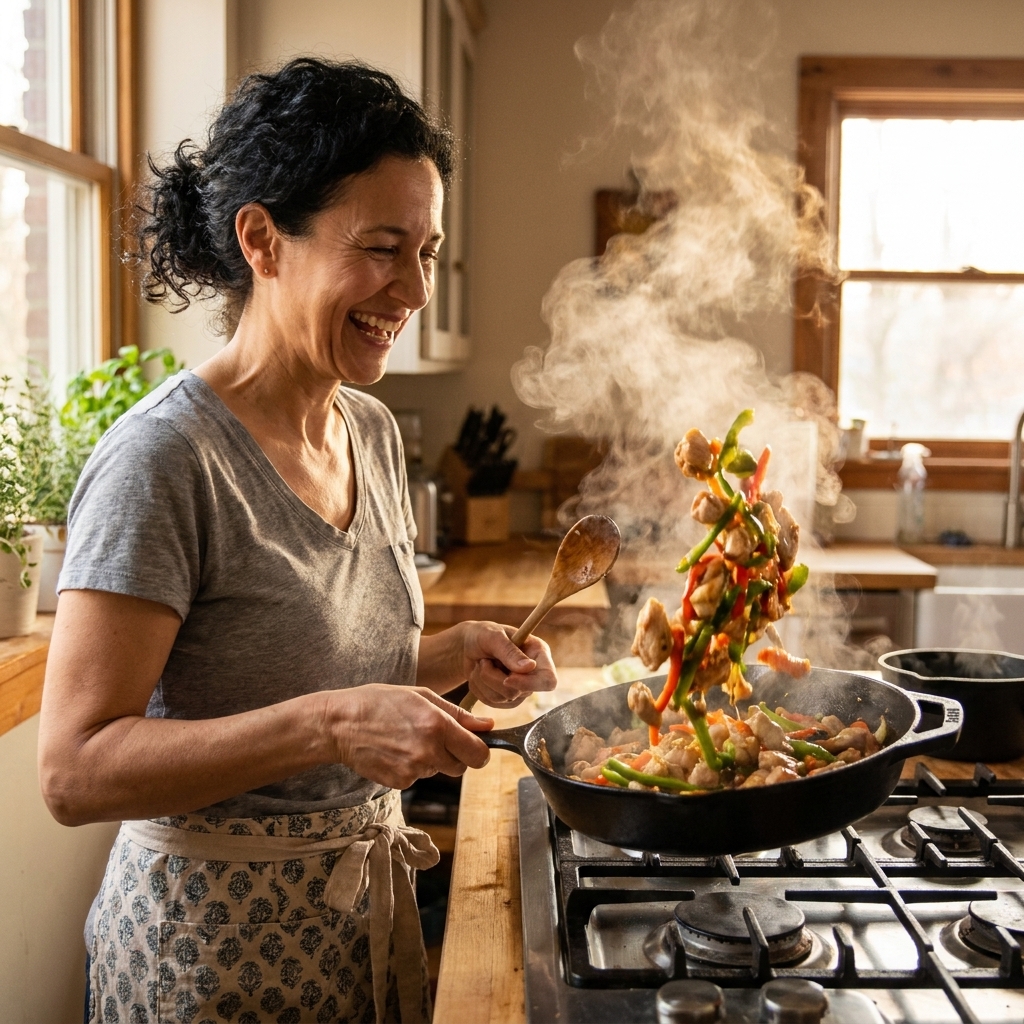
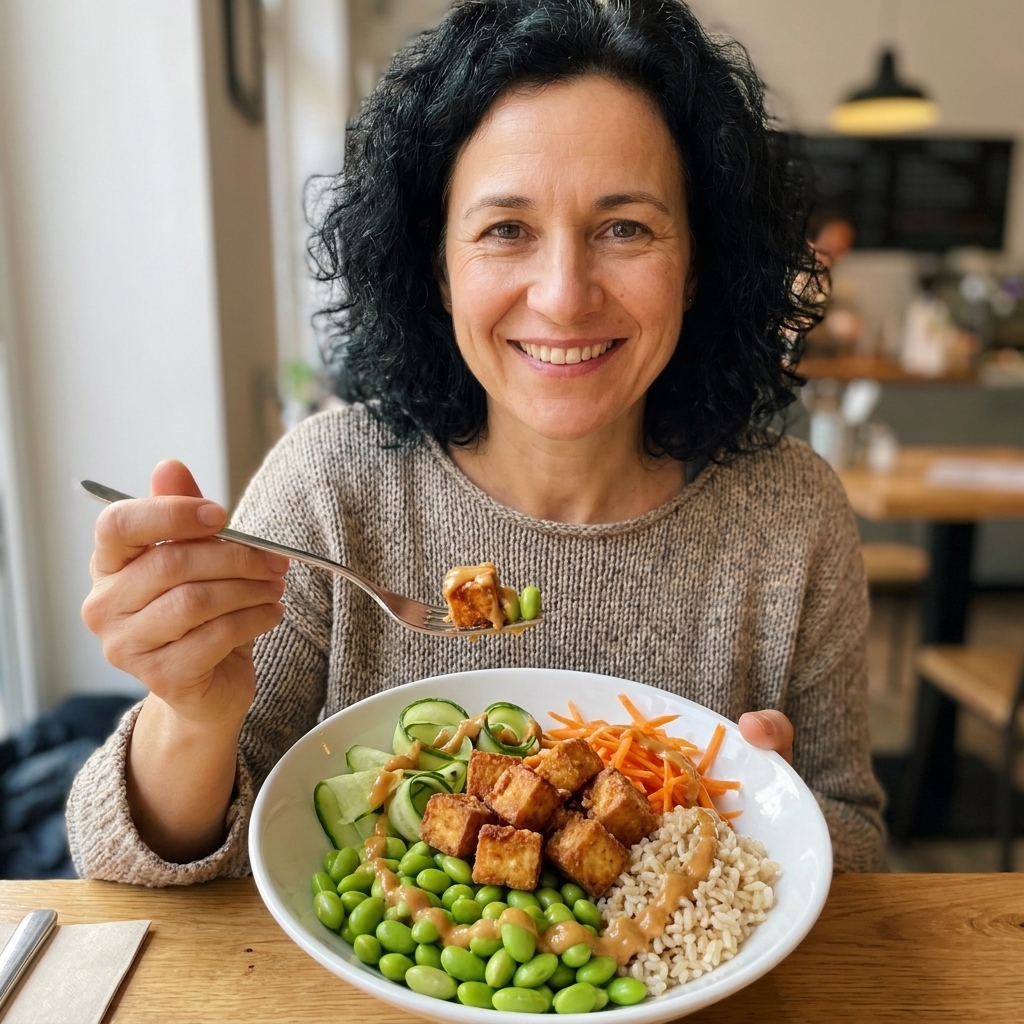
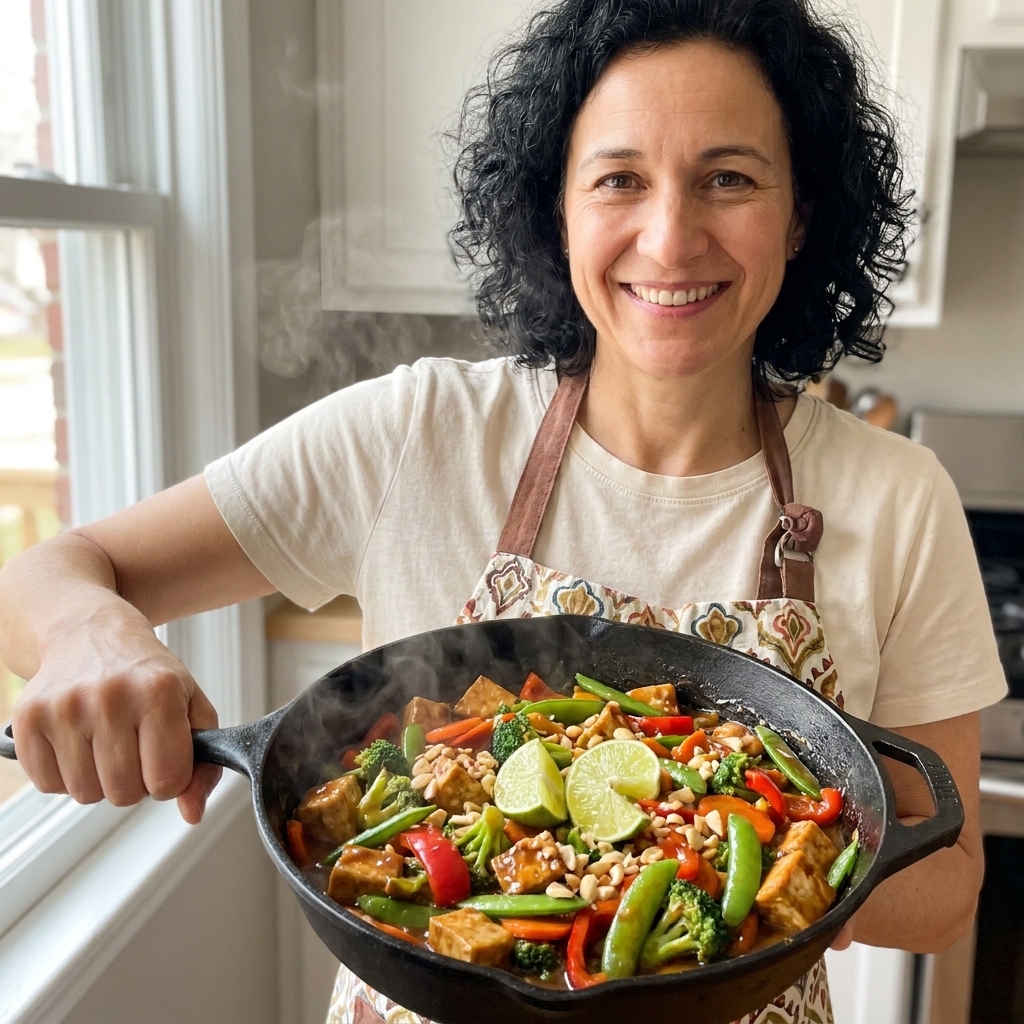
4) Tofu Veggie Stir-Fry with Peanut-Lime Sauce
Why it works: Tofu plus peanuts is a protein win, and a fast stir-fry is exactly the kind of meal you can make when you are tired but hungry.
Protein (approx.): 25 to 40 grams per serving (depending on tofu and whether you serve with quinoa).
Ingredients: extra-firm tofu, broccoli, bell peppers, carrots, garlic, soy sauce, peanut butter, lime, a touch of maple syrup, chili flakes, rice or quinoa.
How to make: Press tofu briefly, cube it, then pan-sear until golden. Stir-fry veggies. Whisk peanut butter, soy sauce, lime juice, maple, and chili flakes with a splash of water. Toss everything together and serve over rice or quinoa.
- Swap it: Sunflower seed butter works for peanut-free households. Use tamari for gluten-free.
- Make-ahead: Sauce keeps 1 week. Double it and you are halfway to tomorrow’s lunch.
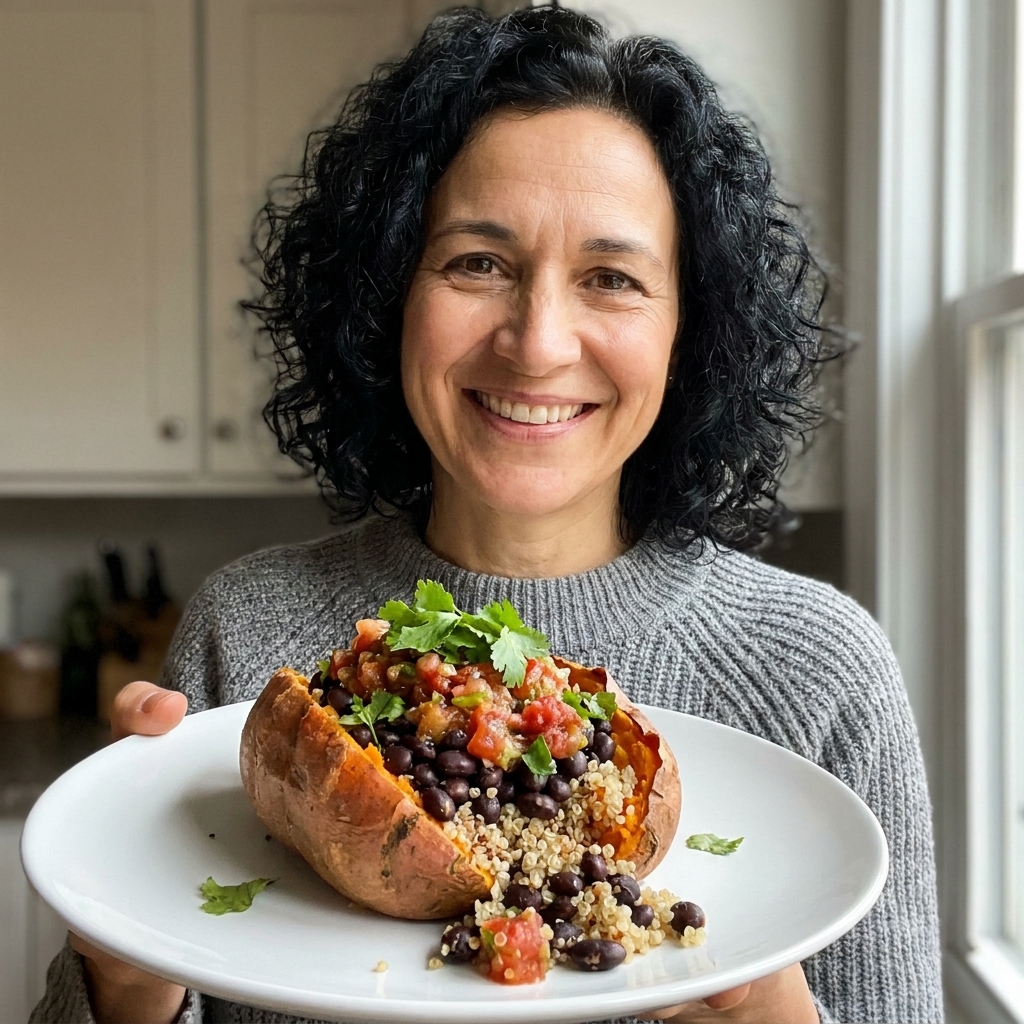
5) Black Bean and Quinoa Stuffed Sweet Potatoes
Why it works: Sweet potatoes bring the carbs your body often craves post-workout, while beans and quinoa handle the staying power.
Protein (approx.): 18 to 28 grams per potato (higher with cheese or Greek yogurt topping).
Ingredients: sweet potatoes, black beans, cooked quinoa, salsa, cumin, lime, shredded cheese or crumbled feta (optional), cilantro.
How to make: Bake or microwave sweet potatoes until tender. Warm beans with cumin and a splash of salsa. Split potatoes and pile on beans and quinoa. Finish with lime, cheese if using, and cilantro.
- Swap it: Use pinto beans, lentils, or tempeh crumbles.
- Make-ahead: Bake a batch of sweet potatoes and refrigerate. Reheat and stuff as needed.
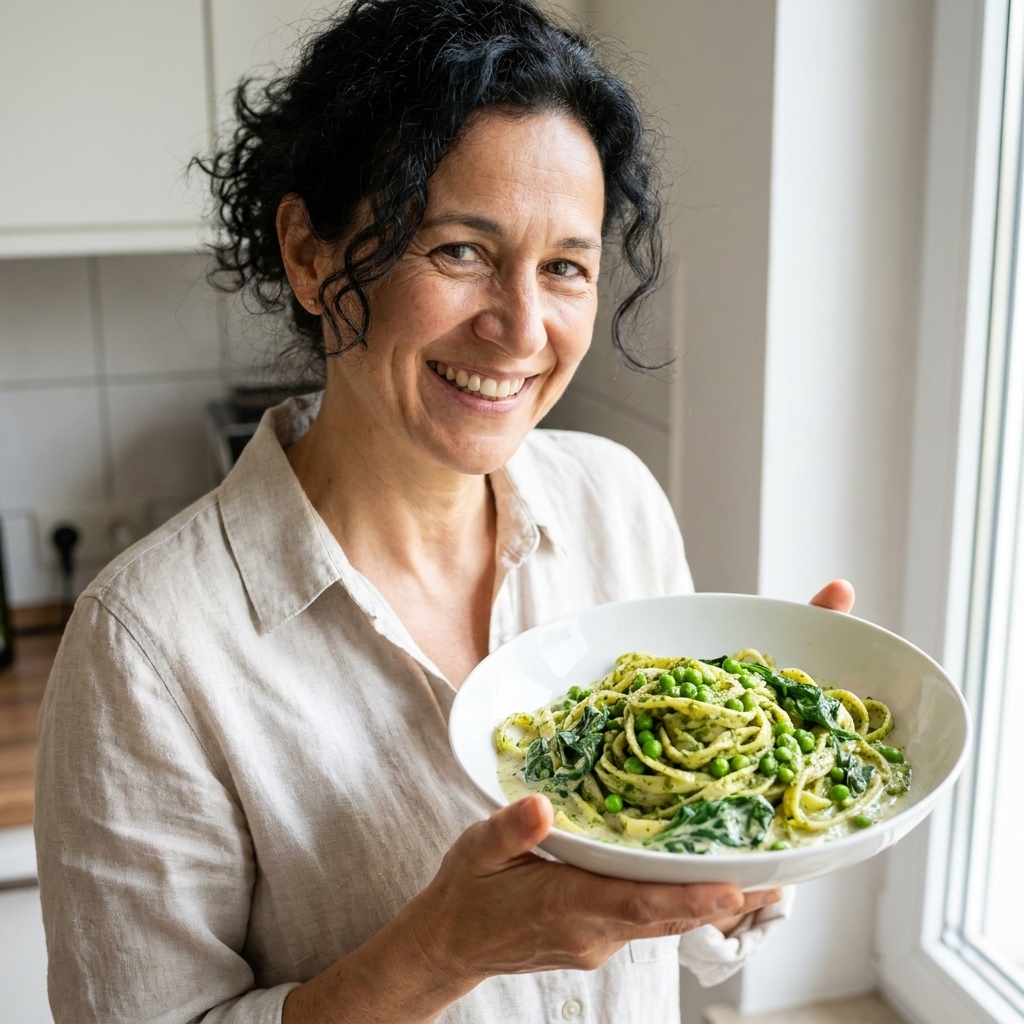
6) Cottage Cheese Pesto Pasta with Peas and Spinach
Why it works: Cottage cheese blends into a creamy, high-protein sauce without needing heavy cream. This is one of those “wait, that’s it?” dinners.
Protein (approx.): 25 to 35 grams per serving (depending on pasta type and cottage cheese amount).
Ingredients: whole-wheat pasta, cottage cheese, pesto, frozen peas, baby spinach, lemon, salt, pepper.
How to make: Cook pasta. In a blender, blend cottage cheese with pesto and a squeeze of lemon until smooth. Toss hot pasta with peas and spinach to wilt, then add the sauce. Thin with a splash of pasta water. Keep the heat gentle so the sauce stays smooth.
- Swap it: Use ricotta or Greek yogurt if you prefer. Add white beans for extra protein.
- Make-ahead: Sauce keeps 3 days. Reheat gently so it stays creamy.
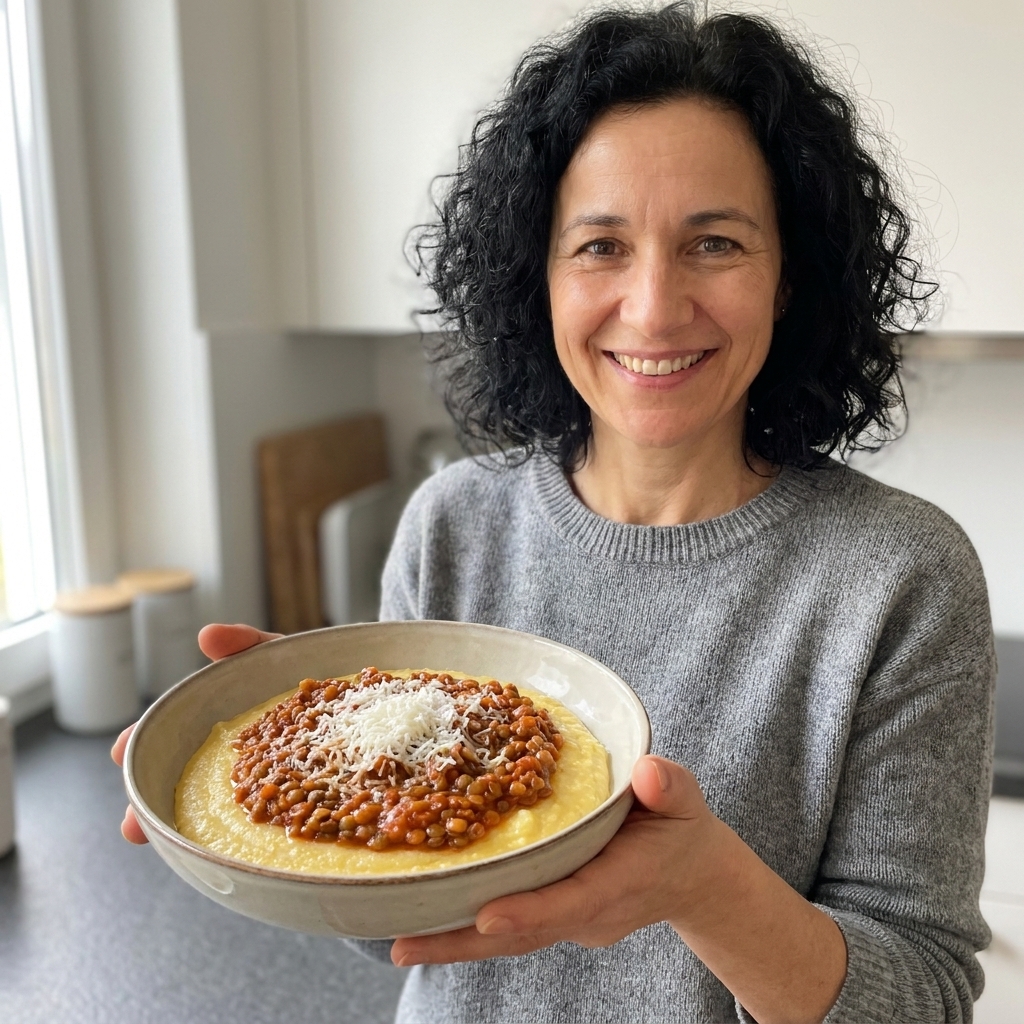
7) Lentil Bolognese Over Polenta
Why it works: Lentils give you that meaty, saucy texture without any meat at all. Polenta is comforting and quick, and it feels like a real reward meal.
Protein (approx.): 18 to 30 grams per serving (depending on lentil portion and whether you add Parmesan).
Ingredients: brown or green lentils, crushed tomatoes, onion, garlic, Italian seasoning, carrots, olive oil, polenta, Parmesan (optional).
How to make: Simmer lentils with aromatics, tomatoes, and seasoning until thick and spoonable. Cook polenta until creamy. Serve sauce over polenta with a drizzle of olive oil and Parmesan if you like.
- Swap it: Serve over whole-wheat spaghetti or roasted spaghetti squash.
- Make-ahead: Sauce freezes beautifully for up to 3 months.
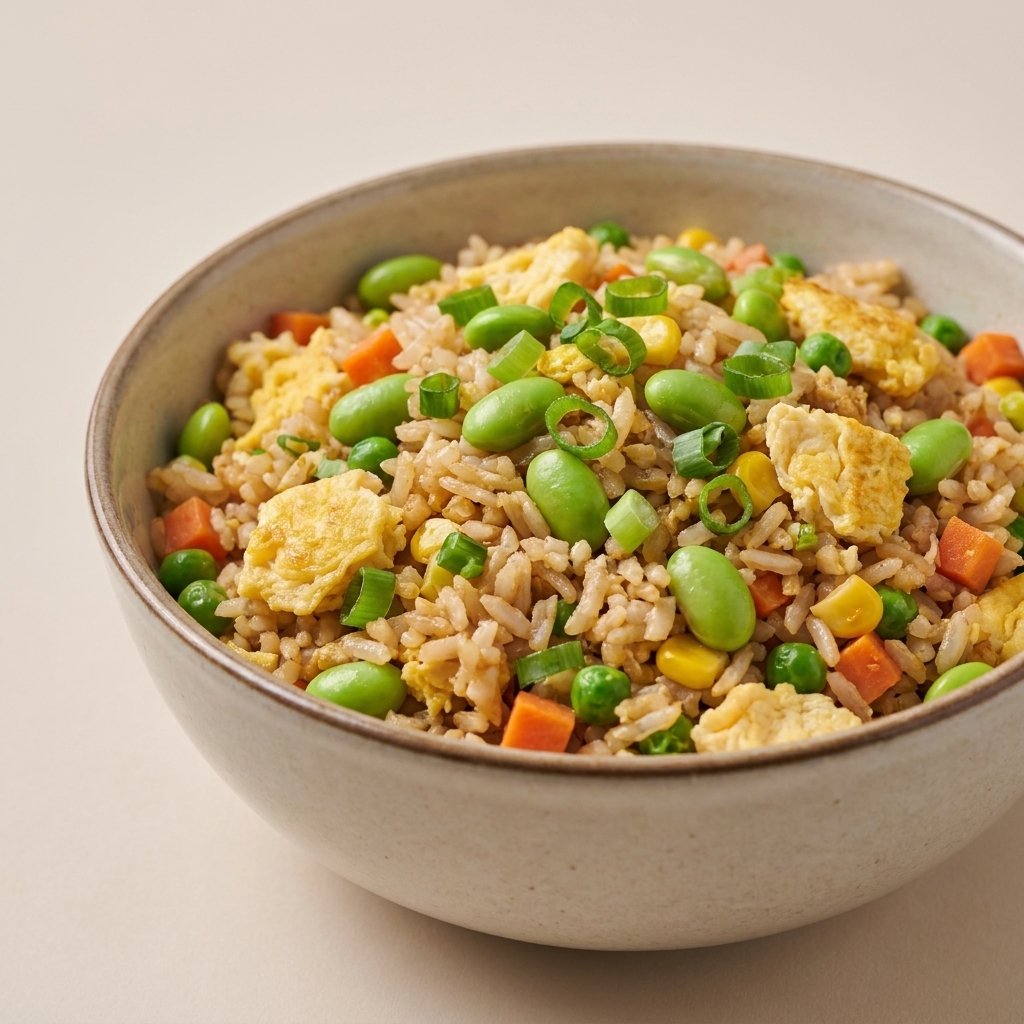
8) Edamame Fried Rice with Scrambled Eggs
Why it works: This uses leftover rice like a pro. Edamame plus eggs is a simple, high-protein combo, and you can pack in any vegetables you have.
Protein (approx.): 22 to 32 grams per serving (depending on eggs and edamame).
Ingredients: cooked rice (day-old is best), shelled edamame, eggs, scallions, frozen mixed veggies or diced carrots and peas, soy sauce, sesame oil, garlic.
How to make: Scramble eggs and set aside. Stir-fry garlic and veggies, then add rice and edamame. Season with soy sauce and a little sesame oil. Stir the eggs back in and finish with scallions.
- Swap it: Use tofu scramble instead of eggs to keep it egg-free.
- Make-ahead: Great for meal prep. For food safety, cool rice quickly and refrigerate within 1 to 2 hours, then reheat until steaming hot.
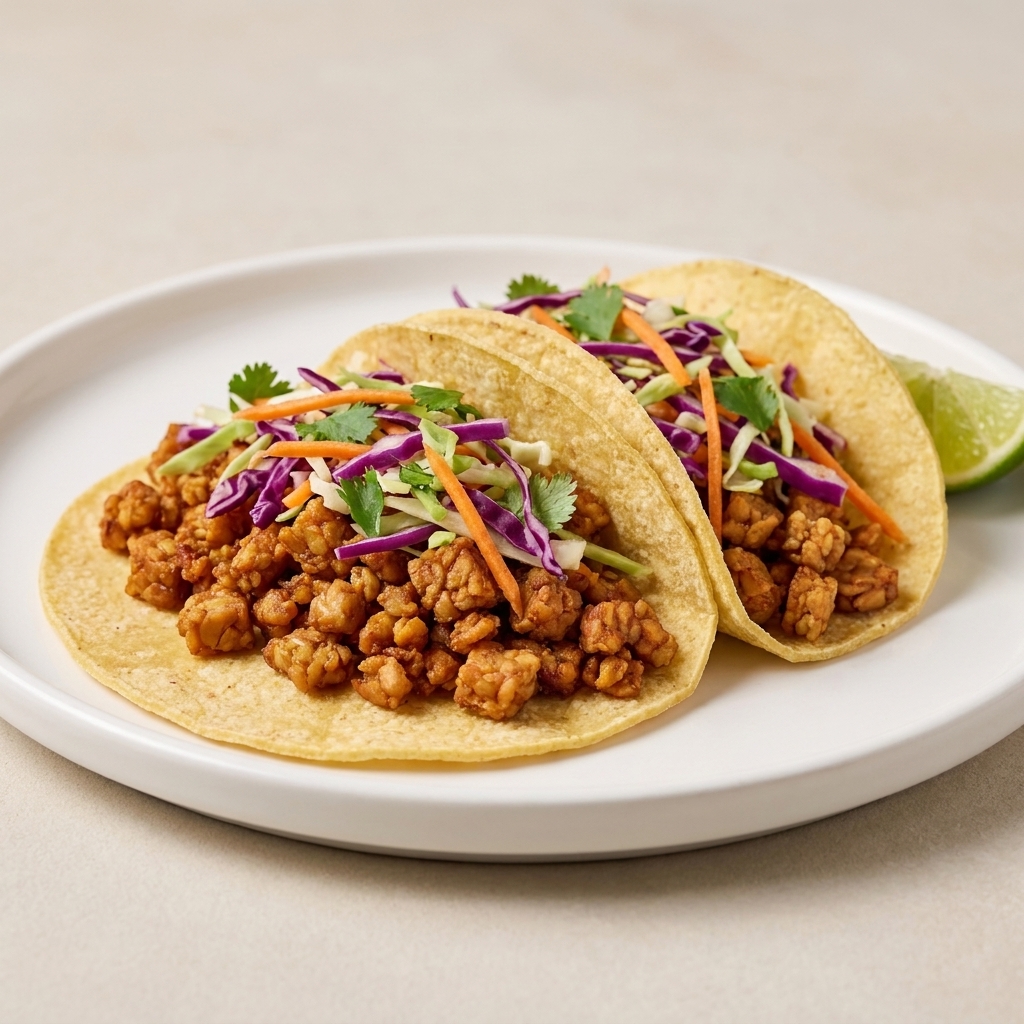
9) Crunchy Tempeh Tacos with Cabbage Slaw
Why it works: If you want something fun after a hard session, these tacos hit the spot. Tempeh crisps up and the slaw brings fresh crunch.
Protein (approx.): 20 to 30 grams for 2 to 3 tacos (depending on tempeh and yogurt).
Ingredients: tempeh, taco seasoning, corn tortillas, shredded cabbage, lime, Greek yogurt or sour cream, hot sauce, cilantro.
How to make: Crumble tempeh and sauté until crisp, then toss with taco seasoning and a splash of water. Mix cabbage with lime and a pinch of salt. Fill tortillas with tempeh, slaw, and a dollop of yogurt plus hot sauce.
- Swap it: Use black lentils or walnut-lentil taco filling for a different texture. For dairy-free, use guacamole or a thick plant yogurt.
- Make-ahead: Slaw can be made a day ahead. Keep tortillas separate until serving.
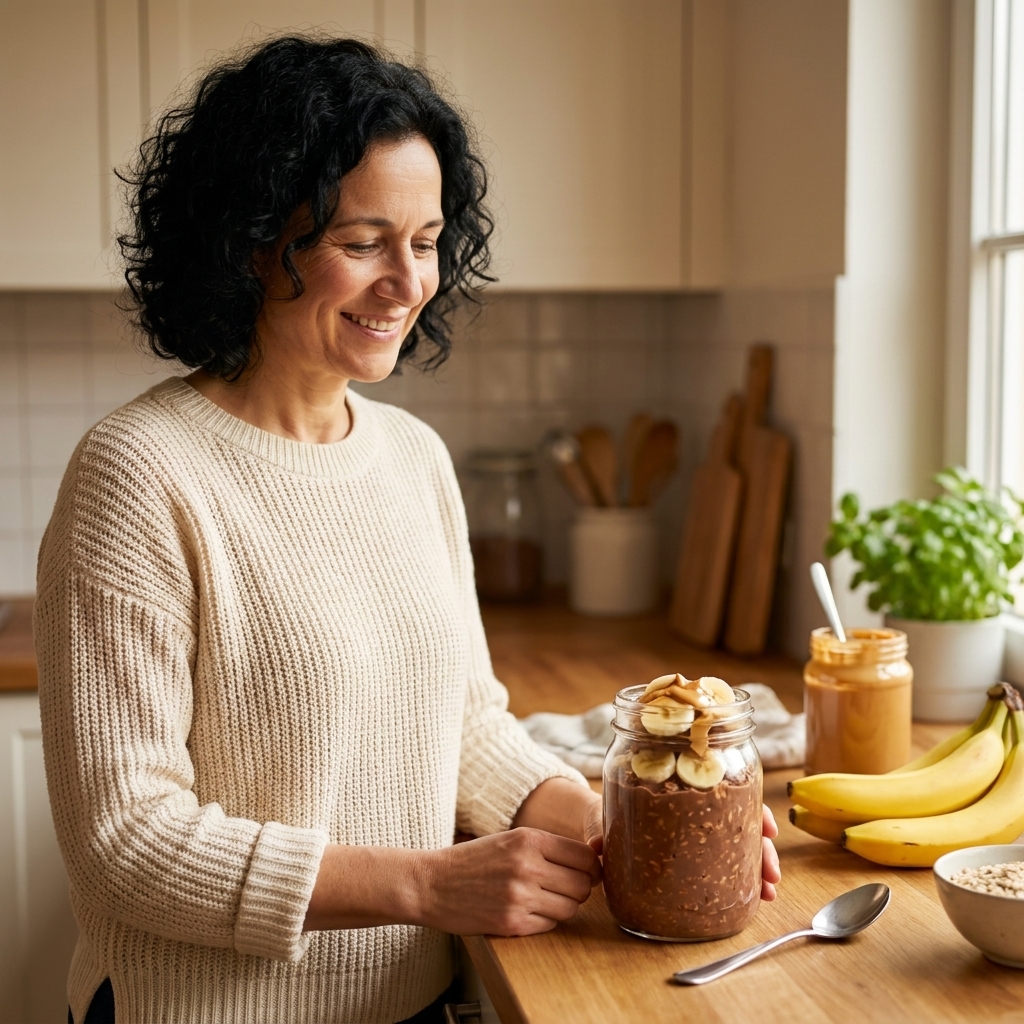
10) Chocolate Peanut Butter Overnight Oats with Chia
Why it works: This is the “I have an early workout tomorrow” solution. Chia thickens everything into a pudding-like texture, and you can push protein higher with Greek yogurt or a scoop of protein powder.
Protein (approx.): 18 to 35 grams per jar (depending on yogurt and protein powder).
Ingredients: rolled oats, chia seeds, milk of choice, Greek yogurt (optional but great), cocoa powder, peanut butter, maple syrup, pinch of salt, berries or banana.
How to make: Stir everything in a jar until smooth. Refrigerate overnight. In the morning, add fruit and an extra spoon of yogurt if you want it thicker.
- Swap it: Almond butter, sunflower seed butter, or tahini all work. Use a soy-based yogurt for a higher-protein dairy-free option.
- Make-ahead: Make 3 to 4 jars at once for a grab-and-go week.
Tips to bump protein
- Blend cottage cheese into sauces for pasta, soups, or dips.
- Add a side of edamame with salt and lemon. It is the easiest extra.
- Sprinkle seeds like hemp hearts or pumpkin seeds onto bowls and salads.
- Use quinoa when you want a grain with a little more protein than many other options.
- Increase the protein portion before you increase the carbs, especially if you are still hungry after meals.
Common questions
Do I need protein right after my workout?
You do not need to sprint to the fridge the second you finish, and total daily protein matters more than minute-by-minute timing for most people. That said, a balanced meal within a couple of hours can be helpful, especially if you trained fasted, you did a long or hard session, or your next meal is far away. If dinner is not happening soon, a quick snack like Greek yogurt with fruit or a chickpea salad wrap is a solid bridge.
What if I do not like tofu or tempeh?
No problem. Lean on lentils, beans, Greek yogurt, cottage cheese, eggs, and higher-protein pastas. You can also try tofu in a different format like baked cubes or crumbled into a spicy stir-fry. Texture is usually the dealbreaker, not the flavor.
Which of these are best for meal prep?
Top picks: red lentil curry, lentil bolognese, edamame fried rice, chickpea salad, and overnight oats. They reheat well and keep their texture.