Ten complete, satisfying skillet dinners that go from prep to plate in 15 minutes. Minimal dishes, big flavor, flexible swaps.
recipes
How to Build a Quick Stir-Fry Without a Recipe

Elena Martinez
Elena Martinez is a former bakery manager turned full-time food writer and recipe developer. With over a decade of experience translating professional culinary techniques into approachable home cooking, she believes that a great meal doesn't require a culinary degree or expensive ingredients.
Created September 21, 2026
Last updated September 21, 2026
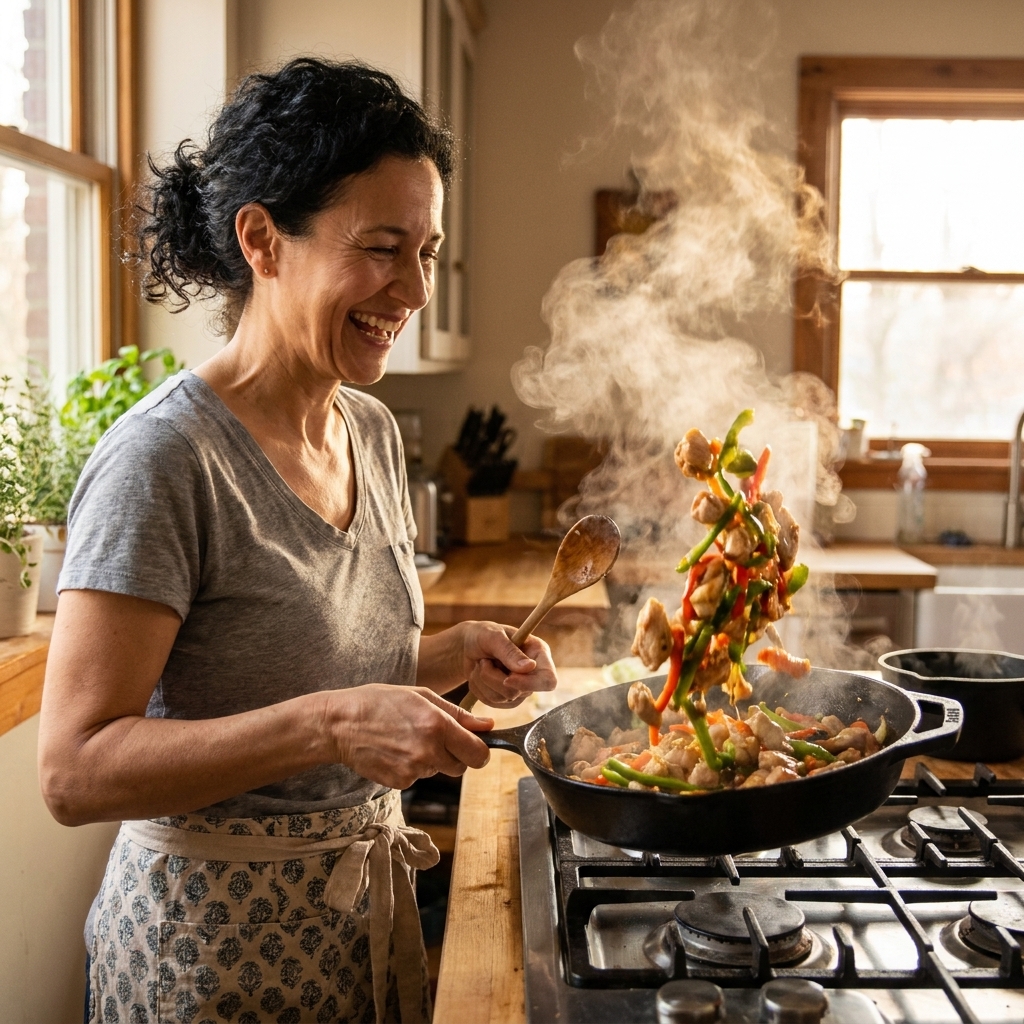
Stir-fry is my favorite kind of “I have groceries, but I have no plan” dinner. It is fast, forgiving, and wildly customizable once you know two things: the ratio and the order. This guide will teach you a simple framework you can use every time, even when the fridge looks like a random collection of odds and ends.
The no-recipe stir-fry formula
For a quick weeknight stir-fry (about 2 to 4 servings), here’s the ratio I use over and over:
- Protein: 8 to 12 ounces (about 225 to 340 g)
- Vegetables: 4 to 6 cups total, chopped (a mix of quick-cooking and sturdy is ideal)
- Sauce: 1/3 to 1/2 cup
- Aromatics: 1 to 3 tablespoons total (garlic, ginger, scallions)
- Oil: 1 to 2 tablespoons for cooking
If you remember nothing else, remember this: more vegetables than protein, and just enough sauce to lightly glaze, not drown.
Choose your protein
Almost anything works as long as it cooks quickly. Aim for thin slices or small bite-size pieces so everything finishes at the same time.
Great options
- Chicken, turkey, pork: Thin strips across the grain, 1/4-inch thick
- Beef: Thin slices across the grain (sirloin, flank, skirt). Partially freeze 15 minutes first for easier slicing.
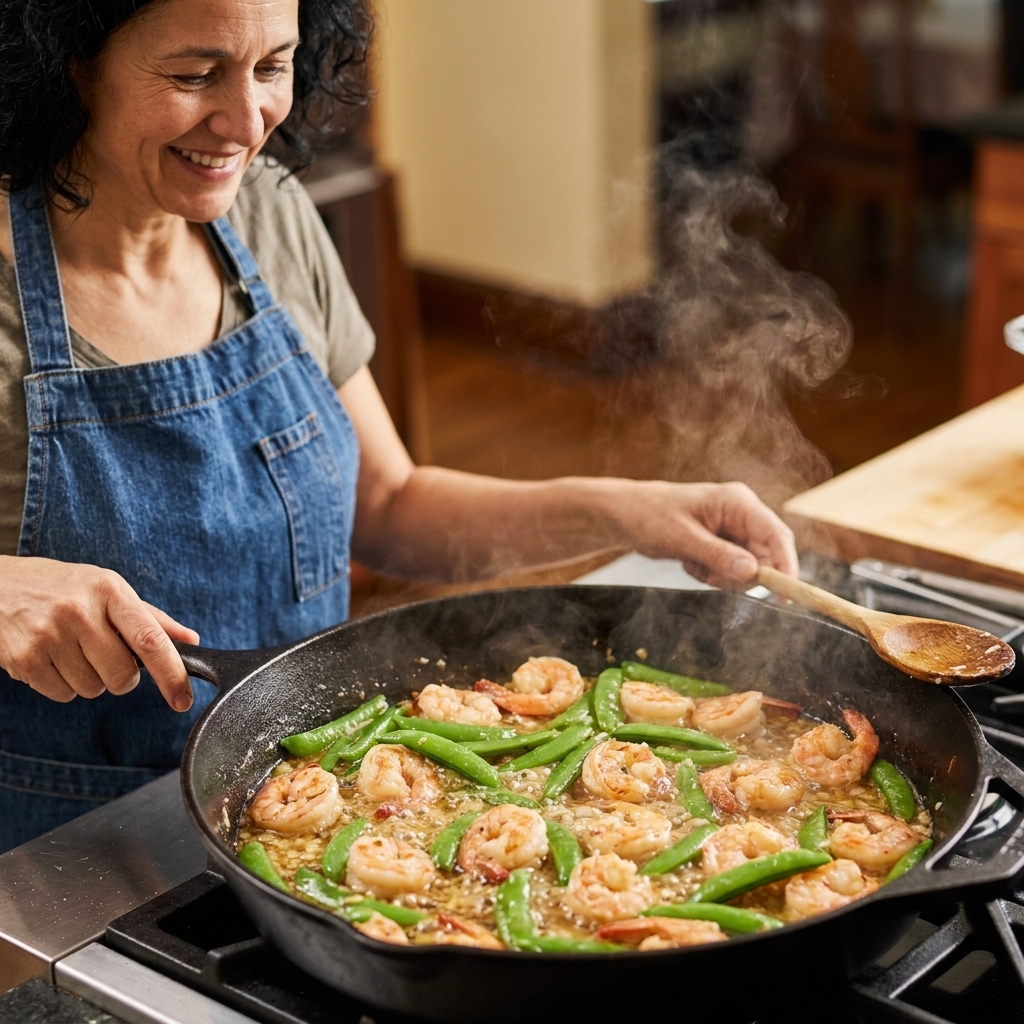
- Shrimp: Peeled and deveined. Pat dry so it sears instead of steaming. It only needs 1 to 3 minutes total, so pull it as soon as it turns pink and curls.
- Tofu: Extra-firm. Press briefly, then cube. For better browning, toss with a teaspoon of cornstarch and give it a few extra minutes in the pan so it actually gets golden.
- Eggs: Scramble first, slide out, then add back at the end.
- Leftovers: Roast chicken, steak, or pork are fantastic. Add at the end just to warm through.
Quick seasoning trick
If you have 2 minutes, toss raw protein with: 1 teaspoon soy sauce plus 1 teaspoon cornstarch (optional) plus 1 teaspoon neutral oil. This is a tiny “velveting” shortcut that helps it stay tender and creates a glossy finish once the sauce hits the pan.
Pick vegetables
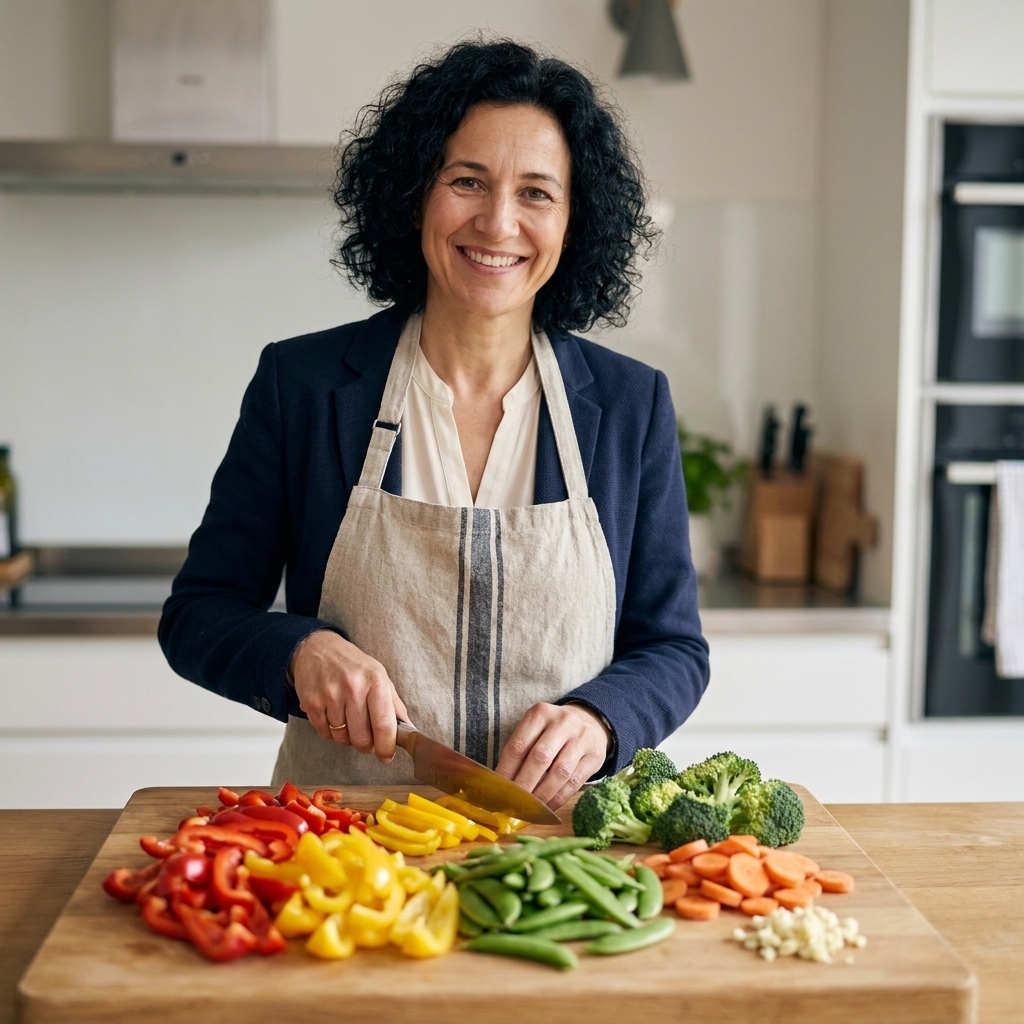
Stir-fry loves a mix of textures. If everything is soft, it tastes flat. If everything is crunchy, it feels unfinished. I like to combine:
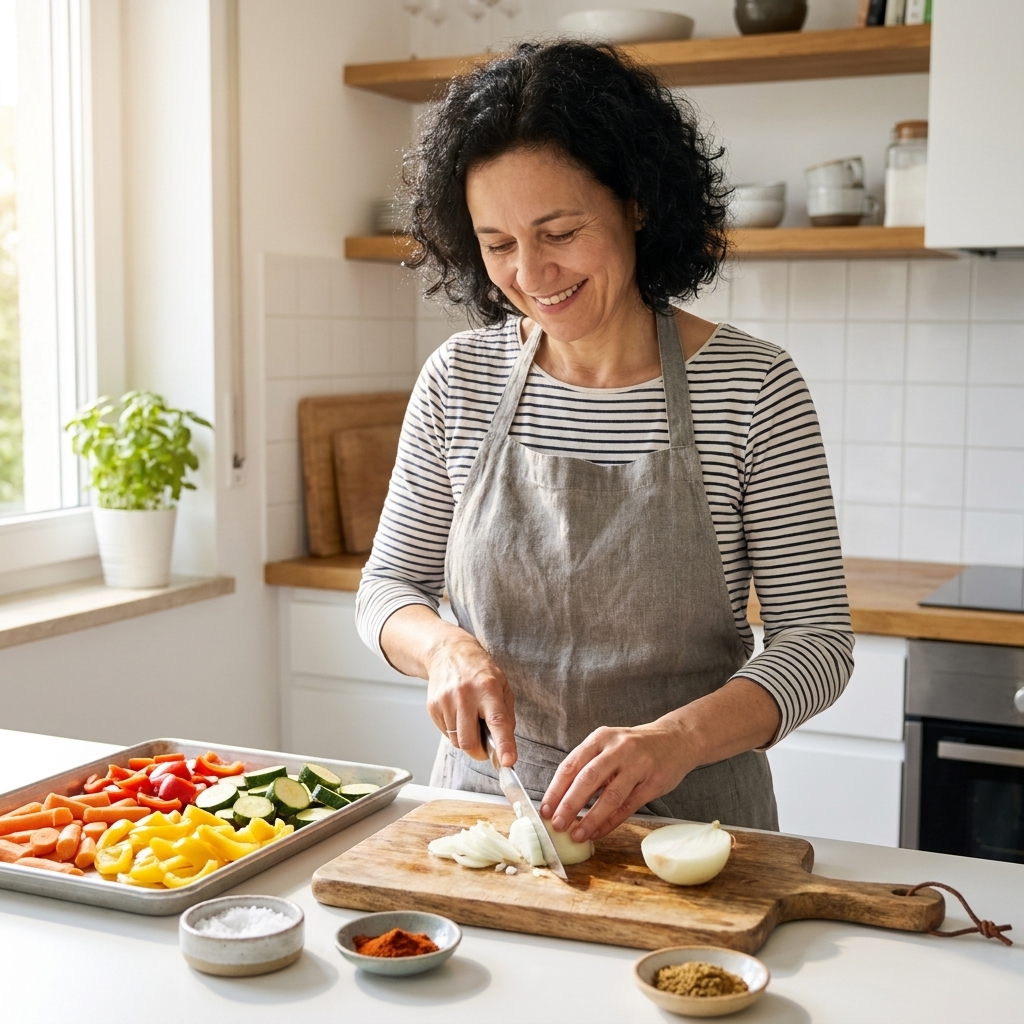
- Sturdy veg (cook first): broccoli, carrots, cauliflower, green beans, Brussels sprouts, cabbage
- Tender veg (cook last): bell pepper, snap peas, zucchini, mushrooms, bok choy, asparagus
- Fast add-ins (end): spinach, bean sprouts, scallions, herbs
Cut vegetables into pieces that make sense together. Carrots need to be thin (matchsticks or half-moons). Broccoli should be small florets. The goal is similar cook time, not perfect knife skills.
Frozen vegetables note: Totally fair game. Cook them from frozen in a screaming-hot pan and do not crowd, or thaw and drain well first. Their #1 goal in life is to make your stir-fry watery if you let them.
Memorize one sauce
Most stir-fry sauces follow the same backbone: salty, a little sweet, a little acid, and something to thicken so it clings to your food instead of pooling.
The basic stir-fry sauce (3 minutes)
Whisk together:
- 3 tablespoons soy sauce (or tamari)
- 2 tablespoons water or broth
- 1 tablespoon rice vinegar or lime juice
- 1 to 2 tablespoons honey, brown sugar, or maple syrup
- 1 teaspoon toasted sesame oil (optional but wonderful)
- 1 to 2 teaspoons cornstarch
This makes about 1/2 cup, enough for a skillet stir-fry that serves 2 to 4 (depending on how saucy you like it). Want a lighter glaze? Start with about 1/3 cup sauce and save the rest for a quick splash at the table.
Salt note: Soy sauces vary a lot. If you are salt-sensitive, use low-sodium, or swap 1 tablespoon soy sauce for 1 tablespoon water and adjust at the end.
Easy flavor swaps (choose one direction)
- Garlic-ginger: Add 1 teaspoon grated ginger and 1 minced garlic clove
- Peanut: Add 1 to 2 tablespoons peanut butter plus a splash more water
- Spicy: Add chili crisp, sriracha, gochujang, or red pepper flakes
- Orange: Replace water with orange juice and add a little zest if you have it
- Teriyaki-ish: Use all soy sauce plus mirin (or extra honey) and skip the vinegar
Important: whisk cornstarch into cold liquid first. If you sprinkle it into a hot pan, it clumps and you will be chasing little starch pebbles around your dinner.
The cooking order
Stir-fry moves quickly. The best way to stay calm is to do a tiny bit of prep up front.
Prep checklist (yes, it matters)
- Protein sliced and patted dry
- Veg chopped and grouped by cook time
- Sauce whisked and sitting next to the stove
- Rice, noodles, or cauliflower rice ready to go
Step-by-step skillet method
Heat your pan until it is truly hot. Medium-high to high. A 12-inch skillet or a wok is ideal. Add 1 tablespoon oil.
Sear the protein. Spread it out, let it brown, then stir. Cook until just done. Remove to a plate.
Cook sturdy vegetables. Add a splash more oil if needed. Stir-fry 2 to 4 minutes. If they need help softening, add 2 tablespoons water and cover for 30 seconds, then uncover.
Add tender vegetables and aromatics. Cook 1 to 2 minutes, just until bright and crisp-tender. Add garlic and ginger near the end so they do not burn.
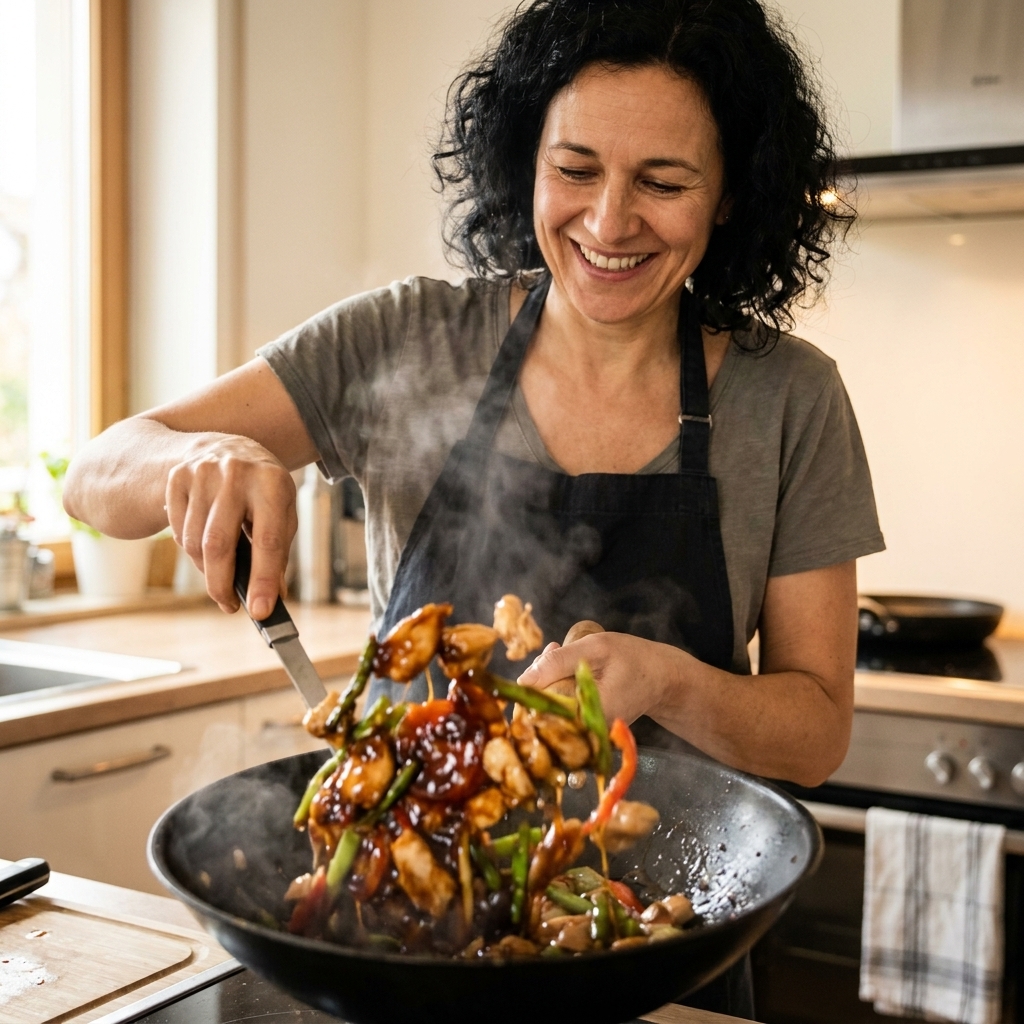
Return protein, then add sauce. Give the sauce a quick re-whisk, pour it in, and toss for 30 to 60 seconds until glossy and thickened.
Finish. Taste and adjust: a pinch of salt, a squeeze of lime, a drizzle of sesame oil, or a little chili.
For this framework, the sauce goes in at the end so it thickens fast and stays glossy. Some stir-fries do add a small splash earlier (especially if you are blooming aromatics), but if you are learning, “last minute sauce” will save you from soggy dinner.
If you want it restaurant-style shiny, keep the sauce amount modest and let it reduce quickly in a hot pan. Too much liquid cools the skillet and turns “stir-fry” into “steam-fry.”
Pan and heat tips
- Use the biggest pan you have. A 12-inch skillet is a great weeknight default. Crowding causes steaming.
- Cook in batches if needed. If your pan looks packed, it is packed.
- Dry ingredients brown better. Pat protein and watery vegetables (like mushrooms or zucchini) dry when you can.
- Do not add sauce too early. For this cornstarch-thickened approach, sauce is typically the last 60 seconds.
Three easy builds
These are not strict recipes, just examples to show how the ratio works with whatever you have.
1) “Clean out the crisper” chicken stir-fry
- 10 oz sliced chicken
- 2 cups broccoli florets + 1 cup carrots (thin) + 2 cups bell pepper and snap peas
- Basic sauce + extra garlic
2) Tofu mushroom ginger stir-fry
- 12 oz extra-firm tofu, cubed and lightly cornstarched
- 3 cups mushrooms + 2 cups bok choy + 1 cup shredded cabbage
- Sauce with ginger, a little extra vinegar, and chili crisp
3) Shrimp and zucchini with a peanut-lime sauce
- 1 lb shrimp (or 12 oz if serving 2)
- 3 cups zucchini + 2 cups bell pepper + 1 cup scallions
- Basic sauce + 1 to 2 tablespoons peanut butter + lime
What to serve with it
- Microwave rice: no shame, all speed
- Leftover rice: perfect for stir-fry nights
- Rice noodles or ramen: soak or boil while you chop
- Quinoa: great if it is already cooked
- Cauliflower rice: fastest low-lift veg base
My realistic weeknight move: start rice first, then chop vegetables while it cooks, then stir-fry. Everything hits the table together.
Troubleshooting
My stir-fry is watery
- Pan was crowded, heat dropped, ingredients steamed
- Vegetables released water (mushrooms, zucchini). Cook them longer before saucing.
- Frozen veg added a lot of moisture. Cook from frozen over high heat in batches, or thaw and drain well.
- Sauce was too large or too thin. Next time, reduce the liquid or add 1/2 teaspoon more cornstarch.
My garlic burned
- Add garlic and ginger in the last 30 to 60 seconds of cooking veggies, or stir them into the sauce instead.
Protein is tough
- Overcooked or sliced too thick
- Try the quick soy sauce plus cornstarch toss, and cook just until done, then remove
Sauce tastes flat
- Add acid (lime, vinegar)
- Add a pinch of sugar or honey
- Add a finishing oil (sesame) or heat (chili)
Leftovers
I love stir-fry leftovers, but texture is the tricky part. Store rice or noodles separately if possible. Reheat in a skillet with a splash of water, then finish with a tiny drizzle of soy sauce or sesame oil to wake everything up.
Quick stir-fry FAQ
Do I need a wok?
No. A large skillet works beautifully. The real key is high heat and enough space so ingredients can sear.
Can I make the sauce ahead?
Yes. Mix it and keep it in the fridge for up to 5 days. Use a clean jar and clean utensils, and re-whisk before using because the cornstarch settles. If you add fresh garlic or ginger directly into the sauce, it is still fine, but the flavor can get sharper over time, so it is best within a few days.
What is the best oil for stir-fry?
Use a neutral oil with a higher smoke point like avocado, canola, grapeseed, or peanut. Save toasted sesame oil for finishing or for the sauce, not for high-heat frying.
How do I make it gluten-free?
Use tamari or certified gluten-free soy sauce. Double-check your add-ins (like oyster sauce or hoisin) since those often contain wheat.