A step-by-step, under-60-minute lunch prep: one sheet-pan protein, a pot of grains, a tray of veggies, and two sauces to mix-and-match all week. Includes reh...
recipes
Sheet Pan Dinners Without the Mess

Elena Martinez
Elena Martinez is a former bakery manager turned full-time food writer and recipe developer. With over a decade of experience translating professional culinary techniques into approachable home cooking, she believes that a great meal doesn't require a culinary degree or expensive ingredients.
Created September 21, 2026
Last updated September 21, 2026
If you have ever pulled a sheet pan dinner out of the oven and thought, “Great, now I have to chisel baked-on sauce off this pan,” you are in the right place. A truly satisfying sheet pan dinner has three things going for it: everything finishes at about the same time (or in smart stages), everything tastes like it belongs together, and your pan looks basically untouched when dinner is done.
I managed a bakery for years, which taught me one big truth: the less you fight cleanup, the more often you cook. So let’s make sheet pan dinners work like they are supposed to, with crispy edges, tender centers, and a pan you can rinse and move on.
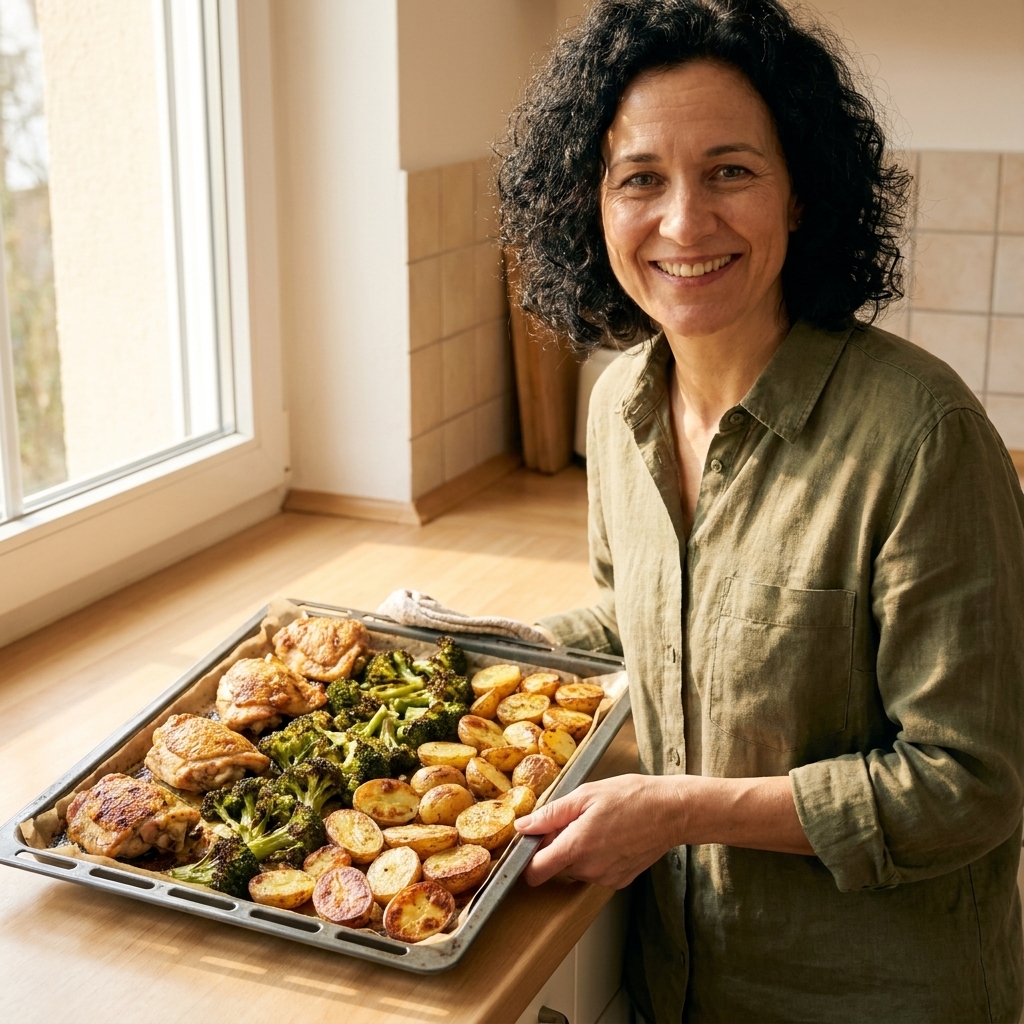
The no-scrub foundation
Use the right pan
For the best browning and the least sticking, reach for a rimmed half sheet pan (about 13 x 18 inches). Rims keep juices contained, and the surface area is perfect for spreading food out so it roasts instead of steams.
- Best: bare aluminum or aluminized steel half sheet pan
- Okay: stainless steel (often sticks more, needs better lining)
- Tricky: very dark nonstick pans can over-brown; use a slightly lower temp and keep an eye on it
Pick your lining method
There are three dependable ways to line a pan. The right one depends on what you are roasting.
- Parchment paper: My everyday favorite. Great for veggies, sausage, salmon, tofu, and anything with honey or sticky marinades. Parchment is typically safe up to 425°F (some brands go to 450°F), but check your box.
- Heavy-duty foil: Best for higher heat (like 450°F) and anything super greasy (wings, bacon-wrapped items). If you want easier release, lightly oil the foil.
- Foil plus parchment: The belt-and-suspenders method for saucy or sugary glazes. Put foil on the pan, then parchment on top. Foil catches leaks and keeps the pan spotless; parchment gives you nonstick insurance.
Quick tip: To keep parchment from sliding while you toss ingredients, put a few drops of oil under the corners and press it down.
The sheet pan formula
When a sheet pan dinner fails, it is usually a timing issue, not a talent issue. Different foods roast at different speeds. The simplest fix is to build your meal like a timeline.
Step 1: Choose an anchor
Your anchor sets the oven temp and the general cook time. Pick one:
- Chicken thighs (bone-in, skin-on): forgiving, juicy, crisp skin potential
- Sausage: fast, flavorful, hard to mess up
- Salmon: fast protein, best with quick-cooking vegetables
- Tofu or chickpeas: plant-based anchors that love high heat and seasoning
- Pork chops or tenderloin pieces: great, just watch doneness
Step 2: Pair vegetables by roast speed
Think in categories. You can mix within a category easily. Mixing across categories is still fine, you just add items in stages.
- Fast (10 to 15 minutes): asparagus, green beans, thin zucchini, cherry tomatoes, bell peppers, snap peas
- Medium (18 to 25 minutes): broccoli, cauliflower, Brussels sprouts (halved), mushrooms, sliced onions, fennel
- Slow (30 to 45 minutes): potatoes (1-inch chunks), sweet potatoes, carrots, beets, winter squash
Step 3: Add a glue
The glue is what makes everything taste like one dinner instead of three separate items. Pick one direction:
- Lemon and herb: lemon zest, garlic, oregano, parsley
- Smoky: paprika, cumin, chili powder, lime
- Mediterranean: garlic, oregano, red wine vinegar, olives or feta added at the end
- Teriyaki-style: soy sauce, ginger, a little honey, sesame oil
- Curry-style: curry powder, turmeric, cumin, yogurt or coconut milk sauce on the side
My reality check: If you only have olive oil, salt, pepper, and a lemon, you can still make a great sheet pan dinner. The magic is in high heat and good spacing.
How much fits
Overcrowding is the fastest way to end up with soggy vegetables. On a half sheet pan, a solid, weeknight-friendly load is:
- Protein: about 4 chicken thighs or 4 to 6 sausages (or 4 salmon fillets)
- Vegetables: about 4 to 6 cups, depending on how chunky they are
If everything is touching, you are steaming. Either use a second pan or roast in stages.
Roasting times to trust
Ovens vary, and sheet pans vary, but these ranges are reliable if you are using a half sheet pan and not crowding it. Most sheet pan dinners land at 425°F, which gives you browning without drying everything out when you do not overcook.
Proteins (typical at 425°F)
- Chicken thighs, bone-in skin-on: 35 to 45 minutes. Safe at 165°F, but thighs are usually best at 175°F to 185°F for tenderness. Rest 5 minutes before serving.
- Chicken breasts: 18 to 25 minutes, until 165°F. Rest 5 minutes (it helps more than you think). For color, finish with a quick broil if needed.
- Sausage links: 20 to 30 minutes, turning once
- Salmon fillets (1 to 1.5 inches thick): 10 to 14 minutes. For a moist result, pull around 125°F to 135°F. If you prefer fully cooked or are following more conservative guidance, go closer to 140°F to 145°F.
- Tofu cubes (pressed): 25 to 35 minutes, tossing halfway, until crisped at edges
- Chickpeas (drained and dried): 25 to 40 minutes, shaking halfway, until crisp (dry them well, and do not crowd)
Vegetables (typical at 425°F)
- Broccoli, florets: 18 to 22 minutes
- Cauliflower, florets: 20 to 25 minutes
- Brussels sprouts, halved: 20 to 25 minutes
- Green beans: 12 to 15 minutes
- Asparagus: 10 to 12 minutes
- Potatoes, 1-inch chunks: 30 to 40 minutes
- Carrots, 1/2-inch pieces: 25 to 35 minutes
Two rules that prevent disappointment:
- Cut size is cook time. If you want everything done together, cut slower items smaller or start them earlier.
- Dry food browns. Pat proteins dry, and do not rinse veggies right before roasting unless you dry them very well.
The timing trick
If your dinner has both slow and fast ingredients, you do not need a second pan. You just need a simple schedule.
A staged timeline
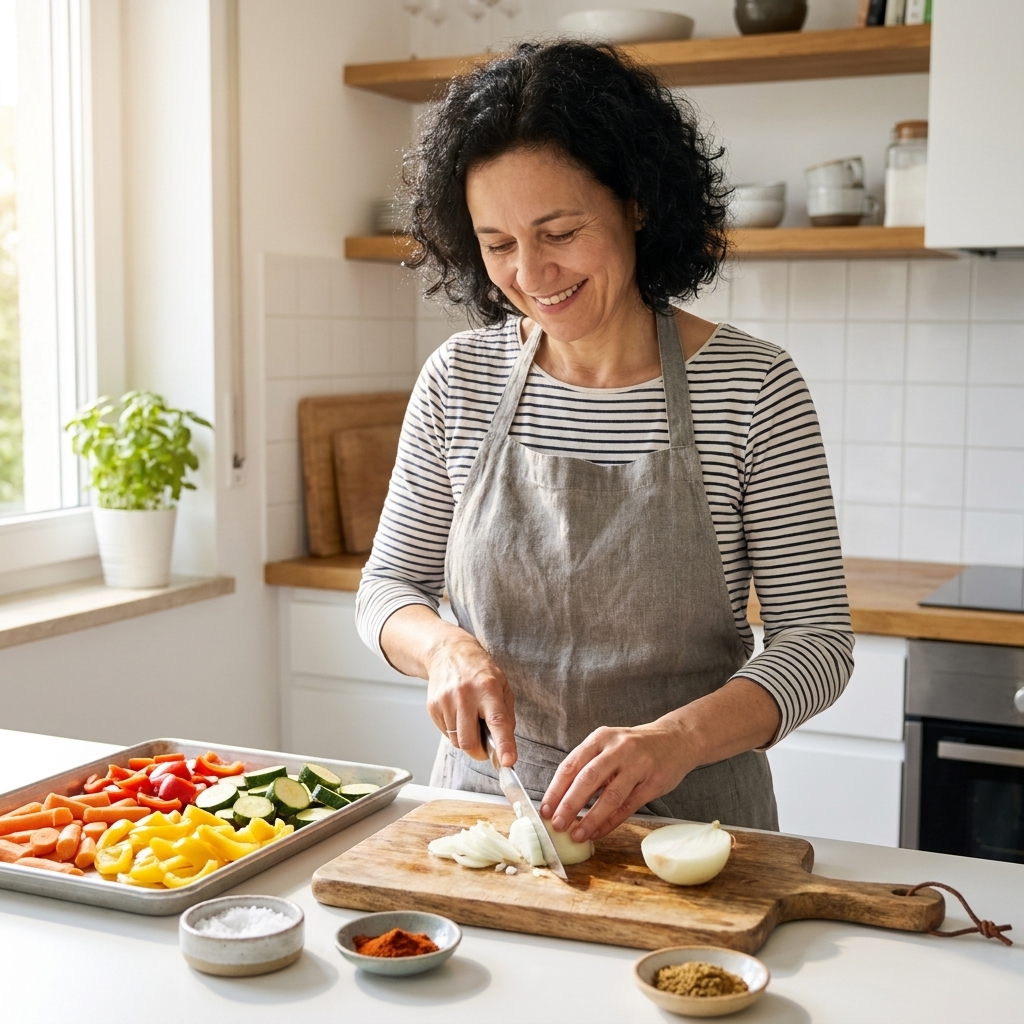
- Start slow vegetables first (potatoes, carrots, squash) with oil, salt, pepper. Roast 10 to 15 minutes.
- Add protein and medium vegetables (chicken thighs plus broccoli or Brussels sprouts). Roast until protein is nearly done.
- Add fast vegetables (green beans, asparagus, cherry tomatoes) for the final 10 to 12 minutes.
Think of it like loading a dishwasher. The stuff that needs the most work goes in first.
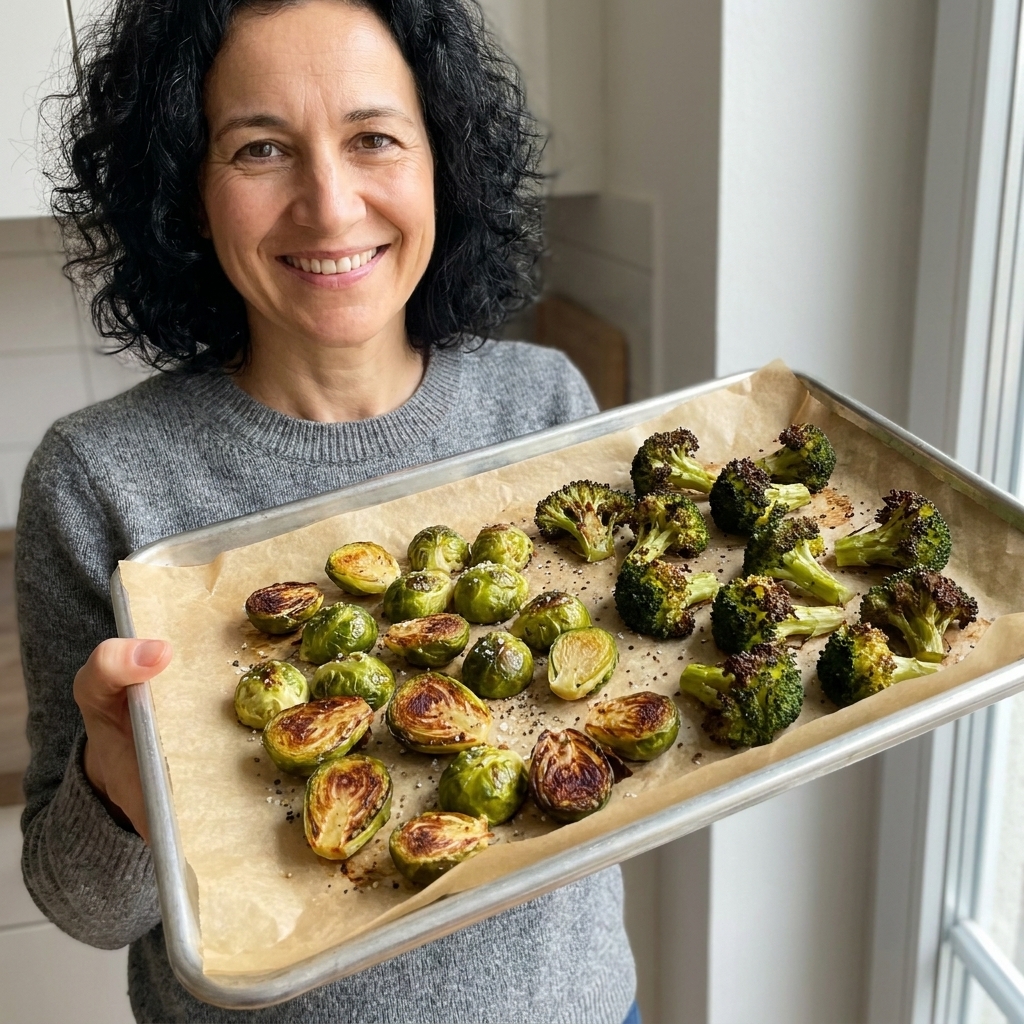
Combos that work
Here are a few pairings that are naturally in sync on timing and flavor. Use them as templates, not rules.
Chicken thigh classics
- Lemon-garlic chicken thighs + potatoes + broccoli (start potatoes first, add broccoli halfway)
- Smoky paprika chicken + sweet potatoes + red onion (finish with lime)
- Greek-style chicken + zucchini + bell peppers (add feta after roasting)
Sausage favorites
- Italian sausage + peppers + onions (serve with hoagie rolls or over rice)
- Chicken apple sausage + Brussels sprouts + apples (finish with Dijon)
- Andouille + cauliflower + green beans (Cajun spice, finish with lemon)
Seafood nights
- Salmon + asparagus + cherry tomatoes (add salmon after asparagus has a 5-minute head start if it is thick)
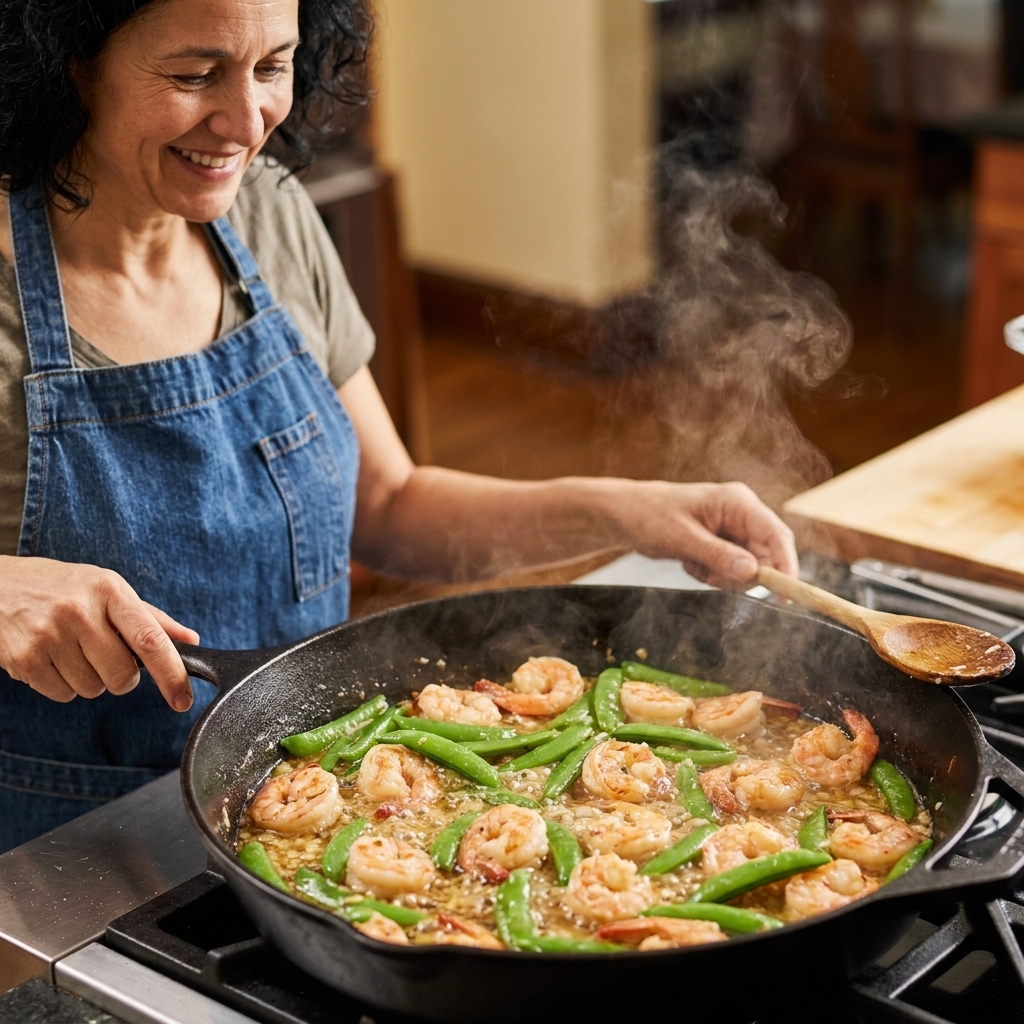
- Shrimp + broccoli + snap peas (shrimp goes in at the very end, 6 to 8 minutes)
Plant-based staples
- Crispy tofu + broccoli + mushrooms (soy-ginger glaze brushed on at the end)
- Chickpeas + cauliflower + red onion (curry spices, yogurt on the side)
Browning, not sogginess
Sheet pan dinners are basically roasting, and roasting is all about dry heat meeting space.
- Do not overcrowd. Leave a little breathing room so steam can escape. If everything is touching, it will soften instead of crisp.
- Oil is a tool, not a bath. Enough to lightly coat and encourage browning. Too much oil can make vegetables feel fried-soft instead of roasty.
- Preheat the oven fully. Give it an extra 10 minutes after it beeps if your oven runs cool.
- Use the broiler strategically. If everything is cooked but you want more color, broil 1 to 3 minutes. Stay put and watch closely. If your pan is lined with parchment, keep it away from the broiler element, or swap to foil for that last blast of heat.
My bakery manager habit: Set a timer for the broiler. Always. One distracted minute is the difference between caramelized and charred.
Sauce without the mess
Sauces are where pans usually get wrecked. The trick is to decide whether the sauce belongs during roasting or after.
Safe to roast with
- Olive oil, citrus, herbs, spices
- Dry rubs
- Mustard-based coatings (thin layer)
Better added near the end
- Honey, maple syrup, brown sugar
- BBQ sauce
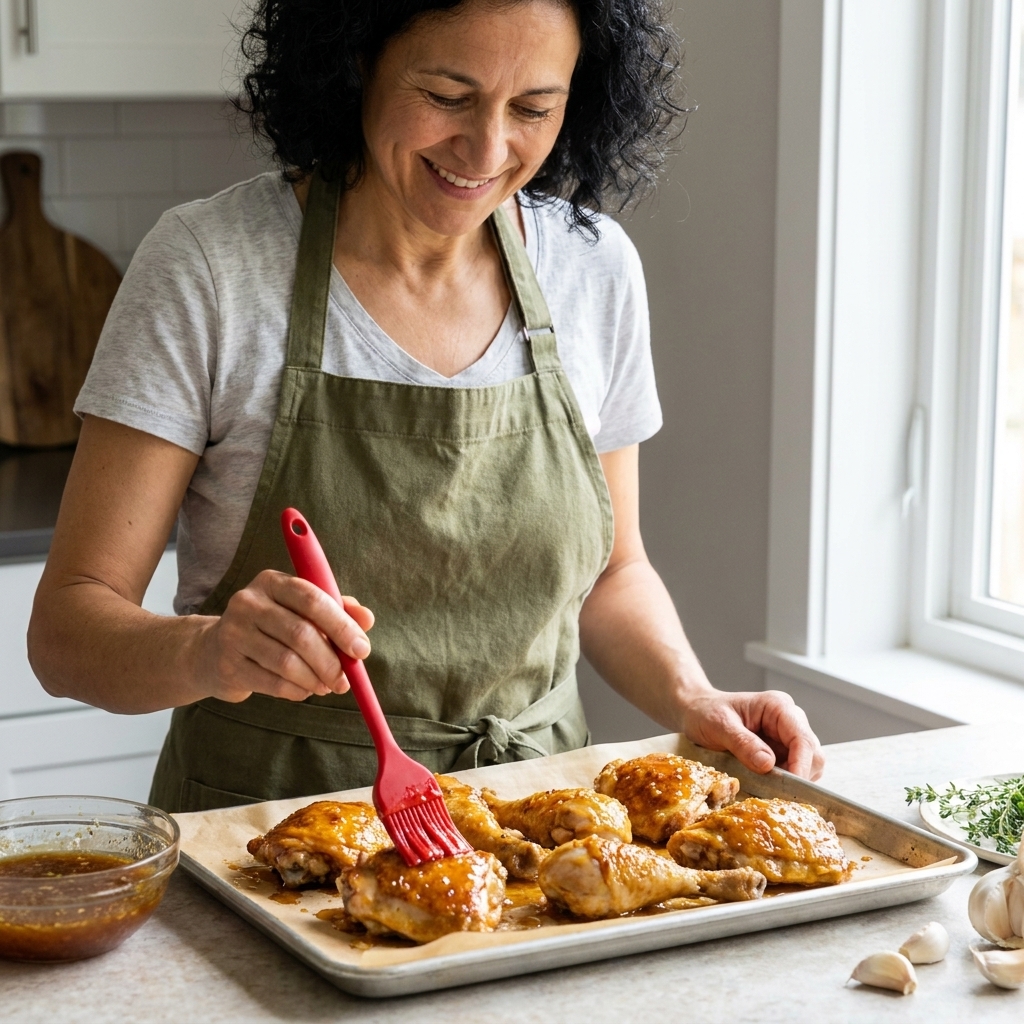
- Teriyaki-style sauces
If you add sugary sauces too early, they burn and glue themselves to your liner and pan. Brush them on for the last 5 to 10 minutes, or warm the sauce separately and drizzle at the table.
Food safety basics
- Use a thermometer. It is the easiest way to avoid dry chicken and undercooked centers.
- Rest proteins. Give chicken and pork 5 minutes before slicing so the juices stay where you want them.
- Avoid cross-contamination. If you prepped raw chicken, do not toss vegetables in the same bowl or use the same board until it has been washed.
Easy plating and leftovers
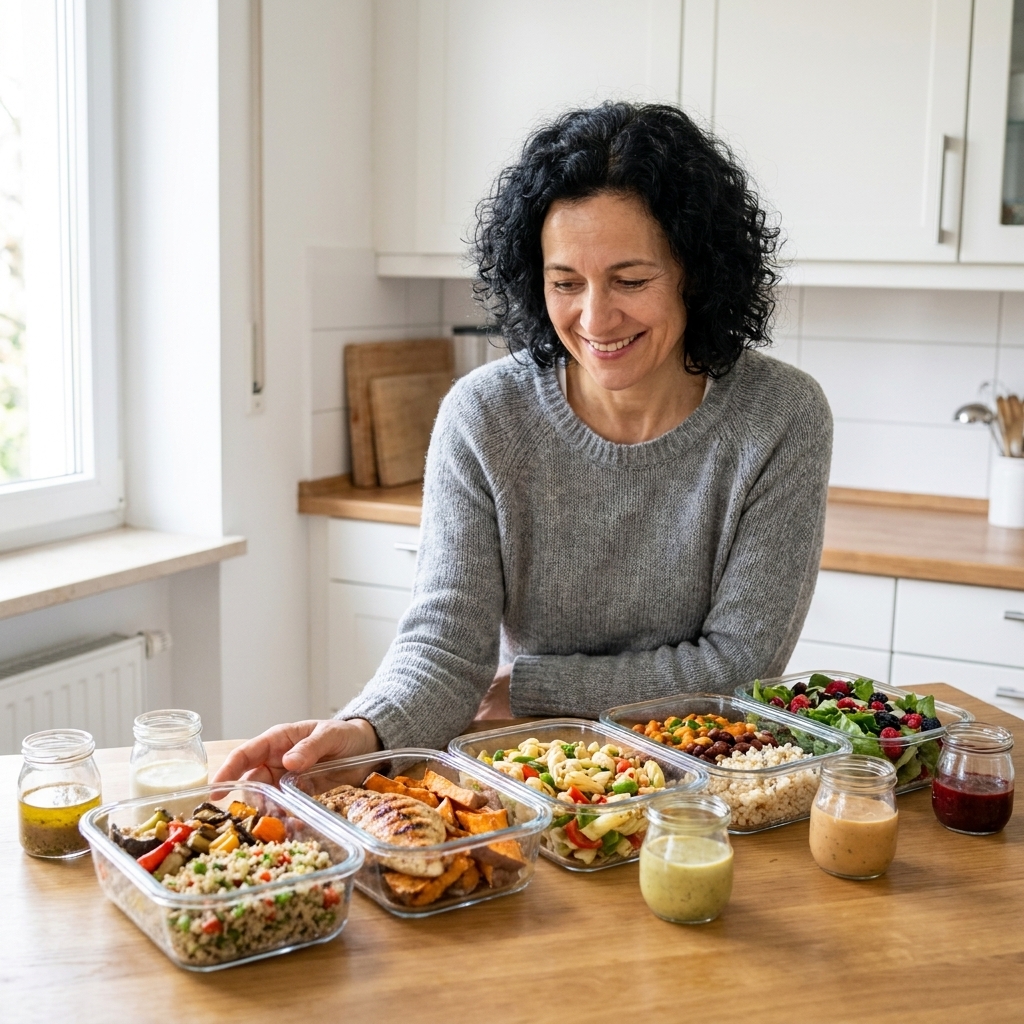
One more trick to keep things easy: build your sheet pan dinner to become tomorrow’s lunch without extra work.
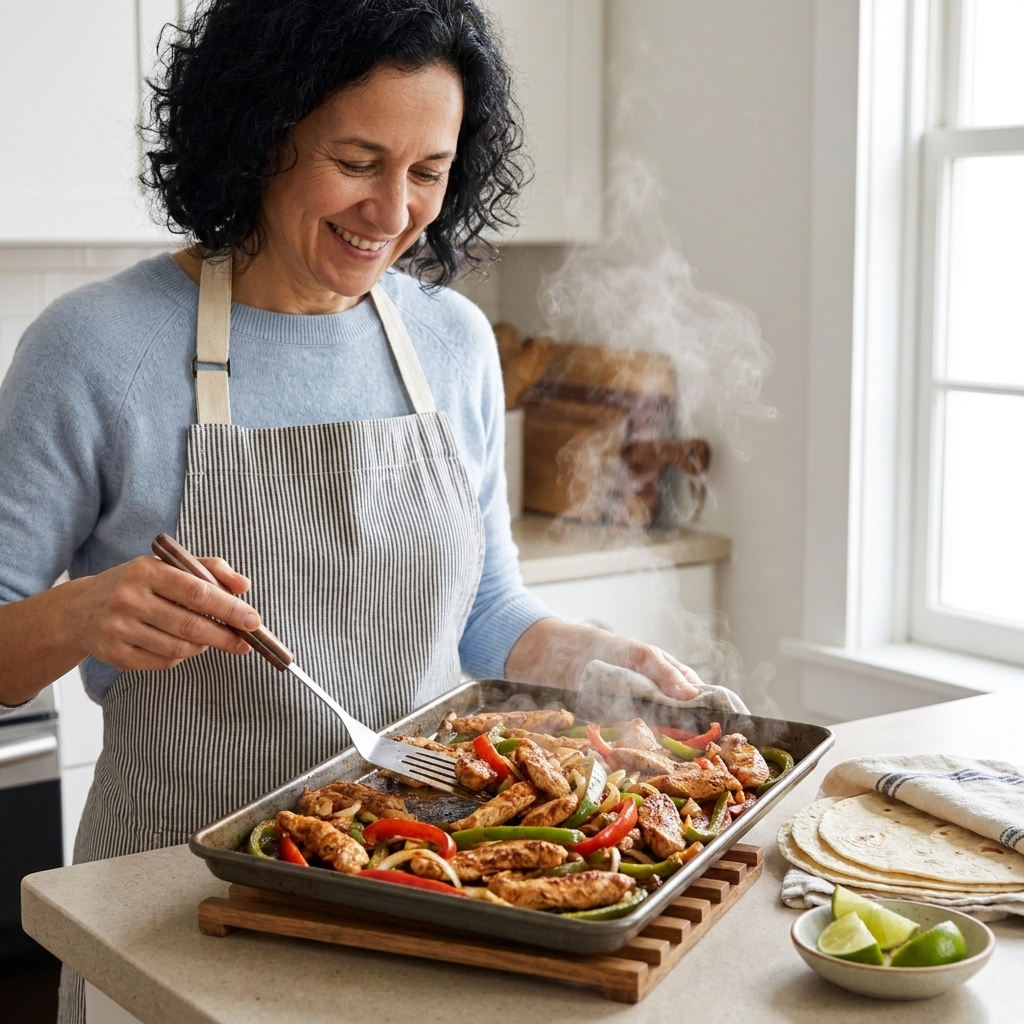
- Sheet pan fajita vibe: roast chicken or shrimp with peppers and onions, then serve with tortillas and bagged slaw.
- Grain bowl night: roast your protein and vegetables, then serve over microwave rice, quinoa, or couscous.
- Big salad shortcut: roast chicken and veggies, then pile onto greens with a quick lemon vinaigrette.
Leftovers: Chop everything into bite-size pieces and toss with cooked pasta, a splash of olive oil, and lemon. It is the kind of dinner that feels brand new even if it came from yesterday’s pan.
Troubleshooting
My vegetables are pale and soft
- Raise the oven temp to 425°F or 450°F (if your parchment allows), and spread things out more.
- Dry vegetables thoroughly before oiling.
- Use a little less oil and a little more time.
My chicken is done but my potatoes are not
- Start potatoes 10 to 15 minutes early.
- Cut potatoes smaller, or parboil them 6 to 8 minutes, then roast.
Everything tastes flat
- Salt more confidently, especially on vegetables.
- Add acid at the end: lemon juice, vinegar, or pickled onions.
- Finish with something punchy: fresh herbs, grated parmesan, feta, or a dollop of yogurt sauce.
My pan still got dirty
- Make sure the liner goes all the way up the sides.
- For very juicy items, double-line with foil and parchment.
- Let the pan cool, then lift the liner out in one piece before juices set.
Weeknight cheat sheet
- Default oven temp: 425°F
- Default lineup: one protein + one medium vegetable + one fast or slow vegetable
- Default seasoning: olive oil + salt + pepper + garlic + lemon
- Default lining: parchment (or foil plus parchment for sticky sauces)
- Default rule: if it cooks faster, it goes on later
If you take nothing else from this, take this: sheet pan dinners are not about perfection. They are about building a meal that tastes generous, with a pan you barely have to think about afterward. And on a busy night, that is its own kind of luxury.