
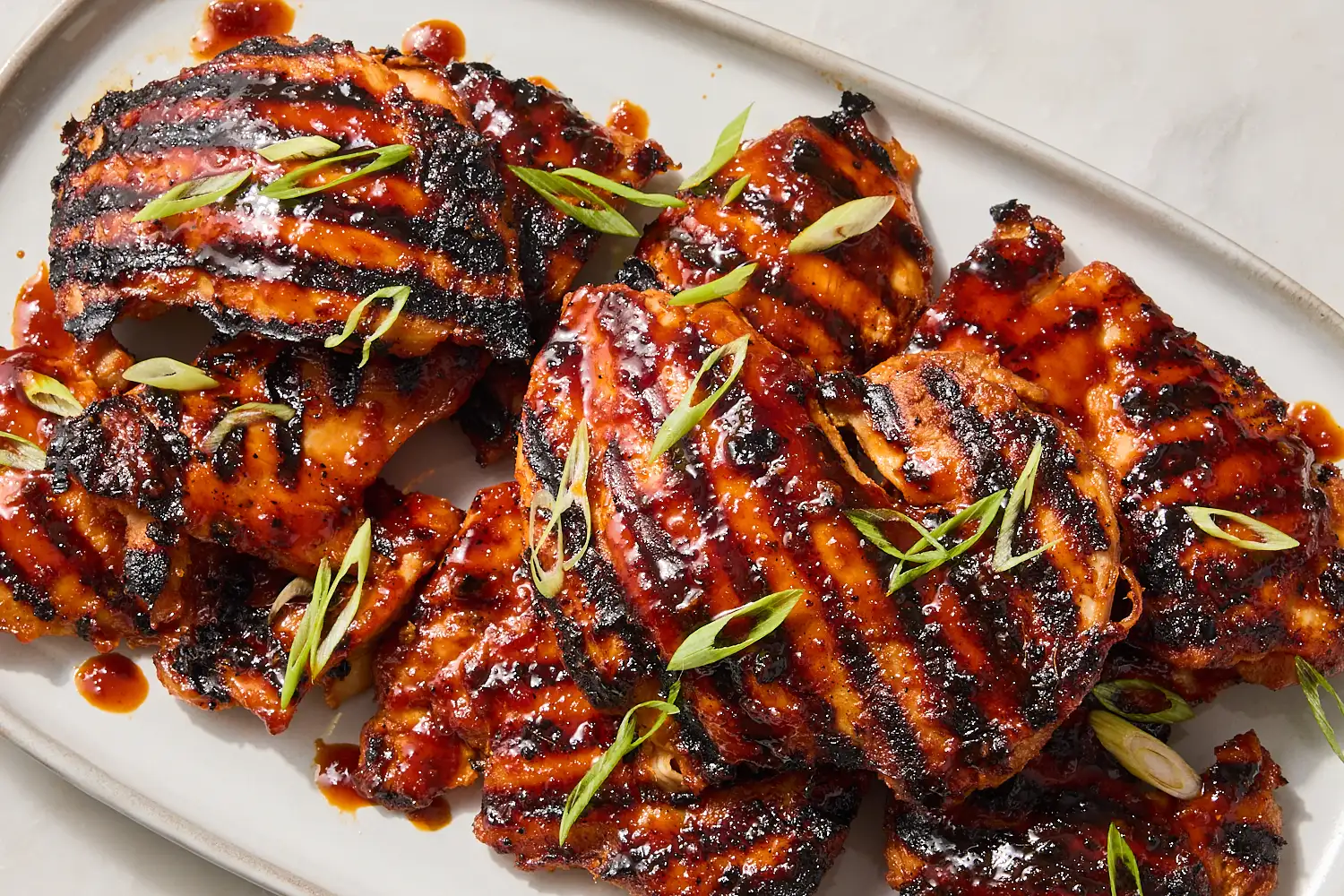
Korean BBQ chicken is one of those dinners that tastes like you planned it all day, even if you are pulling ingredients out of the fridge at 5:47 pm. The flavor is bold but familiar: soy sauce and garlic for savory depth, a touch of sweetness to help it char, and gochujang for that slow-building, cozy heat that makes you reach for one more bite.
The best part is how flexible it is. You can grill it, broil it, bake it, or cook it in a skillet. You can use thighs, breasts, or wings. And if you only have 15 minutes to marinate, you can still get a delicious, glossy finish.

What makes it Korean BBQ
Different cooks have their own signature, but most Korean BBQ chicken marinades lean on the same building blocks. Once you understand the why, it becomes easy to improvise with what you have.
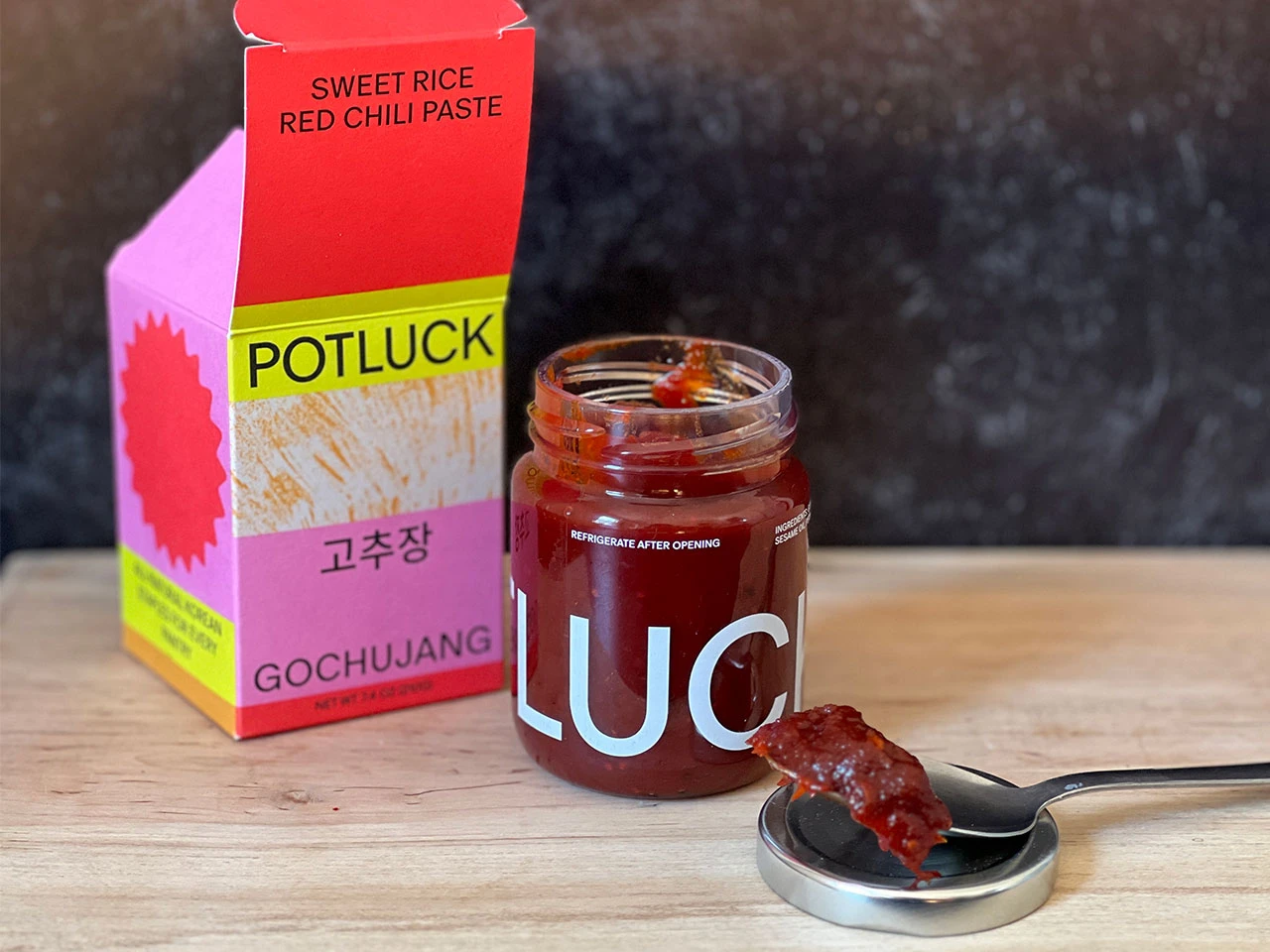
- Gochujang: A fermented Korean chile paste. It brings heat, sweetness, and deep savory flavor all at once. Brands vary not just in heat, but also in sweetness and saltiness, so taste and adjust.
- Soy sauce: Salt and umami, plus it helps the glaze look shiny as it reduces.
- Sweetener: Brown sugar, honey, or maple syrup. Sweetness encourages caramelization, which is where that classic “BBQ” vibe comes from.
- Garlic and ginger: The background aroma that makes the kitchen smell incredible.
- Sesame oil: Nutty finish and that unmistakable Korean restaurant fragrance.
- Something tangy: Rice vinegar, mirin, or even a squeeze of lime. This keeps the glaze from tasting heavy.
If you have grated Asian pear or kiwi, a little bit can tenderize the chicken quickly. It is totally optional, but it is a nice trick when you want extra tenderness fast.
Quick tenderizer note: Fruit enzymes can overdo it. If you use kiwi (stronger) or pear, keep the marinating time short, about 15 to 30 minutes, then cook. For longer marinades, skip the fruit so the texture stays pleasant.
Ingredients you will need
Here is my go-to list for a weeknight-friendly version. It is not fussy, and the substitutions are forgiving.
Chicken
- Boneless skinless thighs : Most forgiving and the juiciest. My top pick.
- Boneless skinless breasts: Works great, just avoid overcooking.
- Wings or drumsticks: Fantastic for parties, just plan for longer cook time.
Marinade and glaze
- Gochujang
- Soy sauce (or tamari)
- Brown sugar or honey
- Garlic
- Fresh ginger (or 1/2 as much ground ginger in a pinch)
- Rice vinegar (or apple cider vinegar)
- Toasted sesame oil
- Neutral oil (for cooking)
- Optional: grated pear or kiwi, gochugaru for extra heat, black pepper
Gochujang note: Heat levels vary by brand, and so does saltiness. If you are cooking for spice-sensitive eaters, start smaller and add more after tasting.
How to make it
The key is treating the marinade like a flavor bath and the final few minutes like a glazing step. That is how you get sticky edges without drying out the meat.
Step 1: Mix the marinade
In a bowl, whisk gochujang, soy sauce, brown sugar or honey, garlic, ginger, rice vinegar, sesame oil, and a splash of neutral oil.
Important: Taste and adjust before you add the chicken. You want it slightly too strong, since it is seasoning a whole batch of chicken.
Step 2: Marinate
Toss chicken with the marinade.
For best food-safety practice, marinate in the refrigerator whenever possible. If you are short on time, 15 to 30 minutes in the fridge still helps a lot. You can leave it out briefly while your grill or pan preheats, but do not let it sit at room temperature for extended time.
If you are marinating 2 to 12 hours for deeper flavor, skip the fruit tenderizer (pear or kiwi), especially kiwi, so the chicken does not turn soft or mushy.
Step 3: Cook (pick your method)
Before cooking: Let excess marinade drip off so the surface can sear. Do not rinse the chicken. If you are planning to use any leftover marinade as a glaze, only do so if you boil it first.
Grill: Medium-high heat. Oil the grates. Grill thighs about 5 to 7 minutes per side, depending on thickness, until nicely charred and the thickest part hits 165°F. (Thighs are especially juicy closer to 170 to 175°F.)
Broil (my favorite apartment method) : Line a sheet pan with foil. Arrange chicken in a single layer. Broil 4 to 6 inches from the heat, flipping once, until caramelized and the thickest part hits 165°F. If the sugar is browning too fast, lower the rack one level.
Stovetop: Heat a skillet over medium-high with a thin layer of oil. Sear chicken until deeply browned, reduce heat to medium, then finish cooking through to 165°F at the thickest part. If your pan gets too dark from sugars, deglaze with a splash of water and keep going.
Bake: Bake at 425°F until the thickest part hits 165°F, about 18 to 25 minutes for boneless thighs or breasts (timing varies by thickness). Then broil for 1 to 3 minutes to get caramelized edges.
Wings or drumsticks: These do best baked at 425°F until 165°F, usually 35 to 45 minutes for drumsticks and 40 to 50 minutes for wings, flipping halfway. Broil 1 to 3 minutes at the end for extra char.
Step 4: Turn leftover marinade into a glaze
If you want that glossy, clingy finish, pour the remaining marinade into a small saucepan. Bring it to a full rolling boil, then simmer until slightly thickened.
Food safety: If the marinade touched raw chicken, boil it hard for at least 1 minute before using it as a glaze or sauce.
Step 5: Rest, slice, and top
Rest the chicken 5 minutes, slice, then shower with scallions and sesame seeds. It looks restaurant-level with basically no extra work.
Confidence tips
- Char is flavor, but burnt sugar is bitter. If your chicken is browning too quickly, lower the heat slightly and let it finish more gently.
- Use thighs if you are nervous. They stay juicy even if you overcook them by a minute or two.
- Wipe off excess marinade. Too much on the surface can steam the chicken instead of searing. Just let it drip, or lightly scrape off the extra. Do not rinse.
- Watch thickness, not the clock. If pieces vary a lot, pound or trim to even them out so everything finishes together.
If you want Korean BBQ vibes without a grill, broiling is your best friend. You get high heat from above, quick caramelization, and minimal cleanup.
Easy substitutions
No gochujang?
You will lose some fermented depth, but you can still make a delicious sweet-spicy chicken.
- Use sriracha + a spoonful of miso (or a little extra soy sauce) to mimic heat plus savory
- Use chili garlic sauce, then add a little extra brown sugar
No rice vinegar?
- Apple cider vinegar
- White wine vinegar (use a little less)
- Lime or lemon juice
Need gluten-free?
Use tamari instead of soy sauce, and check that your gochujang is labeled gluten-free. Some brands include wheat.
Want less sugar?
Reduce the sweetener slightly, but keep enough for browning. Another trick is to use grated pear, which adds gentle sweetness plus tenderness. If you use pear or kiwi, keep it to a short marinate only (15 to 30 minutes).
What to serve with it
I like to build a “mix and match” plate so everyone can make their own perfect bite.
- Steamed rice or microwave rice on busy nights
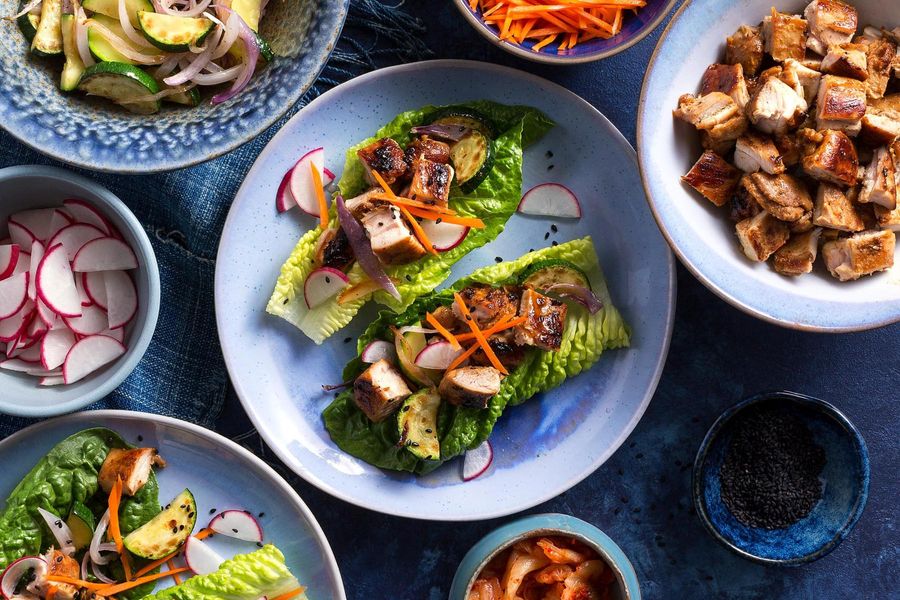
- Lettuce wraps with sliced cucumbers and extra sauce
- Kimchi for crunch and tang
- Quick cucumber salad: cucumbers + rice vinegar + pinch of sugar + sesame
- Roasted broccoli or green beans with sesame oil
- Scallion salad if you want something fresh and sharp
Leftovers that stay exciting
This is the kind of chicken that gets even better on day two, because the flavors settle in.
- BBQ chicken fried rice: Chop leftovers, crisp in a pan, add rice and a splash of soy sauce, finish with a fried egg.
- Korean BBQ chicken tacos: Warm tortillas, add chicken, shredded cabbage, and a little mayo mixed with gochujang.
- Rice bowl meal prep: Rice + chicken + roasted veggies + kimchi. Pack sauce separately.
- Cold noodles: Toss with soba or rice noodles, cucumbers, and a sesame-soy dressing.
Storage: Keep cooked chicken refrigerated in an airtight container for up to 4 days. Reheat gently in a skillet with a splash of water to loosen the glaze.
Allergen note: This recipe contains soy and sesame, and some gochujang contains wheat unless labeled gluten-free.
FAQ
How long should I marinate?
If you have time, 2 to 12 hours is ideal (in the fridge). If you do not, 15 to 30 minutes still gives great results, especially with thighs.
If using pear or kiwi, keep the marinate short (15 to 30 minutes), then cook. Do not use fruit enzymes for long marinades.
Is it very spicy?
It can be mild to medium depending on how much gochujang you use and your brand. Start with less, taste the marinade before adding chicken, and add more after cooking if needed. A little extra honey can also soften the heat.
Can I bake it instead?
Yes. Bake at 425°F until the thickest part hits 165°F, about 18 to 25 minutes for boneless thighs or breasts depending on thickness, then broil for 1 to 3 minutes at the end to get caramelized edges.
How do I know when it is done?
The most reliable way is an instant-read thermometer. 165°F is the USDA safe minimum for all chicken, including thighs. Thighs stay juicier and more tender closer to 170 to 175°F, but 165°F is the safety target.
Korean BBQ Chicken Recipe
Ingredients
- 1 1/2 to 2 lb boneless skinless chicken thighs (or breasts)
- 3 tbsp gochujang
- 3 tbsp soy sauce (or tamari)
- 2 tbsp brown sugar or honey
- 1 tbsp rice vinegar
- 1 tbsp toasted sesame oil
- 3 cloves garlic, grated or minced
- 2 tsp fresh ginger, grated (or 1 tsp ground ginger)
- 1 tbsp neutral oil, plus more for cooking
- Optional: 2 tbsp grated Asian pear (or kiwi, short marinate only)
- To finish: sliced scallions, toasted sesame seeds
Instructions
- Make the marinade: Whisk gochujang, soy sauce, brown sugar or honey, rice vinegar, sesame oil, garlic, ginger, and neutral oil (and pear or kiwi if using). Taste and adjust before adding chicken.
- Marinate: Toss chicken with marinade. Marinate in the refrigerator for 15 to 30 minutes, or 2 to 12 hours for deeper flavor. If using pear or kiwi, keep it to 15 to 30 minutes only.
- Cook:
- Grill: Grill over medium-high 5 to 7 minutes per side until charred and the thickest part hits 165°F.
- Broil: Broil on a foil-lined sheet pan 4 to 6 inches from heat, flipping once, until caramelized and 165°F at the thickest part.
- Skillet: Sear in a hot skillet with oil, reduce heat, and finish cooking until 165°F at the thickest part.
- Bake: Bake at 425°F until 165°F, about 18 to 25 minutes for boneless pieces, then broil 1 to 3 minutes.
- Optional glaze: If leftover marinade touched raw chicken, bring it to a full rolling boil, boil for at least 1 minute, then simmer 2 to 6 minutes until slightly thickened. Brush on chicken for the last minute of cooking.
- Rest and serve: Rest 5 minutes, slice, and top with scallions and sesame seeds.
Notes
- Thighs are the most forgiving cut for this recipe.
- If sugars are browning too quickly, lower the heat and cook a touch longer.
- For a kid-friendlier version, start with 1 1/2 to 2 tbsp gochujang and add more at the table.
- Gochujang varies by brand in heat, sweetness, and saltiness. Taste the marinade before adding chicken, then adjust.