A cozy, practical guide to Mediterranean-style eating: core staples, what to limit, and flexible meal ideas you can actually cook on a weeknight.
recipes
12 Anti-Inflammatory Recipes With Turmeric, Ginger, and Omega-3s

Elena Martinez
Elena Martinez is a former bakery manager turned full-time food writer and recipe developer. With over a decade of experience translating professional culinary techniques into approachable home cooking, she believes that a great meal doesn't require a culinary degree or expensive ingredients.
Created September 21, 2026
Last updated September 21, 2026
If your joints have been feeling a little creaky or your energy has been running low, let’s talk about the most delicious kind of support: dinner. These recipes are built around three anti-inflammatory all-stars I reach for constantly in my own kitchen: turmeric, ginger, and omega-3 rich foods (think salmon, sardines, chia, flax, walnuts, and hemp hearts).
None of these meals require a culinary degree, and you do not need a pantry full of pricey powders. I’ll give you substitutions, shortcuts, and the little “why” details that make the results taste like you meant to do it that way.
Quick expectation check: these ingredients can support an overall anti-inflammatory eating pattern, but they are not a stand-alone treatment for inflammation-related conditions. Think: steady, helpful habits, not magic bullets.
Before you start: a few confidence-boosting tips
Turmeric tastes best with fat and a little pepper
Turmeric can read a bit dusty on its own. Bloom it in olive oil, coconut milk, or broth, and add a few cracks of black pepper. The combo tastes better, and black pepper may help your body absorb curcumin more efficiently (most strongly shown in supplement-style studies, but it is a smart culinary habit either way).
Fresh ginger is your fast flavor upgrade
Keep a knob of ginger in the freezer and grate it straight from frozen. You can usually skip peeling (most of the time), but if you want ultra-smooth sauces and soups, peel before freezing so you never notice any peel fibers.
Omega-3s: marine vs plant
Salmon and sardines provide EPA and DHA directly. Chia, ground flax, walnuts, and hemp hearts provide ALA, which your body converts to EPA and DHA less efficiently. I love both in real-life cooking, but if you are aiming for omega-3 impact, fatty fish tends to do more heavy lifting.
Quick note on supplements and meds
If you are taking blood thinners or have a medical condition, check with your clinician about high-dose turmeric or fish oil. Food amounts in these recipes are generally considered gentle, but your health history comes first.
How often to aim for omega-3 rich fish
If it works for your body, budget, and preferences, many guidelines suggest fatty fish about twice a week. If you do not eat fish, plant omega-3s plus an overall balanced diet can still be supportive.
The Top 12 Anti-Inflammatory Recipes
Each recipe below includes a short ingredient list, simple steps, and easy swaps so you can cook with what you have. (Quantities are intentionally flexible, but I included the key amounts so you can actually make dinner without guessing.)
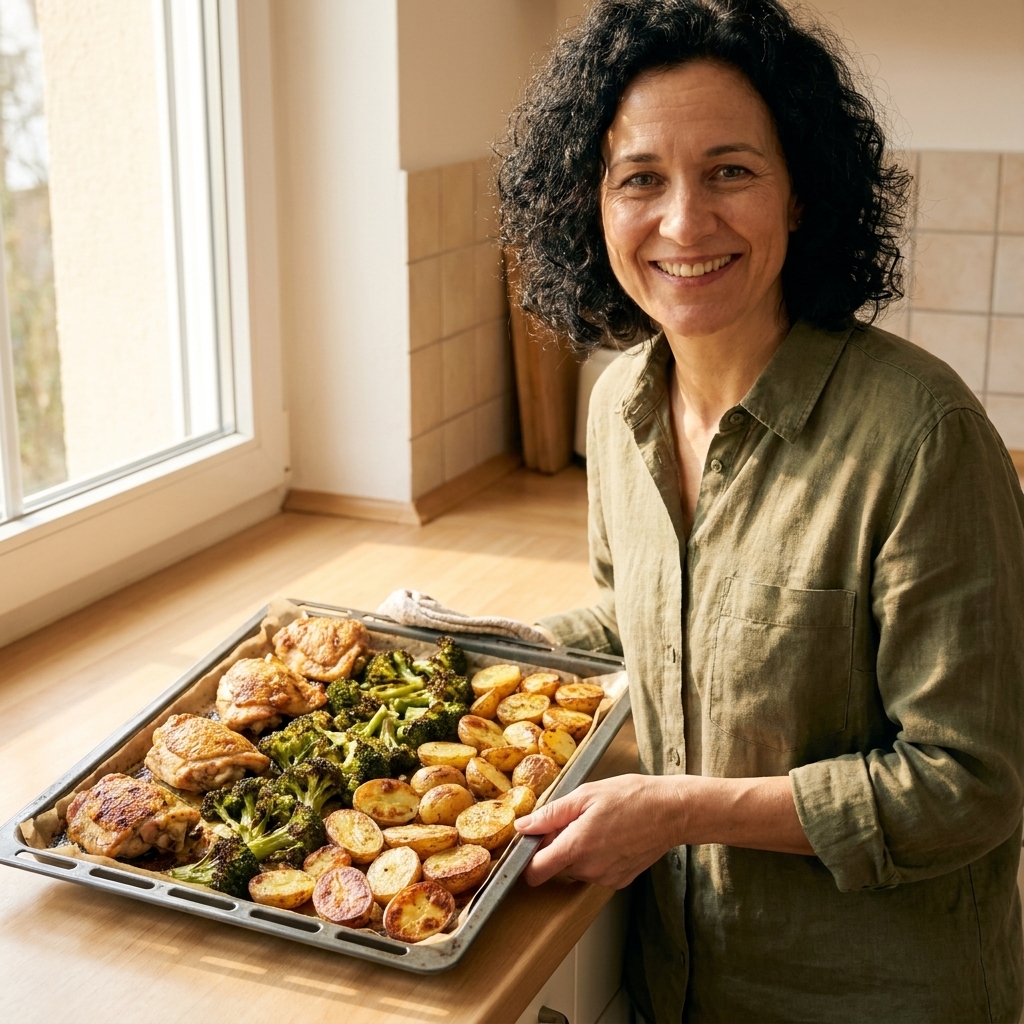
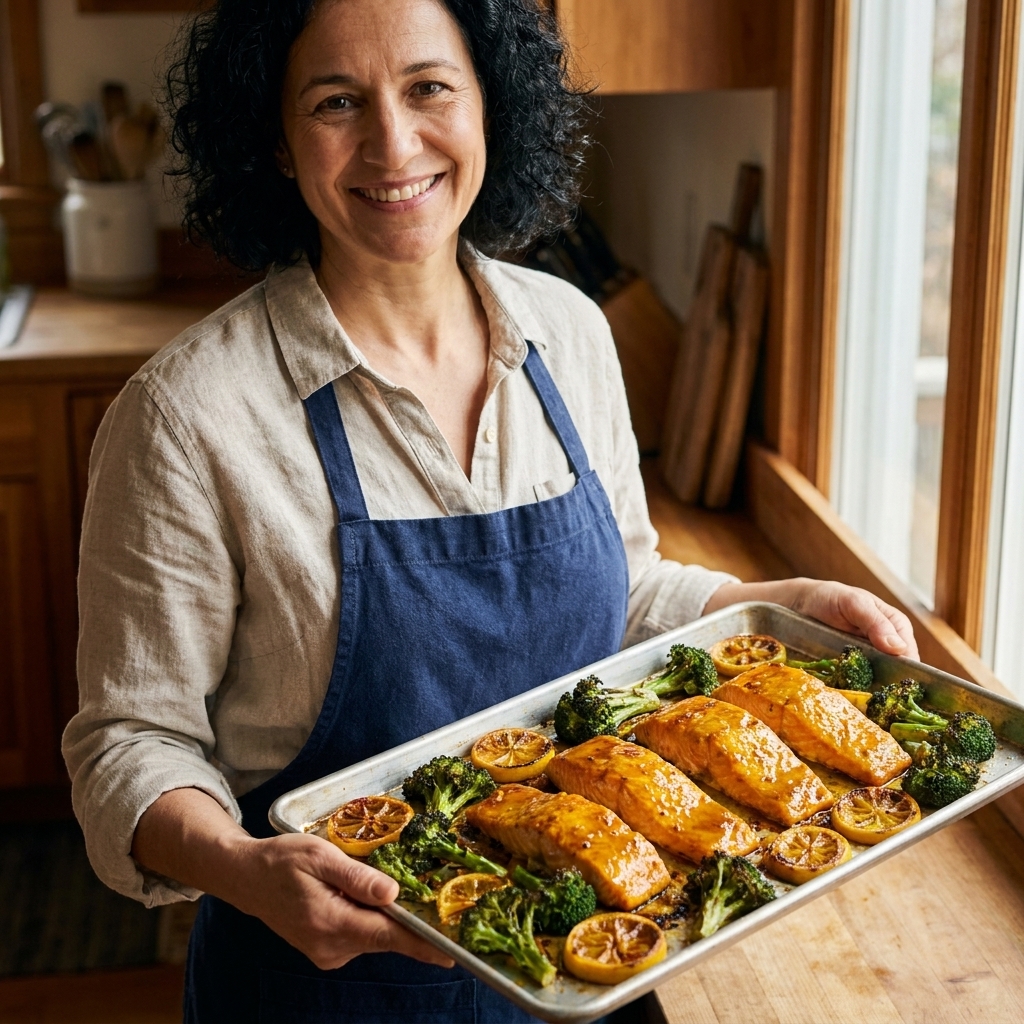
1) Golden Ginger Salmon Sheet Pan Dinner
Why it helps: Omega-3 rich salmon plus turmeric and ginger in a punchy glaze. Sheet pan means easy cleanup.
- Serves: 4
- Main ingredients: 1 1/2 to 2 lb salmon fillets, 4 cups broccoli florets or green beans, 2 to 3 tbsp olive oil (divided), 1 tsp turmeric, 2 tsp grated ginger, 2 garlic cloves (grated or minced), 1 lemon (zest and juice), black pepper, salt, optional 1 to 2 tsp honey or maple syrup
- How to make it: Heat oven to 425°F. Toss veggies with about 1 1/2 tbsp oil, salt, pepper, and a pinch of turmeric. Roast 10 minutes. Stir remaining oil with turmeric, ginger, garlic, lemon zest and juice, and optional sweetener. Brush on salmon, nestle onto pan, and roast 10 to 12 minutes more, until salmon flakes and the center is just opaque.
- Elena’s swaps: Use frozen salmon, just add 3 to 5 minutes. No broccoli? Any quick-roasting veg works, even sliced bell peppers.
- Diet notes: gluten-free, dairy-free
2) Turmeric Lentil Soup With Ginger and Lemon
Why it helps: Lentils are fiber-rich and soothing, and this soup tastes even better the next day.
- Serves: 4 to 6
- Main ingredients: 1 tbsp olive oil, 1 onion (chopped), 2 carrots (chopped), 2 celery stalks (chopped), 3 garlic cloves (minced), 2 tsp grated ginger, 1 1/2 tsp turmeric, 1 1/2 cups red lentils (rinsed), 5 to 6 cups broth, 2 big handfuls spinach, 1 lemon (juice), black pepper, salt
- How to make it: Saute onion, carrot, and celery in olive oil until softened. Add garlic, turmeric, and ginger and cook 30 seconds. Add lentils and broth, simmer 15 to 20 minutes until creamy. Stir in spinach to wilt, finish with lemon juice and plenty of black pepper.
- Elena’s swaps: No red lentils? Use brown lentils and simmer longer. Want extra omega-3? Top bowls with 1 tbsp hemp hearts per serving, or add a tiny drizzle of flax oil off heat.
- Diet notes: vegan if using vegetable broth, gluten-free
3) Chia Pudding With Gingered Berries and Walnuts
Why it helps: Plant-based omega-3s from chia (ALA), plus a fresh ginger berry topping that feels like dessert for breakfast.
- Serves: 2 (or 4 smaller portions)
- Main ingredients: 1/3 cup chia seeds, 1 1/2 cups milk of choice, 1/2 tsp vanilla, pinch of salt, 2 cups berries (fresh or frozen), 1 to 2 tsp grated ginger, 1/4 cup chopped walnuts, optional honey
- How to make it: Stir chia, milk, vanilla, and salt. Rest 10 minutes, stir again to break clumps, then chill 4 hours or overnight. Warm berries with ginger and a splash of water until saucy. Spoon over pudding and top with walnuts.
- Elena’s swaps: Use frozen berries. For extra creaminess, swap part of the milk for coconut milk.
- Diet notes: vegetarian, gluten-free (use dairy-free milk to make it vegan)
4) Sardine and Avocado Toast With Lemon-Ginger Crunch
Why it helps: Sardines are a generally budget-friendly omega-3 source, and the flavors here are bright, not fishy.
- Serves: 2
- Main ingredients: 2 slices whole grain bread, 1 can sardines (in olive oil or water), 1 ripe avocado, 1 lemon (juice), 1 tsp grated ginger, black pepper, salt, optional chili flakes, cucumber or radish
- How to make it: Toast bread. Mash avocado with lemon juice, ginger, salt, and pepper. Pile on sardines and finish with cucumber or radish for crunch.
- Elena’s swaps: Not a sardine fan yet? Use canned salmon or trout. No avocado? Use hummus and a drizzle of olive oil.
- Diet notes: dairy-free (use gluten-free bread if needed)
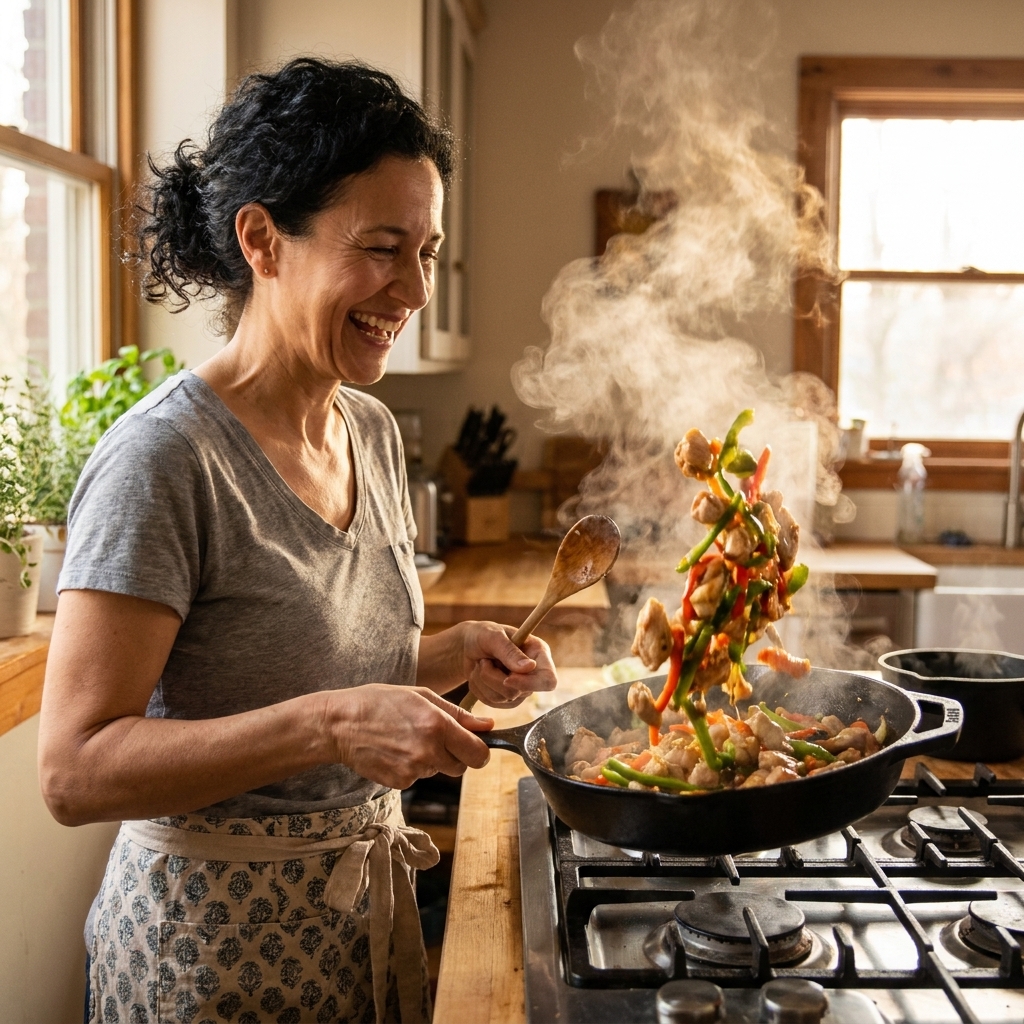
5) Ginger-Turmeric Chicken and Veggie Stir-Fry
Why it helps: A weeknight staple with a quick sauce that leans on fresh ginger, turmeric, and garlic.
- Serves: 4
- Main ingredients: 1 1/4 lb chicken thighs or breast (thinly sliced), 5 to 6 cups mixed veggies, 2 tsp grated ginger, 1 tsp turmeric, 2 garlic cloves (minced), 3 tbsp tamari or soy sauce, 1 tbsp rice vinegar, 1 tsp sesame oil, optional 1 tsp honey
- How to make it: Stir-fry chicken in neutral oil until browned and cooked through. Add veggies and cook until crisp-tender. Add ginger, garlic, and turmeric, then stir in tamari, vinegar, sesame oil, and optional honey. Serve with brown rice.
- Elena’s swaps: Swap chicken for tofu or shrimp. If you want to add flax to rice, start with 1 to 2 tsp ground flax per serving and fluff well so it stays light.
- Diet notes: dairy-free (use tamari for gluten-free)
6) Golden Oatmeal With Flax, Cinnamon, and Ginger
Why it helps: Warm spices, steady energy, and plant omega-3s from ground flax (ALA).
- Serves: 2
- Main ingredients: 1 cup rolled oats, 2 cups milk or water, 1/2 tsp turmeric, 1 tsp grated ginger (or 1/4 tsp ground), 1/2 tsp cinnamon, 2 tbsp ground flaxseed, pinch of salt, banana or apple, optional nut butter
- How to make it: Simmer oats with milk or water, turmeric, ginger, cinnamon, and salt. Stir in ground flax off heat. Top with fruit and nut butter.
- Elena’s swaps: If turmeric stains worry you, use a smaller pinch and add more cinnamon. Still golden, still cozy.
- Diet notes: vegetarian (use dairy-free milk to make it vegan), gluten-free if using certified gluten-free oats
7) Coconut Turmeric Shrimp With Ginger-Lime Rice
Why it helps: Shrimp is quick and light, coconut milk makes turmeric taste lush, and the ginger-lime rice is the kind of side you want to eat straight from the pot.
- Serves: 4
- Main ingredients: 1 1/4 lb shrimp (peeled and deveined), 1 can (13.5 oz) coconut milk, 1 tsp turmeric, 2 tsp grated ginger, 2 garlic cloves (minced), 1 lime (zest and juice), 2 cups spinach, 1 1/2 cups jasmine or brown rice
- How to make it: Cook rice (add a few slices of ginger to the pot if you want extra aroma). Saute garlic and ginger in a little oil, add turmeric, then coconut milk and a pinch of salt. Simmer 3 minutes. Add shrimp and cook just until opaque, pink, and gently curled, 2 to 4 minutes. Stir in spinach and lime juice. Serve over rice and finish with lime zest.
- Elena’s swaps: Use canned chickpeas instead of shrimp for a plant-based version. Add 1 tbsp hemp hearts per bowl for omega-3s.
- Diet notes: dairy-free, gluten-free
8) Walnut Pesto Pasta With Lemon and Peppery Greens
Why it helps: Walnuts bring omega-3s (ALA), and this sauce is forgiving and pantry-friendly.
- Serves: 4
- Main ingredients: 1/2 cup walnuts, 2 packed cups basil or spinach, 1 garlic clove, 1/4 cup olive oil, 1 lemon (juice), 1/4 cup parmesan (optional), black pepper, salt, 12 oz whole wheat pasta, 2 cups arugula
- How to make it: Blend walnuts, greens, garlic, lemon juice, olive oil, salt, and pepper into a loose pesto. Toss with hot pasta and a splash of pasta water. Fold in arugula to wilt.
- Elena’s swaps: No basil? Use baby spinach plus a handful of parsley. Add a pinch of turmeric to the pesto for extra warmth.
- Diet notes: vegetarian (use gluten-free pasta if needed, skip parmesan or use vegan parm to make it dairy-free)
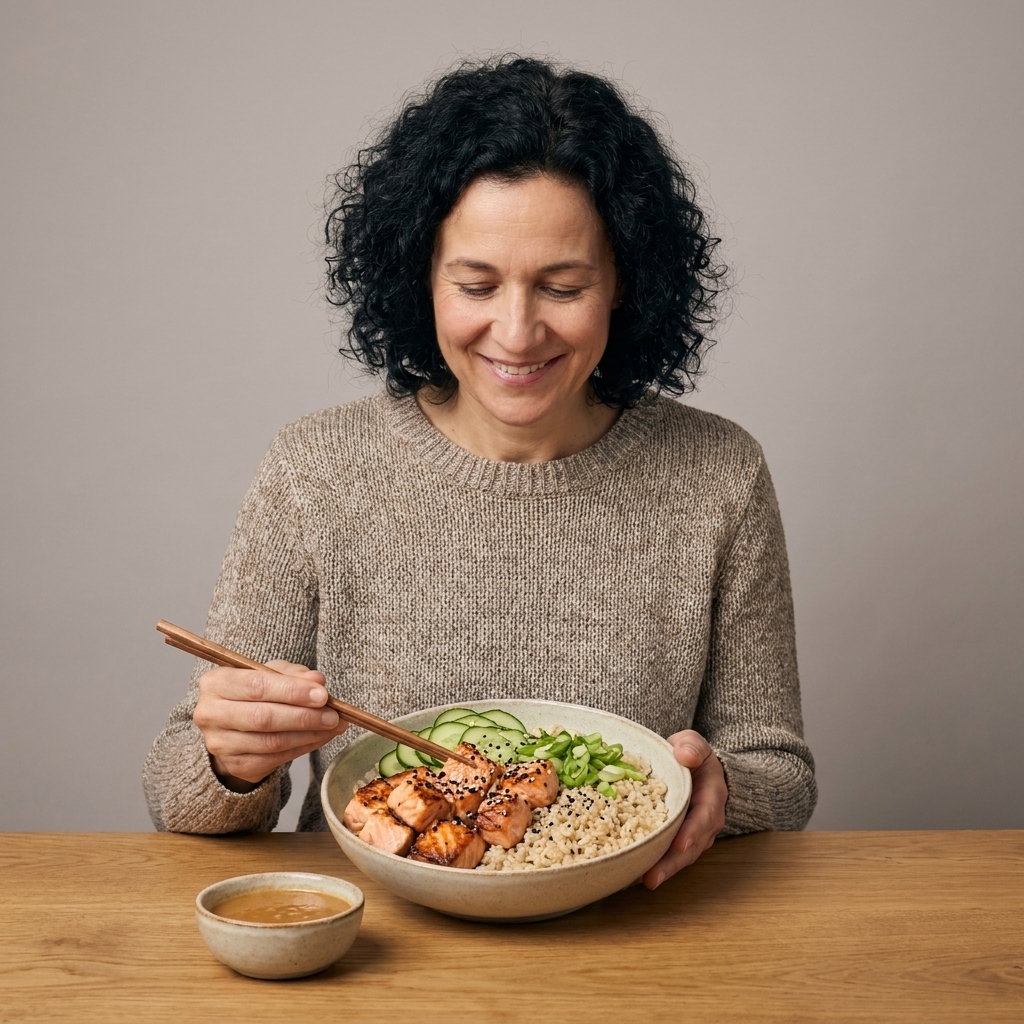
9) Miso-Ginger Salmon Rice Bowl With Cucumbers
Why it helps: Omega-3 salmon plus a ginger-forward sauce and cool crunchy cucumbers.
- Serves: 4
- Main ingredients: 1 1/2 lb salmon, 3 cups cooked white or brown rice, 2 tbsp miso, 2 tsp grated ginger, 1 tbsp rice vinegar, sesame seeds, 1 cucumber (sliced), scallions
- How to make it: Mix miso, ginger, vinegar, and 1 to 2 tbsp water to thin. Brush on salmon and bake at 425°F for 10 to 12 minutes. Serve over rice with cucumbers, scallions, and sesame seeds.
- Elena’s swaps: Use canned salmon when you are in a hurry. Just stir the sauce into the rice and flake salmon on top.
- Diet notes: dairy-free, gluten-free if using gluten-free miso
10) Turmeric Roasted Cauliflower Tacos With Ginger Slaw
Why it helps: A colorful meatless dinner that still feels hearty, with a bright slaw that wakes everything up.
- Serves: 4 (about 8 tacos)
- Main ingredients: 1 large cauliflower (florets), 2 tbsp olive oil, 1 tsp turmeric, 1 tsp cumin, salt, 8 tortillas, 3 cups shredded cabbage, 2 tsp grated ginger, 1 lime (juice), 2 to 3 tbsp yogurt or mayo, cilantro
- How to make it: Roast turmeric-cumin cauliflower at 450°F until caramelized, 20 to 25 minutes. Toss cabbage with ginger, lime, salt, and yogurt or mayo. Pile into warm tortillas and top with cilantro.
- Elena’s swaps: Add canned sardines or canned salmon to one or two tacos if you want an omega-3 punch without cooking extra protein. Dairy-free? Use a plant-based yogurt or just olive oil and extra lime.
- Diet notes: vegetarian (use corn tortillas for gluten-free)
11) Ginger-Turmeric Smoothie With Spinach and Hemp Hearts
Why it helps: When you want anti-inflammatory ingredients without turning on a stove, this is my go-to.
- Serves: 1 large or 2 small
- Main ingredients: 2 cups spinach, 1 1/2 cups frozen pineapple or mango, 1 banana, 1 to 2 tsp grated ginger, 1/2 tsp turmeric, pinch of black pepper, 3/4 cup yogurt or kefir, 2 tbsp hemp hearts
- How to make it: Blend everything until silky. Taste and adjust sweetness with more fruit or a drizzle of honey.
- Elena’s swaps: Use orange juice for brightness, or coconut water for a lighter smoothie. If you only have ground ginger, start with 1/4 teaspoon.
- Diet notes: gluten-free, vegetarian (use dairy-free yogurt to make it dairy-free)
12) Gingered Tuna and White Bean Salad With Olive Oil and Herbs
Why it helps: Omega-3s from tuna plus fiber-rich beans. It is the kind of lunch that keeps you satisfied.
- Serves: 4
- Main ingredients: 2 cans tuna (about 10 oz drained), 1 can cannellini beans (drained and rinsed), 3 tbsp olive oil, 1 lemon (juice), 1 tsp grated ginger, 1/3 cup chopped parsley or dill, 1/4 red onion (thinly sliced), black pepper, salt
- How to make it: Drain beans and tuna. Toss with olive oil, lemon juice, ginger, herbs, thinly sliced onion, salt, and black pepper. Let it sit 10 minutes so the flavors mingle.
- Elena’s swaps: Swap tuna for canned salmon or sardines. Add chopped cucumber or celery for extra crunch.
- Tuna note: If you eat tuna often, consider choosing light or skipjack more frequently and limiting albacore, since mercury levels can vary. When in doubt, rotate in salmon or sardines.
- Diet notes: dairy-free, gluten-free
Make it easy: your anti-inflammatory mini pantry
If you want these meals to feel automatic, here is what I keep around:
- Spices: turmeric, black pepper, cinnamon, cumin
- Fresh: ginger (freeze it), lemons or limes, a big box of greens
- Omega-3 staples: canned sardines, canned salmon or tuna, chia seeds, ground flaxseed, walnuts, hemp hearts
- Weeknight helpers: frozen broccoli, frozen berries, canned beans, broth
FAQ
Is ground turmeric okay, or do I need fresh?
Ground turmeric is absolutely fine and is what I use most often for weeknight cooking. Fresh turmeric is lovely if you find it, but it stains like nobody’s business. Use gloves and a dedicated cutting board if you go fresh.
How much ginger should I use?
For fresh ginger, a good everyday starting point is 1 to 2 teaspoons grated per recipe (serves 4). If you love a bigger ginger kick, double it. For ground ginger, start smaller since it can read more perfumey, around 1/4 to 1/2 teaspoon.
What is the easiest way to add omega-3s to meals?
My top three: add a tablespoon of chia or ground flax to oatmeal or yogurt, keep canned sardines or salmon for quick lunches, and sprinkle hemp hearts on soups, salads, and bowls. If you are aiming specifically for EPA and DHA, fatty fish is the most direct route.
One gentle reminder
These recipes are meant to make you feel good without feeling deprived. Pick two to start, make them once, then keep the parts you loved. That is how “healthy cooking” turns into “this is just how we eat.”